

Hawaiiblässhuhn vs Indianerblässhuhn
Fulica alai gegen Fulica americana
Ein Quiz mit Hawaiiblässhuhn und Indianerblässhuhn spielen
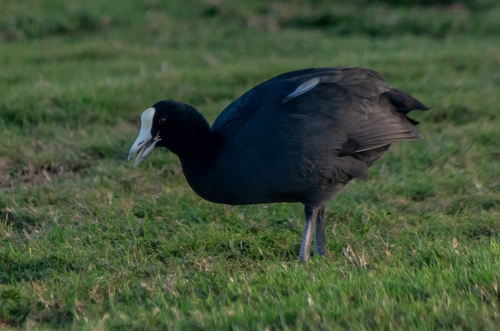 Hawaiiblässhuhn
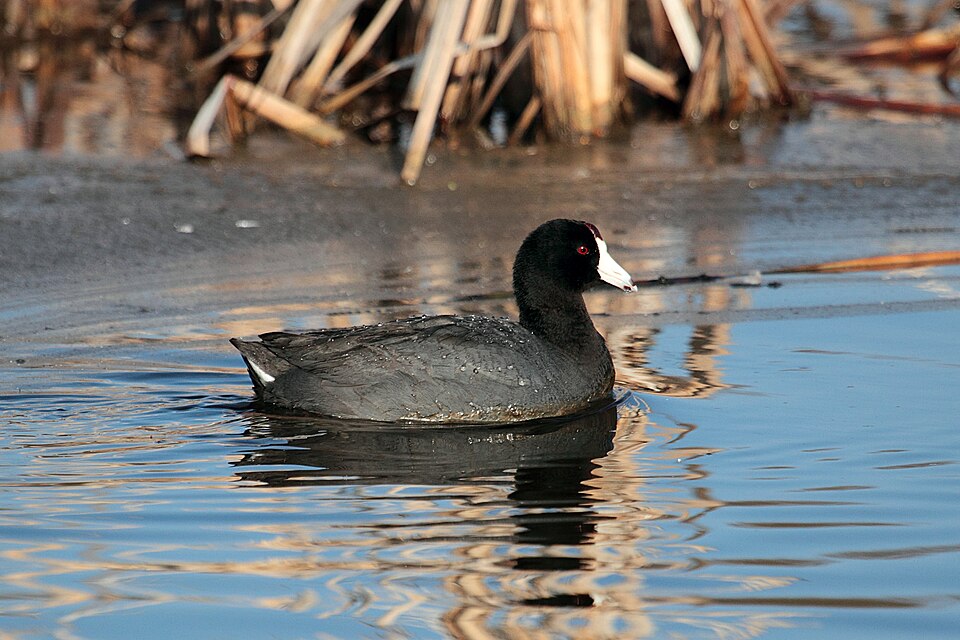 Indianerblässhuhn
Kurz gesagt
Das zuverlässigste Feldmerkmal zwischen Hawaiiblässhuhn und Indianerblässhuhn ist das Muster und die Farbe des Schnabels und des Stirnschildes: Hawaiiblässhühner zeigen ein sauberes, rein weißes Schild und Schnabel, während Indianerblässhühner typischerweise ein weißes Schild mit einem rötlich-braunen Fleck nahe der Spitze des Schnabels haben. Beide Arten sind in Größe und Form ähnlich, mit insgesamt schwärzlichem Gefieder, aber ihre Verbreitungsgebiete überschneiden sich nicht: Hawaiiblässhuhn ist streng endemisch in Hawaii, während Indianerblässhuhn in Nordamerika weit verbreitet ist. Die Jugendgefieder sind für Hawaiiblässhuhn nicht im Detail beschrieben, aber die Juvenile des Indianerblässhuhns sind blasser mit oliv-braunen Kronen und grauen Körpern. Im Feld sind Kontext und Schildfarbe Ihre besten Hinweise.
Bestimmungstipps
- Farbe des Stirnschildes und Schnabels (alle Altersstufen): Hawaiiblässhuhn hat ein sauberes, rein weißes Stirnschild und Schnabel, während Indianerblässhuhn normalerweise einen rötlich-braunen Fleck nahe der Spitze des Schildes zeigt. Dies ist das zuverlässigste Feldmerkmal aus nächster Nähe oder mit guter Optik.
- Geografische Verbreitung: Hawaiiblässhuhn ist endemisch in Hawaii; Indianerblässhuhn kommt dort nicht vor. Wenn Sie in Hawaii Vögel beobachten, sehen Sie fast sicher Hawaiiblässhuhn. Wenn Sie auf dem Festland oder anderswo in Nordamerika sind, ist es Indianerblässhuhn.
- Juvenilgefieder: Die Juvenile des Indianerblässhuhns sind blasser, mit oliv-braunen Kronen und grauen Körpern, bevor sie nach etwa 4 Monaten in ein erwachsenes, schwärzliches Gefieder mausern. Die Juvenile des Hawaiiblässhuhns sind nicht im Detail beschrieben, aber sie sind wahrscheinlich ähnlich wie die Erwachsenen, sodass ein blasses, graues Juvenil eher Indianerblässhuhn ist.
- Größe und Struktur: Beide Arten sind in Größe und Form sehr ähnlich, mit nur subtilen Unterschieden. Die Weibchen des Indianerblässhuhns sind etwas kleiner, aber dies ist im Feld nicht zuverlässig.
- Geschlechtsunterschiede: Beide Arten sind sexuell monomorph; verwenden Sie das Geschlecht nicht, um sie zu unterscheiden.
- Füße und Beine: Beide haben breite, gelappte Zehen (nicht schwimmhäutig), was ein Merkmal der Blässhühner ist und nicht nützlich ist, um diese beiden zu unterscheiden.
- Verhalten: Beide schwimmen und gehen auf ähnliche Weise. Indianerblässhühner können in größeren Schwärmen gesehen werden, insbesondere außerhalb der Brutzeit, während Hawaiiblässhühner lokalisierter und weniger zahlreich sind.
- Lebensraum: Hawaiiblässhühner sind auf Süßwasser- und brackige Feuchtgebiete in Hawaii beschränkt. Indianerblässhühner sind in einer Vielzahl von Feuchtgebieten in Nordamerika zu finden.
- Stimme: Keine diagnostischen stimmlichen Unterschiede sind in den verfügbaren Quellen beschrieben.
- Flugansichten: Keine charakteristischen Unterschiede im Oberflügel oder im Flugmuster sind für keine der Arten in irgendeinem Alter beschrieben; beide zeigen im Flug schlichte dunkle Flügel.
- Fallstricke: Der Hauptfallstrick besteht darin, anzunehmen, dass alle Blässhühner die gleiche Art sind, insbesondere in Hawaii. Überprüfen Sie immer die Schildfarbe und berücksichtigen Sie Ihren Standort.
- Saisonaler Kontext: Indianerblässhühner können in einigen Gebieten ganzjährig vorhanden sein, aber ihre Zahlen und das Schwarmverhalten ändern sich mit der Saison. Hawaiiblässhühner migrieren nicht und sind ganzjährig in geeignetem Lebensraum vorhanden.
- Sichtbarkeit des Schildflecks: Der rötlich-braune Fleck auf dem Schild des Indianerblässhuhns kann in schwachem Licht oder aus der Ferne subtil oder verdeckt sein. Verwenden Sie mehrere Merkmale, wenn möglich.
- Erhaltungsstatus: Hawaiiblässhuhn ist gefährdet und selten; Indianerblässhuhn ist häufig und weit verbreitet. Dies kann helfen, die Erwartungen im Feld zu setzen.
- Checklistenansatz: In Hawaii gehen Sie standardmäßig von Hawaiiblässhuhn aus, es sei denn, es gibt starke gegenteilige Beweise. Anderswo nehmen Sie Indianerblässhuhn an.
Größe
Beide Arten sind in der Größe sehr ähnlich: Hawaiiblässhuhn misst 33–40,6 cm (13–16 Zoll) in der Länge und wiegt etwa 700 g, während Indianerblässhuhn 34–43 cm (13–17 Zoll) lang ist, wobei die Männchen 576–848 g und die Weibchen 427–628 g wiegen. Es gibt eine signifikante Überlappung, und die Größe allein ist im Feld nicht zuverlässig zur Unterscheidung. Beide haben einen kompakten, schienenartigen Körperbau mit kurzen Schwänzen und abgerundeten Flügeln. Die Weibchen des Indianerblässhuhns sind im Durchschnitt etwas kleiner, aber dies ist subtil und nicht diagnostisch aus der Ferne.
Gefieder
- Juvenil-/unreifes Gefieder: Die Juvenile des Indianerblässhuhns sind deutlich blasser als die Erwachsenen, mit oliv-braunen Kronen und grauen Körpern, die nach etwa 4 Monaten erwachsen aussehen. Es gibt keine detaillierte Beschreibung des Juvenilgefieders des Hawaiiblässhuhns, aber es wird impliziert, dass es den Erwachsenen ähnlich ist (insgesamt schwärzlich).
- Erwachsenengefieder: Beide Arten sind insgesamt schwärzlich mit einem auffälligen weißen Schnabel und Stirnschild. Der entscheidende Unterschied liegt im Schild: Hawaiiblässhuhn hat ein sauberes, rein weißes Schild und Schnabel, während Indianerblässhuhn normalerweise einen rötlich-braunen Fleck nahe der Spitze des Schildes (zwischen den Augen) zeigt. Dieser Fleck ist oft aus nächster Nähe oder bei gutem Licht sichtbar. Keine Unterschiede im Flügelmuster oder in den Oberflügelmarkierungen sind für keine der Arten in irgendeinem Alter beschrieben.
- Geschlechter: Beide Arten sind sexuell monomorph im Gefieder; Männchen und Weibchen sehen gleich aus.
Verhalten
Beide Arten verhalten sich ähnlich, schwimmen auf offenem Wasser und gehen an Land mit einem charakteristischen, etwas unbeholfenen Gang. Indianerblässhühner sind bekannt für ihre aggressive territoriale Verteidigung, insbesondere während der Brutzeit, und werden oft in größeren Schwärmen außerhalb der Brutzeit gesehen. Hawaiiblässhühner, die gefährdet und auf Hawaii beschränkt sind, werden weniger wahrscheinlich in großen Gruppen gesehen und könnten vorsichtiger sein. Beide Arten haben breite, gelappte Zehen anstelle von schwimmhäutigen Füßen, was sichtbar ist, wenn sie gehen oder aus dem Wasser stehen.
Lebensraum
Hawaiiblässhuhn ist streng endemisch in Hawaii und kommt nur in Süßwasserseen, Sümpfen, Küstenseen und Wasserlagerbereichen auf den Inseln vor. Indianerblässhuhn ist in Nordamerika weit verbreitet, brütet in Sümpfen, Seen und Teichen und überwintert in einer Vielzahl von Süßwasser- und manchmal Salzwasserlebensräumen. Wenn Sie außerhalb von Hawaii sind, ist jedes Blässhuhn fast sicher Indianerblässhuhn. Innerhalb von Hawaii wird Indianerblässhuhn nicht erwartet, sodass jedes gesehene Blässhuhn fast sicher Hawaiiblässhuhn ist. Die Überlappung der Lebensräume ist im Feld kein Problem, aber der Kontext ist entscheidend für die Identifizierung.
Hawaiiblässhuhn · Indianerblässhuhn · Meine schwierigen Vögel