

Hawaiian Coot vs American Coot
Fulica alai contro Fulica americana
Fai un quiz con Hawaiian Coot e American Coot
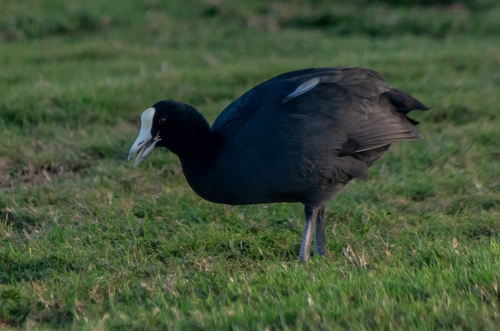 Hawaiian Coot
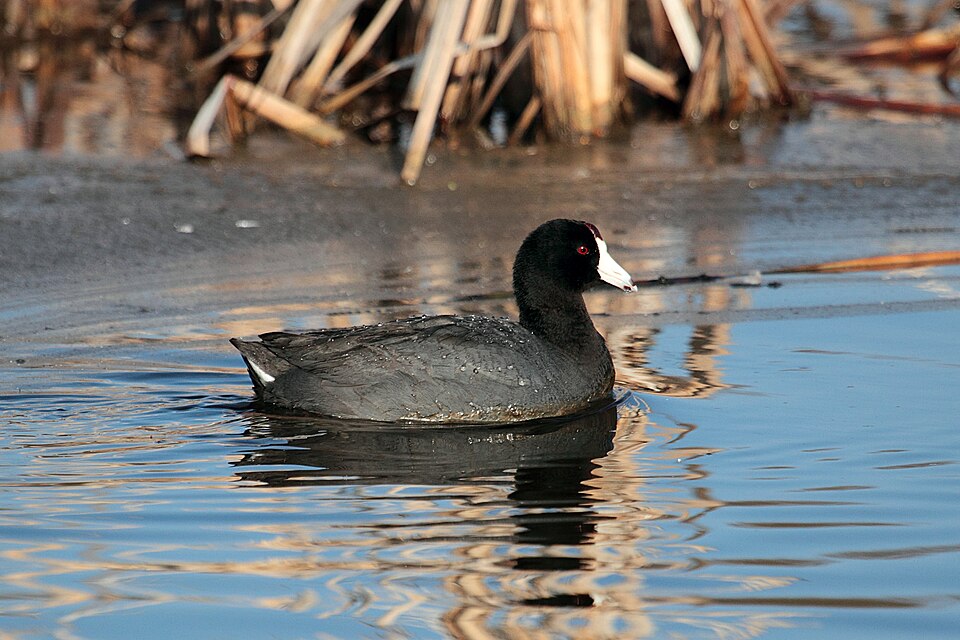 American Coot
In breve
Il segno distintivo più affidabile tra Hawaiian Coot e American Coot è il modello e il colore del becco e dello scudo frontale: i Hawaiian Coot mostrano uno scudo e un becco completamente bianchi, mentre gli American Coot tipicamente hanno uno scudo bianco con una macchia marrone-rossiccia vicino alla parte superiore del becco. Entrambe le specie sono simili in dimensioni e forma, con piumaggio complessivamente nerastro, ma i loro areali non si sovrappongono: il Hawaiian Coot è strettamente endemico alle Hawaii, mentre l'American Coot è diffuso in tutta l'America del Nord. I piumaggi giovanili non sono descritti in dettaglio per il Hawaiian Coot, ma i giovani American Coot sono più chiari con corone marrone-oliva e corpi grigi. Sul campo, il contesto e il colore dello scudo sono i tuoi migliori indizi.
Consigli di identificazione
- Colore dello scudo frontale e del becco (tutte le età): Il Hawaiian Coot ha uno scudo frontale e un becco completamente bianchi, mentre l'American Coot mostra solitamente una macchia marrone-rossiccia vicino alla parte superiore dello scudo. Questo è il segno distintivo più affidabile a distanza ravvicinata o con buone ottiche.
- Area geografica: Il Hawaiian Coot è endemico alle Hawaii; l'American Coot non si trova lì. Se stai osservando uccelli alle Hawaii, stai quasi certamente vedendo il Hawaiian Coot. Se sei sulla terraferma o altrove in America del Nord, è l'American Coot.
- Piumaggio giovanile: I giovani American Coot sono più chiari, con corone marrone-oliva e corpi grigi, prima di mutare in un piumaggio nerastro simile agli adulti entro circa 4 mesi. I giovani Hawaiian Coot non sono descritti in dettaglio ma sono probabilmente simili agli adulti, quindi un giovane pallido e grigiastro è più probabilmente un American Coot.
- Dimensioni e struttura: Entrambe le specie sono molto simili in dimensioni e forma, con solo lievi differenze. Le femmine di American Coot sono leggermente più piccole, ma questo non è affidabile sul campo.
- Differenze sessuali: Entrambe le specie sono sessualmente monomorfiche; non usare il sesso per separarli.
- Piedi e gambe: Entrambi hanno dita larghe e lobate (non palmate), che è un tratto dei coot e non utile per separare questi due.
- Comportamento: Entrambi nuotano e camminano in modo simile. Gli American Coot possono essere visti in gruppi più grandi, specialmente al di fuori della stagione riproduttiva, mentre i Hawaiian Coot sono più localizzati e meno numerosi.
- Habitat: I Hawaiian Coot sono limitati a zone umide dolci e salmastre alle Hawaii. Gli American Coot si trovano in una vasta gamma di habitat umidi in tutta l'America del Nord.
- Voce: Non sono descritte differenze vocali diagnostiche nelle fonti disponibili.
- Viste in volo: Non sono descritte differenze distintive nel pattern delle ali superiori o nel volo per nessuna delle due specie a qualsiasi età; entrambe mostrano ali scure e semplici in volo.
- Trappole: La principale trappola è assumere che tutti i coot siano la stessa specie, specialmente alle Hawaii. Controlla sempre il colore dello scudo e considera la tua posizione.
- Contesto stagionale: Gli American Coot possono essere presenti tutto l'anno in alcune aree, ma i loro numeri e il comportamento di gruppo cambiano con le stagioni. I Hawaiian Coot non migrano e sono presenti tutto l'anno in habitat idonei.
- Visibilità della macchia dello scudo: La macchia marrone-rossiccia sullo scudo dell'American Coot può essere sottile o oscurata in scarsa illuminazione o a distanza. Usa più segni se possibile.
- Stato di conservazione: Il Hawaiian Coot è in pericolo e raro; l'American Coot è comune e diffuso. Questo può aiutare a impostare le aspettative sul campo.
- Approccio alla lista di controllo: Alle Hawaii, default al Hawaiian Coot a meno che non ci siano forti prove del contrario. Altrove, assumi l'American Coot.
Taglia
Entrambe le specie sono molto simili in dimensioni: il Hawaiian Coot misura 33–40,6 cm (13–16 in) di lunghezza e pesa circa 700 g, mentre l'American Coot è lungo 34–43 cm (13–17 in), con i maschi che pesano 576–848 g e le femmine 427–628 g. C'è una significativa sovrapposizione, e la dimensione da sola non è affidabile per la separazione sul campo. Entrambi hanno una struttura compatta, simile a quella di un rallide, con code corte e ali arrotondate. Le femmine di American Coot sono leggermente più piccole in media, ma questo è sottile e non diagnostico a distanza.
Piumaggio
- Piumaggio giovanile/immaturo: I giovani American Coot sono nettamente più chiari degli adulti, con corone marrone-oliva e corpi grigi, diventando simili agli adulti entro circa 4 mesi. Non c'è una descrizione dettagliata del piumaggio giovanile del Hawaiian Coot, ma si implica che sia simile agli adulti (complessivamente nerastro).
- Piumaggio adulto: Entrambe le specie sono complessivamente nerastre con un becco e uno scudo frontale bianchi prominenti. La principale differenza è nello scudo: il Hawaiian Coot ha uno scudo e un becco completamente bianchi, mentre l'American Coot mostra solitamente una macchia marrone-rossiccia vicino alla parte superiore dello scudo (tra gli occhi). Questa macchia è spesso visibile a distanza ravvicinata o in buona luce. Non sono descritte differenze nel pattern delle ali o nelle marcature delle ali superiori per nessuna delle due specie a qualsiasi età.
- Sessi: Entrambe le specie sono sessualmente monomorfiche nel piumaggio; maschi e femmine si somigliano.
Comportamento
Entrambe le specie si comportano in modo simile, nuotando su acque aperte e camminando sulla terra con un'andatura distintiva, un po' goffa. Gli American Coot sono noti per la loro difesa territoriale aggressiva, specialmente durante la riproduzione, e sono spesso visti in gruppi più grandi al di fuori della stagione riproduttiva. I Hawaiian Coot, essendo in pericolo e limitati alle Hawaii, sono meno probabili da vedere in grandi gruppi e possono essere più diffidenti. Entrambe le specie hanno dita larghe e lobate piuttosto che piedi palmati, che è visibile quando camminano o stanno fuori dall'acqua.
Habitat
Il Hawaiian Coot è strettamente endemico alle Hawaii e si trova solo in laghi d'acqua dolce, paludi, lagune costiere e aree di stoccaggio d'acqua sulle isole. L'American Coot è diffuso in tutta l'America del Nord, nidificando in paludi, laghi e stagni, e svernando in una varietà di habitat d'acqua dolce e talvolta salmastra. Se sei al di fuori delle Hawaii, qualsiasi coot è quasi certamente un American. All'interno delle Hawaii, l'American Coot non è atteso, quindi qualsiasi coot visto è quasi certamente un Hawaiian Coot. La sovrapposizione degli habitat non è un problema sul campo, ma il contesto è cruciale per l'identificazione.