

Motmot

ハイイロブユムシクイ 対 ホオジロマユミソサザイ

Polioptila guianensis 対 Cantorchilus leucotis

ハイイロブユムシクイとホオジロマユミソサザイのクイズ

ハイイロブユムシクイ (Polioptila guianensis) ハイイロブユムシクイ
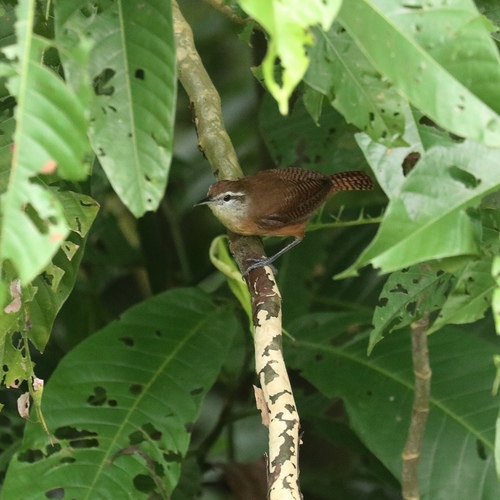
ホオジロマユミソサザイ (Cantorchilus leucotis) ホオジロマユミソサザイ

メディア

読み込み中…

要点

グアイアナムシクイとホオジロマユミソサザイを区別する最も信頼できる方法は、サイズと構造です:ムシクイは小さく、細い体を持ち、長くて細い尾と繊細なくちばしを持っていますが、サザイははるかに大きく、ずんぐりしており、短くて重い縞模様の尾を持っています。羽色では、ムシクイは上面が青灰色で、白い目のリングが途切れており、印象的な白黒の尾の模様を持っていますが、サザイは上面が赤褐色から灰褐色で、腹部は淡いまたはシナモン色で、縞模様の尾を持っています。両種の雌と幼鳥は混乱を招くことがありますが、ムシクイの淡い灰色のトーンと白い眉(雌の場合)は、サザイのより豊かな茶色と淡い色合いと対照的です。両種はグアイアナで共存しているため、構造と尾の模様に注意を払うことが重要です。

識別のコツ

  1. サイズと構造: グアイアナムシクイは小さくて細い体を持ち、長くて細い尾と小さくて繊細なくちばしを持っています。ホオジロマユミソサザイははるかに大きく、丸みを帯びており、相対的に短くて太い尾と重いくちばしを持っています。これは、よく見た場合の最も迅速なフィールドの手がかりです。
  2. 尾の模様: ムシクイは印象的な白黒の尾(中央の羽は黒、外側の羽は白)を示し、しばしば扇状に広げたり、ひらひらさせたりします。ホオジロマユミソサザイは、尾全体が重く縞模様になっており、ムシクイの鮮やかな白黒の対比はありません。
  3. 尾の動き: ムシクイはしばしば体の上で尾をひらひらさせたり、扇状に広げたりしますが、サザイは尾を上に持ち上げますが、同じように扇ぐことはありません。
  4. 上面の羽色: ムシクイのオスは上面が青灰色で、雌は淡い灰色で白い眉があります。ホオジロマユミソサザイは上面が赤褐色から灰褐色で、青みのトーンはありません。
  5. 腹部: ムシクイは下が白(喉と腹)ですが、ホオジロマユミソサザイは淡いまたはシナモン色の胸と腹を持ち、トーンがはるかに暖かいです。
  6. 顔の模様: ムシクイのオスは途切れた白い目のリングを持ち、雌は白い眉を加えます。ホオジロマユミソサザイは変動する淡い眉を持っていますが、完全な目のリングはありません;顔はより模様があり、灰色または茶色に見えることがあります。
  7. くちばし: ムシクイのくちばしは細くて針のようで、小さな昆虫をつまむのに適しています。サザイのくちばしは重く、わずかに下向きに曲がっています。
  8. 幼鳥の混乱: 若いホオジロマユミソサザイは鈍い色合いですが、依然として縞模様の尾と淡い腹部を示します;ムシクイの幼鳥はよく説明されていませんが、縞模様がなく、淡い灰色のトーンを示すべきです。
  9. 生息地の利用: ムシクイはしばしば樹冠や外側の枝にいます;サザイは密な低い絡み合いや茂みの中にいます。
  10. 行動: ムシクイは落ち着きがなく、アクロバティックで、しばしば混合群れの中にいます;サザイはより体系的で、しばしばペアや家族群で見られ、球状の巣の近くにいることがあります。
  11. 声: メモには記載されていないため、このデータに基づいて歌や鳴き声で区別することはできません。
  12. 季節と性別: 両種はグアイアナで年間を通じて発生します;雌のムシクイは淡く、白い眉を持ち、オスと雌のサザイはわずかな体重の違いを除いて似ています。
  13. 落とし穴: 照明が悪い場合、ムシクイの灰色は茶色がかって見えることがあり、サザイの淡い色はより薄く見えることがあります。色だけに頼る前に、常に尾の模様とサイズを確認してください。
  14. 飛行時の見え方: 飛行中のムシクイは細く、尾をひらひらさせます;サザイはずんぐりしており、より跳ねるような直接的な動きで飛びます。
  15. 疑わしい場合: 鳥が小さく、灰色がかり、白黒の尾を持っている場合、それはムシクイです。もしそれが大きく、茶色がかりで、縞模様の尾と淡い腹部を持っている場合、それはサザイです。

大きさ

グアイアナムシクイはホオジロマユミソサザイ(オス18.5–22.8 g、雌16.0–19.5 g)よりもはるかに小さく、軽量(約6 g、10–11 cm)です。ムシクイは優雅で、ほぼウグイスのような鳥ですが、サザイは明らかにずんぐりしており、より頑丈で、丸い体と相対的に短い尾を持っています。フィールドでは、両者がすぐに続けて見られると、サイズの差が際立ちます。

羽色

行動

グアイアナムシクイは通常活発でアクロバティックで、外側の葉の中で昆虫を探し、高い木の中で素早く動き、落ち着きがない、そわそわした動きで移動します。ホオジロマユミソサザイは、より密な絡み合いや茂みの中で下の方で見られることが多く、体系的に動き、しばしば尾を持ち上げます。サザイはペアや家族群で見られることがあり、時にはその特徴的な球状の巣の近くにいます。ムシクイはより孤独で、混合種の群れの中にいることが多く、長い間立ち止まることはほとんどありません。

生息環境

両種はグアイアナと北アマゾニアで重なりますが、マイクロハビタットの好みは異なります。グアイアナムシクイは湿った森林の樹冠や端を好み、高い木の外側の葉の中にいることが多いです。ホオジロマユミソサザイは、密な下草、つるの絡み合いや茂みの端にいることが多く、水や森林の隙間の近くにいます。もし鳥が厚い茂みの中に低くいる場合、サザイの可能性が高く、もし高くて露出している場合、ムシクイが好まれます。

より良い説明を送る

比較と同じ項目を使ってください。文章はすぐに公開されます。

The most reliable way to separate Guianan Gnatcatcher from Buff-breasted Wren is by size and structure: the gnatcatcher is a tiny, slim bird with a long, thin tail and delicate bill, while the wren is much larger, bulkier, and has a short, heavily barred tail. In plumage, the gnatcatcher is bluish gray above with a broken white eye ring and a striking black-and-white tail pattern, whereas the wren is rufescent to gray-brown above with a buffy or cinnamon underbelly and a barred tail. Females and immatures of both species can be confusing, but the gnatcatcher's paler gray tones and white supercilium (in females) contrast with the wren's richer browns and buff. Both species occur together in the Guianas, so careful attention to structure and tail pattern is essential.

  1. Size and structure: Guianan Gnatcatcher is tiny and slim, with a long, thin tail and small, delicate bill. Buff-breasted Wren is much larger, rounder, and has a proportionally shorter, stouter tail and a heavier bill. This is the quickest field clue if seen well.
  2. Tail pattern: Gnatcatcher shows a striking black-and-white tail (black central feathers, white outer feathers), often fanned or flicked. Buff-breasted Wren has a tail that is heavily barred throughout, never with the gnatcatcher's crisp black-and-white contrast.
  3. Tail behavior: Gnatcatchers often flick and fan their tails above the body, while wrens cock their tails upward but do not fan them in the same way.
  4. Plumage above: Gnatcatcher males are bluish gray above; females are paler gray with a white supercilium. Buff-breasted Wrens are rufous to gray-brown above, lacking any bluish tones.
  5. Underparts: Gnatcatcher is white below (throat and belly), while Buff-breasted Wren has a buffy or cinnamon chest and belly, much warmer in tone.
  6. Facial markings: Gnatcatcher males have a broken white eye ring; females add a white supercilium. Buff-breasted Wren has a variable pale supercilium but never a full eye ring; the face is more patterned and can appear grayish or brownish.
  7. Bill: Gnatcatcher's bill is thin and needle-like, suited for picking tiny insects. Wren's bill is heavier and slightly downcurved.
  8. Juvenile confusion: Young Buff-breasted Wrens are duller but still show a barred tail and buff underparts; gnatcatcher immatures are not well described but should lack barring and show paler gray tones.
  9. Habitat use: Gnatcatcher is often in the canopy or outer branches; wren is in dense, low tangles or thickets.
  10. Behavior: Gnatcatcher is restless, acrobatic, and often in mixed flocks; wren is more methodical, often in pairs or family groups, and may be seen near their globular nests.
  11. Voice: Not described in the notes, so do not rely on song or call for separation based on this data.
  12. Season and sex: Both species occur year-round in the Guianas; female gnatcatchers are paler with a white supercilium, while male and female wrens are similar except for slight weight differences.
  13. Pitfalls: In poor light, the gnatcatcher's gray may appear brownish, and the wren's buff may seem paler. Always check tail pattern and size before relying on color alone.
  14. Flight views: Gnatcatcher in flight is slim and flicks its tail; wren is bulkier and flies with a more bounding, direct motion.
  15. When in doubt: If the bird is tiny, grayish, with a black-and-white tail, it's a gnatcatcher. If it's larger, brownish, with a barred tail and buffy underparts, it's a wren.

Guianan Gnatcatcher is much smaller and lighter (about 6 g, 10–11 cm long) than Buff-breasted Wren (males 18.5–22.8 g, females 16.0–19.5 g). The gnatcatcher is a dainty, almost warbler-like bird, while the wren is noticeably bulkier and more robust, with a rounder body and proportionally shorter tail. In the field, the size gap is striking if both are seen in quick succession.

  • Juveniles and immatures: Fledgling Buff-breasted Wrens are duller than adults, with a paler buff chest, but still show the characteristic barred tail and overall brownish tones. No specific juvenile plumage is described for Guianan Gnatcatcher, but young birds are likely similar to adults, only paler in females.
  • Adults: Guianan Gnatcatcher males are bluish gray above with a broken white eye ring, white underparts, and a tail with black central feathers and white outer feathers. Females are paler gray and have a white supercilium. Buff-breasted Wrens are rufescent to gray-brown above, with a buffy or cinnamon chest and belly, and a heavily barred tail. Their face is variable but ranges from whitish to gray-brown, with a pale supercilium. The wren's tail barring and warm underparts are never matched by the gnatcatcher, while the gnatcatcher's crisp black-and-white tail and bluish tones are absent in the wren.

Guianan Gnatcatcher is typically active and acrobatic, foraging for insects in the outer foliage, often high in trees and moving quickly with a fidgety, restless jizz. Buff-breasted Wren is more often seen lower in dense tangles or thickets, moving methodically and often cocking its tail. Wrens may be seen in pairs or family groups, sometimes near their distinctive globular nests. Gnatcatchers are more solitary or in mixed-species flocks, rarely pausing for long.

Both species overlap in the Guianas and northern Amazonia, but their microhabitat preferences differ. Guianan Gnatcatcher favors the canopy and edges of humid forests, often in the outer foliage of tall trees. Buff-breasted Wren is more likely in dense undergrowth, vine tangles, or shrubby edges, often near water or forest gaps. If the bird is low in thick brush, wren is more likely; if high and exposed, gnatcatcher is favored.

変更を破棄しますか?

保存していない編集があります。今離れると失われます。

ハイイロブユムシクイ · ホオジロマユミソサザイ · 苦手な鳥