

Motmot

ハイイロフルエドリ 対 ニショクコメワリ

Cinclocerthia gutturalis 対 Melanospiza bicolor

ハイイロフルエドリとニショクコメワリのクイズ
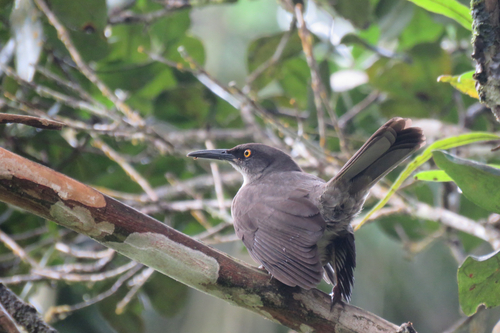
ハイイロフルエドリ (Cinclocerthia gutturalis) ハイイロフルエドリ
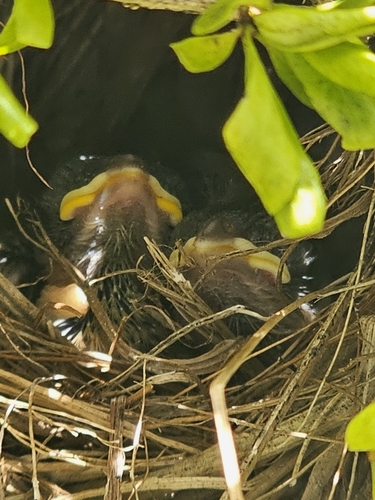
ニショクコメワリ (Melanospiza bicolor) ニショクコメワリ

メディア

読み込み中…

要点

ハイイロフルエドリとニショクコメワリを区別する最も信頼できる方法は、サイズと構造によるものです:フルエドリは大きく、長い尾を持つ、ツグミのような鳥で、わずかに下向きに曲がったくちばしを持っていますが、コメワリは小さく、コンパクトな種子食者で、短く円錐形のくちばしを持っています。成鳥のオスのニショクコメワリは、非常に暗い顔と緑がかった体色をしていますが、メスや幼鳥は地味なオリーブ色で、茶色がかった斑点のある若いハイイロフルエドリと混同されることがあります。飛んでいるときや止まっているときは、全体の体格、くちばしの形、尾の長さに注目してください。幼鳥の羽毛は潜在的な落とし穴ですが、それでもフルエドリのサイズと構造は際立っています。

識別のコツ

  1. Size is the single most reliable mark: ハイイロフルエドリはニショクコメワリに比べて非常に大きく、重さは5倍以上、長さは2倍です。遠くからでも、または光が悪いときでも、フルエドリの体格と長い尾は明らかです。
  2. Bill shape: フルエドリは長く、わずかに下向きに曲がったくちばしを持ち(メスはオスより長い)、探査や引き裂くのに適しています。コメワリは短く、太く、円錐形のくちばしを持ち、種子を食べるフィンチの典型です。くちばしの形は年齢や性別に関係なく診断的です。
  3. Tail length and shape: フルエドリの尾は長く、しばしばわずかに丸みを帯びているか扇状に見えますが、コメワリの尾は短く、四角いです。飛んでいるときや止まっているとき、その違いは際立っています。
  4. Plumage—adult males: オスのニショクコメワリは黒い顔と黒い腹を持ち、緑がかった上面を持っています—フルエドリとは混同されません。フルエドリは決して黒い顔や黒い腹を持ちません。
  5. Plumage—adult females and juveniles: メスと幼鳥のコメワリは地味なオリーブグリーンで、時には下側が茶色がかったり灰色がかったりします。幼鳥のフルエドリは茶色がかり、斑点のある胸を持っていますが、常に大きく、長い尾を持っています。光が悪いと、地味なコメワリは茶色がかって見えることがありますが、構造とサイズは依然としてそれらを区別します。
  6. Face pattern: フルエドリは頭の他の部分よりもやや暗い顔を持っていますが、オスのコメワリのように明確に定義された黒いマスクはありません。メス/幼鳥のコメワリは強いマーキングのない平坦な顔を持っています。
  7. Underparts: フルエドリは淡い白い喉と腹を持ち、茶色がかったオリーブ色の側面を持っています。コメワリのオスは腹が黒いです;メス/幼鳥は平坦なオリーブ色または灰色がかっています。どのコメワリもフルエドリの淡い白い中心を示しません。
  8. Behavior: フルエドリの独特の「震える」動作—翼を垂らし、急速に振動させる—に注目してください。特に興奮したり採餌したりするときに見られます。コメワリはこれを示すことはありません;彼らの翼の振動は短いディスプレイフライトの中だけです。
  9. Habitat: フルエドリは森林の専門家で、しばしば密な覆いまたは樹冠にいます。コメワリは開けた草地や低木のある地域に見られ、森林の奥深くにはめったにいません。視界が悪い場合、文脈が役立つことがあります。
  10. Foraging height: フルエドリは地面から樹冠までの範囲で、しばしば絡まりや着生植物を探る姿が見られます。コメワリはほぼ常に低い位置または地面で、種子を食べています。
  11. Vocalizations: もしバズ音のある強調された歌や柔らかい「ツィップ」という音を聞いたら、それはコメワリです。フルエドリの歌は記載されていないので、静寂はフルエドリの識別には役立ちません。
  12. Leg color: 両方とも暗いピンク色の脚を持っており、区別には役立ちません。
  13. Iris color: 両方とも暗い虹彩を持っており、区別には役立ちません。
  14. Subspecies variation: 一部のコメワリの亜種はより淡いまたは明るいオリーブ色ですが、どれもフルエドリのサイズや構造には及びません。フルエドリの亜種は胸部や側面の色がわずかに異なりますが、常に大きく、構造的に異なります。
  15. Pitfalls: 主な混乱は幼鳥/メスのコメワリと幼鳥のフルエドリの間にあります。最初にサイズ、くちばし、尾の長さを確認してください—これらは決して似ていません。

大きさ

ハイイロフルエドリは劇的に大きく、約69gの重さで、長さは23〜26cmです。それに対して、ニショクコメワリは非常に小さく、わずか7〜13gの重さで、長さは10.2〜11.5cmです。フルエドリはほぼ2倍の長さで、5倍以上の重さがあります。このサイズの違いは、フィールドでも明らかで、遠くからでも、または混成群れの中でも目立ちます。

羽色

行動

ハイイロフルエドリはしばしば絡まりを引き裂いたり、地面から樹冠まで着生植物を探ることで採餌し、その「震える」行動で有名です:翼を垂らし、急速に振動させます。この独特の動作はコメワリでは見られません。ニショクコメワリは主に地面や低い植生で採餌し、しばしば緩いコロニーで見られ、オスは短い空中求愛フライトを行うことがありますが、これらは短く、ディスプレイに関連しており、採餌とは関係ありません。

生息環境

ハイイロフルエドリはマルティニーク島とセントルシアの森林生息地に制限されており、地面から樹冠までの範囲で生息しています。ニショクコメワリは西インド諸島でより広範囲に分布し、開けた地域、草地、低木のあるエッジを好み、しばしば人間の居住地の近くにいます。エッジの生息地での重複は可能ですが、フルエドリは森林の鳥であり、コメワリは開けた国を好みます。

声

ニショクコメワリは特徴的なバズ音のある強調された歌と柔らかい「ツィップ」という呼び声を持っています。ハイイロフルエドリの鳴き声は提供されたメモには記載されていないため、声はコメワリの存在を確認するためにのみ役立ち、フルエドリの識別には役立ちません。

より良い説明を送る

比較と同じ項目を使ってください。文章はすぐに公開されます。

The most reliable way to separate Grey Trembler from Black-faced Grassquit is by size and structure: the trembler is a large, long-tailed, thrush-like bird with a slightly downcurved bill, while the grassquit is a tiny, compact seedeater with a short, conical bill. Adult male Black-faced Grassquits are strikingly dark-faced and greenish, but females and juveniles are drab olive and can be confused with the browner, mottled young Grey Trembler. In flight or perched, focus on overall bulk, bill shape, and tail length. Juvenile plumage is a potential pitfall, but even then, the trembler's size and structure should stand out.

  1. Size is the single most reliable mark: Grey Trembler is massive compared to Black-faced Grassquit—over five times heavier and twice as long. Even at a distance or in poor light, the trembler's bulk and long tail are obvious.
  2. Bill shape: Trembler has a long, slightly downcurved bill (female's longer than male's), suited for probing and tearing. Grassquit has a short, thick, conical bill, classic for seed-eating finches. Bill shape is diagnostic at any age or sex.
  3. Tail length and shape: Trembler's tail is long and often appears slightly rounded or fanned, while grassquit's tail is short and square. In flight or perched, the difference is striking.
  4. Plumage—adult males: Male Black-faced Grassquit is black-faced and black below, with greenish upperparts—no confusion with trembler. Trembler is never black-faced or black-bellied.
  5. Plumage—adult females and juveniles: Female and juvenile grassquits are plain olive-green, sometimes browner or grayer below. Juvenile tremblers are browner with a mottled chest, but always larger and longer-tailed. In poor light, drab grassquits may look browner, but structure and size still separate them.
  6. Face pattern: Trembler has a somewhat darker face than the rest of the head, but never a sharply defined black mask like male grassquit. Female/juvenile grassquits have plain faces with no strong markings.
  7. Underparts: Trembler has a buffy white throat and belly, with browner, olive-tinged flanks. Grassquit males are black below; females/juveniles are plain olive or grayish. No grassquit shows the trembler's buffy white center.
  8. Behavior: Watch for the trembler's unique 'trembling'—wings drooped and vibrated rapidly, especially when agitated or foraging. Grassquits never show this; their wing vibrations are only in brief display flights.
  9. Habitat: Trembler is a forest specialist, often in dense cover or canopy. Grassquit is found in open grassy or shrubby areas, rarely deep in forest. Context can help if the view is poor.
  10. Foraging height: Trembler ranges from ground to canopy, often seen probing in tangles or epiphytes. Grassquit is almost always low or on the ground, feeding on seeds.
  11. Vocalizations: If you hear a buzzy, emphatic song or a soft 'tsip', it's a grassquit. Trembler's song is not described, so silence is not helpful for trembler ID.
  12. Leg color: Both have dusky pinkish legs, not useful for separation.
  13. Iris color: Both have dark irises; not a separating mark.
  14. Subspecies variation: Some grassquit subspecies are paler or brighter olive, but none approach the trembler's size or structure. Trembler subspecies differ slightly in breast and flank color but remain much larger and structurally distinct.
  15. Pitfalls: The main confusion is between juvenile/female grassquits and juvenile tremblers. Always check size, bill, and tail length first—these are never similar.

Grey Trembler is dramatically larger, weighing about 69 g and measuring 23–26 cm in length. In contrast, Black-faced Grassquit is tiny, weighing just 7–13 g and measuring 10.2–11.5 cm. The trembler is nearly twice as long and over five times heavier. This size difference is obvious in the field, even at a distance or in mixed flocks.

  • Juveniles: Young Grey Tremblers are browner overall with a mottled chest, while juvenile Black-faced Grassquits resemble adult females—plain olive-green above and below, sometimes browner or grayer underneath. Both can appear dull and non-descript, but the trembler is always much larger and longer-tailed.

  • Adults: Adult Grey Tremblers are warm gray-brown above with a darker face and wings, buffy white throat and belly, and browner flanks with an olive tinge. Adult male Black-faced Grassquits are unmistakable: black head, throat, and underparts with greenish upperparts, wings, and tail. Adult females are drab olive-green above and below, lacking any black on the face or underparts. Subspecies variation in grassquits can affect brightness and underpart color, but never approaches the trembler's size or structure.

  • Flight/wing pattern: No distinctive upperwing or flight pattern marks are described for either species in any age; separation relies on structure and overall coloration.

Grey Trembler often forages by tearing open tangles and probing epiphytes from ground to canopy, and is famous for its 'trembling' behavior: wings drooped and rapidly vibrated. This unique motion is not seen in grassquits. Black-faced Grassquits feed mostly on the ground or low vegetation, often in loose colonies, and males may perform short aerial courtship flights with wing vibrations, but these are brief and associated with display, not foraging.

Grey Trembler is restricted to forested habitats on Martinique and Saint Lucia, ranging from ground level to canopy. Black-faced Grassquit is much more widespread in the West Indies and prefers open areas, grassy fields, and shrubby edges, often near human habitation. Overlap is possible in edge habitats, but the trembler is a forest bird, while the grassquit favors open country.

Black-faced Grassquit has a distinctive buzzy, emphatic song and a soft 'tsip' call. Grey Trembler's vocalizations are not described in the provided notes, so voice is only useful for confirming grassquit presence, not for identifying the trembler.

変更を破棄しますか?

保存していない編集があります。今離れると失われます。

ハイイロフルエドリ · ニショクコメワリ · 苦手な鳥