

Gray Trembler vs Black-faced Grassquit
Cinclocerthia gutturalis contro Melanospiza bicolor
Fai un quiz con Gray Trembler e Black-faced Grassquit
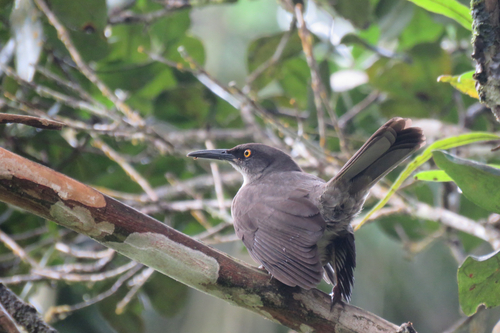 Gray Trembler
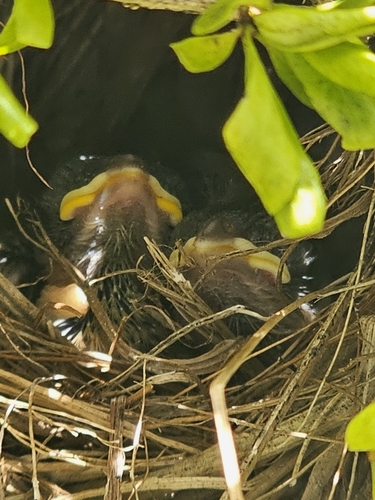 Black-faced Grassquit
In breve
Il modo più affidabile per separare il Gray Trembler dal Black-faced Grassquit è attraverso la dimensione e la struttura: il trembler è un grande uccello simile a un tordo, con una lunga coda e un becco leggermente ricurvo, mentre il grassquit è un piccolo e compatto mangiatore di semi con un becco corto e conico. I maschi adulti di Black-faced Grassquit hanno un volto scuro e verde, ma le femmine e i giovani sono di un verde oliva spento e possono essere confusi con i giovani Gray Trembler, più marroni e maculati. In volo o posati, concentrati sulla massa complessiva, la forma del becco e la lunghezza della coda. Il piumaggio giovanile è una potenziale trappola, ma anche in quel caso, la dimensione e la struttura del trembler dovrebbero risaltare.
Consigli di identificazione
- La dimensione è il segno più affidabile: Il Gray Trembler è massiccio rispetto al Black-faced Grassquit—oltre cinque volte più pesante e due volte più lungo. Anche a distanza o in scarsa luce, la massa e la lunga coda del trembler sono ovvie.
- Forma del becco: Il trembler ha un becco lungo e leggermente ricurvo (quello della femmina è più lungo di quello del maschio), adatto per sondare e strappare. Il grassquit ha un becco corto, spesso e conico, classico per i fringillidi mangiatori di semi. La forma del becco è diagnostica a qualsiasi età o sesso.
- Lunghezza e forma della coda: La coda del trembler è lunga e spesso appare leggermente arrotondata o a ventaglio, mentre la coda del grassquit è corta e quadrata. In volo o posato, la differenza è evidente.
- Piumaggio—maschi adulti: Il maschio di Black-faced Grassquit ha il volto nero e il ventre nero, con parti superiori verdastre—nessuna confusione con il trembler. Il trembler non ha mai il volto nero o il ventre nero.
- Piumaggio—femmine e giovani adulti: Le femmine e i giovani grassquit sono di un verde oliva semplice, a volte più marroni o grigi sotto. I giovani trembler sono più marroni con un petto maculato, ma sempre più grandi e con coda più lunga. In scarsa luce, i grassquit spenti possono sembrare più marroni, ma la struttura e la dimensione li separano comunque.
- Schema del volto: Il trembler ha un volto leggermente più scuro rispetto al resto della testa, ma non ha mai una maschera nera ben definita come il maschio del grassquit. Le femmine/giovani grassquit hanno volti semplici senza marcature forti.
- Parte inferiore: Il trembler ha una gola e un ventre bianco crema, con fianchi marroni e con una sfumatura oliva. I maschi di grassquit sono neri sotto; le femmine/giovani sono di un verde oliva semplice o grigiastro. Nessun grassquit mostra il centro bianco crema del trembler.
- Comportamento: Osserva il 'tremolio' unico del trembler—le ali abbassate e vibrate rapidamente, specialmente quando è agitato o cerca cibo. I grassquit non mostrano mai questo; le loro vibrazioni alari sono solo in brevi voli di esibizione.
- Habitat: Il trembler è uno specialista della foresta, spesso in copertura densa o nella chioma. Il grassquit si trova in aree aperte erbose o cespugliose, raramente in profondità nella foresta. Il contesto può aiutare se la vista è scarsa.
- Altezza di foraggiamento: Il trembler si muove dal suolo alla chioma, spesso visto sondare in grovigli o epifite. Il grassquit è quasi sempre basso o a terra, nutrendosi di semi.
- Vocalizzazioni: Se senti un canto ronzante ed enfatico o un morbido 'tsip', è un grassquit. Il canto del trembler non è descritto, quindi il silenzio non è utile per identificare il trembler.
- Colore delle gambe: Entrambi hanno gambe di un rosa scuro, non utili per la separazione.
- Colore dell'iride: Entrambi hanno iridi scure; non è un segno distintivo.
- Variazione delle sottospecie: Alcune sottospecie di grassquit sono più chiare o di un verde oliva più brillante, ma nessuna si avvicina alla dimensione o alla struttura del trembler. Le sottospecie di trembler differiscono leggermente nel colore del petto e dei fianchi, ma rimangono molto più grandi e strutturalmente distintive.
- Trappole: La principale confusione è tra i grassquit giovanili/femminili e i trembler giovanili. Controlla sempre prima la dimensione, il becco e la lunghezza della coda—questi non sono mai simili.
Taglia
Il Gray Trembler è drammaticamente più grande, pesando circa 69 g e misurando 23–26 cm di lunghezza. Al contrario, il Black-faced Grassquit è minuscolo, pesando solo 7–13 g e misurando 10.2–11.5 cm. Il trembler è quasi due volte più lungo e oltre cinque volte più pesante. Questa differenza di dimensione è ovvia sul campo, anche a distanza o in stormi misti.
Piumaggio
-
Giovani: I giovani Gray Trembler sono complessivamente più marroni con un petto maculato, mentre i giovani Black-faced Grassquit assomigliano a femmine adulte—semplici verdi-oliva sopra e sotto, a volte più marroni o grigi sotto. Entrambi possono apparire opachi e poco distintivi, ma il trembler è sempre molto più grande e con coda più lunga.
-
Adulti: Gli adulti Gray Trembler sono di un grigio-marrone caldo sopra con un volto e ali più scuri, gola e ventre bianco crema, e fianchi più marroni con una sfumatura oliva. I maschi adulti di Black-faced Grassquit sono inconfondibili: testa, gola e parti inferiori nere con parti superiori, ali e coda verdastre. Le femmine adulte sono di un verde oliva spento sopra e sotto, senza alcun nero sul volto o sulle parti inferiori. La variazione delle sottospecie nei grassquit può influenzare la luminosità e il colore delle parti inferiori, ma non si avvicina mai alla dimensione o alla struttura del trembler.
-
Schema di volo/ali: Non sono descritti segni distintivi per il pattern delle ali superiori o di volo per nessuna delle due specie a qualsiasi età; la separazione si basa sulla struttura e sulla colorazione complessiva.
Comportamento
Il Gray Trembler spesso cerca cibo strappando grovigli e sondando epifite dal suolo alla chioma, ed è famoso per il suo comportamento di 'tremolio': ali abbassate e vibrate rapidamente. Questo movimento unico non è visto nei grassquit. I Black-faced Grassquit si nutrono principalmente a terra o in vegetazione bassa, spesso in colonie sparse, e i maschi possono eseguire brevi voli di corteggiamento aerei con vibrazioni alari, ma questi sono brevi e associati a esibizioni, non a foraggiamento.
Habitat
Il Gray Trembler è limitato a habitat forestali a Martinica e Saint Lucia, variando dal livello del suolo alla chioma. Il Black-faced Grassquit è molto più diffuso nelle Indie Occidentali e preferisce aree aperte, campi erbosi e margini cespugliosi, spesso vicino a insediamenti umani. È possibile un sovrapposizione negli habitat di margine, ma il trembler è un uccello di foresta, mentre il grassquit predilige il paese aperto.
Voce
Il Black-faced Grassquit ha un canto distintivo ronzante ed enfatico e un morbido richiamo 'tsip'. Le vocalizzazioni del Gray Trembler non sono descritte nelle note fornite, quindi la voce è utile solo per confermare la presenza del grassquit, non per identificare il trembler.
Gray Trembler · Black-faced Grassquit · I miei uccelli difficili