

Motmot

ハイガシラアホウドリ 対 ハジロアホウドリ

Thalassarche chrysostoma 対 Thalassarche cauta

ハイガシラアホウドリとハジロアホウドリのクイズ
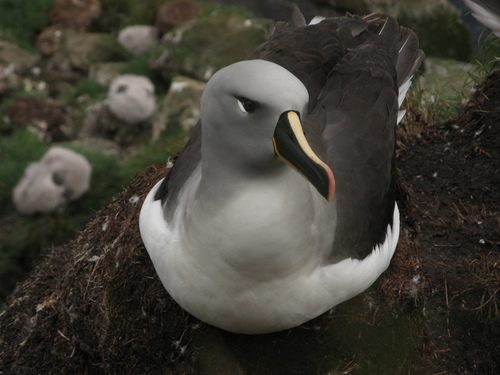
ハイガシラアホウドリ (Thalassarche chrysostoma) ハイガシラアホウドリ
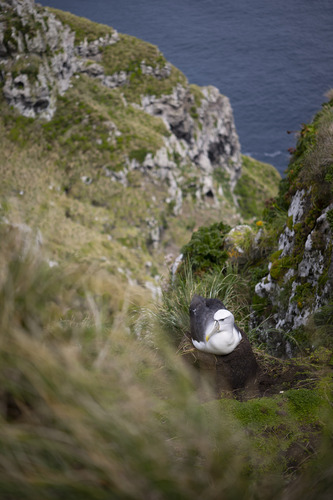
ハジロアホウドリ (Thalassarche cauta) ハジロアホウドリ

メディア

読み込み中…

要点

ハイガシラアホウドリとハジロアホウドリを区別する最も信頼できるフィールドマークは、頭部とくちばしです:成鳥のハイガシラは均一な灰色の頭と首を持ち、明るい黄色の縁取りがある黒いくちばしと鋭く対照的です。一方、成鳥のハジロは白い冠と額、淡い灰色の顔、黄色いクルメンと先端を持つ灰黄色のくちばしを持っています。飛行中、ハイガシラの下翼は白く、前縁に広範囲の黒があります(幼鳥ではほぼ完全に暗いです)。ハジロは下翼の前縁の基部に特徴的な黒い「親指マーク」を示します。幼鳥のハイガシラアホウドリは全体的に暗く、ほぼ完全に暗い下翼と不明瞭な目の三日月を持ち、幼鳥のハジロは顔が淡いです。両者は大きなモリマウクですが、ハジロの方がやや大きく、がっしりとしています。生息地と範囲は海で重なりますが、繁殖地は異なり、知られている場合は文脈が役立つかもしれません。

識別のコツ

  1. Head Color (All Ages): 成鳥のハイガシラアホウドリは均一な灰色の頭、喉、首を持ち、白い体と鋭く対照的です。ハジロアホウドリの成鳥は白い冠と額、淡い灰色の顔、暗い眉を持ち、決して均一な灰色の頭を持ちません。

  2. Bill Pattern (All Ages): ハイガシラは明るい黄色のリッジとピンクオレンジの先端を持つ黒いくちばしを持っています。ハジロのくちばしは灰黄色で、目立つ黄色のクルメンと黄色の先端を持っています。くちばしの色は、近距離や良い光の下で特に役立ちます。

  3. Underwing Pattern (Juveniles): 幼鳥のハイガシラアホウドリはほぼ完全に暗い下翼を持ち、白はほとんどなく、暗い頭を持っています。幼鳥のハジロは顔が淡く、成鳥の白い下翼の始まりを示し、前縁の基部に黒い親指マークがあります。非常に暗い下翼と頭を見たら、ハイガシラを考えてください。

  4. Underwing Pattern (Adults): ハイガシラの成鳥は、前縁に広範囲の黒があり、後縁には少ない白い下翼を示します。ハジロの成鳥は、前縁の基部に特徴的な黒い「親指マーク」がある白い下翼を持っていますが、全体的にはハイガシラよりも黒が少ないです。親指マークはハジロの重要なフィールドマークです。

  5. Eye Crescent: ハイガシラの成鳥は目の後ろに白い三日月を持ち、幼鳥では不明瞭または欠如しています。ハジロはこの特徴がなく、代わりに白い冠の下に暗い眉を示します。

  6. Face Pattern: ハジロは常に白い冠と額を持ち、淡い灰色の顔と暗い眉を持っています。ハイガシラは白い冠や眉を持たず、頭は均一に灰色です。

  7. Upperparts: 両種は暗い上翼、マントル、尾を持っていますが、ハイガシラのものはほぼ黒く、ハジロのものは灰黒です。これは微妙で、海では常に信頼できるわけではありません。

  8. Rump and Underparts: 両者は白い尾と腹部を持ち、区別には役立ちません。

  9. Size and Structure: ハジロはやや大きく(90–99 cm対81 cm)、より広く、重い外観を持っていますが、これは直接比較や経験がないと明らかではありません。

  10. Jizz in Flight: 両者は海上を低く滑空し、似たような飛行スタイルを持っています。構造は信頼できる区別ではありません。

  11. Habitat/Range: 繁殖しているのが見られた場合、場所は診断的です:ハイガシラは南極海の亜南極諸島で繁殖し、ハジロはタスマニアの三つの島でのみ繁殖します。海上では、両者は広く分布し、重なります。

  12. Juvenile Pitfalls: 幼鳥のハイガシラは他の暗い頭のモリマウクと間違えられることがありますが、暗い頭、暗いくちばし、ほぼ完全に暗い下翼の組み合わせは独特です。幼鳥のハジロは顔が淡く、成鳥の白い冠を示し始めます。

  13. Bill Color in Juveniles: 幼鳥のハイガシラは黒いくちばしを持っています。ハジロの幼鳥は淡い灰色のくちばしを持っていますが、これは微妙な場合があります。

  14. Season/Sex: 両種に強い性的二形や季節的変異はなく、年齢が識別においてより重要です。

  15. When in Doubt: 特に飛行中は、頭の色と下翼のパターンを優先してください。均一な灰色の頭と下翼の広範囲の黒を見たら、それはハイガシラです。冠が白く、下翼に黒い親指マークがある場合、それはハジロです。

大きさ

ハジロアホウドリは二種の中で大きく、平均して90–99 cmの長さと220–256 cmの翼幅を持ち、平均体重は約4.1 kgです[ウィキペディア]。ハイガシラアホウドリはやや小さく、平均81 cmの長さ、2.2 mの翼幅、平均質量は3.65 kgです[ウィキペディア]。現場では、このサイズの違いは微妙で、鳥が並んでいないと明らかではありませんが、ハジロはしばしばよりがっしりとしており、翼が長く見えます。

羽色

行動

両種は飛行中の典型的なモリマウクで、動的な滑空を使用し、海上を低く滑空します。ハジロアホウドリはやや重く、広い翼を持っているように見えるかもしれませんが、飛行スタイルは非常に似ており、信頼できる区別ではありません。両者は繁殖以外では非常に海洋性で、コロニーを除いて陸に近くで見ることはほとんどありません。

生息環境

ハイガシラアホウドリは南極海の孤立した島々、特にサウスジョージアと亜南極諸島で繁殖し、他のモリマウクよりも南で採餌し、しばしば南極極前線域の内側または南側にいます[ウィキペディア]。ハジロアホウドリはオーストラリアのタスマニアの三つの島で繁殖する固有種ですが、南インド洋や時折太平洋と南大西洋を含む海上で広く分布します。海上では、両者は重なることがありますが、繁殖の文脈が知られている場合は診断的です。

より良い説明を送る

比較と同じ項目を使ってください。文章はすぐに公開されます。

The most reliable field mark to separate Grey-headed Albatross from White-capped Albatross is the head and bill: adult Grey-headed shows a uniform ashy-grey head and neck with a sharply contrasting black bill edged in bright yellow, while adult White-capped has a white crown and forehead, pale grey face, and a grey-yellow bill with a yellow culmen and tip. In flight, the underwing of Grey-headed is white with extensive black on the leading edge (almost entirely dark in juveniles), whereas White-capped shows a distinctive black 'thumb mark' at the base of the underwing’s leading edge. Juvenile Grey-headed Albatrosses are darker overall, with a nearly all-dark underwing and indistinct eye crescent, while juvenile White-capped are paler-faced. Both are large mollymawks, but White-capped is slightly larger and bulkier. Habitat and range overlap at sea, but breeding sites are distinct, and context may help if known.

  1. Head Color (All Ages): Adult Grey-headed Albatross has a uniform ashy-grey head, throat, and neck, sharply contrasting with its white body. White-capped Albatross adults have a white crown and forehead, pale grey face, and a dark eyebrow—never a uniform grey head.

  2. Bill Pattern (All Ages): Grey-headed has a black bill with bright yellow ridges and a pink-orange tip; White-capped's bill is grey-yellow with a prominent yellow culmen and yellow tip. Bill color is especially useful at close range or in good light.

  3. Underwing Pattern (Juveniles): Juvenile Grey-headed Albatrosses have an almost entirely dark underwing, with little to no white, and a dark head. Juvenile White-capped are paler-faced and show the beginnings of the adult's white underwing with a black thumb mark at the base of the leading edge. If you see a very dark underwing and head, think Grey-headed.

  4. Underwing Pattern (Adults): Grey-headed adults show a white underwing with extensive black along the leading edge and less on the trailing edge. White-capped adults have a white underwing with a distinct black 'thumb mark' at the base of the leading edge, but less black overall than Grey-headed. The thumb mark is a key field mark for White-capped.

  5. Eye Crescent: Grey-headed adults have a white crescent behind the eye, which is indistinct or absent in juveniles. White-capped lacks this feature, instead showing a dark eyebrow below the white crown.

  6. Face Pattern: White-capped always shows a white crown and forehead, with a pale grey face and dark eyebrow. Grey-headed never shows a white crown or eyebrow; its head is uniformly grey.

  7. Upperparts: Both species have dark upperwings, mantle, and tail, but Grey-headed's are almost black, while White-capped's are grey-black. This is subtle and not always reliable at sea.

  8. Rump and Underparts: Both have white rumps and underparts, not useful for separation.

  9. Size and Structure: White-capped is slightly larger (90–99 cm vs. 81 cm), with a broader, heavier look, but this is only apparent with direct comparison or experience.

  10. Jizz in Flight: Both soar low over the ocean with similar flight style; structure is not a reliable separator.

  11. Habitat/Range: If seen breeding, location is diagnostic: Grey-headed breeds on subantarctic islands throughout the Southern Ocean; White-capped only on three Tasmanian islands. At sea, both range widely and overlap.

  12. Juvenile Pitfalls: Juvenile Grey-headed can be mistaken for other dark-headed mollymawks, but the combination of a dark head, dark bill, and nearly all-dark underwing is distinctive. Juvenile White-capped are paler-faced and begin to show the adult's white crown.

  13. Bill Color in Juveniles: Juvenile Grey-headed has a black bill; White-capped juveniles have a paler, greyish bill, but this can be subtle.

  14. Season/Sex: No strong sexual dimorphism or seasonal variation in either species; age is more important for identification.

  15. When in Doubt: Prioritize head color and underwing pattern, especially in flight. If you see a uniform grey head and extensive black on the underwing, it is Grey-headed. If the crown is white and the underwing shows a black thumb mark, it is White-capped.

White-capped Albatross is the larger of the two, averaging 90–99 cm in length and 220–256 cm wingspan, with a mean weight of about 4.1 kg [wikipedia]. Grey-headed Albatross is slightly smaller, averaging 81 cm in length, 2.2 m wingspan, and a mean mass of 3.65 kg [wikipedia]. In the field, this size difference is subtle and may not be obvious unless birds are side by side, but White-capped often appears bulkier and longer-winged.

  • Juveniles/immatures: Juvenile Grey-headed Albatrosses are very dark overall, with a black bill and head, darker nape, and an underwing that is almost completely dark. The white eye crescent is indistinct or absent. Juvenile White-capped Albatrosses, while not described in detail here, are typically paler-faced and show the beginnings of the adult's white crown and pale face, lacking the uniform dark head of juvenile Grey-headed.

  • Adults: Adult Grey-headed Albatrosses have a uniform ashy-grey head, throat, and upper neck, with a white crescent behind the eye and a striking black bill with yellow ridges and a pink-orange tip. The upperwings, mantle, and tail are almost black, contrasting with the white rump and underparts. The underwing is white with extensive black on the leading edge and less on the trailing edge. Adult White-capped Albatrosses have a white forehead and crown, a pale grey face bordered below by a dark eyebrow, and a grey-yellow bill with a prominent yellow culmen and tip. The upperwing, mantle, and tail are grey-black, and the underwing is white with a distinctive black 'thumb mark' at the base of the leading edge. The rest of the underwing is less extensively marked than in Grey-headed.

  • Bill: Grey-headed: black with bright yellow ridges and pink-orange tip. White-capped: grey-yellow with yellow culmen and tip.

Both species are typical mollymawks in flight, using dynamic soaring and gliding low over the ocean. White-capped Albatross may appear slightly heavier and broader-winged, but flight style is very similar and not a reliable separation. Both are highly pelagic outside breeding, rarely seen near land except at colonies.

Grey-headed Albatross breeds on isolated islands throughout the Southern Ocean, especially South Georgia and subantarctic islands, and forages further south than any other mollymawk, often within or south of the Antarctic Polar Frontal Zone [wikipedia]. White-capped Albatross is endemic as a breeder to three islands off Tasmania, Australia, but ranges widely at sea, including the southern Indian Ocean and occasionally the Pacific and South Atlantic. At sea, both can overlap, but breeding context is diagnostic if known.

変更を破棄しますか?

保存していない編集があります。今離れると失われます。

ハイガシラアホウドリ · ハジロアホウドリ · 苦手な鳥