

Motmot

ベニサンショウクイ 対 チャイロサンショウクイ

Pericrocotus solaris 対 Pericrocotus cantonensis

ベニサンショウクイとチャイロサンショウクイのクイズ
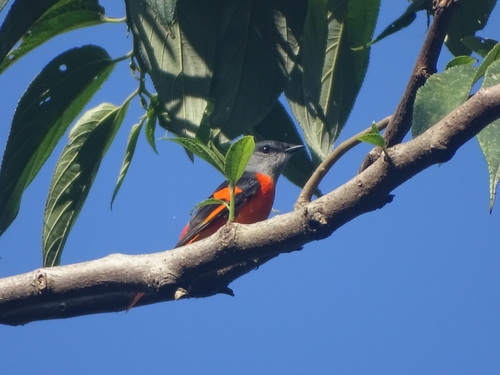
ベニサンショウクイ (Pericrocotus solaris) ベニサンショウクイ
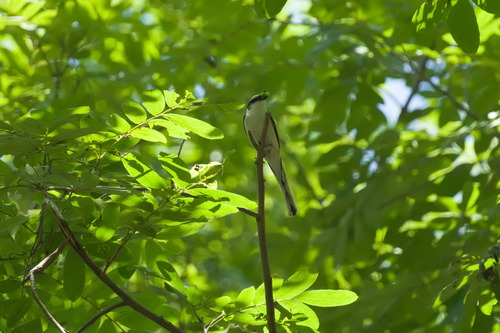
チャイロサンショウクイ (Pericrocotus cantonensis) チャイロサンショウクイ

メディア

読み込み中…

要点

ベニサンショウクイとチャイロサンショウクイを区別する最も信頼できるフィールドマークは、腹部と尾羽の色と分布です:ベニサンショウクイのオスは明るいオレンジ色の腹部と尾羽を示し、メスと幼鳥はすべての羽衣で対照的な淡い灰色の顎を持つ明るい黄色の腹部を持っています。対照的に、チャイロサンショウクイはこの組み合わせを欠いており、茶色がかった尾羽で最もよく知られています(この種の詳細な羽衣は利用可能なメモには記載されていません)。両種は性による二形性を示しますが、ベニサンショウクイのみが両性および幼鳥について詳細に記述されています。もし、特にヒマラヤから台湾または東南アジアの山地の森で、明確に淡い灰色の顎とオレンジまたは黄色の腹部を持つミニベットを見た場合、それはおそらくGrey-chinnedです。チャイロサンショウクイは中国とインドシナにより制限されており、灰色の顎やそのような明るい腹部を持つとは記載されていません。

識別のコツ

  1. 淡い灰色の顎:ベニサンショウクイのみがすべての羽衣で明確に淡い灰色の顎を示します;チャイロサンショウクイは示しません。
  2. 腹部の色:成鳥のオスのベニサンショウクイはオレンジ色の腹部と尾羽を持ち、メスと幼鳥は明るい黄色の腹部を持っています。チャイロサンショウクイはそのような明るいまたは広範なオレンジ/黄色の腹部を持つとは記載されていません。
  3. 性による二形性:Grey-chinnedでは、オスは腹部がオレンジ色、メスは黄色です;Brown-rumpedも二形性ですが、主要な色の対比は利用可能なメモには記載されていません。
  4. 幼鳥の羽衣:幼鳥のベニサンショウクイは背中に黄色-オリーブのバーを持ち、よく見ればBrown-rumpedと区別するのに役立ちます。
  5. 尾羽の色:チャイロサンショウクイは茶色がかった尾羽のために名付けられており、良好な視界や飛行中に見えることがあります;Grey-chinnedは腹部に合ったオレンジまたは黄色の尾羽を持っています。
  6. 頭部と背中:ベニサンショウクイのオスは暗い灰色の頭部と背中を持ち、オレンジまたは黄色の腹部と対照的です;Brown-rumpedの頭部のパターンは詳細には記載されていませんが、灰色の顎がないことが重要です。
  7. 翼のパターン:ベニサンショウクイは黒っぽい翼を持ち、より大きな覆羽の先端にオレンジまたは黄色の先端があります;チャイロサンショウクイの特定の翼のパターンは記載されていません。
  8. くちばし、脚、目:両種は黒いくちばし、脚、目を持っています;区別には役立ちません。
  9. サイズと構造:両者はサイズと形状が似ています;これをフィールドでの区別に頼らないでください。
  10. 生息地と範囲:ヒマラヤから台湾または東南アジアの山地の森(1,000–2,000 m)で見られた場合、Grey-chinnedの可能性が高いです。低地の中国やインドシナ、特に繁殖期以外では、Brown-rumpedを考慮してください。
  11. 季節的文脈:チャイロサンショウクイは中国で繁殖し、インドシナで越冬します;Grey-chinnedは山地の森に常駐または高度移動する移動性です。
  12. 群れの構成:両種は混合ミニベットの群れに参加することがあります;Grey-chinnedを見分けるために灰色の顎とオレンジ/黄色の腹部の組み合わせを探してください。
  13. 独特な飛行または上翼のパターンはない:どちらの種も独特な幼鳥または初冬の上翼のパターンを持つとは記載されていないため、頭部と腹部の色に焦点を当ててください。
  14. 落とし穴:両種のメスと幼鳥は混同される可能性がありますが、Grey-chinnedのみが幼鳥に淡い灰色の顎と黄色-オリーブの背中のバーを示します。
  15. 疑わしい場合:もし淡い灰色の顎と明るいオレンジまたは黄色の腹部を持つミニベットを見た場合、特に山地の森で、それはほぼ確実にベニサンショウクイです。

大きさ

ベニサンショウクイは長さ17–19 cmで、平均して約14 gの重さです [wikidata]。チャイロサンショウクイの直接的な測定値は利用できませんが、両者は同じ属に属し、サイズと構造は似ている可能性があります。フィールドでは、サイズはこれら二つのミニベットの間で信頼できる区別ではありません。

羽色

年齢と性別について:ベニサンショウクイのオスは暗い灰色の頭部と背中、淡い灰色の顎、オレンジ-黄色の喉、黒っぽい翼、オレンジの腹部、下背部、より大きな覆羽の先端を持っています。メスはオレンジを明るい黄色に置き換えます。幼鳥はメスに似ていますが、背中に黄色-オリーブのバーを持っています。すべての年齢と性別に共通する重要な特徴は淡い灰色の顎であり、これは比較の中でこの種に特有です。チャイロサンショウクイの羽衣はメモに詳細には記載されていませんが、その名前は茶色がかった尾羽を示唆しており、灰色の顎やGrey-chinnedの明るいオレンジ/黄色の腹部については言及されていません。どちらの種についても、独特な幼鳥または初冬の上翼のパターンは提供された情報源には記載されていません。

行動

利用可能なメモには行動の違いは記載されていません。両者はおそらく、活発で樹冠を採餌するミニベットとして似たように行動するでしょう。

生息環境

ベニサンショウクイはヒマラヤから中国、台湾、東南アジアの1,000–2,000 mの森林に生息しています。チャイロサンショウクイは中国で繁殖し、インドシナで越冬し、山地の森の特化については言及されていません。したがって、Grey-chinnedは高地の森林でより可能性が高く、Brown-rumpedは中国とインドシナの低地で、特に繁殖期以外でより可能性があります。

より良い説明を送る

比較と同じ項目を使ってください。文章はすぐに公開されます。

The most reliable field mark to separate Grey-chinned Minivet from Brown-rumped Minivet is the color and distribution of the underparts and rump: Grey-chinned Minivet males show bright orange underparts and rump, while females and immatures are bright yellow below, with a contrasting pale grey chin in all plumages. Brown-rumped Minivet, in contrast, lacks this combination and is best known for its brownish rump (though detailed plumage for this species is not described in the available notes). Both species are sexually dimorphic, but only Grey-chinned Minivet is described in detail for both sexes and immatures. If you see a minivet with a distinctly pale grey chin and orange or yellow underparts, especially in montane forest from the Himalayas to Taiwan or Southeast Asia, it is likely Grey-chinned. Brown-rumped Minivet is more restricted to China and Indochina, and is not described as having a grey chin or such bright underparts.

  1. Pale grey chin: Only Grey-chinned Minivet shows a distinctly pale grey chin in all plumages; Brown-rumped Minivet does not.
  2. Underparts color: Adult male Grey-chinned Minivet has orange underparts and rump; females and immatures are bright yellow below. Brown-rumped Minivet is not described as having such bright or extensive orange/yellow underparts.
  3. Sexual dimorphism: In Grey-chinned, males are orange below, females yellow; Brown-rumped is also dimorphic, but the key color contrasts are not described in the available notes.
  4. Immature plumage: Immature Grey-chinned Minivets have yellow-olive bars on the back, which can help separate them from Brown-rumped if seen well.
  5. Rump color: Brown-rumped Minivet is named for its brownish rump, which may be visible in good views or in flight; Grey-chinned has an orange or yellow rump matching the underparts.
  6. Head and mantle: Grey-chinned Minivet males have a dark grey head and mantle, which contrasts with the orange or yellow underparts; Brown-rumped's head pattern is not detailed, but lack of a grey chin is key.
  7. Wing pattern: Grey-chinned Minivet has blackish wings with orange or yellow tips to the greater coverts; no specific wing pattern is described for Brown-rumped Minivet.
  8. Bill, legs, and eyes: Both species have black bills, legs, and eyes; not useful for separation.
  9. Size and structure: Both are similar in size and shape; do not rely on this for field separation.
  10. Habitat and range: If seen in montane forest (1,000–2,000 m) from the Himalayas to Taiwan or Southeast Asia, Grey-chinned is more likely. In lowland China or Indochina, especially outside breeding season, consider Brown-rumped.
  11. Seasonal context: Brown-rumped Minivet breeds in China and winters in Indochina; Grey-chinned is resident or altitudinal migrant in montane forests.
  12. Flock composition: Both species may join mixed minivet flocks; look for the combination of grey chin and orange/yellow underparts to pick out Grey-chinned.
  13. No distinctive flight or upperwing pattern: Neither species is described as having a unique juvenile or first-winter upperwing pattern, so focus on head and underparts color.
  14. Pitfalls: Females and immatures of both species may be confused, but only Grey-chinned shows the pale grey chin and yellow-olive back bars in immatures.
  15. When in doubt: If you see a minivet with a pale grey chin and bright orange or yellow underparts, especially in montane forest, it is almost certainly Grey-chinned Minivet.

Grey-chinned Minivet is 17–19 cm in length and weighs about 14 g on average [wikidata]. No direct measurements are available for Brown-rumped Minivet, but both are in the same genus and are likely similar in size and structure. In the field, size is not a reliable separator between these two minivets.

For age and sex: Grey-chinned Minivet males have a dark grey head and mantle, a pale grey chin, orange-yellow throat, blackish wings, and orange underparts, lower back, and greater covert tips. Females replace the orange with bright yellow. Immatures resemble females but have yellow-olive bars on the back. The key feature across all ages and sexes is the pale grey chin, which is unique to this species in the comparison. Brown-rumped Minivet's plumage is not described in detail in the notes, but the name suggests a brownish rump, and it lacks mention of a grey chin or the bright orange/yellow underparts of Grey-chinned. No distinctive juvenile or first-winter upperwing pattern is described for either species in the sources provided.

No behavioral differences are described in the available notes. Both are likely to behave similarly as active, canopy-foraging minivets, often in small flocks.

Grey-chinned Minivet is found in forests at 1,000–2,000 m elevation from the Himalayas through China, Taiwan, and Southeast Asia. Brown-rumped Minivet breeds in China and winters in Indochina, with no mention of montane forest specialization. Thus, Grey-chinned is more likely in higher elevation forests, while Brown-rumped is more likely at lower elevations in China and Indochina, especially outside the breeding season.

変更を破棄しますか?

保存していない編集があります。今離れると失われます。

ベニサンショウクイ · チャイロサンショウクイ · 苦手な鳥