

Gray-chinned Minivet vs Brown-rumped Minivet
Pericrocotus solaris contro Pericrocotus cantonensis
Fai un quiz con Gray-chinned Minivet e Brown-rumped Minivet
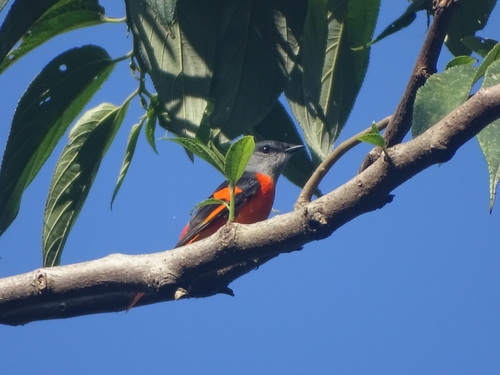 Gray-chinned Minivet
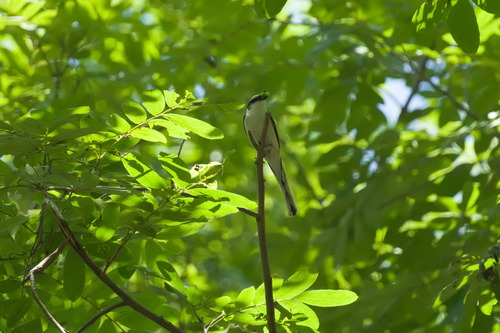 Brown-rumped Minivet
In breve
Il segno di campo più affidabile per separare il Gray-chinned Minivet dal Brown-rumped Minivet è il colore e la distribuzione delle parti inferiori e del sopracciglio: i maschi di Gray-chinned Minivet mostrano parti inferiori e sopracciglio arancioni brillanti, mentre le femmine e gli immaturi sono gialli brillanti sotto, con un contrastante mento grigio chiaro in tutte le livree. Il Brown-rumped Minivet, al contrario, manca di questa combinazione ed è meglio conosciuto per il suo sopracciglio bruno (anche se la livrea dettagliata per questa specie non è descritta nelle note disponibili). Entrambe le specie sono sessualmente dimorfiche, ma solo il Gray-chinned Minivet è descritto in dettaglio per entrambi i sessi e gli immaturi. Se vedi un minivet con un mento grigio chiaro distintivo e parti inferiori arancioni o gialle, specialmente nella foresta montana dall'Himalaya a Taiwan o nel Sud-est asiatico, è probabile che sia un Grey-chinned. Il Brown-rumped Minivet è più ristretto alla Cina e all'Indocina e non è descritto come avente un mento grigio o parti inferiori così brillanti.
Consigli di identificazione
- Mento grigio chiaro: Solo il Gray-chinned Minivet mostra un mento grigio chiaro distintivo in tutte le livree; il Brown-rumped Minivet no.
- Colore delle parti inferiori: Il maschio adulto di Gray-chinned Minivet ha parti inferiori e sopracciglio arancioni; le femmine e gli immaturi sono gialli brillanti sotto. Il Brown-rumped Minivet non è descritto come avente parti inferiori arancioni/gialle così brillanti o estese.
- Dimorfismo sessuale: Nel Grey-chinned, i maschi sono arancioni sotto, le femmine gialle; il Brown-rumped è anch'esso dimorfico, ma i contrasti di colore chiave non sono descritti nelle note disponibili.
- Livrea immatura: Gli immaturi di Gray-chinned Minivet hanno barre giallo-oliva sulla schiena, che possono aiutare a separarli dal Brown-rumped se visti bene.
- Colore del sopracciglio: Il Brown-rumped Minivet è chiamato per il suo sopracciglio bruno, che può essere visibile in buone viste o in volo; il Grey-chinned ha un sopracciglio arancione o giallo che corrisponde alle parti inferiori.
- Testa e mantello: I maschi di Gray-chinned Minivet hanno una testa e un mantello grigio scuro, che contrastano con le parti inferiori arancioni o gialle; il modello della testa del Brown-rumped non è dettagliato, ma la mancanza di un mento grigio è chiave.
- Modello delle ali: Il Gray-chinned Minivet ha ali nerastre con punte arancioni o gialle sulle copritrici maggiori; non è descritto alcun modello specifico delle ali per il Brown-rumped Minivet.
- Becco, zampe e occhi: Entrambe le specie hanno becchi, zampe e occhi neri; non utili per la separazione.
- Dimensioni e struttura: Entrambi sono simili in dimensioni e forma; non fare affidamento su questo per la separazione sul campo.
- Habitat e distribuzione: Se visti nella foresta montana (1.000–2.000 m) dall'Himalaya a Taiwan o nel Sud-est asiatico, è più probabile che sia un Grey-chinned. Nella Cina di pianura o in Indocina, specialmente al di fuori della stagione di riproduzione, considera il Brown-rumped.
- Contesto stagionale: Il Brown-rumped Minivet nidifica in Cina e sverna in Indocina; il Grey-chinned è residente o migrante altitudinale nelle foreste montane.
- Composizione del gruppo: Entrambe le specie possono unirsi a gruppi misti di minivet; cerca la combinazione di mento grigio e parti inferiori arancioni/gialle per individuare il Grey-chinned.
- Nessun modello distintivo di volo o di ala superiore: Nessuna delle due specie è descritta come avente un modello unico di ala superiore giovanile o di primo inverno, quindi concentrati sul colore della testa e delle parti inferiori.
- Trappole: Le femmine e gli immaturi di entrambe le specie possono essere confusi, ma solo il Grey-chinned mostra il mento grigio chiaro e le barre giallo-oliva sulla schiena negli immaturi.
- Quando in dubbio: Se vedi un minivet con un mento grigio chiaro e parti inferiori arancioni o gialle brillanti, specialmente nella foresta montana, è quasi certamente un Gray-chinned Minivet.
Taglia
Il Gray-chinned Minivet è lungo 17–19 cm e pesa circa 14 g in media [wikidata]. Non sono disponibili misurazioni dirette per il Brown-rumped Minivet, ma entrambi appartengono allo stesso genere e sono probabilmente simili in dimensioni e struttura. Sul campo, le dimensioni non sono un separatore affidabile tra questi due minivet.
Piumaggio
Per età e sesso: i maschi di Gray-chinned Minivet hanno una testa e un mantello grigio scuro, un mento grigio chiaro, una gola giallo-arancione, ali nerastre e parti inferiori arancioni, parte bassa della schiena e punte delle copritrici maggiori. Le femmine sostituiscono l'arancione con il giallo brillante. Gli immaturi somigliano alle femmine ma hanno barre giallo-oliva sulla schiena. La caratteristica chiave in tutte le età e i sessi è il mento grigio chiaro, che è unico per questa specie nel confronto. La livrea del Brown-rumped Minivet non è descritta in dettaglio nelle note, ma il nome suggerisce un sopracciglio bruno, e non manca di menzionare un mento grigio o le brillanti parti inferiori arancioni/gialle del Grey-chinned. Non è descritto alcun modello distintivo di ala superiore giovanile o di primo inverno per nessuna delle due specie nelle fonti fornite.
Comportamento
Non sono descritte differenze comportamentali nelle note disponibili. Entrambi sono probabilmente simili nel comportamento come minivet attivi che foraggiano nella chioma, spesso in piccoli gruppi.
Habitat
Il Gray-chinned Minivet si trova in foreste a un'altitudine di 1.000–2.000 m dall'Himalaya attraverso la Cina, Taiwan e il Sud-est asiatico. Il Brown-rumped Minivet nidifica in Cina e sverna in Indocina, senza menzione di specializzazione nella foresta montana. Pertanto, il Grey-chinned è più probabile nelle foreste ad alta quota, mentre il Brown-rumped è più probabile a basse altitudini in Cina e Indocina, specialmente al di fuori della stagione di riproduzione.
Gray-chinned Minivet · Brown-rumped Minivet · I miei uccelli difficili