

Motmot

ハイムネムラサキツバメ 対 オビナシショウドウツバメ

Progne chalybea 対 Stelgidopteryx ruficollis

ハイムネムラサキツバメとオビナシショウドウツバメのクイズ
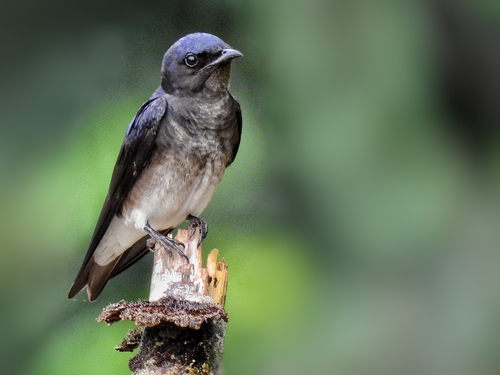
ハイムネムラサキツバメ (Progne chalybea) ハイムネムラサキツバメ
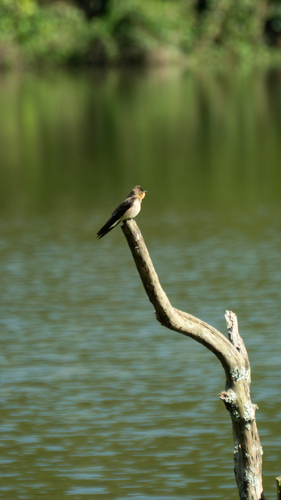
オビナシショウドウツバメ (Stelgidopteryx ruficollis) オビナシショウドウツバメ

メディア

読み込み中…

要点

ハイムネムラサキツバメとオビナシショウドウツバメを区別する最も信頼できるフィールドマークは、全体のサイズと構造です:ハイムネムラサキツバメははるかに大きく、ずんぐりとした体形で、広い胸部と重い外観、明確に分かれた尾を持っています。一方、オビナシショウドウツバメは明らかに小さく、スリムで、四角い尾を持っています。飛行中または止まっているとき、ハイムネムラサキツバメは灰褐色の胸と白い腹の間に強いコントラストを示しますが、オビナシショウドウツバメは下側がより均一に褐色で、シナモン色または黄褐色の喉を持ち、鋭い下部のコントラストが欠けています。両種の幼鳥は鈍い色合いですが、マーチンの大きなサイズと分かれた尾は明確に残ります。遠くのまたは逆光の鳥には注意が必要で、両種は一見すると褐色で形が似て見えることがあります。

識別のコツ

  1. Size is the most immediate clue: ハイムネムラサキツバメはオビナシショウドウツバメよりもはるかに大きく、ずんぐりとしています。明らかに大きくて広い胸を持つツバメサイズの鳥を見たら、マーチンを疑ってください。
  2. Tail shape: ハイムネムラサキツバメは明確に分かれた尾を持ち、飛行中でも止まっているときでも見ることができます。オビナシショウドウツバメは四角い尾を持っています。これは非常に摩耗したり換羽中の鳥を除いて信頼できます。
  3. Underpart contrast: 成鳥のマーチンは灰褐色の胸と白い腹の間に鋭い分割を示しますが、オビナシショウドウツバメは下側がより均一に褐色で、胸から腹への微妙な移行しかありません。
  4. Throat color: オビナシショウドウツバメはシナモン色または黄褐色の喉を持ち(特にいくつかの亜種で)、マーチンの灰褐色の喉と対照的です。これは近距離または良好な光の下で最も役立ちます。
  5. Upperpart gloss: 成鳥のオスのマーチンは上面が光沢のある青黒色ですが、オビナシショウドウツバメは常に無地の暗灰褐色です。両方の雌と幼鳥は鈍い色合いですが、マーチンは決してツバメのように均一に褐色にはなりません。
  6. Juvenile marks: 幼鳥のマーチンは上面が鈍い褐色ですが、依然として大きくて分かれた尾を持っています。幼鳥のツバメは背中の羽に淡い羽縁があり、鈍い喉を持っていますが、常に小さくて四角い尾を持っています。
  7. Flight style: マーチンは力強く、直接的な翼の打撃で飛び、しばしば滑空します。ツバメはより軽く、よりひらひらした飛行をし、しばしば地面や水の近くで採餌します。
  8. Flocking: マーチンは特に繁殖期以外に大きく目立つ群れを形成することがあります。ツバメはより小さなグループや緩い集団で見られることが多いです。
  9. Bill and head: マーチンのくちばしは太く、頭はツバメの細いくちばしと小さな頭よりも大きく、頑丈に見えます。
  10. Subspecies variation: 一部のオビナシショウドウツバメの亜種はより淡い尾羽や縞模様の下部を持っていますが、いずれもマーチンの強い下部のコントラストやサイズを示しません。
  11. Habitat overlap: 両種は水の近くや開けた国に共存することがありますが、ツバメは森林の明かりや高地で見られることが多いです。
  12. Voice: 聞こえた場合、マーチンのゴロゴロしたチュー・チューは役立つかもしれませんが、両方に慣れていない限り声に頼らないでください。
  13. Perched posture: マーチンはしばしばワイヤーや露出した枝に直立して止まり、大きくて重く見えます。ツバメはより水平に止まり、スリムに見えます。
  14. Pitfalls: 遠くのまたは逆光の鳥は、両種を色と形が似て見えるようにすることがあります。悪い光の中ではサイズ、尾の形、群れの行動を主要な手がかりとして使用してください。
  15. Seasonal context: 両種はその範囲の大部分で通年存在することがありますが、オビナシショウドウツバメは部分的な移動性を持ち、移動中や非繁殖期にいくつかの地域でより多く見られることがあります。

大きさ

ハイムネムラサキツバメはかなり大きく、体重は約42g、全長は16〜18cmです。体は頑丈で、広い翼と深い胸を持ち、重く力強い外観を与えています。それに対して、オビナシショウドウツバメははるかに小さく、軽量(13cm、14〜18g)で、細く繊細な体形と相対的に短い翼と尾を持っています。このサイズの違いは、両種が一緒に見られるときや他のツバメと比較されるときにしばしば明らかです。

羽色

行動

両種は空中の昆虫食者ですが、ハイムネムラサキツバメはしばしばより大きく、高く飛ぶ、目立つ群れで採餌します。時には他のマーチンと一緒に。オビナシショウドウツバメは通常、水面や開けた地面の低いところで採餌し、しばしば小さなグループや緩い群れで見られます。マーチンの飛行はより強く、直接的ですが、ツバメの飛行はより軽く、ひらひらしています。両者は特に繁殖期以外に社交的であることがありますが、マーチンのサイズと群れの習性は開けた場所でより目立つものにします。

生息環境

両種は開けた生息地に生息し、しばしば水の近くにいますが、オビナシショウドウツバメは森林の明かりや高地(いくつかの地域では最大3,600m)を含む、より広範な開けた風景で見られる可能性が高いです。ハイムネムラサキツバメは開けた国、町、水の近くの地域を好みますが、一般的には最も高い標高や森林の奥深くには見られにくいです。低地の開けた地域、特に水の近くでは重なりが一般的です。

声

ハイムネムラサキツバメはゴロゴロしたチュー・チューの鳴き声を出し、シロハラムラサキツバメに似ています。オビナシショウドウツバメの声はノートに詳細に記載されていないため、現在の情報に基づいて声による区別は信頼できません。

より良い説明を送る

比較と同じ項目を使ってください。文章はすぐに公開されます。

The most reliable field mark to separate Grey-breasted Martin from Southern Rough-winged Swallow is overall size and structure: Grey-breasted Martin is much larger and bulkier, with a broad-chested, heavy look and a distinctly forked tail, while Southern Rough-winged Swallow is noticeably smaller, slimmer, and has a square tail. In flight or perched, Grey-breasted Martin shows a strong contrast between its grey-brown breast and white belly, whereas Southern Rough-winged Swallow is more uniformly brownish below with a cinnamon or tawny throat and lacks sharp underpart contrast. Juveniles of both species are duller, but the martin’s larger size and forked tail remain clear. Be cautious with distant or backlit birds, as both species can appear brownish and similar in shape at a glance.

  1. Size is the most immediate clue: Grey-breasted Martin is much larger and bulkier than Southern Rough-winged Swallow. If you see a swallow-sized bird that looks noticeably big and broad-chested, suspect martin.
  2. Tail shape: Grey-breasted Martin has a distinctly forked tail, visible both in flight and when perched. Southern Rough-winged Swallow has a square tail. This is reliable except in very worn or molting birds.
  3. Underpart contrast: Adult martins show a sharp division between the grey-brown breast and the white belly, while Southern Rough-winged Swallow is more uniformly brownish below, with only a subtle transition from breast to belly.
  4. Throat color: Southern Rough-winged Swallow has a cinnamon or tawny throat (especially in some subspecies), contrasting with the martin’s grey-brown throat. This is most useful at close range or in good light.
  5. Upperpart gloss: Adult male martins are glossy blue-black above, while Southern Rough-winged Swallow is always a plain dark gray-brown above. Females and juveniles of both are duller, but the martin is never as uniformly brown as the swallow.
  6. Juvenile marks: Juvenile martins are dull brown above but remain large and fork-tailed; juvenile swallows have pale feather edges on the back and a duller throat, but are always small and square-tailed.
  7. Flight style: Martins fly with powerful, direct wingbeats and often soar or glide; swallows have a lighter, more fluttery flight and often forage lower to the ground or water.
  8. Flocking: Martins may form large, conspicuous flocks, especially outside the breeding season. Swallows are more often seen in small groups or loose aggregations.
  9. Bill and head: The martin’s bill is stouter and the head appears larger and more robust than the swallow’s finer bill and smaller head.
  10. Subspecies variation: Some Southern Rough-winged Swallow subspecies have a paler rump or streaked underparts, but none show the martin’s strong underpart contrast or size.
  11. Habitat overlap: Both species can occur together near water or in open country, but swallows are more likely in forest clearings and higher elevations.
  12. Voice: If heard, the martin’s gurgly chew-chew may help, but do not rely on voice for separation unless familiar with both.
  13. Perched posture: Martins often perch upright on wires or exposed branches, appearing large and heavy. Swallows perch more horizontally and look slim.
  14. Pitfalls: Distant or backlit birds can make both species appear similar in color and shape. Use size, tail shape, and flocking behavior as primary clues in poor light.
  15. Seasonal context: Both species can be present year-round in much of their range, but Southern Rough-winged Swallow is a partial migrant and may be more numerous in some areas during migration or non-breeding season.

Grey-breasted Martin is significantly larger, weighing around 42 g and measuring 16–18 cm in length. Its body is robust, with broad wings and a deep chest, giving it a heavy, powerful appearance. In contrast, Southern Rough-winged Swallow is much smaller and lighter (13 cm, 14–18 g), with a slender, delicate build and proportionally shorter wings and tail. This size difference is often obvious when both species are seen together or with other swallows for scale.

  • Juveniles and immatures: Both species have duller upperparts as juveniles, but Grey-breasted Martin juveniles are overall brown above and still larger with a forked tail, while Southern Rough-winged Swallow juveniles show pale edges on the back feathers and a duller throat.
  • Adults: Grey-breasted Martin adult males are glossy blue-black above with a grey-brown throat and breast sharply contrasting with white lower underparts; females are duller but still show this contrast. Southern Rough-winged Swallow adults are dark gray-brown above with a cinnamon or tawny throat, a gray-brown breast, and a yellowish or brownish belly—lacking the martin’s crisp underpart contrast. The swallow’s undertail coverts are white, but the rest of the underparts are more blended in tone. The martin’s forked tail also contrasts with the swallow’s square tail.
  • Subspecies: Some Southern Rough-winged Swallow subspecies (e.g., S. r. uropygialis) have a whitish rump, but this does not approach the martin’s bold underpart contrast.

Both species are aerial insectivores, but Grey-breasted Martin often forages in larger, higher-flying, and more conspicuous flocks, sometimes with other martins. Southern Rough-winged Swallow typically forages lower over water or open ground, often in smaller groups or loose flocks. The martin’s flight is stronger and more direct, while the swallow’s is lighter and more fluttery. Both can be gregarious, especially outside the breeding season, but the martin’s size and flocking habits make it more obvious in open areas.

Both species occur in open habitats, often near water, but Southern Rough-winged Swallow is more likely to be found in a wider range of open landscapes, including clearings within forests and at higher elevations (up to 3,600 m in some regions). Grey-breasted Martin favors open country, towns, and areas near water, but is generally less likely to be found at the highest elevations or deep within forest clearings. Overlap is common in lowland open areas, especially near water.

Grey-breasted Martin gives a gurgly chew-chew call, similar to Caribbean Martin. Southern Rough-winged Swallow’s voice is not described in detail in the notes, so vocalizations are not a reliable separation point based on current information.

変更を破棄しますか?

保存していない編集があります。今離れると失われます。

ハイムネムラサキツバメ · オビナシショウドウツバメ · 苦手な鳥