

Motmot

ミドリキンノジコ 対 キンノジコ

Sicalis olivascens 対 Sicalis flaveola

ミドリキンノジコとキンノジコのクイズ
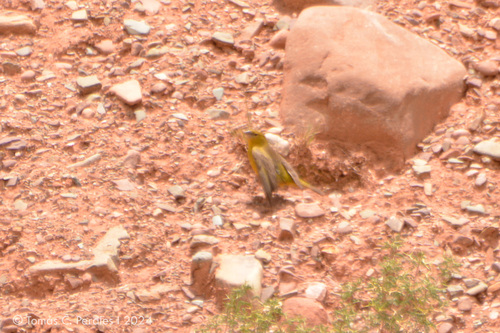
ミドリキンノジコ (Sicalis olivascens) ミドリキンノジコ
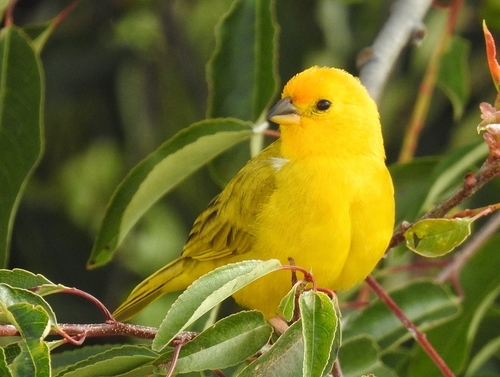
キンノジコ (Sicalis flaveola) キンノジコ

メディア

読み込み中…

要点

ミドリキンノジコとキンノジコを区別するには、まず生息地と標高に注目してください:ミドリキンノジコは高地アンデスの種であり、キンノジコは低地や丘陵の開けた地域に広く分布しています。両者は同じ属の黄色がかったフィンチですが、キンノジコは通常、特に成鳥のオスでは明るく、より飽和した黄色を示します。一方、ミドリキンノジコは鈍いオリーブイエローのトーンを示します。構造的な違いは微妙ですが、ミドリキンノジコはわずかに重いです。もし、茂みのある高地アンデスの地形で黄色のSicalisに出会った場合、ミドリキンノジコである可能性がはるかに高いです。低地や都市部では、キンノジコが優勢です。両種の未成熟個体と雌は混乱を招くことがありますので、文脈と全体的な色の飽和度が重要です。

識別のコツ

  1. Habitat and elevation: 常にあなたの位置を確認してください。ミドリキンノジコは高地アンデスの種です。キンノジコは開けたおよび半開けた地域の低地の鳥です。もし、樹木の上や茂みのある高地の地形にいる場合、ミドリキンノジコである可能性が高いです。
  2. Overall color saturation: キンノジコ(特に成鳥のオス)は鮮やかで飽和した黄色で、時には頭にオレンジ色があります。ミドリキンノジコは鈍く、緑がかったまたはオリーブイエローの洗いがかっています。
  3. Head color: キンノジコのオスの頭にオレンジまたは深い黄色のトーンを探してください。ミドリキンノジコはこれがなく、より均一にオリーブイエローです。
  4. Underparts: キンノジコは通常、よりクリーンで明るい黄色の腹部を持っています。ミドリキンノジコはより muted でオリーブ色です。
  5. Upperparts: ミドリキンノジコは上面に緑がかったまたはオリーブの色合いを示しますが、キンノジコはより均一に黄色です。
  6. Sex and age variation: 両種の雌と未成熟個体は鈍いですが、キンノジコは通常、同じ年齢/性別のミドリキンノジコよりも明るい黄色を保持します。
  7. Urban/anthropogenic settings: キンノジコは町、庭、畑で一般的で、しばしば人の近くにいます。ミドリキンノジコはそのような地域を避け、野生の茂みのある斜面を好みます。
  8. Geographic range: キンノジコは南アメリカの範囲がはるかに広く、低地のアルゼンチン、ブラジル、さらにはカリブ海の島々に導入された個体群を含みます。ミドリキンノジコは中央アンデスに制限されています。
  9. Behavior: 両種は地面で採餌しますが、キンノジコは開けた地域で緩い群れで見られる可能性が高いです。
  10. Subtle size difference: ミドリキンノジコはわずかに重いですが、これは直接比較なしでは信頼できるフィールドマークではありません。
  11. No strong wing pattern differences: これらの種をフィールドで区別するための年齢特有の上翼または飛行パターンのマークは文書化されていません。
  12. Voice: ソースには診断的な声の違いは提供されていません。歌や鳴き声に頼って区別しないでください。
  13. Seasonal context: 両種はそれぞれの範囲に常駐しているため、季節は生息地や位置よりも重要ではありません。
  14. Pitfalls with immatures: 若いキンノジコは鈍く見えるかもしれませんが、通常はミドリキンノジコよりも明るい黄色を示します。
  15. Checklist approach: もし低地の都市公園で黄色のSicalisを見たら、それはほぼ確実にキンノジコです。高地のアンデスの茂みでは、ミドリキンノジコが期待されます。

大きさ

ミドリキンノジコはキンノジコ(19.2g)よりもわずかに重い(22.0g)ですが、この違いはわずかで、フィールドで明らかになる可能性は低いです。両種は全体的なサイズと構造が似ており、利用可能なソースではくちばしの長さや尾の形状に強い違いは記載されていません。サイズは主なフィールドマークではなく、補助的な手がかりとしてのみ使用してください。

羽色

利用可能なソースには詳細な年齢特有の翼や飛行パターンの違いは文書化されていません。両種は一般的に黄色がかったフィンチですが、キンノジコ(特に成鳥のオス)ははるかに明るく、より飽和した黄色で、時には頭にオレンジ色のトーンがあります。ミドリキンノジコはより控えめで、全体的にオリーブイエローまたは緑がかった色合いです。両種の雌と未成熟個体は鈍いですが、キンノジコは通常、よりクリーンな黄色を保持し、ミドリキンノジコはより均一にオリーブまたは緑がかっています。強い翼パターンの違いがない場合は、全体的な色と文脈に頼ってください。

行動

両種は典型的なSicalisフィンチであり、地面や低い植生で採餌しているのがよく見られます。キンノジコは庭、公園、畑などの開けた人間によって改変された地域で見られる可能性が高く、時には緩い群れで見られます。ミドリキンノジコは茂みのある高地の環境を好む傾向があり、人の周りではあまり親しみやすくないかもしれません。飛行スタイルはソースで強い区別として記載されていません。

生息環境

生息地は重要な区別要因です:ミドリキンノジコはアルゼンチン、ボリビア、チリ、ペルーの中央アンデスに見られ、特に亜熱帯または熱帯の高地の茂みや劣化した森林に生息しています。キンノジコはアマゾン盆地の外の低地や丘陵の開けた地域に広く分布し、都市や農業環境にも見られ、高地アンデスには存在しません。高地のアンデスの茂みにいる場合、ミドリキンノジコが期待されます。低地の町、畑、または庭では、キンノジコがはるかに可能性が高いです。

より良い説明を送る

比較と同じ項目を使ってください。文章はすぐに公開されます。

To separate Greenish Yellow-Finch from Saffron Finch, focus first on habitat and altitude: Greenish Yellow-Finch is a high-Andean species, while Saffron Finch is widespread in lowland and foothill open areas. Both are yellowish finches in the same genus, but Saffron Finch is typically brighter and more saturated yellow, especially in adult males, whereas Greenish Yellow-Finch shows a duller, more olive-yellow tone. Structural differences are subtle, but Greenish Yellow-Finch is slightly heavier. If you encounter a yellow Sicalis in shrubby, high-altitude Andean terrain, it is far more likely to be Greenish Yellow-Finch; in lowland or urban areas, Saffron Finch dominates. Immature and female birds of both species can be confusing, so context and overall color saturation are key.

  1. Habitat and elevation: Always check your location. Greenish Yellow-Finch is a high-Andean species; Saffron Finch is a lowland bird of open and semi-open areas. If you are above treeline or in shrubby high-altitude terrain, Greenish Yellow-Finch is much more likely.
  2. Overall color saturation: Saffron Finch (especially adult males) is a vivid, saturated yellow, sometimes with orange on the head. Greenish Yellow-Finch is duller, with a greenish or olive-yellow wash.
  3. Head color: Look for orange or deep yellow tones on the head of Saffron Finch males; Greenish Yellow-Finch lacks this, remaining more uniformly olive-yellow.
  4. Underparts: Saffron Finch usually has cleaner, brighter yellow underparts. Greenish Yellow-Finch is more muted and olive below.
  5. Upperparts: Greenish Yellow-Finch shows a greenish or olive cast to the upperparts, while Saffron Finch is more uniformly yellow.
  6. Sex and age variation: Females and immatures of both species are duller, but the Saffron Finch usually retains a brighter yellow below than Greenish Yellow-Finch of the same age/sex.
  7. Urban/anthropogenic settings: Saffron Finch is common in towns, gardens, and fields, often near people. Greenish Yellow-Finch avoids such areas, preferring wild, shrubby slopes.
  8. Geographic range: Saffron Finch has a much broader South American range, including lowland Argentina, Brazil, and even introduced populations on Caribbean islands. Greenish Yellow-Finch is restricted to the central Andes.
  9. Behavior: Both species forage on the ground, but Saffron Finch is more likely to be seen in loose flocks in open areas.
  10. Subtle size difference: Greenish Yellow-Finch is slightly heavier, but this is not a reliable field mark without direct comparison.
  11. No strong wing pattern differences: There are no documented age-specific upperwing or flight pattern marks to separate these species in the field.
  12. Voice: No diagnostic vocal differences are provided in the sources; do not rely on song or call for separation.
  13. Seasonal context: Both species are resident in their respective ranges, so season is less important than habitat and location.
  14. Pitfalls with immatures: Young Saffron Finches may appear dull, but usually still show a brighter yellow below than Greenish Yellow-Finch.
  15. Checklist approach: If you see a yellow Sicalis in a lowland urban park, it is almost certainly Saffron Finch; if in high Andean shrubland, Greenish Yellow-Finch is expected.

Greenish Yellow-Finch is marginally heavier (22.0g) than Saffron Finch (19.2g) [wikidata], but this difference is slight and not likely to be obvious in the field. Both species are similar in overall size and structure, with no strong differences in bill length or tail shape noted in available sources. Use size only as a supporting clue, not a primary field mark.

No detailed age-specific wing or flight pattern differences are documented in the available sources; both species are generally yellowish finches, but Saffron Finch (especially adult males) is a much brighter, more saturated yellow, sometimes with orange tones on the head. Greenish Yellow-Finch is more subdued, with an olive-yellow or greenish cast overall. Females and immatures of both species are duller, but Saffron Finch typically retains a cleaner yellow below, while Greenish Yellow-Finch is more uniformly olive or greenish. In the absence of strong wing pattern differences, rely on overall color and context.

Both species are typical Sicalis finches, often seen foraging on the ground or in low vegetation. Saffron Finch is more likely to be seen in open, human-modified areas such as gardens, parks, and fields, sometimes in loose flocks. Greenish Yellow-Finch tends to favor shrubby, high-altitude environments and may be less confiding around people. Flight style is not described as a strong separator in the sources.

Habitat is a key separator: Greenish Yellow-Finch is found in the central Andes of Argentina, Bolivia, Chile, and Peru, specifically in subtropical or tropical high-altitude shrubland and degraded forest [wikipedia]. Saffron Finch is widespread in lowland and foothill open areas outside the Amazon Basin, including urban and agricultural settings, and is absent from high Andes. If you are in high-elevation Andean shrubland, Greenish Yellow-Finch is expected; in lowland towns, fields, or gardens, Saffron Finch is far more likely.

変更を破棄しますか?

保存していない編集があります。今離れると失われます。

ミドリキンノジコ · キンノジコ · 苦手な鳥