

Greenish Yellow-Finch vs Saffron Finch
Sicalis olivascens contro Sicalis flaveola
Fai un quiz con Greenish Yellow-Finch e Saffron Finch
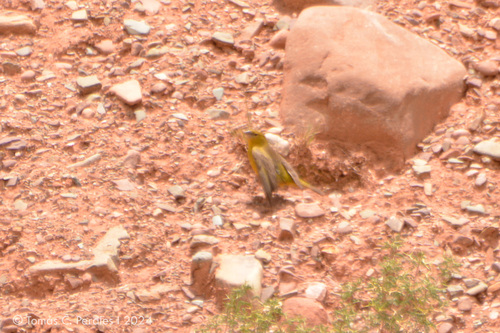 Greenish Yellow-Finch
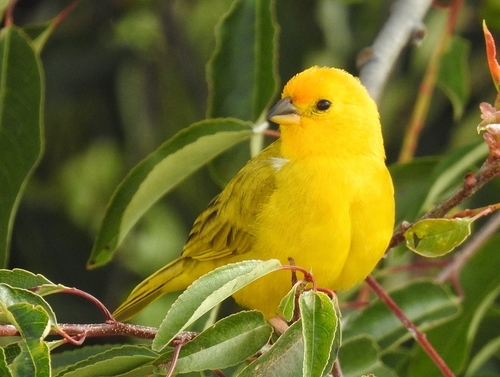 Saffron Finch
In breve
Per separare il Greenish Yellow-Finch dal Saffron Finch, concentrati prima sull'habitat e sull'altitudine: il Greenish Yellow-Finch è una specie delle alte Ande, mentre il Saffron Finch è diffuso in aree aperte di pianura e di piede montano. Entrambi sono fringillidi giallastri dello stesso genere, ma il Saffron Finch è tipicamente più luminoso e di un giallo più saturo, specialmente nei maschi adulti, mentre il Greenish Yellow-Finch mostra una tonalità più opaca e olivastro-gialla. Le differenze strutturali sono sottili, ma il Greenish Yellow-Finch è leggermente più pesante. Se incontri un Sicalis giallo in un terreno arbustivo andino ad alta quota, è molto più probabile che sia un Greenish Yellow-Finch; in aree di pianura o urbane, domina il Saffron Finch. Gli uccelli immaturi e femminili di entrambe le specie possono essere confusi, quindi il contesto e la saturazione del colore complessivo sono fondamentali.
Consigli di identificazione
- Habitat e altitudine: Controlla sempre la tua posizione. Il Greenish Yellow-Finch è una specie delle alte Ande; il Saffron Finch è un uccello di pianura di aree aperte e semiaperte. Se sei sopra la linea degli alberi o in un terreno arbustivo ad alta quota, è molto più probabile che sia un Greenish Yellow-Finch.
- Saturazione del colore complessivo: Il Saffron Finch (specialmente i maschi adulti) è di un giallo vivido e saturo, a volte con arancione sulla testa. Il Greenish Yellow-Finch è più opaco, con una tonalità giallo-verdastro o olivastro-gialla.
- Colore della testa: Cerca toni arancioni o gialli scuri sulla testa dei maschi di Saffron Finch; il Greenish Yellow-Finch non ha questo, rimanendo più uniformemente olivastro-giallo.
- Parte inferiore: Il Saffron Finch di solito ha parti inferiori più pulite e di un giallo più brillante. Il Greenish Yellow-Finch è più attenuato e olivastro sotto.
- Parte superiore: Il Greenish Yellow-Finch mostra una tonalità verdastra o olivastro sulla parte superiore, mentre il Saffron Finch è più uniformemente giallo.
- Variazione di sesso e età: Le femmine e gli immaturi di entrambe le specie sono più opachi, ma il Saffron Finch di solito mantiene un giallo più brillante sotto rispetto al Greenish Yellow-Finch della stessa età/sesso.
- Impostazioni urbane/antropogeniche: Il Saffron Finch è comune in città, giardini e campi, spesso vicino alle persone. Il Greenish Yellow-Finch evita tali aree, preferendo pendii selvatici e arbustivi.
- Gamma geografica: Il Saffron Finch ha una gamma molto più ampia in Sud America, inclusa l'Argentina di pianura, il Brasile e persino popolazioni introdotte nelle isole dei Caraibi. Il Greenish Yellow-Finch è ristretto alle Ande centrali.
- Comportamento: Entrambe le specie si nutrono a terra, ma il Saffron Finch è più probabile che venga visto in gruppi sciolti in aree aperte.
- Sottile differenza di dimensioni: Il Greenish Yellow-Finch è leggermente più pesante, ma questa non è una caratteristica di campo affidabile senza un confronto diretto.
- Nessuna forte differenza nel pattern delle ali: Non ci sono segni documentati specifici per l'età sul pattern delle ali superiori o sul volo per separare queste specie in campo.
- Voce: Non sono fornite differenze vocali diagnostiche nelle fonti; non fare affidamento sul canto o sul richiamo per la separazione.
- Contesto stagionale: Entrambe le specie sono residenti nelle loro rispettive aree, quindi la stagione è meno importante dell'habitat e della posizione.
- Insidie con gli immaturi: I giovani Saffron Finches possono apparire opachi, ma di solito mostrano ancora un giallo più brillante sotto rispetto al Greenish Yellow-Finch.
- Approccio della checklist: Se vedi un Sicalis giallo in un parco urbano di pianura, è quasi certamente un Saffron Finch; se in un arbusto andino ad alta quota, ci si aspetta un Greenish Yellow-Finch.
Taglia
Il Greenish Yellow-Finch è marginalmente più pesante (22.0g) rispetto al Saffron Finch (19.2g) [wikidata], ma questa differenza è lieve e probabilmente non sarà ovvia in campo. Entrambe le specie sono simili in dimensioni e struttura complessive, senza forti differenze nella lunghezza del becco o nella forma della coda notate nelle fonti disponibili. Usa la dimensione solo come indizio di supporto, non come caratteristica principale di campo.
Piumaggio
Non sono documentate differenze specifiche per età nel pattern delle ali o nel volo nelle fonti disponibili; entrambe le specie sono generalmente fringillidi giallastri, ma il Saffron Finch (specialmente i maschi adulti) è di un giallo molto più brillante e saturo, a volte con toni arancioni sulla testa. Il Greenish Yellow-Finch è più sobrio, con una tonalità olivastro-gialla o verdastra nel complesso. Le femmine e gli immaturi di entrambe le specie sono più opachi, ma il Saffron Finch di solito mantiene un giallo più pulito sotto, mentre il Greenish Yellow-Finch è più uniformemente olivastro o verdastro. In assenza di forti differenze nel pattern delle ali, fai affidamento sul colore complessivo e sul contesto.
Comportamento
Entrambe le specie sono tipici fringillidi Sicalis, spesso visti nutrirsi a terra o in bassa vegetazione. Il Saffron Finch è più probabile che venga visto in aree aperte modificate dall'uomo come giardini, parchi e campi, a volte in gruppi sciolti. Il Greenish Yellow-Finch tende a favorire ambienti arbustivi ad alta quota e potrebbe essere meno confidente intorno alle persone. Lo stile di volo non è descritto come un forte separatore nelle fonti.
Habitat
L'habitat è un separatore chiave: il Greenish Yellow-Finch si trova nelle Ande centrali di Argentina, Bolivia, Cile e Perù, specificamente in arbustivi subtropicali o tropicali ad alta quota e foreste degradate [wikipedia]. Il Saffron Finch è diffuso in aree aperte di pianura e di piede montano al di fuori del Bacino Amazzonico, inclusi ambienti urbani e agricoli, ed è assente dalle alte Ande. Se ti trovi in un arbusto andino ad alta quota, ci si aspetta un Greenish Yellow-Finch; in città di pianura, campi o giardini, è molto più probabile il Saffron Finch.
Greenish Yellow-Finch · Saffron Finch · I miei uccelli difficili