

Motmot

ウチワハチドリ 対 ハイイロタイランチョウ

Eulampis holosericeus 対 Tyrannus dominicensis

ウチワハチドリとハイイロタイランチョウのクイズ
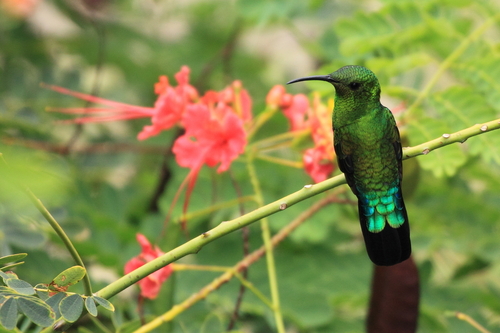
ウチワハチドリ (Eulampis holosericeus) ウチワハチドリ
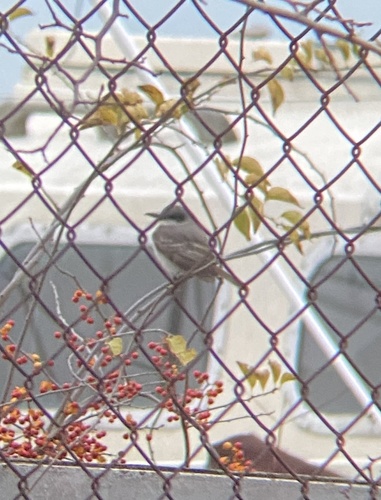
ハイイロタイランチョウ (Tyrannus dominicensis) ハイイロタイランチョウ

メディア

読み込み中…

要点

グリーンスロートカリブとハイイロタイランチョウを区別する最も信頼性の高いフィールドマークは、全体の構造と羽毛です:カリブは小さく、コンパクトで金属的な緑色のハチドリで、細長く湾曲したクチバシを持っています。一方、タイランチョウははるかに大きく、頑丈なフライキャッチャーで、重く真っ直ぐなクチバシと灰色と白の羽毛を持っています。幼鳥のハイイロタイランチョウは翼と尾に赤褐色の縁を示すことがありますが、それでもそのサイズ、直立した姿勢、フライキャッチャーの形は、どのハチドリと比較しても明確です。飛行中または止まっているとき、タイランチョウの淡い腹部と灰色の上面は、カリブの光沢のある緑色と黒の色合いと鋭く対比します。クチバシの形とサイズは、年齢や季節に関係なくすぐに診断できます。混乱は距離がある場合や光が悪い場合に最も起こりやすいですが、サイズ、構造、色の直接比較はほとんどすべての混同を解決します。

識別のコツ

  1. Size is the fastest check: グリーンスロートカリブは小さい(6.2 g)ですが、ハイイロタイランチョウは大きくて頑丈です(43.8 g)。距離があっても、タイランチョウはカリブを圧倒します。
  2. Bill shape is diagnostic: カリブは細長く、わずかにまたは強く湾曲したクチバシを持っています(雌はより長く湾曲しています);タイランチョウは厚く、真っ直ぐで重いクチバシを持っています。この違いはどの角度から見ても明らかです。
  3. Plumage color: カリブは上面が金属的な緑色で、明るい緑の喉と黒い腹部を持っています;タイランチョウは上面が灰色、下面が白で、緑や金属的な色はありません。
  4. Juvenile kingbird warning: 幼いタイランチョウは翼と尾に赤褐色の縁を持っていますが、灰色/白の基本色を示し、金属的な緑は決してありません。カリブの幼鳥は鈍い成鳥のように見え、赤褐色や淡い腹部は決して示しません。
  5. Tail and wing structure: カリブは短く、暗い青黒い尾と狭く尖った翼を持っています;タイランチョウは長い茶色がかった尾と広く丸い翼を持っています。
  6. Flight style: カリブはホバリングし、急速に飛び回り、花で餌を取ります;タイランチョウは強く、直接的な羽ばたきで飛び、直立して昆虫を捕まえます。
  7. Perched posture: タイランチョウは直立して警戒し、高く露出していることが多いですが;カリブはより水平に止まり、植生に近いです。
  8. Facial pattern: タイランチョウは目の周りに暗いマスクを持ち、時には隠れた黄色の冠のストライプがあります;カリブにはマスクや冠のストライプはありません。
  9. Underparts: カリブは黒い腹部と緑の肛門を持っています;タイランチョウは白い下面と灰色がかった胸を持っています。
  10. Habitat context: カリブは通常、花や低い植生の近くにいます;タイランチョウは開けた場所、電線、樹木の頂上を好みます。
  11. Vocalizations: カリブは鋭い、シンプルな「チュプ!」の音を出します;タイランチョウの大きく、転がるようなトリル「ピピリ、ピピリ」は特徴的です。
  12. Sex differences: 雌のカリブはより長く、より湾曲したクチバシを持ち、わずかに鈍い緑です;タイランチョウの性別は似ています。
  13. Seasonal confusion: 両種はそれぞれの範囲で常駐または一般的ですが、タイランチョウの幼鳥だけが翼/尾に赤褐色を示します;カリブは決して示しません。
  14. Lighting pitfalls: 光が悪いと、カリブの尾は黒く見えることがあります;タイランチョウの茶色がかった尾と灰色の上面は非虹色のままです。
  15. Behavioral cues: タイランチョウは大きな鳥を攻撃しているのが見られることがあります;カリブは花のパッチを守り、大きな鳥とはほとんど関わりません。

大きさ

グリーンスロートカリブは劇的に小さく、約6.2 gで、長さは10.5〜12 cmです [wikidata, wikipedia]。対照的に、ハイイロタイランチョウは大きなスズメ目の鳥で、約43.8 gで、長さは23 cm—カリブの質量のほぼ4倍、長さの2倍です。タイランチョウの体格、長い尾、頑丈な体は、距離があっても明らかで、カリブは小さく、繊細で、コンパクトです。このサイズの違いは非常に極端で、短い双眼鏡の視界でも混乱が起こりにくいはずです。

羽色

行動

グリーンスロートカリブは花で餌を取る際にホバリングし、急速に飛び回ることが多く、特に雄は花のパッチを守ることがあります。ハイイロタイランチョウは露出した枝や電線に直立して止まり、典型的なフライキャッチャーのスタイルで昆虫を捕まえます。タイランチョウは大きな鳥を攻撃し、領土防衛において目立ちますが、カリブは蜜源の防衛にもっと集中しています。カリブの飛行は急速でハチドリのようですが、タイランチョウの飛行は直接的で、強く安定した羽ばたきです。

生息環境

両種は人間が改変した生息地に見られますが、好みは異なります:グリーンスロートカリブは庭、二次成長、特に花が豊富な場所の近くの植生を好みます。ハイイロタイランチョウは散在する木々、エッジ、電線のある開けた場所を好み、沿岸や郊外の環境でよく見られます。タイランチョウは高く目立つ場所に止まることが多いですが、カリブは通常、花や低い植生の近くにいます。

声

グリーンスロートカリブは鋭い「チュプ!」または「チュウプ!」の呼び声を出し、争いの際には rattles や翼の音を出すことがあります。ハイイロタイランチョウは大きく、転がるようなトリル「ピピリ、ピピリ」を持ち、これは特徴的で多くの地域名の由来です。タイランチョウの呼び声は、カリブのシンプルで鋭い音よりもはるかに大きく、複雑です。

より良い説明を送る

比較と同じ項目を使ってください。文章はすぐに公開されます。

The most reliable field mark to separate Green-throated Carib from Grey Kingbird is overall structure and plumage: the carib is a small, compact, metallic-green hummingbird with a slender, decurved bill, while the kingbird is a much larger, robust flycatcher with a heavy, straight bill and gray-and-white plumage. Juvenile Grey Kingbirds may show rufous edges on the wings and tail, but even then, their size, upright posture, and flycatcher shape are unmistakable compared to any hummingbird. In flight or perched, the kingbird's pale underparts and gray upperparts contrast sharply with the carib's glossy green and black coloration. Bill shape and size are immediately diagnostic at any age or season. Confusion is most likely at a distance or in poor light, but direct comparison of size, structure, and color will resolve nearly all mix-ups.

  1. Size is the fastest check: Green-throated Carib is tiny (6.2 g), while Grey Kingbird is large and bulky (43.8 g). Even at a distance, the kingbird dwarfs the carib.
  2. Bill shape is diagnostic: Carib has a slender, slightly to strongly decurved bill (longer and more curved in females); kingbird has a thick, straight, heavy bill. This difference is obvious in any view.
  3. Plumage color: Carib is metallic green above with a bright green throat and black belly; kingbird is gray above, white below, with no green or metallic colors.
  4. Juvenile kingbird warning: Young kingbirds have rufous edges on wings and tail, but still show gray/white base colors and never any metallic green. Carib immatures look like duller adults, never showing rufous or pale underparts.
  5. Tail and wing structure: Carib has a short, dark blue-black tail and narrow, pointed wings; kingbird has a long, brownish tail and broad, rounded wings.
  6. Flight style: Carib hovers and darts, often feeding at flowers; kingbird flies with strong, direct wingbeats and perches upright to sally for insects.
  7. Perched posture: Kingbird sits upright and alert, often high and exposed; carib perches more horizontally, closer to vegetation.
  8. Facial pattern: Kingbird has a dusky mask through the eye and sometimes a concealed yellow crown stripe; carib lacks any mask or crown stripe.
  9. Underparts: Carib has a black belly and green vent; kingbird is white below with a grayish chest.
  10. Habitat context: Carib is usually near flowers and low vegetation; kingbird prefers open areas, wires, and treetops.
  11. Vocalizations: Carib gives sharp, simple 'chup!' notes; kingbird's loud, rolling trill 'pipiri, pipiri' is distinctive.
  12. Sex differences: Female caribs have a longer, more curved bill and slightly duller green; kingbird sexes are similar.
  13. Seasonal confusion: Both species are resident or common in their ranges, but only kingbird juveniles show rufous in wing/tail; carib never does.
  14. Lighting pitfalls: In poor light, carib's tail may appear black; kingbird's brownish tail and gray upperparts remain non-iridescent.
  15. Behavioral cues: Kingbird may be seen mobbing larger birds; carib defends flower patches and rarely interacts with larger birds.

Green-throated Carib is dramatically smaller, weighing about 6.2 g and measuring 10.5–12 cm in length [wikidata, wikipedia]. In contrast, Grey Kingbird is a large passerine, about 43.8 g and 23 cm long—almost four times the mass and twice the length of the carib. The kingbird's bulk, long tail, and robust body are obvious even at a distance, while the carib is tiny, delicate, and compact. This size difference is so extreme that even a brief binocular view should make confusion unlikely.

  • Juvenile/immature Grey Kingbird: Young kingbirds have rufous edges on the wing coverts, rump, and tail, which can add a warm tone to their otherwise gray and white plumage. This is never shown by Green-throated Carib at any age.
  • Adult Green-throated Carib: Both sexes are metallic green above with a bright green gorget, black belly, green vent, and a dark blue (appearing black) tail. Females are slightly duller and have a longer, more curved bill. No white or gray underparts are present at any age.
  • Adult Grey Kingbird: Gray upperparts, brownish wings and tail, white underparts with a grayish chest, and a dusky mask through the eye. A concealed yellow crown stripe is present but rarely visible. No metallic colors or green are present. The kingbird's plumage is always matte and pale compared to the glossy, dark carib.
  • In flight: The kingbird shows broad, rounded wings and a long tail, while the carib's wings are narrow and pointed, typical of hummingbirds.

Green-throated Carib hovers while feeding at flowers and often makes rapid, darting flights; it may defend flower patches, especially males. Grey Kingbird perches upright on exposed branches or wires, sallying out to catch insects in typical flycatcher fashion. Kingbirds aggressively mob larger birds and are conspicuous in their territorial defense, while caribs are more focused on defending nectar sources. The carib's flight is rapid and hummingbird-like, while the kingbird's flight is direct, with strong, steady wingbeats.

Both species can be found in human-modified habitats, but their preferences differ: Green-throated Carib frequents gardens, second growth, and vegetation near homes, especially where flowering plants are abundant. Grey Kingbird prefers open areas with scattered trees, edges, and wires, often seen in coastal or suburban settings. The kingbird is more likely to be seen perched high and conspicuously, while the carib is usually closer to flowers and lower vegetation.

Green-throated Carib gives sharp 'chup!' or 'chuwp!' calls, and may produce rattles or wing whirs during disputes. Grey Kingbird has a loud, rolling trill 'pipiri, pipiri,' which is distinctive and the origin of many local names. The kingbird's call is much louder and more complex than the carib's simple, sharp notes.

変更を破棄しますか?

保存していない編集があります。今離れると失われます。

ウチワハチドリ · ハイイロタイランチョウ · 苦手な鳥