

Motmot

ハグロキヌバネドリ 対 ヒメキヌバネドリ

Trogon viridis 対 Trogon violaceus

ハグロキヌバネドリとヒメキヌバネドリのクイズ
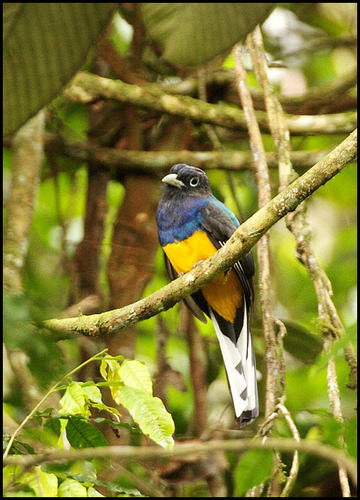
ハグロキヌバネドリ (Trogon viridis) ハグロキヌバネドリ
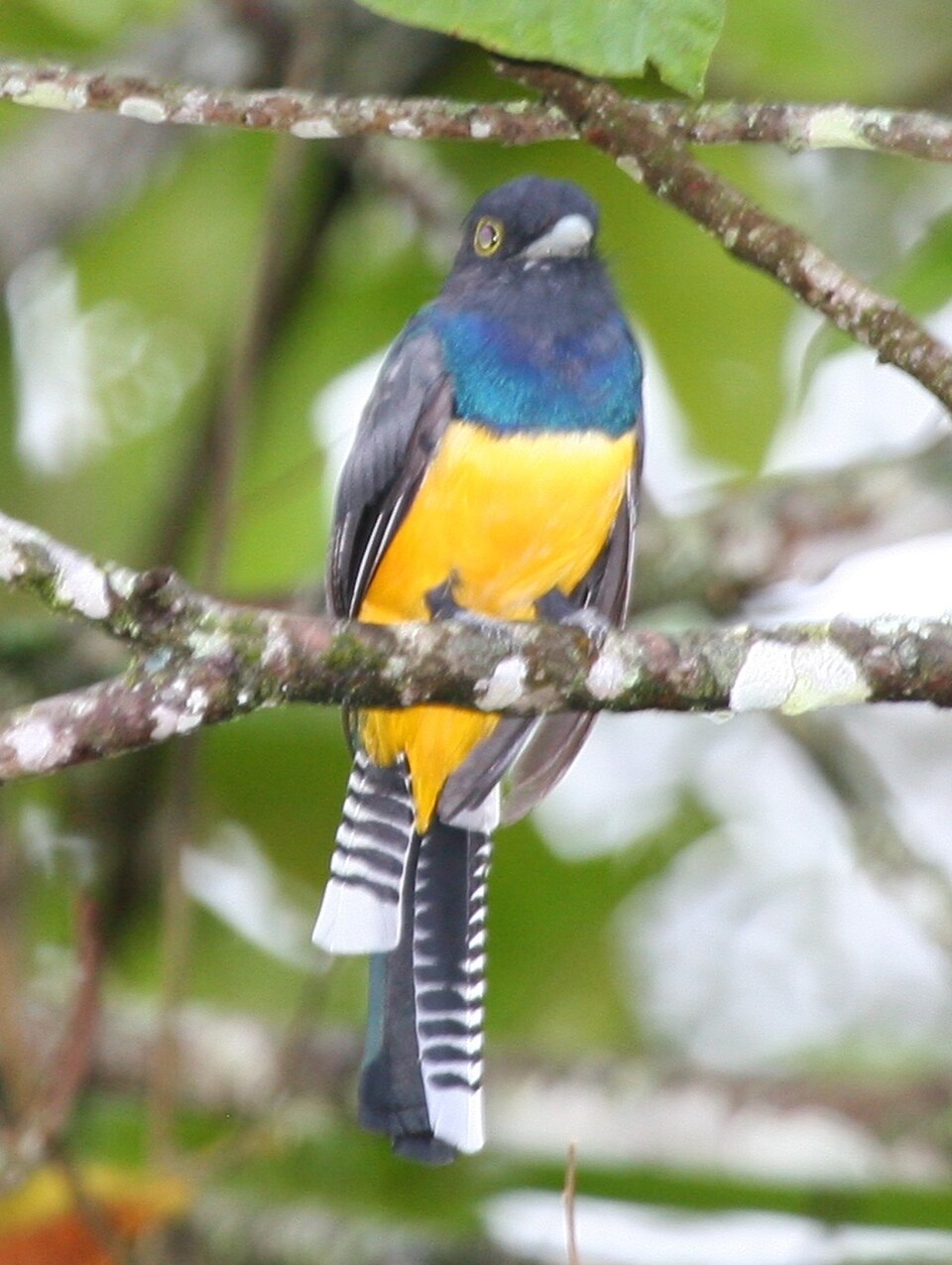
ヒメキヌバネドリ (Trogon violaceus) ヒメキヌバネドリ

メディア

読み込み中…

要点

グリーンバックトロゴンとヒメキヌバネドリを区別する最も信頼できるフィールドマークは、成鳥の尾羽のパターンです:グリーンバックトロゴンのオスは、広い黒い基部と広い白い先端/エッジを持つ黒と白の尾羽を示し、ヒメキヌバネドリのオスは細かい黒と白の縞模様と広い白い先端を持っています。両方のメスは上面が灰色ですが、尾羽の縞模様とアイリングの色が異なります。グリーンバックはまた、明らかに大きくてがっしりしており、完全な淡い青のアイリング(オス)を持つのに対し、より小さいヒメキヌバネドリは黄色のアイリング(オス)を持っています。幼鳥の羽毛はあまり詳しく記述されていませんが、成鳥の翼と尾のパターンは最も実用的なフィールドマークのままです。両種は性的二形性があるため、羽毛を比較する際には性別を考慮することを忘れないでください。

識別のコツ

  1. Undertail pattern in males (adults): グリーンバックトロゴンは各尾羽の尾羽の羽毛に広い黒い基部と広い白い先端/エッジを示します;ヒメキヌバネドリは細かい黒と白の縞模様と広い白い先端を持っています。これは成鳥のオスにとって最も信頼できるマークです。
  2. Undertail pattern in females (adults): グリーンバックのメスは各尾羽の外側の羽に主に黒と白の縞模様を持っています;ヒメキヌバネドリのメスは尾羽の側面に縞模様があり、コントラストの少ないパターンを持っています。縞模様の分布と広い白い先端(ヒメ)とより広範な黒(グリーンバック)の存在を探してください。
  3. Eye-ring color (adults): グリーンバックのオスは完全な淡い青のアイリングを持っています;ヒメキヌバネドリのオスは淡い黄色のアイリングを持っています。グリーンバックのメスも青いアイリングを持っていますが、ヒメのメスは黄色または不完全で、目の上と下に白い弧があります。
  4. Size and structure: グリーンバックは明らかに大きく(28–30 cm対23–25 cm)てがっしりしています。一緒に見たり経験があれば、これは役立つ手がかりになることがありますが、距離や姿勢の影響に注意してください。
  5. Head and breast color (males): グリーンバックのオスは暗い青(ほぼ黒っぽい)頭部と上胸を持っています;ヒメキヌバネドリのオスは黒いマスクと喉を持つ紫青の頭部と狭い白い胸の帯を持っています。この帯はグリーンバックにはありません。
  6. Back color (males): グリーンバックのオスは緑の背中を持っています;ヒメキヌバネドリのオスは金属的な緑の上面を持っていますが、紫青の尾と頭を持ち、よりコントラストのある外観を作り出します。
  7. Belly color: 両方とも黄色の腹部を持っていますが、グリーンバックの腹部はよりオレンジ色の黄色で、ヒメのオスは明るい黄色、メスは灰色の洗いがかかった鈍い黄色です。
  8. Wing pattern: 両方とも暗い翼に白いマーキングがありますが、グリーンバックの翼は白で黒い螺旋模様があり、ヒメの翼は暗い灰色の茶色(オス)または薄くて密に縞模様がある(メス)ように見えます。これは微妙で、フィールドでは常に信頼できるわけではありません。
  9. Facial pattern (females): ヒメキヌバネドリのメスは目の上と下に白い弧を持っており、グリーンバックにはありません。良い光と近い視点でこれを使用してください。
  10. Juvenile plumage: 幼鳥のヒメキヌバネドリのオスは成鳥よりも翼が茶色がかり、尾羽の白が少ないですが、その他は成鳥に似ています;幼鳥のグリーンバックは詳細に記述されていないため、若い鳥には注意してください。
  11. Song: グリーンバックの歌は遅く、音符が加速します;ヒメの歌は急速な一連の空洞の口笛です。両方に慣れていない限り、注意して使用してください。
  12. Habitat: 両方とも湿った熱帯林に生息し、範囲が重なることがありますので、重なりのゾーンの外にいる場合を除いて、単独で生息地に依存しないでください。
  13. Behavior: 両方とも直立してじっとしており、飛ぶのを嫌がります;行動は強い区別要因ではありません。
  14. Sexual dimorphism: 両種は強い性的二形性を持っているため、特に尾羽と顔のパターンを比較する際には、常に性別を考慮してください。
  15. Pitfalls: 光が悪いとグリーンバックの青い頭が黒っぽく見えることがあります;頭の色をマークとして使用する際には注意してください。尾羽のパターンとアイリングの色は、そのような条件下でより信頼できます。

大きさ

グリーンバックトロゴンは大きな種で、長さは28–30 cmで、ヒメキヌバネドリは23–25 cmです。グリーンバックはおそらく重いですが、ヒメの質量(38–57 g)のみが示されています。フィールドでは、グリーンバックはしばしばがっしりしていて尾が長く見え、両方が一緒に見られる場合や経験があれば、直接比較に役立つことがあります。

羽色

行動

両種は直立して動かず、トロゴンの典型的な行動を示し、遠くに飛ぶのを嫌がります。グリーンバックトロゴンは特に果実食性が強く、他のトロゴン(ヒメキヌバネドリを含む)よりも混成種の群れに参加する可能性が低いとされています。両方とも広いくちばしと弱い脚を持ち、樹上生活を反映しています。飛行中、両方とも速いですが長距離を飛ぶことはなく、彼らのジズは似ているため、行動は強い区別要因ではありません。

生息環境

グリーンバックトロゴンはアマゾン熱帯雨林、ギアナシールド、トリニダード、ブラジル東部のアトランティックフォレストに広く分布しており、通常その範囲で最も一般的なトロゴンです。ヒメキヌバネドリはブラジル、フランスギアナ、ガイアナ、スリナム、トリニダード、ベネズエラに見られます。彼らの範囲は南アメリカ北部とトリニダードの一部で重なります。両方とも湿った熱帯林を好むため、重なりのゾーンの外にいる場合を除いて、生息地は強い区別要因ではありません。

声

グリーンバックトロゴンの歌は約20の「牛」の音符のシリーズで、遅く始まり加速し、オジロハグロキヌバネドリよりも遅く、クビワオグロキヌバネドリよりも高音です。ヒメキヌバネドリは急速で空洞の音を出す長い一連の口笛を出します(「キュウキュウキュウキュウキュウ」)。グリーンバックの歌はヒメの歌よりも遅く、急速ではありません。グリーンバックの呼び声はあまり詳しく記述されていませんが、ヒメは転がるようなおしゃべりの呼び声を出します。歌のペースとトーンは役立つことがありますが、微妙で経験が必要です。

より良い説明を送る

比較と同じ項目を使ってください。文章はすぐに公開されます。

The most reliable field mark to separate Green-backed Trogon and Guianan Violaceous Trogon is the undertail pattern in adults: Green-backed Trogon males show a black-and-white undertail with broad black bases and broad white tips/edges, while Guianan Violaceous Trogon males have fine black-and-white barring and wide white tips. Females of both are grayish above, but differ in tail barring and eye-ring color. Green-backed is also noticeably larger and bulkier, with a complete pale blue eye-ring (male), compared to the smaller Guianan Violaceous Trogon with a yellow eye-ring (male). Juvenile plumages are less well described, but adult wing and tail patterns remain the most practical field marks. Both species are sexually dimorphic, so be sure to consider sex when comparing plumages.

  1. Undertail pattern in males (adults): Green-backed Trogon shows broad black bases and broad white tips/edges to each undertail feather; Guianan Violaceous Trogon has fine black-and-white barring and wide white tips. This is the single most reliable mark for adult males.
  2. Undertail pattern in females (adults): Green-backed female has black-and-white barring mainly on the outer webs of each tail feather; Guianan Violaceous female has barring on the sides of the undertail and a less contrasting pattern. Look for the distribution of barring and the presence of broad white tips (Guianan) versus more extensive black (Green-backed).
  3. Eye-ring color (adults): Green-backed male has a complete pale blue eye-ring; Guianan Violaceous male has a pale yellow eye-ring. Female Green-backed also has a blue eye-ring, while Guianan female's is yellow or incomplete with white arcs above and below the eye.
  4. Size and structure: Green-backed is noticeably larger (28–30 cm vs 23–25 cm) and bulkier. If seen together or with experience, this can be a helpful clue, but beware of distance and posture effects.
  5. Head and breast color (males): Green-backed male has a dark blue (almost blackish) head and upper breast; Guianan Violaceous male has a violet-blue head with a black mask and throat, and a narrow white breast band. This band is absent in Green-backed.
  6. Back color (males): Green-backed male has a green back; Guianan Violaceous male has metallic green upperparts but a violet-blue tail and head, creating a more contrasting look.
  7. Belly color: Both have yellow underparts, but Green-backed's is more orange-yellow, while Guianan's is bright yellow in males and duller yellow with gray wash in females.
  8. Wing pattern: Both have dark wings with white markings, but Green-backed's are black vermiculated with white, while Guianan's appear dark gray-brown (male) or thinly but densely barred (female). This is subtle and not always reliable in the field.
  9. Facial pattern (females): Guianan Violaceous female has white arcs above and below the eye, absent in Green-backed. Use this in good light and close views.
  10. Juvenile plumage: Juvenile Guianan Violaceous males have browner wings and less white on the undertail than adults; juvenile Green-backed is not described, so use caution with young birds.
  11. Song: Green-backed's song is slower, with notes that accelerate; Guianan's is a rapid series of hollow whistles. Use with caution unless familiar with both.
  12. Habitat: Both occur in humid tropical forests and can overlap in range, so do not rely on habitat alone unless you are outside the overlap zone.
  13. Behavior: Both perch upright and are reluctant to fly; behavior is not a strong separator.
  14. Sexual dimorphism: Both species are strongly sexually dimorphic; always consider sex when comparing plumages, especially for undertail and facial patterns.
  15. Pitfalls: Poor light can make the Green-backed's blue head appear blackish; beware of this when using head color as a mark. Tail pattern and eye-ring color are more reliable in such conditions.

Green-backed Trogon is the larger species, measuring 28–30 cm in length, while Guianan Violaceous Trogon is 23–25 cm. The Green-backed is also likely heavier, though only the Guianan's mass is given (38–57 g). In the field, Green-backed often appears bulkier and longer-tailed, which can help in direct comparison if both are seen together or with experience.

  • Juvenile/immature plumages: Juvenile Guianan Violaceous Trogon males have browner wings and less white on the undertail than adults, but otherwise resemble adults. Juvenile females are similar to adult females. Juvenile Green-backed Trogon is not described in detail, but adult-like patterns are likely to appear early.

  • Adult males: Green-backed Trogon males have a dark blue (almost blackish) head and upper breast, green back, orange-yellow underparts, and a black-and-white vermiculated wing. Their undertail is diagnostic: each feather has a broad black base and a broad white tip and edge. The eye-ring is complete and pale bluish. Guianan Violaceous Trogon males have a violet-blue head with a black mask and throat, metallic green upperparts, a narrow white band across the breast, and bright yellow underparts. Their undertail shows fine black-and-white barring and wide white tips (not broad black bases). The eye-ring is pale yellow.

  • Adult females: Both are gray above and below, but Green-backed Trogon females have a complete pale blue eye-ring and a tail with black-and-white barring mainly on the outer webs. Guianan Violaceous Trogon females have a yellow eye-ring (incomplete in some), white arcs above and below the eye, and the tail underside appears barred on the sides. Their belly is duller yellow with a gray wash on the flanks.

  • Wings: Both species' wings appear dark with fine white markings, but Green-backed's are described as black vermiculated with white, while Guianan's are so finely barred that they appear dark gray-brown (male) or thinly but densely barred (female).

Both species perch upright and motionless, typical of trogons, and are reluctant to fly far. Green-backed Trogon is noted as especially frugivorous and less likely to join mixed-species flocks than other trogons, including Guianan Violaceous. Both have broad bills and weak legs, reflecting their arboreal habits. In flight, both are fast but not long-distance fliers; their jizz is similar, so behavior is not a strong separator.

Green-backed Trogon is widespread in the Amazon rainforest, Guiana Shield, Trinidad, and the Atlantic Forest of eastern Brazil, and is typically the commonest trogon in its range. Guianan Violaceous Trogon is found in Brazil, French Guiana, Guyana, Suriname, Trinidad, and Venezuela. Their ranges overlap in parts of northern South America and Trinidad. Both prefer humid tropical forests, so habitat is not a strong separator unless you are outside the overlap zone.

Green-backed Trogon's song is a series of about 20 'cow' notes, starting slow and accelerating, slower than the white-tailed trogon and higher-pitched than the black-tailed trogon. Guianan Violaceous Trogon gives a long series of rapid, hollow, downslurred whistles ('kyu-kyu-kyu-kyu-kyu'). The Green-backed's song is slower and less rapid than the Guianan's. Calls are not well described for Green-backed, but Guianan gives rolling chattering calls. Song pace and tone can help, but are subtle and require experience.

変更を破棄しますか?

保存していない編集があります。今離れると失われます。

ハグロキヌバネドリ · ヒメキヌバネドリ · 苦手な鳥