

Motmot

クビワガビチョウ 対 ムナグロタイヨウチョウ

Pterorhinus pectoralis 対 Aethopyga saturata

クビワガビチョウとムナグロタイヨウチョウのクイズ
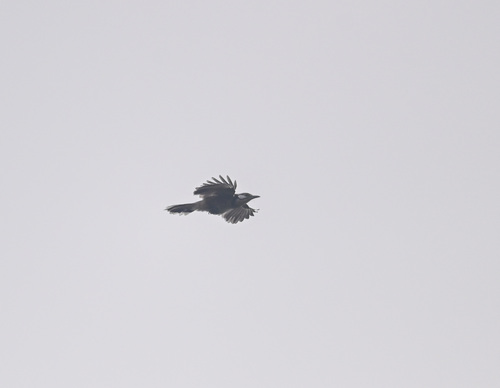
クビワガビチョウ (Pterorhinus pectoralis) クビワガビチョウ
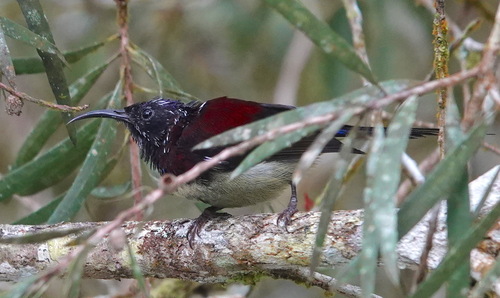
ムナグロタイヨウチョウ (Aethopyga saturata) ムナグロタイヨウチョウ

メディア

読み込み中…

要点

グレーターネックレースドラフティングスはムナグロタイヨウチョウとサイズと構造で分けるのが最も信頼できる方法です:ラフティングスは大きくて頑丈な鳥で、タイヨウチョウは小さくて繊細です。距離があっても、または光が悪くても、ラフティングスのずんぐりした体と強いくちばしは、タイヨウチョウの細長い蜜を吸うシルエットに対して際立っています。両種は似たような森林生息地に生息することがあるため、文脈だけでは不十分です。鳥が飛んでいるか止まっているのを見た場合、まず全体の形と比率に焦点を当て、その後、くちばしの形や羽毛のコントラストの違いを探してください。

識別のコツ

  1. Size is the fastest check: 鳥が小さく、大きな昆虫よりわずかに大きい場合、それはタイヨウチョウです。もしそれがずんぐりしていて、カラスやカケスのサイズで、またはツグミよりもはるかに大きく見える場合、それはラフティングスです。
  2. Bill shape: ラフティングスは一般的な食事に適した強くてまっすぐな円錐形のくちばしを持っています。タイヨウチョウは蜜を吸うための長くて細い下向きのくちばしを持っています。シルエットでも、タイヨウチョウのくちばしは明らかに下向きで細いです。
  3. Face and breast pattern: ラフティングスの顔には太い黒と白の「ネックレス」と顔の模様を探してください。タイヨウチョウは年齢や性別に関係なくこの模様を示しません。
  4. Coloration: オスのムナグロタイヨウチョウは黒い喉と金属的な色合いで虹色です;メスは地味ですが、ラフティングスの強い模様は欠けています。ラフティングスはアーストーンで複雑な模様を持ち、決して虹色ではありません。
  5. Tail shape: ラフティングスは長くて広い尾を持ち、しばしば傾けられたり扇形に広げられたりします。タイヨウチョウは短くて狭い尾を持ち、時にはオスに長い中央の羽が見られますが、ラフティングスほど広くも長くもありません。
  6. Flight style: タイヨウチョウは速く、敏捷で、しばしば花の上でホバリングします。ラフティングスは遅く、より直接的な羽ばたきで飛び、ホバリングはめったにしません。
  7. Foraging behavior: タイヨウチョウは通常、花の上で、しばしば高い位置で蜜を吸っています。ラフティングスはより地面や低い低木にいることが多く、昆虫や果物を探しています。
  8. Sociality: ラフティングスはしばしば騒がしい群れで見られます;タイヨウチョウは主に孤独またはペアでいます。
  9. Perched posture: ラフティングスは直立して止まり、しばしば背中を丸めた重い外見をしています。タイヨウチョウはより水平に止まり、繊細に見えます。
  10. Habitat micro-niche: 鳥が密な下草や森林の端にいる場合、ラフティングスを疑ってください;もし樹冠や花の近くにいる場合、タイヨウチョウを疑ってください。
  11. Voice (if heard): メモには記載されていませんが、一般的にラフティングスは大きくて多様な鳴き声を持ち、タイヨウチョウは細く高音の歌を持っています。
  12. Immature birds: どちらの種にも特定の幼鳥や初冬の翼の模様は記載されていないため、若い鳥についてもサイズと構造に頼ってください。
  13. Pitfalls: 悪い光の中での遠くからの視界はタイヨウチョウの色を見えにくくすることがありますが、サイズとくちばしの形は依然として明確であるべきです。メスや幼鳥のタイヨウチョウは地味ですが、ラフティングスの大胆な顔と胸の模様は決して示しません。
  14. Introduced range: ハワイにいる場合、ラフティングスだけが導入種として存在します。
  15. Overlap: 両種は同じ森林に生息することがあるため、場所だけを使用しないでください;常に構造と羽毛を確認してください。

大きさ

グレーターネックレースドラフティングスはムナグロタイヨウチョウよりも劇的に大きいです。タイヨウチョウは約5.3グラムしかなく [wikidata]、小さく、ほぼハチドリサイズの鳥で、ラフティングスは中型から大型のスズメ目の鳥です(正確な質量は記載されていませんが、家族基準でははるかに重くてずんぐりしています)。現場では、ラフティングスはカラスやカケスのサイズに見え、長い尾と重い体を持ち、タイヨウチョウはスズメのサイズかそれ以下で、細くて軽量な体つきをしています。このサイズの差は非常に大きいため、遠くからの視界や短い視界でも混乱は稀です。

羽色

どちらの種にも年齢特有のまたは飛行専用の上翼の模様は記載されていないため、全体の色合いと模様に焦点を当ててください。グレーターネックレースドラフティングスは、胸と顔に太い黒と白の「ネックレス」を持つ複雑な模様の羽毛を示し、一般的にアーストーンの上部を持っています。対照的に、ムナグロタイヨウチョウは特にオスで非常にカラフルで虹色であり、特徴的な黒い喉、金属的な色合い、そしてはるかに模様の少ない外観を持っています。タイヨウチョウのメスや幼鳥は地味ですが、ラフティングスの強い顔と胸の模様は欠けています。すべての年齢と性別において、ラフティングスの顔と胸の模様は、よく見たときに診断的です。

行動

グレーターネックレースドラフティングスは通常、騒がしい社会的な群れで動いているのが見られ、しばしば地面や低い植生の近くで採餌しており、活動的なときには非常に目立つことがあります。ムナグロタイヨウチョウは通常、孤独またはペアで、樹冠の高い位置や中間の高さで花の間を活発に飛び回り、急速なホバリングや止まりながら蜜を吸っています。タイヨウチョウの採餌スタイルははるかに敏捷で空中であり、ラフティングスはより地上性で慎重です。

生息環境

両種は似たような生息地を共有しています:南アジアおよび東南アジアの亜熱帯または熱帯の湿った低地および山地の森林 [wikipedia]。生息地だけでは信頼性がなく、両種は重複する地域や森林タイプで見つかることができます。しかし、生息地内では、ラフティングスは密な下草や森林の端で見られる可能性が高く、タイヨウチョウは樹冠や花の木の周りで見られることが多いです。

より良い説明を送る

比較と同じ項目を使ってください。文章はすぐに公開されます。

The most reliable way to separate Greater Necklaced Laughingthrush from Black-throated Sunbird is by size and structure: the laughingthrush is a large, robust bird, while the sunbird is tiny and delicate. Even at a distance or in poor light, the laughingthrush’s bulky body and strong bill stand out against the sunbird’s slender, nectar-feeding silhouette. Both species can occur in similar forest habitats, so context alone is not enough. If you glimpse the bird in flight or perched, focus on overall shape and proportions first, then look for differences in bill shape and plumage contrast.

  1. Size is the fastest check: If the bird is tiny, barely larger than a large insect, it is a sunbird. If it is bulky, jay-sized, or seems much larger than a thrush, it is a laughingthrush.
  2. Bill shape: Laughingthrushes have a strong, straight, conical bill suited for generalist feeding. Sunbirds have a long, slender, decurved bill for nectar feeding. Even in silhouette, the sunbird’s bill is noticeably downcurved and thin.
  3. Face and breast pattern: Look for the bold black-and-white 'necklace' and facial markings on the laughingthrush. The sunbird never shows this pattern, regardless of age or sex.
  4. Coloration: Male Black-throated Sunbirds are iridescent with a black throat and metallic colors; females are duller but still lack the laughingthrush’s strong patterning. Laughingthrushes are earth-toned with complex markings, never iridescent.
  5. Tail shape: Laughingthrushes have a long, broad tail often held cocked or fanned. Sunbirds have a short, narrow tail, sometimes with elongated central feathers in males, but never as broad or long as the laughingthrush.
  6. Flight style: Sunbirds are fast, agile, and often hover at flowers. Laughingthrushes fly with slower, more direct wingbeats and rarely hover.
  7. Foraging behavior: Sunbirds are usually seen at flowers, often high up, feeding on nectar. Laughingthrushes are more often on the ground or in low shrubs, searching for insects or fruit.
  8. Sociality: Laughingthrushes are often in noisy groups; sunbirds are mostly solitary or in pairs.
  9. Perched posture: Laughingthrushes perch upright, often with a hunched, heavy look. Sunbirds perch more horizontally and look delicate.
  10. Habitat micro-niche: If the bird is in dense undergrowth or forest edge, suspect laughingthrush; if in the canopy or at flowers, suspect sunbird.
  11. Voice (if heard): Not described in the notes, but generally, laughingthrushes are loud and varied in calls, while sunbirds have thin, high-pitched songs.
  12. Immature birds: No specific juvenile or first-winter wing patterns are noted for either species, so rely on size and structure for young birds as well.
  13. Pitfalls: Distant views in poor light can make the sunbird’s colors hard to see, but the size and bill shape should still be clear. Female and immature sunbirds are drab but never show the laughingthrush’s bold face and breast pattern.
  14. Introduced range: If in Hawaii, only the laughingthrush is present as an introduced species.
  15. Overlap: Both species can occur in the same forests, so do not use location alone; always check structure and plumage.

Greater Necklaced Laughingthrush is dramatically larger than Black-throated Sunbird. The sunbird weighs only about 5.3 grams [wikidata], making it a tiny, almost hummingbird-sized bird, while the laughingthrush is a medium-to-large passerine (exact mass not given, but far heavier and bulkier by family standards). In the field, this means the laughingthrush appears crow- or jay-sized, with a long tail and heavy body, while the sunbird is sparrow-sized or smaller, with a slim, lightweight build. This size gap is so great that even distant or brief views should make confusion rare.

No age-specific or flight-only upperwing patterns are described for either species, so focus on overall coloration and markings. Greater Necklaced Laughingthrush shows a complex, patterned plumage with a bold black-and-white 'necklace' across the breast and face, and generally earth-toned upperparts. Black-throated Sunbird, in contrast, is much more colorful and iridescent, especially in males, with a distinctive black throat, metallic hues, and a much less patterned appearance. Females and immatures of the sunbird are plainer but still lack the laughingthrush’s strong facial and breast markings. In all ages and sexes, the laughingthrush’s face and breast pattern is diagnostic when seen well.

Greater Necklaced Laughingthrushes are typically seen moving in noisy, social groups, often foraging on or near the ground or in low vegetation, and can be quite conspicuous when active. Black-throated Sunbirds are usually solitary or in pairs, actively flitting among flowers high in the canopy or at mid-levels, feeding on nectar with rapid, hovering or perching movements. The sunbird’s feeding style is much more agile and aerial, while the laughingthrush is more terrestrial and deliberate.

Both species share similar habitats: subtropical or tropical moist lowland and montane forests across South and Southeast Asia [wikipedia]. Habitat alone does not reliably separate them, as both can be found in overlapping regions and forest types. However, within the habitat, the laughingthrush is more likely to be seen in dense undergrowth or at forest edges, while the sunbird is more often in the canopy or around flowering trees.

変更を破棄しますか?

保存していない編集があります。今離れると失われます。

クビワガビチョウ · ムナグロタイヨウチョウ · 苦手な鳥