

Motmot

セイキムクドリ 対 アカガタテリムク

Lamprotornis chalybaeus 対 Lamprotornis nitens

セイキムクドリとアカガタテリムクのクイズ
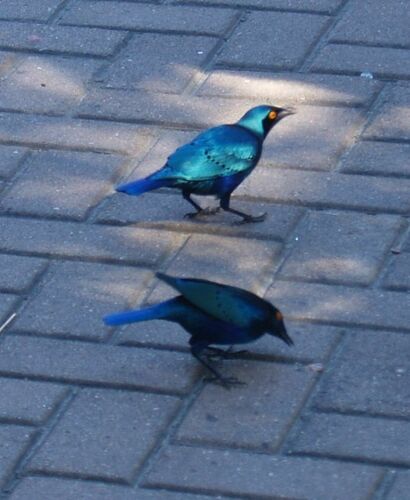
セイキムクドリ (Lamprotornis chalybaeus) セイキムクドリ
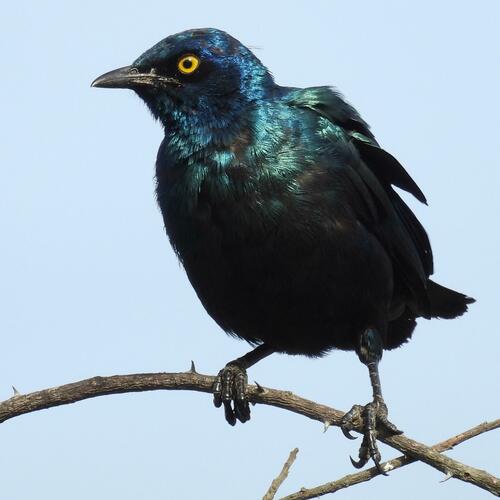
アカガタテリムク (Lamprotornis nitens) アカガタテリムク

メディア

読み込み中…

要点

セイキムクとアカガタテリムクの間で最も信頼できるフィールドマークは、腹部の青色の広がりとトーンです:セイキムクは脚の前方に広がる深い青い腹を示しますが、アカガタテリムクはより均一に光沢があり、このはっきりと区別された青い腹を欠いています。両者は開けた生息地の光沢のある黄色い目のムクドリですが、アカガタテリムクはより大きく、尾が長く、色が均一で、上面には緑がかったトーンがあります。幼鳥のセイキムクは腹部がずっと鈍く、黒褐色の腹部を持ちますが、アカガタテリムクの幼鳥はそのような強いコントラストを持つとは記述されていません。構造と尾の長さは止まっている鳥に役立ちますが、腹部の色と光沢のパターンが最も有用です。両種は群れを成し、しばしば一緒に見られるため、これらの微妙な違いに注意を払う必要があります。

識別のコツ

  1. Underpart color (adults): セイキムクは脚の前方に広がる深い青い腹を持ち、体の他の部分との強いコントラストを生み出します。アカガタテリムクはより均一に光沢があり、このはっきりと区別された青い腹を欠いています。
  2. Juvenile plumage: 幼鳥のセイキムクはずっと鈍く、黒褐色の腹部が光沢のある上面と対照的で、アカガタテリムクの幼鳥とは強い区別があります。
  3. Ear patch: セイキムクは明確な青い耳の斑点を示しますが、アカガタテリムクの耳羽は暗いですが、そこまで青くはありません。
  4. Overall gloss: アカガタテリムクはより均一に光沢があり、青い頭と緑がかった青い上面を持ちますが、セイキムクは青緑と紫青のトーンでより多様な光沢を持っています。
  5. Tail length: アカガタテリムクは尾が長く、止まっているときにより細長く見えます;セイキムクは尾が短く、よりコンパクトです。
  6. Size: アカガタテリムクはわずかに大きく、重いですが、これは微妙で、直接比較や混合群で使用するのが最適です。
  7. Wing and tail color (subspecies): 一部のアカガタテリムクの亜種は、より緑がかった翼と尾を持ち、二次羽の内側の羽軸はマットブラックのことがありますが、これは微妙で常に見えるわけではありません。
  8. Iris color: 両種は成鳥で明るい黄色またはオレンジの目を持っているため、これは有用な区別ではありません。
  9. Habitat context: 南アフリカでは、アカガタテリムクは郊外の庭や公園にいる可能性が高いですが、セイキムクは開けた森林を好みますが、両者は広く重なります。
  10. Flocking behavior: 両種は群れを成し、しばしば混ざるため、行動は信頼できる区別ではありません。
  11. Vocalizations: 鳴き声は変動があり重なります;セイキムクの鼻音の「スキューア」は役立つかもしれませんが、アカガタテリムクのさえずりや模倣はフィールドでの区別に十分ではありません。
  12. Feeding behavior: 両種は地面で餌を取り、時には家畜に止まって昆虫や外部寄生虫を食べ、似たような食物を取ります;これは識別には役立ちません。
  13. Season and sex: 両種は両性で年中似ており、季節的または性的二形は識別に役立ちません。
  14. Pitfalls: 混合群では、腹部の青の広がりと光沢の均一性に焦点を当ててください;特にセイキムクの鈍い幼鳥には注意してください、これらは腹部がずっと光沢がないように見えることがあります。
  15. When in doubt: 腹部の色、尾の長さ、全体の光沢のパターンの組み合わせを使用し、比較のために複数の個体を見るようにしてください。

大きさ

アカガタテリムクはセイキムク(22 cm、85.8 g)と比較して、わずかに大きく、全体的に長い(約25 cm、88–100 g)です。この違いは、アカガタテリムクの尾が長く、ややがっしりした体格によってフィールドでより明らかですが、両者は中型のムクドリであり、混合群では似て見えることがあります。サイズの違いは微妙で、単独の鳥では常に信頼できるわけではありません。

羽色

幼鳥のセイキムクは成鳥よりも明らかに鈍く、黒褐色の腹部が光沢のある青緑の上面と対照的です;これは若い鳥を区別するための強いマークです、アカガタテリムクの幼鳥はそのような暗く対照的な腹部を示すとは記載されていません。成鳥のセイキムクは光沢のある青緑の体、青い耳の斑点、脚の前方に広がる紫青の腹を持っています。対照的に、アカガタテリムクの成鳥はより均一に光沢があり、青い頭、暗い耳羽、緑がかった青い上面を持ちますが、はっきりとした青い腹はありません。アカガタテリムクの光沢はより均一で、腹部はセイキムクの深い青の広がりを示しません。アカガタテリムクの亜種はより緑がかった翼と尾を示すことがありますが、二次羽の内側の羽軸は一部の形態でマットブラックになることがあります。両種は成鳥で明るい黄色またはオレンジの虹彩を持っています。

行動

両種は非常に群れを成し、大きな群れを形成し、しばしば互いにおよび他のムクドリ種と関連しています。彼らは主に地面で餌を探し、時には家畜に止まって昆虫や外部寄生虫を食べます。両者は雑食性で、昆虫、果物、時には蜜を取ります。彼らの社会的行動と餌の習慣は非常に似ており、フィールドでの区別には役立ちません。

生息環境

セイキムクはサハラ以南のアフリカ全域に広く分布し、南アフリカの東部および北東部を含み、開けた森林に一般的です。アカガタテリムクは南アフリカにより制限されており、南アフリカ、ナミビア、ボツワナ、および隣接地域に見られ、森林、ブッシュフェルド、サバンナ、郊外の地域に生息しています。南アフリカでは、両種は開けた生息地で重なりますが、アカガタテリムクは郊外の公園や庭にいる可能性が高く、セイキムクは開けた森林に典型的です。しかし、両者は開けた国の混合群で一緒に見られることがあります。

声

セイキムクの最も親しみやすい鳴き声は鼻音の「スキューア」で、音楽的または耳障りな音の範囲があります。アカガタテリムクは長いさえずりの歌を持ち、環境音を模倣することで知られています。両者は騒がしく変動があり、彼らの鳴き声は特に混合群ではフィールドでの診断には常に役立ちません。

より良い説明を送る

比較と同じ項目を使ってください。文章はすぐに公開されます。

The most reliable field mark between Greater Blue-eared Starling and Cape Starling is the extent and tone of blue on the underparts: Greater Blue-eared Starling shows a deep blue belly that extends forward of the legs, while Cape Starling is more uniformly glossy and lacks this sharply demarcated blue belly. Both are glossy, yellow-eyed starlings of open habitats, but Cape Starling is larger, longer-tailed, and more uniformly colored, with a greener tone to the upperparts. Juvenile Greater Blue-eared Starlings are much duller below, with blackish brown underparts, while Cape Starling immatures are not described as having such a strong contrast. Structure and tail length can help in perched birds, but the underpart color and gloss pattern are most useful. Both species are gregarious and often found together, so careful attention to these subtle differences is needed.

  1. Underpart color (adults): Greater Blue-eared Starling has a deep blue belly that extends forward of the legs, creating a strong contrast with the rest of the body. Cape Starling is more uniformly glossy below, lacking this sharply demarcated blue belly.
  2. Juvenile plumage: Juvenile Greater Blue-eared Starling is much duller, with blackish brown underparts contrasting with glossy upperparts—a strong separation from Cape Starling juveniles, which are not described as having such dark bellies.
  3. Ear patch: Greater Blue-eared Starling shows a distinct blue ear patch, while Cape Starling's ear coverts are darker but not as sharply blue.
  4. Overall gloss: Cape Starling is more evenly glossy, with a blue head and greenish-blue upperparts, while Greater Blue-eared has a more varied gloss with blue-green and purple-blue tones.
  5. Tail length: Cape Starling is longer-tailed and appears more elongated when perched; Greater Blue-eared Starling is shorter-tailed and more compact.
  6. Size: Cape Starling is slightly larger and heavier, but this is subtle and best used in direct comparison or mixed flocks.
  7. Wing and tail color (subspecies): Some Cape Starling subspecies have greener wings and tail, and the inner vanes of the secondaries may be matt black, but this is subtle and not always visible.
  8. Iris color: Both species have bright yellow or orange eyes in adults, so this is not a useful separation.
  9. Habitat context: In southern Africa, Cape Starling is more likely in suburban gardens and parks, while Greater Blue-eared prefers open woodland, but both overlap widely.
  10. Flocking behavior: Both species are gregarious and often mix, so behavior is not a reliable separator.
  11. Vocalizations: Calls are variable and overlapping; Greater Blue-eared's nasal "squee-ar" may help, but Cape Starling's warbling and mimicry are not distinctive enough for separation in the field.
  12. Feeding behavior: Both species feed on the ground, sometimes on livestock, and take similar foods; this does not help with identification.
  13. Season and sex: Both species are similar in both sexes and year-round; no seasonal or sexual dimorphism aids identification.
  14. Pitfalls: In mixed flocks, focus on the extent of blue on the belly and the evenness of gloss; beware of dull juveniles, especially Greater Blue-eared, which can appear much less glossy below.
  15. When in doubt: Use a combination of belly color, tail length, and overall gloss pattern, and try to see multiple individuals for comparison.

Cape Starling is slightly larger and longer overall (about 25 cm and 88–100 g) compared to Greater Blue-eared Starling (22 cm and 85.8 g). The difference is more apparent in the field by Cape Starling's longer tail and slightly bulkier build, but both are medium-sized starlings and can appear similar in mixed flocks. The size difference is subtle and not always reliable on lone birds.

Juvenile Greater Blue-eared Starlings are distinctly duller than adults, with blackish brown underparts that contrast with the glossy blue-green upperparts; this is a strong mark for separating young birds, as Cape Starling juveniles are not noted to show such dark, contrasting bellies. Adult Greater Blue-eared Starling has a glossy blue-green body, a blue ear patch, and a purple-blue belly with the blue extending forward of the legs. In contrast, Cape Starling adults are more uniformly glossy, with a blue head, darker ear coverts, and greenish-blue upperparts, but without the sharply defined blue belly. Cape Starling's gloss is more even, and the underparts do not show the deep blue extension of Greater Blue-eared. Subspecies of Cape Starling may show greener wings and tail, but the inner vanes of secondaries can be matt black in some forms. Both species have bright yellow or orange irises in adults.

Both species are highly gregarious, forming large flocks and often associating with each other and other starling species. They forage mainly on the ground, sometimes perching on livestock to feed on insects or ectoparasites. Both are omnivorous, taking insects, fruit, and occasionally nectar. Their social behavior and feeding habits are very similar, and not useful for field separation.

Greater Blue-eared Starling ranges widely across sub-Saharan Africa, including eastern and northeastern South Africa, and is common in open woodland. Cape Starling is more restricted to southern Africa, including South Africa, Namibia, Botswana, and adjacent regions, and is found in woodlands, bushveld, savannah, and suburban areas. In southern Africa, both species overlap in open habitats, but Cape Starling is more likely in suburban parks and gardens, while Greater Blue-eared is more typical of open woodland. However, both can be found together in mixed flocks in open country.

Greater Blue-eared Starling's most familiar call is a nasal "squee-ar," with a range of musical or grating notes. Cape Starling has a lengthy warbling song and is known for imitating environmental sounds. Both can be noisy and variable, and their calls are not always diagnostic in the field, especially in mixed flocks.

変更を破棄しますか?

保存していない編集があります。今離れると失われます。

セイキムクドリ · アカガタテリムク · 苦手な鳥