

Motmot

ズグロミズナギドリ 対 チチュウカイミズナギドリ

Ardenna gravis 対 Puffinus yelkouan

ズグロミズナギドリとチチュウカイミズナギドリのクイズ
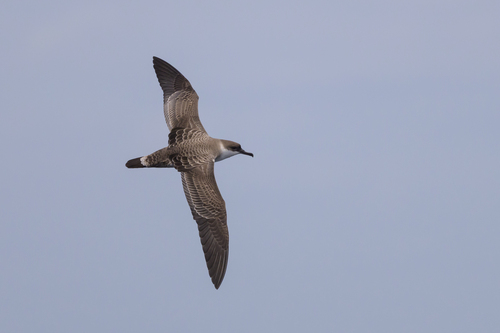
ズグロミズナギドリ (Ardenna gravis) ズグロミズナギドリ
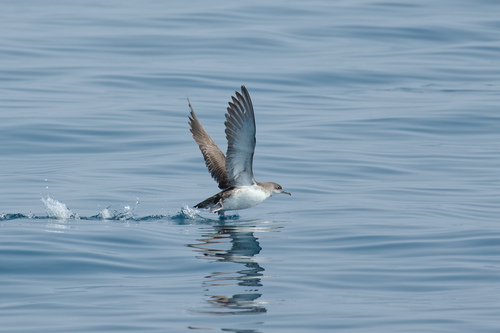
チチュウカイミズナギドリ (Puffinus yelkouan) チチュウカイミズナギドリ

メディア

読み込み中…

要点

ズグロミズナギドリとチチュウカイミズナギドリを区別する最も信頼できる方法は、サイズと構造です:ズグロミズナギドリははるかに大きく、ずんぐりした体型で、翼幅が長く、体重も重いです。飛行中、ズグロミズナギドリは特徴的な暗い腹部の斑点と尾の基部に白い馬蹄形のマークを示しますが、チチュウカイはこれらの特徴がなく、上面がより均一に暗く、下面が淡いように見えます。両種は典型的な「シアリング」飛行スタイルを持っていますが、ズグロミズナギドリの飛行はより力強く、直接的で、翼はより硬く、まっすぐです。暗い帽子と明らかな白い尾の基部を持つ大きくて広い翼のミズナギドリを見たら、それはズグロミズナギドリです;より小さく、スリムな鳥で、より均一な黒と白のパターンを持つのはチチュウカイです。

識別のコツ

  1. サイズは最も即座の手がかりです: ズグロミズナギドリはチチュウカイよりもはるかに大きく、ずんぐりしています。もし鳥がほぼカモメのサイズに見える場合、それはズグロです;もし小さなトンビやマンクスミズナギドリに近い場合、それはチチュウカイです。これはすべての年齢と季節に当てはまります。
  2. 翼幅と構造: ズグロミズナギドリは長くて広い翼と重い、バレル型の体を持っています。チチュウカイはスリムで、翼が狭く、より繊細な体型です。混合群れでは、この違いが際立ちます。
  3. 尾のパターン: ズグロミズナギドリの尾の基部にある白い「馬蹄」を探してください。チチュウカイはこの特徴がなく、無地の尾の基部を持っています。これは、止まっている鳥や飛んでいる鳥の両方で、特に後ろから見ると確認できます。
  4. 腹部の斑点: ズグロミズナギドリは、他の白い腹部と対照的な茶色の腹部の斑点を示します。チチュウカイの腹部は清潔な白またはわずかに曇った色ですが、決して明確な斑点を示しません。これは、良い光の下から見ると最もよく確認できます。
  5. 帽子と顔: ズグロミズナギドリは目の下まで伸びる黒い帽子を持ち、フードのように見えます。チチュウカイの頭はより均一に暗く、上面に溶け込んでおり、鋭い帽子はありません。
  6. 肩のマーキング: ズグロミズナギドリは、飛行中に上翼に暗い肩のマークを示すことがよくあります。チチュウカイの上翼はより均一に暗く、強い肩のコントラストがありません。
  7. くちばしの色: ズグロミズナギドリは黒いくちばしを持っています;チチュウカイのくちばしも暗いですが、これは強い区別にはならず、ズグロのくちばしはより重く見えるかもしれません。
  8. 飛行スタイル: 両者はシアリングしますが、ズグロミズナギドリの飛行はより力強く、直接的で、翼の拍動が少なく、滑空が長いです。チチュウカイはよりフラッターし、敏捷で、しばしば方向を素早く変えます。
  9. 群れのサイズ: ズグロミズナギドリは、特に漁船の周りで大きくて騒がしい群れで見られることがよくあります。チチュウカイは通常、小さな群れまたは単独で見られます。
  10. 地理的文脈: 地中海では、ミズナギドリはほぼ確実にチチュウカイです。オープンな大西洋、特に西ヨーロッパやアメリカの沖では、ズグロミズナギドリの方が可能性が高いです。
  11. 下翼のパターン: 両者は淡い下翼を持っていますが、ズグロミズナギドリの下翼はより清潔な白で、チチュウカイの下翼は曇ったり、にじんで見えることがあります。これは微妙で、必ずしも信頼できるわけではありません。
  12. 声: 水上の群れから大きな「イーヤー」という鳴き声が聞こえたら、それはおそらくズグロミズナギドリです。チチュウカイは海では静かです。
  13. マンクスミズナギドリとの比較: チチュウカイはマンクスに非常に似ており、混同されることがあります;ズグロミズナギドリはどちらよりもはるかに大きく、頑丈です。
  14. 幼鳥/未成熟の鳥: 両種に特有の年齢別の上翼パターンは記載されていないため、すべての年齢に対してサイズと尾/腹部のマークに頼ってください。
  15. 羽毛の落とし穴: 光が悪い場合や距離がある場合、チチュウカイは下面が暗く見えることがありますが、ズグロミズナギドリの大胆な腹部の斑点や尾の馬蹄を決して示しません。微妙なマークに頼る前に、これらの強いコントラストを常に探してください。

大きさ

ズグロミズナギドリは明らかに大きく、長さ43〜51 cm、翼幅105〜122 cmです。チチュウカイミズナギドリは30〜35 cmの長さで、翼幅は70〜84 cmとずっと小さいです。このサイズの違いは、直接比較や他の海鳥の近くで見たときに明らかです。ズグロミズナギドリはずんぐりしていて長い翼を持ち、チチュウカイはよりコンパクトでスレンダーです。確信が持てない場合は、近くのカモメや他のミズナギドリと比較してください。

羽色

年齢特有の上翼パターンは両種に記載されていないため、成鳥の羽毛に焦点を当ててください。ズグロミズナギドリの成鳥は、特徴的な黒い帽子を持つ暗い上面、茶色の腹部の斑点を除いて白い下面、尾の基部に白い「馬蹄」を示します。暗い肩のマーキングと黒いくちばしも目立ちます。対照的に、チチュウカイミズナギドリは上面がより均一に暗く、下面が白で、腹部の斑点と尾の馬蹄がありません。チチュウカイは、暗い上翼と淡い下面の間の鋭いコントラストのために飛んでいる十字架のように見えることがありますが、ズグロミズナギドリの大胆な尾や腹部のマークは示しません。両種は暗い上翼と淡い下翼を持っていますが、ズグロミズナギドリの下翼はより清潔な白で、チチュウカイの下翼はわずかに曇って見えることがあります。幼鳥や未成熟の特有の上翼パターンは、情報源には詳述されていません。

行動

両種は典型的な「シアリング」飛行を示し、硬い翼で水面を低く滑空し、翼の拍動が少ないです。ズグロミズナギドリの飛行はより力強く、直接的で、翼が硬くまっすぐに保たれ、長い間滑空しているように見えます。チチュウカイミズナギドリもシアリングしますが、より浮力があり、敏捷に見えることがあります。ズグロミズナギドリは、大きくて騒がしい群れで船を追う可能性が高く、チチュウカイはあまり群れを作らず、通常は小さな群れで見られます。

生息環境

ズグロミズナギドリは大西洋の種で、南大西洋の遠隔の島で繁殖し、大西洋を広く移動し、アメリカの東海岸や西ヨーロッパの沖でよく見られます。チチュウカイミズナギドリは地中海の専門家で、地域から遠く離れることはほとんどありません。地中海で見られた場合、チチュウカイが期待されます;ズグロミズナギドリはそこでは非常に珍しいです。西ヨーロッパの沖、特に夏の終わりには、ズグロミズナギドリがより可能性があります。生息地の重複は、珍しい迷鳥を除いて最小限です。

声

ズグロミズナギドリは、通常、水上の群れで休んでいるときに聞こえる鋭い「イーヤー」という鳴き声を持っています。チチュウカイミズナギドリの鳴き声は情報源には記載されていませんが、一般的に海では目立たないです。声は、鳥が休んでいるときに鳴いていない限り、海での診断にはあまり役立たないでしょう。

より良い説明を送る

比較と同じ項目を使ってください。文章はすぐに公開されます。

The most reliable way to separate Great Shearwater from Yelkouan Shearwater is by size and structure: Great Shearwater is much larger and bulkier, with a longer wingspan and heavier build. In flight, Great Shearwater shows a distinctive dark belly patch and a white horseshoe-shaped mark at the base of the tail, while Yelkouan lacks these features and appears more uniformly dark above and pale below. Both species have the classic 'shearing' flight style, but Great Shearwater's flight is more powerful and direct, with stiffer, straighter wings. If you see a large, broad-winged shearwater with a dark cap and obvious white tail base, it's Great Shearwater; a smaller, slimmer bird with a more even dark-and-white pattern is Yelkouan.

  1. Size is the most immediate clue: Great Shearwater is much larger and bulkier than Yelkouan. If the bird looks nearly gull-sized, it's Great; if it's closer to a small tern or Manx Shearwater, it's Yelkouan. This works for all ages and seasons.
  2. Wingspan and structure: Great Shearwater has long, broad wings and a heavy, barrel-chested body. Yelkouan is slim, with narrower wings and a more delicate build. In mixed flocks, this difference stands out.
  3. Tail pattern: Look for the white 'horseshoe' at the base of the tail on Great Shearwater. Yelkouan lacks this feature and has a plain tail base. This is visible in both perched and flying birds, especially from behind.
  4. Belly patch: Great Shearwater shows a brown belly patch contrasting with its otherwise white underparts. Yelkouan's underparts are clean white or slightly dusky, but never show a distinct patch. This is best seen in good light from below.
  5. Cap and face: Great Shearwater has a black cap extending below the eye, giving a hooded look. Yelkouan's head is more uniformly dark, blending into the upperparts, without a sharp cap.
  6. Shoulder markings: Great Shearwater often shows dark shoulder marks on the upperwing, visible in flight. Yelkouan's upperwing is more evenly dark, lacking strong shoulder contrast.
  7. Bill color: Great Shearwater has a black bill; Yelkouan's bill is also dark, so this is not a strong separator, but Great's bill may appear heavier.
  8. Flight style: Both shear, but Great Shearwater's flight is more forceful and direct, with fewer wingbeats and longer glides. Yelkouan is more fluttery and agile, often changing direction quickly.
  9. Group size: Great Shearwater is often seen in large, noisy flocks, especially around fishing boats. Yelkouan is usually in small groups or singly.
  10. Geographic context: In the Mediterranean, a shearwater is almost certainly Yelkouan. In the open Atlantic, especially off western Europe or the Americas, Great Shearwater is more likely.
  11. Underwing pattern: Both have pale underwings, but Great Shearwater's is cleaner white, while Yelkouan's may appear duskier or smudged. This is subtle and not always reliable.
  12. Voice: If you hear a loud 'eeyah' call from a group on the water, it's likely Great Shearwater. Yelkouan is quieter at sea.
  13. Comparison with Manx Shearwater: Yelkouan is very similar to Manx and can be confused with it; Great Shearwater is much larger and more robust than either.
  14. Juvenile/immature birds: No distinctive age-specific upperwing patterns are described for either species, so rely on size and tail/belly marks for all ages.
  15. Plumage pitfalls: In poor light or at distance, Yelkouan may appear darker below, but will never show the bold belly patch or tail horseshoe of Great Shearwater. Always look for these strong contrasts before relying on subtler marks.

Great Shearwater is significantly larger, measuring 43–51 cm in length with a wingspan of 105–122 cm. Yelkouan Shearwater is much smaller at 30–35 cm long and a wingspan of 70–84 cm. This size difference is obvious in direct comparison or when seen near other seabirds. Great Shearwater appears bulkier and longer-winged, while Yelkouan is more compact and slender. If you are unsure, compare with nearby gulls or other shearwaters for context.

Age-specific upperwing patterns are not described for either species, so focus on adult plumage. Great Shearwater adults show dark upperparts with a distinctive black cap, white underparts except for a brown belly patch, and a white 'horseshoe' at the base of the tail. The dark shoulder markings and black bill are also notable. In contrast, Yelkouan Shearwater is more evenly dark above and white below, lacking the belly patch and tail horseshoe. Yelkouan can look like a flying cross due to the sharp contrast between dark upperwings and pale underparts, but does not show the bold tail or belly marks of Great Shearwater. Both species have a dark upperwing and pale underwing, but Great Shearwater's underwing is cleaner white, while Yelkouan's may appear slightly duskier. Juvenile or immature-specific upperwing patterns are not detailed for either species in the sources.

Both species display the classic 'shearing' flight, gliding low over the water with stiff wings and few wingbeats. Great Shearwater's flight is more powerful and direct, with wings held stiff and straight, and it often appears to glide for longer periods. Yelkouan Shearwater also shears, but may look more buoyant and agile due to its smaller size. Great Shearwater is more likely to follow ships in large, noisy flocks, while Yelkouan is less gregarious and usually seen in smaller groups.

Great Shearwater is an Atlantic species, breeding on remote South Atlantic islands and migrating widely in the Atlantic, often seen off the eastern coasts of the Americas and western Europe. Yelkouan Shearwater is a Mediterranean specialist, rarely straying far from the region. If seen in the Mediterranean, Yelkouan is expected; Great Shearwater is extremely rare there. Off western Europe, especially in late summer, Great Shearwater is more likely. Habitat overlap is minimal except for rare vagrants.

Great Shearwater has a piercing 'eeyah' cry, usually heard when resting in groups on the water. Yelkouan Shearwater's calls are not described in the sources, but are generally less conspicuous at sea. Voice is unlikely to be diagnostic at sea unless birds are calling at rest.

変更を破棄しますか?

保存していない編集があります。今離れると失われます。

ズグロミズナギドリ · チチュウカイミズナギドリ · 苦手な鳥