

Berta dell'Atlantico vs Berta minore
Ardenna gravis contro Puffinus yelkouan
Fai un quiz con Berta dell'Atlantico e Berta minore
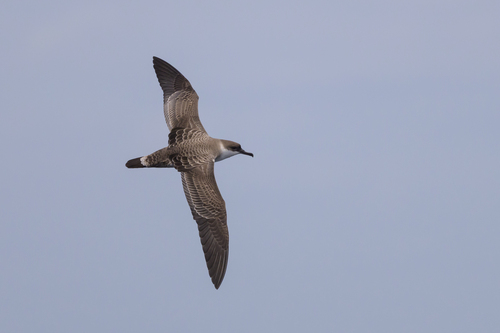 Berta dell'Atlantico
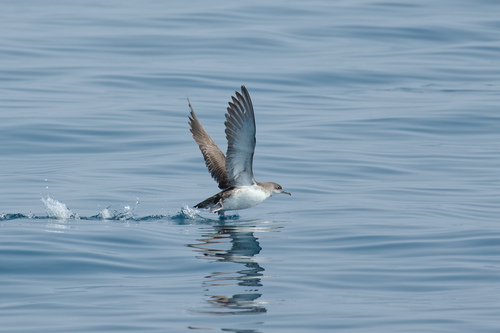 Berta minore
In breve
Il modo più affidabile per separare la Berta dell'Atlantico dalla Berta minore è per dimensioni e struttura: la Berta dell'Atlantico è molto più grande e robusta, con un'apertura alare più lunga e una corporatura più pesante. In volo, la Berta dell'Atlantico mostra una distintiva macchia scura sul ventre e un segno bianco a forma di ferro di cavallo alla base della coda, mentre la Berta minore manca di queste caratteristiche e appare più uniformemente scura sopra e chiara sotto. Entrambe le specie hanno il classico stile di volo 'a taglio', ma il volo della Berta dell'Atlantico è più potente e diretto, con ali più rigide e dritte. Se vedi una grande berta con ali larghe, un cappuccio scuro e una base della coda bianca evidente, è la Berta dell'Atlantico; un uccello più piccolo e snello con un motivo più uniforme di scuro e bianco è la Berta minore.
Consigli di identificazione
- La dimensione è l'indizio più immediato: La Berta dell'Atlantico è molto più grande e robusta della Berta minore. Se l'uccello sembra quasi delle dimensioni di un gabbiano, è la Berta; se è più vicino a una piccola sterna o alla Manx Shearwater, è la Berta minore. Questo funziona per tutte le età e stagioni.
- Apertura alare e struttura: La Berta dell'Atlantico ha ali lunghe e larghe e un corpo pesante e robusto. La Berta minore è snella, con ali più strette e una corporatura più delicata. In stormi misti, questa differenza si distingue.
- Motivo della coda: Cerca il 'ferro di cavallo' bianco alla base della coda sulla Berta dell'Atlantico. La Berta minore manca di questa caratteristica e ha una base della coda semplice. Questo è visibile sia sugli uccelli in perching che in volo, specialmente da dietro.
- Macchia sul ventre: La Berta dell'Atlantico mostra una macchia bruna sul ventre che contrasta con le sue parti inferiori altrimenti bianche. Le parti inferiori della Berta minore sono bianche pulite o leggermente scure, ma non mostrano mai una macchia distintiva. Questo è meglio visto in buona luce da sotto.
- Cappuccio e faccia: La Berta dell'Atlantico ha un cappuccio nero che si estende sotto l'occhio, dando un aspetto incappucciato. La testa della Berta minore è più uniformemente scura, fondendosi con le parti superiori, senza un cappuccio netto.
- Segni sulla spalla: La Berta dell'Atlantico mostra spesso segni scuri sulla spalla dell'ala superiore, visibili in volo. L'ala superiore della Berta minore è più uniformemente scura, priva di un forte contrasto sulla spalla.
- Colore del becco: La Berta dell'Atlantico ha un becco nero; il becco della Berta minore è anch'esso scuro, quindi questo non è un forte separatore, ma il becco della Berta potrebbe apparire più pesante.
- Stile di volo: Entrambe le specie tagliano, ma il volo della Berta dell'Atlantico è più energico e diretto, con meno battiti d'ali e planate più lunghe. La Berta minore è più aggraziata e agile, cambiando spesso direzione rapidamente.
- Dimensione del gruppo: La Berta dell'Atlantico è spesso vista in grandi stormi rumorosi, specialmente intorno alle barche da pesca. La Berta minore è solitamente in piccoli gruppi o singolarmente.
- Contesto geografico: Nel Mediterraneo, una berta è quasi certamente la Berta minore. Nell'Atlantico aperto, specialmente al largo dell'Europa occidentale o delle Americhe, è più probabile che sia la Berta dell'Atlantico.
- Motivo dell'ala inferiore: Entrambe hanno ali inferiori chiare, ma quella della Berta dell'Atlantico è bianca più pulita, mentre quella della Berta minore può apparire più scura o macchiata. Questo è sottile e non sempre affidabile.
- Voce: Se senti un forte richiamo 'eeyah' da un gruppo sull'acqua, è probabile che sia la Berta dell'Atlantico. La Berta minore è più silenziosa in mare.
- Confronto con la Manx Shearwater: La Berta minore è molto simile alla Manx e può essere confusa con essa; la Berta dell'Atlantico è molto più grande e robusta di entrambe.
- Uccelli giovanili/immaturi: Non sono descritti motivi specifici per l'ala superiore per età per nessuna delle due specie, quindi fai affidamento su dimensioni e segni sulla coda/ventre per tutte le età.
- Trappole di piumaggio: In scarsa luce o a distanza, la Berta minore può apparire più scura sotto, ma non mostrerà mai la forte macchia sul ventre o il ferro di cavallo della Berta dell'Atlantico. Cerca sempre questi forti contrasti prima di fare affidamento su segni più sottili.
Taglia
La Berta dell'Atlantico è significativamente più grande, misurando 43–51 cm di lunghezza con un'apertura alare di 105–122 cm. La Berta minore è molto più piccola, lunga 30–35 cm e con un'apertura alare di 70–84 cm. Questa differenza di dimensioni è ovvia in un confronto diretto o quando vista vicino ad altri uccelli marini. La Berta dell'Atlantico appare più robusta e con ali più lunghe, mentre la Berta minore è più compatta e snella. Se non sei sicuro, confronta con gabbiani o altre berte vicine per contesto.
Piumaggio
Non sono descritti motivi specifici per l'ala superiore per età per nessuna delle due specie, quindi concentrati sul piumaggio degli adulti. Gli adulti della Berta dell'Atlantico mostrano parti superiori scure con un distintivo cappuccio nero, parti inferiori bianche tranne per una macchia bruna sul ventre e un 'ferro di cavallo' bianco alla base della coda. I segni scuri sulla spalla e il becco nero sono anche notevoli. Al contrario, la Berta minore è più uniformemente scura sopra e bianca sotto, priva della macchia sul ventre e del ferro di cavallo. La Berta minore può sembrare una croce in volo a causa del forte contrasto tra le ali superiori scure e le parti inferiori chiare, ma non mostra i forti segni sulla coda o sul ventre della Berta dell'Atlantico. Entrambe le specie hanno un'ala superiore scura e un'ala inferiore chiara, ma l'ala inferiore della Berta dell'Atlantico è bianca più pulita, mentre quella della Berta minore può apparire leggermente più scura. Non sono dettagliati motivi specifici per l'ala superiore per uccelli giovanili o immaturi per nessuna delle due specie nelle fonti.
Comportamento
Entrambe le specie mostrano il classico volo 'a taglio', planando basso sull'acqua con ali rigide e pochi battiti d'ali. Il volo della Berta dell'Atlantico è più potente e diretto, con ali tenute rigide e dritte, e spesso sembra planare per periodi più lunghi. Anche la Berta minore taglia, ma può apparire più galleggiante e agile a causa delle sue dimensioni più piccole. La Berta dell'Atlantico è più propensa a seguire le navi in grandi stormi rumorosi, mentre la Berta minore è meno gregaria e di solito vista in gruppi più piccoli.
Habitat
La Berta dell'Atlantico è una specie atlantica, nidificando su remote isole dell'Atlantico meridionale e migrando ampiamente nell'Atlantico, spesso vista al largo delle coste orientali delle Americhe e dell'Europa occidentale. La Berta minore è uno specialista del Mediterraneo, raramente allontanandosi molto dalla regione. Se vista nel Mediterraneo, ci si aspetta la Berta minore; la Berta dell'Atlantico è estremamente rara lì. Al largo dell'Europa occidentale, specialmente in tarda estate, è più probabile che si tratti della Berta dell'Atlantico. La sovrapposizione degli habitat è minima, tranne che per rari vagabondi.
Voce
La Berta dell'Atlantico ha un grido penetrante 'eeyah', solitamente udito quando riposa in gruppi sull'acqua. I richiami della Berta minore non sono descritti nelle fonti, ma sono generalmente meno appariscenti in mare. La voce è improbabile che sia diagnostica in mare, a meno che gli uccelli non stiano chiamando mentre riposano.
Berta dell'Atlantico · Berta minore · I miei uccelli difficili