

Motmot

オオゴシキドリ 対 イラワディヒヨドリ

Psilopogon virens 対 Pycnonotus blanfordi

オオゴシキドリとイラワディヒヨドリのクイズ
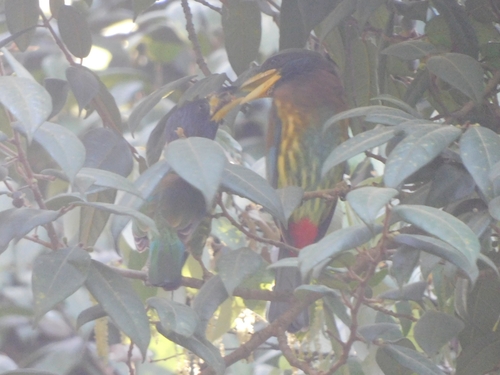
オオゴシキドリ (Psilopogon virens) オオゴシキドリ
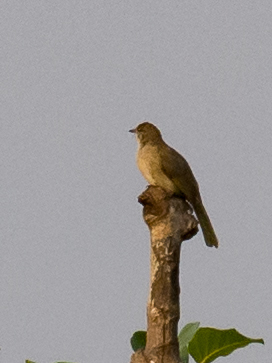
イラワディヒヨドリ (Pycnonotus blanfordi) イラワディヒヨドリ

メディア

読み込み中…

要点

オオゴシキドリとイラワディヒヨドリを区別する最も信頼できるフィールドマークは、単純なサイズと体格です:オオゴシキドリは巨大で重いくちばしを持つ鳥で、イラワディヒヨドリははるかに小さくスリムです。オオゴシキドリは特徴的な青い頭と大きな黄色いくちばしを持ち、緑と茶色の縞模様の体と赤い肛門を示しますが、イラワディヒヨドリはこれらの鮮やかな色を欠いています。飛んでいるときや止まっているとき、オオゴシキドリのサイズ、太いくちばし、カラフルな羽毛は、はるかに地味で小さなヒヨドリと比べて明確です。生息地も役立ちます:オオゴシキドリは高地の森林に生息し、イラワディヒヨドリはミャンマーの低地森林に限定されています。

識別のコツ

  1. Size is the quickest check: オオゴシキドリはイラワディヒヨドリのほぼ10倍の重さです。鳥が大きくてずんぐりして見える場合、ほぼ確実にオオゴシキドリです。
  2. Bill structure: オオゴシキドリは巨大で太く、長い黄色いくちばしを持ち、遠くからでも簡単に見えます。イラワディヒヨドリのくちばしは細く短く、昆虫食または果実食の歌鳥に典型的です。
  3. Head color: オオゴシキドリの青い頭はユニークで診断的です。この地域のヒヨドリには頭に青色を示すものはいません。
  4. Body coloration: オオゴシキドリの緑の上面、茶色と緑の縞模様の下面、赤い肛門を探してください。ヒヨドリははるかに地味で、青、緑、赤を欠いています。
  5. Perched posture: オオゴシキドリは直立して座り、重そうに見え、高い樹冠にいることが多いです。ヒヨドリはより水平に止まり、はるかに軽く見えます。
  6. Flight jizz: オオゴシキドリの飛行は遅くて直線的で、その体格に合っています。ヒヨドリは飛行中により速く、より不規則です。
  7. Habitat context: オオゴシキドリは高地の森林、特にヒマラヤや東南アジアに生息しています。イラワディヒヨドリはミャンマーの低地森林にのみ生息しています。高度と範囲は一方または他方を排除できます。
  8. Vocalizations: 大きくて深い繰り返しの鳴き声はオオゴシキドリを指し示します。ヒヨドリの鳴き声はより柔らかく、共鳴が少ないです。
  9. Group size: オオゴシキドリは通常孤独またはペアで見られますが、ヒヨドリはしばしば小さな群れを形成します。
  10. Seasonal confusion: 両種は常駐しているため、季節は強い区別要因ではありませんが、巣作り中のオオゴシキドリのペアは春と夏により声が大きくなるかもしれません。
  11. Sex and age: 両種に強い性的二形や年齢特有のフィールドマークは記載されていないため、オオゴシキドリのすべての年齢と性別は、いかなるイラワディヒヨドリよりもはるかに大きく、カラフルです。
  12. Pitfalls: 照明が悪いと、オオゴシキドリの色は鈍く見えるかもしれませんが、サイズとくちばしは明らかです。ヒヨドリは決して青い頭や赤い肛門を示しません。
  13. Feeding behavior: オオゴシキドリはしばしば大きな果物を食べ、枝を叩く姿が見られます。ヒヨドリはより小さな果物や昆虫をより繊細に選びます。
  14. Nest site: 鳥が木の穴に入るのを見たら、それはおそらくオオゴシキドリです。ヒヨドリはオープンカップに巣を作ります。
  15. Overlap: 範囲の重複はほとんどありません。ミャンマーの低地の外にいる場合、イラワディヒヨドリは非常に可能性が低いです。

大きさ

オオゴシキドリはイラワディヒヨドリよりも劇的に大きいです。オオゴシキドリは32〜35 cmの長さに達し、192〜295 gの重さがあり、アジア最大のオオゴシキドリです [wikipedia]。対照的に、イラワディヒヨドリは約33 gの重さしかなく [wikidata]、典型的な中型のヒヨドリです。このサイズの違いは、手の中でもフィールドでも明らかで、特に並べて見たり、馴染みのある種と比較したりすると顕著です。オオゴシキドリのくちばしもはるかに太く長く、その頑丈な外観に寄与しています。

羽色

年齢特有の翼や飛行パターンのマークはどちらの種にも記載されていないため、焦点は成鳥の羽毛にあります。オオゴシキドリは非常にカラフルです:成鳥は青い頭、大きな黄色いくちばし、緑の上面、茶色と緑の縞模様の下面、赤い肛門を持っています。この青、緑、赤の組み合わせは地域でユニークです。対照的に、イラワディヒヨドリははるかに控えめで、羽毛に青、緑、赤を欠いています。ヒヨドリの色は情報源に詳細がありませんが、典型的なPycnonotusヒヨドリとして、上面は主に茶色またはオリーブ色で、下面はより淡い色合いで、強い頭や肛門の色合いはありません。オオゴシキドリの大胆な模様は、止まっているときも飛んでいるときも見えますが、ヒヨドリは年間を通じて地味です。

行動

オオゴシキドリはしばしば樹冠の高いところに止まっているか、大きな木の間を飛んでいるのが見られ、意図的に動き、しばしば大声で鳴きます。その重い体格と大きなくちばしは、遅くて目的のある印象を与えます。イラワディヒヨドリは、他のヒヨドリのように、より活発で敏捷で、葉の間をひらひらと飛び回り、しばしばペアや小さな群れで見られます。ヒヨドリの軽い体格とより不規則な動きは、オオゴシキドリのより大きく、遅い行動と対照的です。

生息環境

オオゴシキドリはヒマラヤや東南アジアの3,000 mまでの森林に生息し、高い標高と成熟した森林を好みます [wikipedia]。イラワディヒヨドリはミャンマーに特有で、亜熱帯または熱帯の湿った低地森林に限定されています [wikipedia]。したがって、場所と高度は強い手がかりです:山地の森林で大きくカラフルなオオゴシキドリを見ることは、オオゴシキドリを指し示し、ミャンマーの低地森林で小さく地味なヒヨドリを見ることは、イラワディヒヨドリの可能性が高いです。

声

オオゴシキドリは非常に大きく、遠くまで届く領土の鳴き声を持ち、'kay-oh'と表現される厳しい警報の声'keeab'、繰り返しの'piou-piou-piou-piou'があります [wikipedia]。これらの鳴き声は深く共鳴し、鳥の大きなサイズに合っています。イラワディヒヨドリの鳴き声の詳細は記載されていませんが、ヒヨドリは通常、より柔らかく、よりメロディックまたはおしゃべりな鳴き声を持ち、オオゴシキドリのように大きく共鳴することはありません。深く響く鳴き声が聞こえたら、オオゴシキドリを疑ってください。

より良い説明を送る

比較と同じ項目を使ってください。文章はすぐに公開されます。

The most reliable field mark to separate Great Barbet from Ayeyarwady Bulbul is sheer size and bulk: Great Barbet is a massive, heavy-billed bird, while Ayeyarwady Bulbul is much smaller and slimmer. Great Barbet shows a distinctive blue head and large yellow bill, with a green and brown-streaked body and a red vent, whereas Ayeyarwady Bulbul lacks these bold colors. In flight or perched, the barbet's size, thick bill, and colorful plumage are unmistakable compared to the much plainer, smaller bulbul. Habitat can also help: Great Barbet is found in high-altitude forests, while Ayeyarwady Bulbul is restricted to lowland forests in Myanmar.

  1. Size is the quickest check: Great Barbet is nearly ten times heavier than Ayeyarwady Bulbul. If the bird looks large and chunky, it's almost certainly the barbet.
  2. Bill structure: Great Barbet has a massive, thick, and long yellow bill, easily seen even at a distance. Ayeyarwady Bulbul's bill is slim and short, typical of insectivorous or frugivorous songbirds.
  3. Head color: The barbet's blue head is unique and diagnostic. No bulbul in the region shows blue on the head.
  4. Body coloration: Look for the barbet's green upperparts, brown and green-streaked underparts, and red vent. The bulbul is much plainer, lacking any blue, green, or red.
  5. Perched posture: Great Barbet sits upright and appears heavy, often high in the canopy. Bulbuls perch more horizontally and appear much lighter.
  6. Flight jizz: The barbet's flight is slow and direct, matching its bulk. Bulbuls are quicker and more erratic in flight.
  7. Habitat context: Great Barbet is found in high-altitude forests, especially in the Himalayas and Southeast Asia. Ayeyarwady Bulbul is only in lowland forests of Myanmar. Altitude and range can rule out one or the other.
  8. Vocalizations: A loud, deep, repetitive call points to Great Barbet. Bulbul calls are softer and less resonant.
  9. Group size: Barbets are usually solitary or in pairs; bulbuls often form small groups.
  10. Seasonal confusion: Both species are resident, so season is not a strong separator, but nesting barbet pairs may be more vocal in spring and summer.
  11. Sex and age: No strong sexual dimorphism or age-specific field marks are described for either species, so all ages and sexes of Great Barbet remain much larger and more colorful than any Ayeyarwady Bulbul.
  12. Pitfalls: In poor light, the barbet's colors may look dull, but the size and bill remain obvious. Bulbuls never show a blue head or red vent.
  13. Feeding behavior: Barbets often feed on large fruits and may be seen hammering at branches; bulbuls pick smaller fruits or insects more delicately.
  14. Nest site: If you see a bird entering a tree hole, it's likely a barbet; bulbuls nest in open cups.
  15. Overlap: There is little to no range overlap; if you are outside Myanmar lowlands, Ayeyarwady Bulbul is very unlikely.

Great Barbet is dramatically larger than Ayeyarwady Bulbul. The barbet reaches 32–35 cm in length and weighs 192–295 g, making it the largest Asian barbet [wikipedia]. In contrast, Ayeyarwady Bulbul weighs only about 33 g [wikidata] and is a typical medium-sized bulbul. This size difference is obvious both in the hand and in the field, especially when seen side by side or compared to familiar species. The barbet's bill is also much thicker and longer, contributing to its robust appearance.

No age-specific wing or flight pattern marks are described for either species, so focus is on adult plumage. Great Barbet is strikingly colorful: adults have a blue head, large yellow bill, green upperparts, brown and green-streaked underparts, and a red vent. This combination of blue, green, and red is unique in the region. Ayeyarwady Bulbul, by contrast, is much more subdued, lacking any blue, green, or red in its plumage. The bulbul's colors are not detailed in the sources, but as a typical Pycnonotus bulbul, it is expected to be mostly brownish or olive above, with paler underparts and no strong head or vent coloration. The barbet's bold patterning is visible both perched and in flight, while the bulbul remains plain throughout the year.

Great Barbet is often seen perched high in the canopy or flying between large trees, moving deliberately and often calling loudly. Its heavy build and large bill give it a slow, purposeful jizz. Ayeyarwady Bulbul, like other bulbuls, is more active and agile, flitting through foliage and often seen in pairs or small groups. The bulbul's lighter build and more erratic movements contrast with the barbet's bulkier, slower behavior.

Great Barbet inhabits forests up to 3,000 m in the Himalayas and Southeast Asia, favoring higher elevations and mature woodland [wikipedia]. Ayeyarwady Bulbul is endemic to Myanmar and restricted to subtropical or tropical moist lowland forests [wikipedia]. Thus, location and altitude are strong clues: seeing a large, colorful barbet in montane forest points to Great Barbet, while a small, plain bulbul in lowland Myanmar forest is likely Ayeyarwady Bulbul.

Great Barbet has a very loud, far-carrying territorial call described as 'kay-oh,' a harsh alarm 'keeab,' and a repetitive 'piou-piou-piou-piou' [wikipedia]. These calls are deep and resonant, matching the bird's large size. No vocal details are given for Ayeyarwady Bulbul, but bulbuls typically have softer, more melodious or chattering calls, never as loud or resonant as the barbet's. If you hear a deep, booming call, suspect Great Barbet.

変更を破棄しますか?

保存していない編集があります。今離れると失われます。

オオゴシキドリ · イラワディヒヨドリ · 苦手な鳥