

Motmot

シロカモメ 対 オオセグロカモメ

Larus hyperboreus 対 Larus schistisagus

シロカモメとオオセグロカモメのクイズ
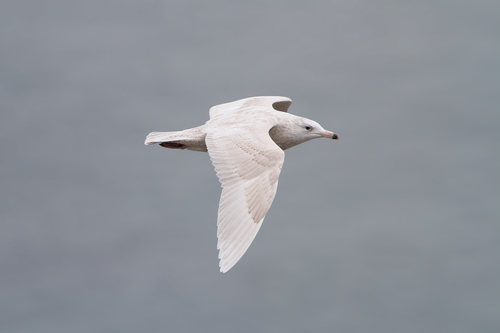
シロカモメ (Larus hyperboreus) シロカモメ
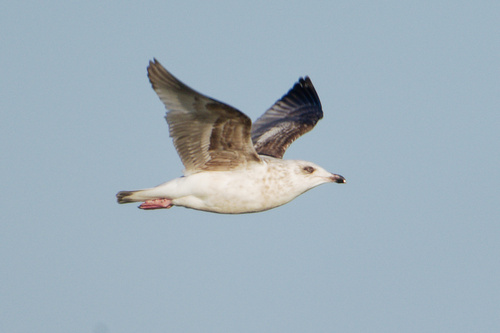
オオセグロカモメ (Larus schistisagus) オオセグロカモメ

メディア

読み込み中…

要点

シロカモメとオオセグロカモメの最も信頼できるフィールドマークは翼の模様です:すべての年齢のシロカモメは黒が全くない完全に淡い翼先端を示しますが、成鳥のオオセグロカモメは黒っぽい一次羽を持つ暗いスレートグレーの上翼と、後縁に沿った特徴的な白い「真珠の糸」斑点を持っています。幼鳥のシロカモメは全体的に非常に淡いですが、未成熟のオオセグロカモメは茶色がかっており、より模様があります。シロカモメはまた、より大きく、翼が長く、くちばしが太いです。飛行中または静止中は、まず翼先端の暗色の有無(シロカモメ)または存在(オオセグロカモメ)と、鳥全体の淡さまたは暗さに焦点を当ててください。

識別のコツ

  1. Check the wingtips in all ages: シロカモメは翼先端や尾に黒を示すことはありません—成鳥と未成熟は常に淡いです。オオセグロカモメの成鳥は黒っぽい翼先端に大きな白い斑点(「鏡」)と広い白い後縁を持ち、未成熟は暗い一次羽を示します。
  2. Juvenile/immature overall color: 幼鳥のシロカモメは非常に淡い灰色またはクリーム色で、しばしば暗い未成熟のカモメの群れの中で目立ちます。未成熟のオオセグロカモメは茶色がかっており、模様があり、淡くはありません。
  3. Adult upperparts: 成鳥のシロカモメは上面が淡い灰色ですが、オオセグロカモメは明らかに暗いスレートグレーの背中と翼を持っています。
  4. 'String of pearls' effect: オオセグロカモメの成鳥だけが「真珠の糸」を示します—翼の後縁に沿った一連の白い斑点で、特に飛行中に目立ちます。
  5. Bill structure: シロカモメはオオセグロカモメよりも明らかに太く、重いくちばしを持っています。両方とも成鳥として赤い斑点のある黄色いくちばしを持っていますが、シロカモメのくちばしはより頑丈です。
  6. Legs: 両種ともにピンクの脚を持っていますが、オオセグロカモメの脚は短く、鳥はよりぽっこりとした印象を与えます。
  7. Size and bulk: シロカモメは一般的により大きく、より重いですが、時にはオオカモメよりも重いこともありますが、オオセグロカモメは大きいですがそれほど大きくはありません。
  8. Head and eye: オオセグロカモメは紫から深いピンクの眼窩皮膚を持つ黄色い目を持っています;シロカモメの目の色はメモにおいてあまり特徴的ではありません。
  9. Juvenile bill color: 幼鳥のシロカモメは黒い先端のあるピンクのくちばしを持っています;オオセグロカモメの未成熟のくちばしはあまり明確に記述されていませんが、ピンク基盤とは記載されていません。
  10. Flight impression: 飛行中、シロカモメは淡く幽霊のように見え、翼に黒がありません;オオセグロカモメは暗い上翼と白い後縁の間に強いコントラストを示します。
  11. Tail: 両方の成鳥は白い尾を持っていますが、シロカモメだけが尾や翼に黒がありません。
  12. Habitat context: シロカモメは高い北極または亜北極の環境にいる可能性が高いですが、両方とも冬の沿岸の群れで一緒に見られることがあります。
  13. Vocalization: 聞こえた場合、シロカモメの鳴き声は深い、笑い声のような鳴き声です;オオセグロカモメの声はメモにおいて特徴的ではありません。
  14. Comparison with other gulls: オオカモメと同じくらい大きいが淡い翼と黒がない鳥を見た場合、それはシロカモメの可能性が高いです;上面がスレート色で翼先端が黒っぽく白い斑点がある場合、それはオオセグロカモメです。
  15. Beware of confusion: 未成熟のオオセグロカモメは未成熟のHerring Gullやオオカモメに似て見えることがありますが、シロカモメほど淡くはありません。

大きさ

シロカモメは一般的にオオセグロカモメよりも大きく、重いですが、典型的な体重は約1412.5g(時にはもっと重い)で、長さは55–77 cmで、オオセグロカモメは55–68.5 cmです。両方とも似たような翼幅を持っています(シロカモメ:132–170 cm、オオセグロカモメ:132–160 cm)が、シロカモメは特に直接比較においてより大きく、より重いように見えます。くちばしと脛の長さは重なりますが、シロカモメはしばしばより太く、より強力なくちばしを示します。

羽色

行動

両種は大きく、力強いカモメで、混合群れの中で優位に見えることがあります。シロカモメはしばしばより大きく、動きが遅いように見え、より重く、より大きな体型と太いくちばしを持っています。オオセグロカモメはより頑丈でぽっこりとした印象を持ち、比較的短い脚を持っています。飛行中、シロカモメの淡い翼が目立ち、オオセグロカモメは暗い上翼と白い後縁の間に際立ったコントラストを示します。

生息環境

両種は沿岸のカモメですが、シロカモメは高い北極および亜北極の海岸に強く関連しており、しばしば寒く、より北の環境で見られます。オオセグロカモメは北東のユーラシアで繁殖し、冬に広く移動し、時には繁殖範囲から遠く離れた沿岸地域に達します。両方とも特に冬に混合カモメの群れで見られることがあります。

声

シロカモメはHerring Gullに似た深い「笑い声」のような鳴き声を出しますが、音程は低いです。提供された情報源にはオオセグロカモメの特徴的な鳴き声は記載されていません。

より良い説明を送る

比較と同じ項目を使ってください。文章はすぐに公開されます。

The most reliable field mark between Glaucous Gull and Slaty-backed Gull is the wing pattern: Glaucous Gull of all ages shows completely pale wingtips with no black, while adult Slaty-backed Gull has dark slaty-gray upperwings with blackish primaries and distinctive white 'string of pearls' spots along the trailing edge. Juvenile Glaucous Gulls are very pale overall, whereas immature Slaty-backed Gulls are brownish and more patterned. Glaucous is also bulkier and longer-winged, with a thicker bill. In flight or at rest, focus first on the absence (Glaucous) or presence (Slaty-backed) of dark in the wingtips and the overall paleness or darkness of the bird.

  1. Check the wingtips in all ages: Glaucous Gull never shows black in the wingtips or tail—adults and immatures are always pale. Slaty-backed Gull adults have blackish wingtips with large white spots ('mirrors') and a broad white trailing edge; immatures show dark primaries.
  2. Juvenile/immature overall color: Juvenile Glaucous Gulls are very pale grayish or creamy, often standing out in flocks of darker immature gulls. Immature Slaty-backed Gulls are brownish and patterned, not pale.
  3. Adult upperparts: Adult Glaucous Gulls are pale gray above, while Slaty-backed Gulls have a distinctly darker, slaty-gray back and wings.
  4. 'String of pearls' effect: Only Slaty-backed Gull adults show the 'string of pearls'—a series of white spots along the trailing edge of the wing, especially visible in flight.
  5. Bill structure: Glaucous Gull has a noticeably thicker, heavier bill than Slaty-backed Gull. Both have yellow bills with a red spot as adults, but Glaucous' bill is more robust.
  6. Legs: Both species have pink legs, but Slaty-backed's are shorter and the bird appears more pot-bellied.
  7. Size and bulk: Glaucous Gull is generally larger and bulkier, sometimes even heavier than Great Black-backed Gull, while Slaty-backed is large but not as massive.
  8. Head and eye: Slaty-backed Gull has yellow eyes with purple to deep pink orbital skin; Glaucous Gull's eye color is less distinctive in the notes.
  9. Juvenile bill color: Juvenile Glaucous has a pink bill with a black tip; Slaty-backed's immature bill is less distinctly described, but not noted as pink-based.
  10. Flight impression: In flight, Glaucous Gull looks pale and ghostly, with no black on the wings; Slaty-backed shows strong contrast between dark upperwings and white trailing edge.
  11. Tail: Both adults have white tails, but only Glaucous has no black anywhere in the tail or wings.
  12. Habitat context: Glaucous is more likely in high Arctic or subarctic settings, but both can occur together in winter coastal flocks.
  13. Vocalization: If heard, Glaucous Gull's call is a deep, laughing cry; Slaty-backed's voice is not distinctive in the notes.
  14. Comparison with other gulls: If you see a bird as large as Great Black-backed Gull but with pale wings and no black, it's likely Glaucous; if the upperparts are slaty and the wingtips are blackish with white spots, it's Slaty-backed.
  15. Beware of confusion: Immature Slaty-backed can look like immature Herring or Great Black-backed Gulls, but never as pale as Glaucous.

Glaucous Gull is generally larger and heavier than Slaty-backed Gull, with a typical body mass around 1412.5g (and sometimes much heavier), and a length range of 55–77 cm versus Slaty-backed's 55–68.5 cm. Both have similar wingspans (Glaucous: 132–170 cm, Slaty-backed: 132–160 cm), but Glaucous tends to appear bulkier and more massive, especially in direct comparison. Bill and tarsus lengths overlap but Glaucous often shows a thicker, more powerful bill.

  • Juvenile/immature birds: Glaucous Gull immatures are very pale grayish overall, with pale upperwings and no black anywhere on the wings or tail. Their bill is pink with a black tip. In contrast, Slaty-backed Gull immatures are brownish and patterned, closely resembling immature Herring or Great Black-backed Gulls, and show dark in the primaries and more contrast in the upperwing.
  • Adults: Adult Glaucous Gulls are pale gray above with white wingtips and tail, and a thick yellow bill. Slaty-backed adults have a dark slaty-gray mantle and upperwings, blackish wingtips with large white 'mirrors' (spots) on the outer primaries, and a broad white trailing edge to the wing ('string of pearls' effect). The bill is yellow with a red spot, and the legs are pink but shorter and the body more pot-bellied than Glaucous.

Both species are large, powerful gulls that can appear dominant in mixed flocks. Glaucous Gull often appears more massive and slow-moving, with a heavier, bulkier build and a thicker bill. Slaty-backed Gull is described as more stout and pot-bellied, with relatively short legs. In flight, Glaucous Gull's pale wings stand out, while Slaty-backed shows a striking contrast between its dark upperwings and white trailing edge.

Both species are coastal gulls, but Glaucous Gull is more strongly associated with high Arctic and subarctic coasts and is often found in colder, more northerly environments. Slaty-backed Gull breeds in the northeastern Palearctic and wanders widely in winter, sometimes reaching coastal areas far from its breeding range. Both may be seen in mixed gull flocks, especially in winter.

Glaucous Gull gives a deep, 'laughing' call similar to Herring Gull but lower-pitched. No distinctive vocalization is noted for Slaty-backed Gull in the provided sources.

変更を破棄しますか?

保存していない編集があります。今離れると失われます。

シロカモメ · オオセグロカモメ · 苦手な鳥