

Gabbiano glauco vs Slaty-backed Gull
Larus hyperboreus contro Larus schistisagus
Fai un quiz con Gabbiano glauco e Slaty-backed Gull
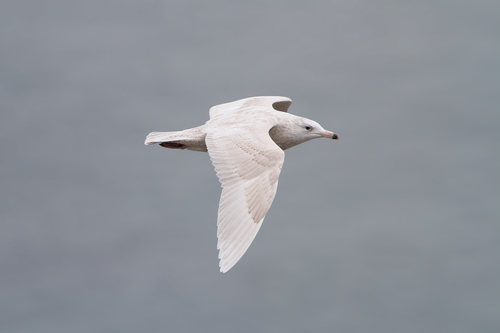 Gabbiano glauco
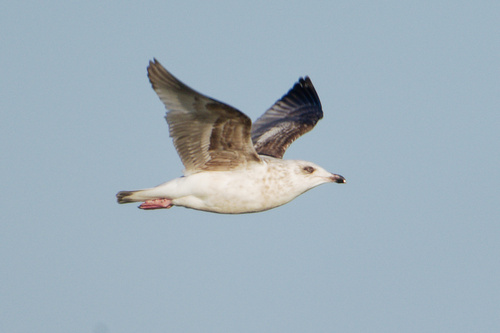 Slaty-backed Gull
In breve
Il segno distintivo più affidabile tra Gabbiano glauco e Slaty-backed Gull è il modello delle ali: il Gabbiano glauco di tutte le età mostra punte delle ali completamente chiare senza nero, mentre l'adulto Slaty-backed Gull ha ali superiori di un grigio ardesia scuro con primarie nerastre e distintive macchie bianche a forma di 'filo di perle' lungo il bordo posteriore. I Gabbiani glauchi juvenili sono molto chiari nel complesso, mentre gli Slaty-backed Gulls immaturi sono marroni e più variopinti. Il Gabbiano glauco è anche più massiccio e con ali più lunghe, con un becco più spesso. In volo o a riposo, concentrati prima sull'assenza (Gabbiano glauco) o presenza (Slaty-backed) di nero nelle punte delle ali e sulla chiarezza o oscurità complessiva dell'uccello.
Consigli di identificazione
- Controlla le punte delle ali in tutte le età: Il Gabbiano glauco non mostra mai nero nelle punte delle ali o nella coda: gli adulti e gli immaturi sono sempre chiari. Gli adulti di Slaty-backed Gull hanno punte delle ali nerastre con grandi macchie bianche ('specchi') e un ampio bordo posteriore bianco; gli immaturi mostrano primarie scure.
- Colore complessivo juvenile/immaturo: I Gabbiani glauchi juvenili sono molto chiari, grigi o cremosi, spesso spiccando in stormi di gabbiani immaturi più scuri. Gli Slaty-backed Gulls immaturi sono marroni e variopinti, non chiari.
- Parte superiore degli adulti: I Gabbiani glauchi adulti sono grigi chiari sopra, mentre gli Slaty-backed Gulls hanno un dorso e ali superiori di un grigio ardesia decisamente più scuro.
- Effetto 'filo di perle': Solo gli adulti di Slaty-backed Gull mostrano il 'filo di perle': una serie di macchie bianche lungo il bordo posteriore dell'ala, particolarmente visibile in volo.
- Struttura del becco: Il Gabbiano glauco ha un becco visibilmente più spesso e pesante rispetto allo Slaty-backed Gull. Entrambi hanno becchi gialli con una macchia rossa da adulti, ma il becco del Gabbiano glauco è più robusto.
- Zampe: Entrambe le specie hanno zampe rosa, ma quelle di Slaty-backed sono più corte e l'uccello appare più panciuto.
- Dimensioni e massa: Il Gabbiano glauco è generalmente più grande e massiccio, a volte anche più pesante del Mugnaiaccio, mentre lo Slaty-backed è grande ma non così massiccio.
- Testa e occhio: Lo Slaty-backed Gull ha occhi gialli con pelle orbitale da viola a rosa intenso; il colore degli occhi del Gabbiano glauco è meno distintivo nelle note.
- Colore del becco juvenile: Il Gabbiano glauco juvenile ha un becco rosa con una punta nera; il becco immaturo dello Slaty-backed è descritto meno distintamente, ma non è annotato come basato sul rosa.
- Impressione in volo: In volo, il Gabbiano glauco appare chiaro e spettrale, senza nero sulle ali; lo Slaty-backed mostra un forte contrasto tra le ali superiori scure e il bordo posteriore bianco.
- Coda: Entrambi gli adulti hanno code bianche, ma solo il Gabbiano glauco non ha nero in nessuna parte della coda o delle ali.
- Contesto habitat: Il Gabbiano glauco è più probabile che si trovi in ambienti artici o subartici, ma entrambi possono verificarsi insieme in stormi costieri in inverno.
- Vocalizzazione: Se udito, il richiamo del Gabbiano glauco è un profondo grido di riso; la voce dello Slaty-backed non è distintiva nelle note.
- Confronto con altri gabbiani: Se vedi un uccello grande quanto il Mugnaiaccio ma con ali chiare e senza nero, è probabile che sia un Gabbiano glauco; se le parti superiori sono ardesia e le punte delle ali sono nerastre con macchie bianche, è Slaty-backed.
- Attenzione alla confusione: Gli immaturi di Slaty-backed possono assomigliare a gabbiani immaturi Herring o Mugnaiaccio, ma mai così chiari come il Gabbiano glauco.
Taglia
Il Gabbiano glauco è generalmente più grande e pesante dello Slaty-backed Gull, con una massa corporea tipica di circa 1412,5 g (e a volte molto più pesante), e una lunghezza compresa tra 55 e 77 cm rispetto ai 55-68,5 cm dello Slaty-backed. Entrambi hanno un'apertura alare simile (Gabbiano glauco: 132-170 cm, Slaty-backed: 132-160 cm), ma il Gabbiano glauco tende ad apparire più massiccio e robusto, soprattutto in confronto diretto. Le lunghezze del becco e del tarso si sovrappongono, ma il Gabbiano glauco mostra spesso un becco più spesso e potente.
Piumaggio
- Uccelli juvenile/immaturi: Gli immaturi di Gabbiano glauco sono molto chiari, grigi o cremosi, con ali superiori chiare e senza nero in nessuna parte delle ali o della coda. Il loro becco è rosa con una punta nera. Al contrario, gli immaturi di Slaty-backed Gull sono marroni e variopinti, somigliando molto a gabbiani immaturi Herring o Mugnaiaccio, e mostrano scuro nelle primarie e più contrasto nell'ala superiore.
- Adulti: I Gabbiani glauchi adulti sono grigi chiari sopra con punte delle ali e coda bianche, e un becco giallo spesso. Gli adulti di Slaty-backed hanno un mantello e ali superiori di un grigio ardesia scuro, punte delle ali nerastre con grandi 'specchi' bianchi (macchie) sulle primarie esterne, e un ampio bordo posteriore bianco all'ala (effetto 'filo di perle'). Il becco è giallo con una macchia rossa, e le zampe sono rosa ma più corte e il corpo più panciuto rispetto al Gabbiano glauco.
Comportamento
Entrambe le specie sono gabbiani grandi e potenti che possono apparire dominanti in stormi misti. Il Gabbiano glauco appare spesso più massiccio e lento, con una struttura più pesante e robusta e un becco più spesso. Lo Slaty-backed Gull è descritto come più tozzo e panciuto, con zampe relativamente corte. In volo, le ali chiare del Gabbiano glauco spiccano, mentre lo Slaty-backed mostra un contrasto sorprendente tra le sue ali superiori scure e il bordo posteriore bianco.
Habitat
Entrambe le specie sono gabbiani costieri, ma il Gabbiano glauco è più fortemente associato alle coste artiche e subartiche e si trova spesso in ambienti più freddi e settentrionali. Lo Slaty-backed Gull nidifica nel Palearctico nordorientale e vaga ampiamente in inverno, a volte raggiungendo aree costiere lontane dal suo areale di nidificazione. Entrambi possono essere visti in stormi misti di gabbiani, specialmente in inverno.
Voce
Il Gabbiano glauco emette un richiamo profondo e 'ridacchiante' simile a quello del Herring Gull ma di tono più basso. Nessuna vocalizzazione distintiva è annotata per lo Slaty-backed Gull nelle fonti fornite.
Gabbiano glauco · Slaty-backed Gull · I miei uccelli difficili