

Motmot

ノハラツグミ 対 アカハラシキチョウ

Turdus pilaris 対 Copsychus malabaricus

ノハラツグミとアカハラシキチョウのクイズ
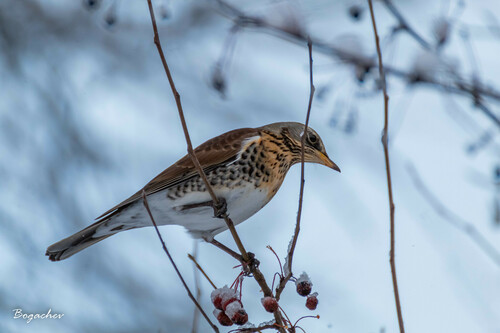
ノハラツグミ (Turdus pilaris) ノハラツグミ
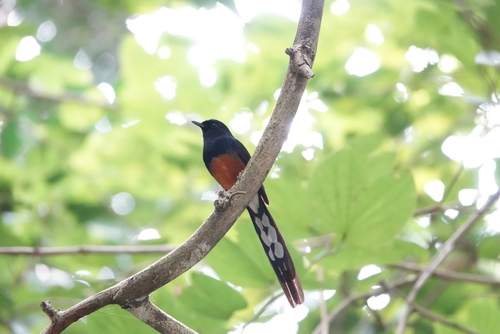
アカハラシキチョウ (Copsychus malabaricus) アカハラシキチョウ

メディア

読み込み中…

要点

最も信頼できるフィールドマークは、ノハラツグミの大胆な白い翼の下の覆羽と腋羽で、飛行中に目立って光ります—これはアカハラシキチョウのどの年齢でも示されることはありません。ノハラツグミは、スレートグレーの頭と尾、重い斑点のある胸、強くてわずかに下向きの黄色がかったくちばしを持つ大きくて頑丈なツグミであり、アカハラシキチョウは、目を引く白い尾と外尾を持つ、はるかに小さく、長い尾の歌鳥です。若いノハラツグミは鈍い色合いですが、ツグミの構造と翼の下のパターンを示します; 若いアカハラシキチョウは斑点のある茶色で、翼に白がありません。長く扇状の尾と白い尾を持つ鳥を見たら、特に密な低木の中では、それはアカハラシキチョウです; 灰色の頭、斑点のある胸、そして開けた国の白い翼の下を持つ鳥はノハラツグミです。

識別のコツ

  1. 白い翼の下の覆羽/腋羽(ノハラツグミのみ): どの年齢や季節でも、ノハラツグミは飛行中に翼の下で明るい白を光らせます—アカハラシキチョウはここで白を示しません。
  2. 白い尾と外尾(アカハラシキチョウのみ): 成鳥と若鳥のアカハラシキチョウは、止まっている時も飛んでいる時も目立つ白い尾と外尾の羽を持っています; ノハラツグミの尾は灰色で、尾は暗く、わずかに淡い縁取りがあります。
  3. 体のサイズと形状: ノハラツグミは大きくてずんぐりしたツグミで、頑丈な体と直立した姿勢を持っています; アカハラシキチョウははるかに小さく、細長く、長い尾を持ち、より水平な姿勢をしています。
  4. 尾の長さと形状: アカハラシキチョウの尾は非常に長く、しばしば扇状または傾いており、翼の先端を大きく超えます; ノハラツグミの尾は短く、丸みを帯びており、決して扇状にはなりません。
  5. 頭部と上面: ノハラツグミはスレートグレーの頭、後頭部、尾を持ち、暗い茶色の背中があります; アカハラシキチョウのオスは上面が光沢のある黒で、メスは灰色がかった茶色で、両方とも白い尾を持っています。
  6. 胸の模様: ノハラツグミの胸はクリーミーなバフ色で、大胆な暗い斑点や筋があり(メスや若鳥ではあまり目立たない); アカハラシキチョウは無地の栗色の腹(オス)または淡い茶色の下腹部(メス/若鳥)を持ち、時々若鳥には斑点がありますが、決してツグミのような斑点はありません。
  7. くちばし: ノハラツグミのくちばしは強く、わずかに下向きで、暗い先端を持つ黄色がかった色(特に冬); アカハラシキチョウのくちばしは細長く、まっすぐで、黒いです。
  8. 足と足: ノハラツグミは茶色の足と足を持っています; アカハラシキチョウはピンクです。
  9. 飛行スタイル: ノハラツグミは直接的で安定した飛行をし、しばしば群れで飛びます; アカハラシキチョウの飛行は波打ち、開けた場所ではあまり遠くに飛びません。
  10. 止まり方: ノハラツグミは開けた場所や木の中で直立して止まります; アカハラシキチョウは低く止まり、しばしば隠れて、尾を傾けたり扇いだりします。
  11. 生息地: ノハラツグミは開けた野原、森林の端、そして冬には時々都市公園に見られます; アカハラシキチョウはほぼ常に密な低木や竹の茂みの中にいます。
  12. 鳴き声: ノハラツグミは飛行中に特に「ツァク ツァク」と呼ぶ厳しい声を出し、アカハラシキチョウは豊かでメロディックな歌を歌い、呼び声は柔らかく、より音楽的です。
  13. 若鳥の混乱: 若いノハラツグミは鈍い色合いですが、まだツグミの形をしており、白い翼の下を示します; 若いアカハラシキチョウは斑点のある茶色で、白い翼の下がなく、長い尾を持っています。
  14. 季節的文脈: ノハラツグミはその範囲の多くで渡り鳥であり、冬にはしばしば群れで見られます; アカハラシキチョウは一年中定住し、テリトリーを持っています。
  15. 性差: メスのノハラツグミはオスよりも茶色がかり、目立つ模様が少ないですが、それでもアカハラシキチョウよりも大きく、頑丈です; メスのアカハラシキチョウは小さく、灰色がかりで、常に白い尾と長い尾を示します。

大きさ

ノハラツグミははるかに重く、体格が大きく、平均約105 g [wikidata]であり、アカハラシキチョウは28–34 g [wikipedia]と非常に軽いです。ノハラツグミはわずかに長く(平均25 cm、翼幅39–42 cm)ですが、アカハラシキチョウの長い尾は見た目を欺くほど長く見えることがあります(尾を含めて23–28 cm)。フィールドでは、ノハラツグミは典型的なツグミのように見え—ずんぐりしていて、直立しており、頑丈です—一方、アカハラシキチョウは細長く、相対的に長い段階的な尾とより繊細な体型を持っています。

羽色

若いノハラツグミは成鳥よりも鈍い色合いで、淡い筋が成鳥の大胆な暗い筋に置き換わりますが、飛行中に白い翼の下の覆羽と腋羽を示します—これはすべての年齢での重要なマークです。若いアカハラシキチョウは灰色がかった茶色で、斑点のあるまたは斑点のある胸を持ち、成鳥の光沢のある黒と栗色が欠けており、決定的に翼や翼の下に白を示しません。成鳥のオスのノハラツグミはスレートグレーの頭、後頭部、尾、暗い茶色の背中、黒っぽい尾、そして大胆に斑点のあるクリーミーなバフ色の胸を持っています; メスは似ていますが、より茶色がかりで、目立つ模様が少ないです。成鳥のオスのアカハラシキチョウは上面が光沢のある黒で、白い尾と外尾、栗色の下腹部、黒いくちばしを持っています; メスは上面が灰色がかった茶色で、下は淡いですが、両性とも白い尾と外尾を持っています。飛行中、ノハラツグミの白い翼の下は目立ちますが、アカハラシキチョウの白は尾と外尾に限られ、決して翼の下にはありません。

行動

ノハラツグミは群れで見られることが多く、特に開けた野原で、安定した直接的な飛行をし、頻繁に木や地面に直立して止まります。大胆で騒がしく、飛行中に厳しい呼び声を出すことが多いです。アカハラシキチョウは孤独またはペアで、非常に臆病で、密な低木を好み、しばしば低く隠れて長い尾を振ったり扇いだりします。アカハラシキチョウの飛行は波打ち、しばしば尾を傾けて止まります。ノハラツグミは開けた国や高い場所で見られる可能性が高いですが、アカハラシキチョウはほぼ常に濃い植生の中にいます。

生息環境

ノハラツグミは北ヨーロッパと古生代の森林や低木で繁殖しますが、冬は開けた野原、ヘッジ、森林の端で見られ、しばしば密な森林から遠く離れています。アカハラシキチョウは南アジアと東南アジアの密な低木や二次森林に生息し、導入された場所では、厚い谷の森林や低地の広葉樹の森林の低木を好みます。開けた国や木の高いところで鳥を見つけた場合、それはおそらくノハラツグミであり、絡み合った茂みや竹の中に深くいる場合、それはおそらくアカハラシキチョウです。

声

ノハラツグミの呼び声は厳しく繰り返される「ツァク ツァク ツク」で、特に飛行中に、歌は弱く、ツグミのようなフレーズ、口笛、キュッという音の混合のシリーズで、時には飛行中または止まっている時に発せられます。アカハラシキチョウはその豊かでメロディックで多様な歌で有名ですが、その呼び声はノハラツグミのものよりも厳しくなく、より音楽的です。群れから厳しいおしゃべりの呼び声が聞こえたら、ノハラツグミを疑ってください; 密なカバーから美しいフルーティーな歌が聞こえたら、アカハラシキチョウを指します。

より良い説明を送る

比較と同じ項目を使ってください。文章はすぐに公開されます。

The most reliable field mark is the Fieldfare’s bold white underwing coverts and axillaries, which flash conspicuously in flight—this is never shown by White-rumped Shama of any age. Fieldfare is a large, robust thrush with a slate-grey head and rump, heavily spotted breast, and a strong, slightly decurved yellowish bill, while White-rumped Shama is a much smaller, long-tailed songbird with a striking white rump and outer tail, glossy black upperparts (male), and chestnut belly. Juvenile Fieldfares are duller but still show the thrush structure and underwing pattern; juvenile shamas are blotchy brown and lack any white in the wing. If you see a bird with a long, fanned tail and white rump, especially in dense undergrowth, it is a shama; a bird with a grey head, spotted breast, and white underwings in open country is a Fieldfare.

  1. White underwing coverts/axillaries (Fieldfare only): In any age or season, Fieldfare flashes bright white under the wing in flight—shama never shows white here.
  2. White rump and outer tail (Shama only): Adult and juvenile shama have a prominent white rump and outer tail feathers, visible both perched and in flight; Fieldfare’s rump is grey, and tail is dark with only subtle pale fringes.
  3. Body size and shape: Fieldfare is a large, chunky thrush with a robust body and upright stance; shama is much smaller, slender, and long-tailed, with a more horizontal posture.
  4. Tail length and shape: Shama’s tail is extremely long, often fanned or cocked, and extends well beyond the wingtips; Fieldfare’s tail is shorter, rounded, and never fanned.
  5. Head and upperparts: Fieldfare has a slate-grey head, nape, and rump with a dark brown back; shama males are glossy black above, females grey-brown, both with a white rump.
  6. Breast pattern: Fieldfare’s breast is creamy-buff with bold dark spots or streaks (less marked in females and juveniles); shama has a plain chestnut belly (male) or pale brownish underparts (female/juvenile), sometimes with blotches in juveniles, but never thrush-like spots.
  7. Bill: Fieldfare’s bill is strong, slightly decurved, yellowish with a dark tip (especially in winter); shama’s bill is slender, straight, and black.
  8. Legs and feet: Fieldfare has brown legs and feet; shama’s are pink.
  9. Flight style: Fieldfare flies directly and steadily, often in flocks; shama’s flight is undulating, and it rarely flies far in the open.
  10. Perching behavior: Fieldfare perches upright in the open or in trees; shama perches low, often hidden, with tail cocked or fanned.
  11. Habitat: Fieldfare is found in open fields, woodland edges, and sometimes urban parks in winter; shama is almost always in dense undergrowth or bamboo thickets.
  12. Vocalizations: Fieldfare gives a harsh "tsak tsak" call, especially in flight; shama sings a rich, melodious song and calls are softer and more musical.
  13. Juvenile confusion: Juvenile Fieldfare is duller but still thrush-shaped and shows white underwing; juvenile shama is blotchy brown, lacks white underwing, and has a long tail.
  14. Seasonal context: Fieldfare is a migrant in much of its range and often seen in flocks in winter; shama is resident and territorial year-round.
  15. Sex differences: Female Fieldfare is browner and less boldly marked than male, but still larger and more robust than any shama; female shama is smaller, greyer, and always shows the white rump and long tail.

Fieldfare is much heavier and bulkier, averaging around 105 g [wikidata], while White-rumped Shama is much lighter at 28–34 g [wikipedia]. Fieldfare is also slightly longer (average 25 cm, wingspan 39–42 cm), but the shama’s long tail can make it appear deceptively long (23–28 cm including tail). In the field, Fieldfare looks like a classic thrush—stout, upright, and robust—while shama is slender, with a proportionally much longer, graduated tail and a more delicate build.

Juvenile Fieldfare is duller than the adult, with pale streaks replacing the adult’s bold dark streaks, but still shows the white underwing coverts and axillaries in flight—a key mark at all ages. Juvenile White-rumped Shama is greyish-brown with a blotchy or spotted chest, lacking the adult’s glossy black and chestnut, and crucially never shows white in the wing or underwing. Adult male Fieldfare has a slate-grey head, nape, and rump, dark brown back, blackish tail, and a boldly speckled creamy-buff breast; the female is similar but browner and less boldly marked. Adult male shama is glossy black above with a white rump and outer tail, chestnut underparts, and black bill; female is greyer-brown above and paler below, but both sexes have the white rump and outer tail. In flight, Fieldfare’s white underwing stands out, while shama’s white is limited to rump and outer tail, never underwing.

Fieldfare is often seen in flocks, especially in open fields, flying with steady, direct flight and frequently perching upright in trees or on the ground. It is bold and noisy, often giving harsh calls in flight. White-rumped Shama is solitary or in pairs, extremely shy, and prefers dense undergrowth, often skulking low and flicking or fanning its long tail. Shama’s flight is undulating and it often perches with the tail cocked. Fieldfare is much more likely to be seen in open country or perched high, while shama is almost always in thick vegetation.

Fieldfare breeds in woodland and scrub across northern Europe and the Palearctic, but winters in open fields, hedgerows, and woodland edges, often far from dense forest. White-rumped Shama is native to dense undergrowth and secondary forests in South and Southeast Asia, and where introduced, favors thick valley forests or lowland broadleaf forest undergrowth. If you find the bird in open country or high in a tree, it is likely a Fieldfare; if deep in tangled thickets or bamboo, it is likely a shama.

Fieldfare’s call is a harsh, repeated "tsak tsak tsuk," especially in flight, and its song is a weak, mixed series of thrush-like phrases, whistles, and squeaks, sometimes delivered in flight or from a perch. White-rumped Shama is famed for its rich, melodious, and varied song, but its calls are less harsh and more musical than Fieldfare’s. If you hear a harsh, chattering call from a flock, suspect Fieldfare; a beautiful, fluty song from dense cover points to shama.

変更を破棄しますか?

保存していない編集があります。今離れると失われます。

ノハラツグミ · アカハラシキチョウ · 苦手な鳥