

Motmot

ヨーロッパヨタカ 対 サバクヨタカ

Caprimulgus europaeus 対 Caprimulgus nubicus

ヨーロッパヨタカとサバクヨタカのクイズ
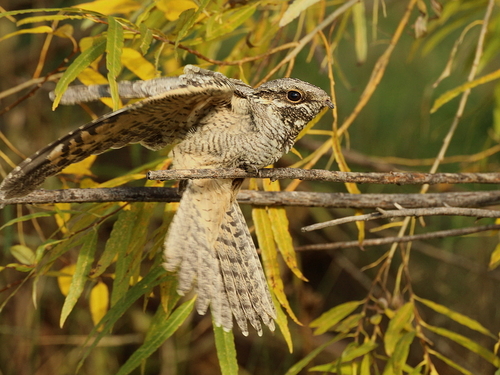
ヨーロッパヨタカ (Caprimulgus europaeus) ヨーロッパヨタカ
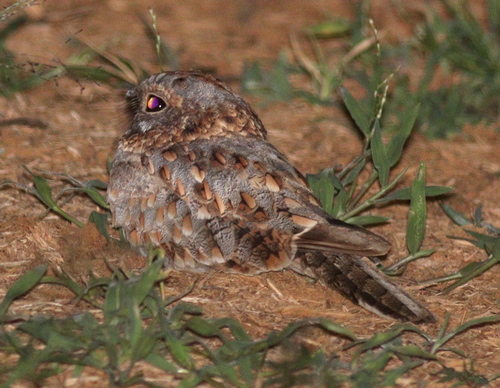
サバクヨタカ (Caprimulgus nubicus) サバクヨタカ

メディア

読み込み中…

要点

ヨーロッパヨタカとサバクヨタカの最も信頼できるフィールドマークはサイズと構造です:ヨーロッパは明らかに大きく、より長く尖った翼と尾を持ち、サバクは小さく、鈍い翼と短い尾を持っています。飛行中、成鳥のオスのヨーロッパヨタカは翼と尾に大胆な白い斑点を示します(メスにはこれがありません)、一方サバクヨタカは白い翼の斑点を持っていますが、翼の先端からはそれほど広がっていません。サバクヨタカはまた、特徴的な赤褐色の首バンドを示し、これはヨーロッパでは目立たないか、存在しません。両者は隠蔽性があり、夜行性ですが、生息地と全体的な比率が羽毛が不明瞭な場合にそれらを区別するのに役立ちます。

識別のコツ

  1. サイズと構造: ヨーロッパヨタカはサバクよりも明らかに大きく、翼が長いです;これは距離があっても飛行中でもしばしば明らかです。鳥が小さく、コンパクトで、短い尾を持っている場合は、サバクを優先してください。
  2. 飛行中の翼の形: ヨーロッパは長く尖った翼を持ち、スリムで浮遊感のある飛行をします。サバクの翼は鈍く短く、飛行がよりコンパクトで滑空感が少ないように見えます。
  3. 尾の長さと形: ヨーロッパは明らかに長い尾を持ち、特に止まっている時や飛行中に顕著です。サバクの尾は短く、目立ちません。
  4. 白い翼と尾の斑点(成鳥のオス): ヨーロッパヨタカのオスは三つの一次羽に大胆な白い斑点を示し、二つの外尾羽の先端に白い先端があります;メスにはこれがありません。サバクヨタカは白い翼の斑点を持っていますが、それほど広がっておらず、先端からも遠くありません、また尾の白は強調されていません。
  5. 首バンド: サバクヨタカは後頭部に特徴的な赤褐色のバンドを持ち、止まっている時や時々飛行中に見えます。ヨーロッパは淡いバフの襟を持っていますが、それは目立たず、赤褐色ではありません。
  6. 全体的な羽毛のトーン: ヨーロッパは一般的に灰色がかっており、より縞模様があり、淡いバフの後頸部を持っています;サバクはより淡く、赤褐色の首バンドがあり、縞模様が少ないです。
  7. 性差: オスのヨーロッパヨタカだけが翼と尾に大胆な白を示します;メスと幼鳥はこれを欠いており、サバクと混同されやすくなります。そのような場合は、サイズ、構造、首バンドに頼ってください。
  8. 幼鳥の混同: 羽ばたいた若いヨーロッパヨタカは成鳥のメスに似ています(隠蔽性があり、白い斑点がありません)。もし隠蔽性のヨタカが白い斑点を欠き、大きく/長い翼を持っている場合、ヨーロッパの可能性が高いです;もし小さく、コンパクトで赤褐色の首バンドがある場合、サバクの可能性が高いです。
  9. 止まっている姿勢: 両種は枝や地面に長さ方向で止まりますが、ヨーロッパの長い尾と翼はより突き出るかもしれません。
  10. 飛行スタイル: ヨーロッパの飛行は浮遊感があり、静かで、滑空と羽ばたきがあります;サバクは小さく鈍い翼のため、浮遊感が少ないように見えるでしょう。
  11. 生息地の文脈: ヨーロッパは開けた森林、ヒース、クリアリングで見られます;サバクは北東アフリカと中東の塩湿地と乾燥した低地に制限されています。生息地だけでもしばしばそれらを区別できます。
  12. 鳴き声: 長く機械的なチュリチュリというトリルが聞こえた場合、それはヨーロッパヨタカです。サバクの歌は記述されていないため、チュリチュリの欠如は診断的ではありません。
  13. 地理的範囲: ヨーロッパはヨーロッパとアジア全体に広がっています;サバクは北東アフリカと中東に限られています。特に重複ゾーンの外では、場所を考慮してください。
  14. 落とし穴: メスと幼鳥のヨーロッパヨタカは白い翼/尾の斑点を欠いており、サバクと混同される可能性があります。これらの場合は、サイズ、構造、首バンドを優先してください。
  15. 照明と視認性: 両者は隠蔽性があり、しばしば薄暗い光の中で見られます;単一のマークに頼るのではなく、複数の特徴(サイズ、構造、首バンド、生息地)を使用してください。

大きさ

ヨーロッパヨタカは明らかに大きいです:長さ24.5–28 cm、翼幅52–59 cm、オスは51–101 g、メスは67–95 gです。サバクヨタカは20–22 cmの長さで小さく(翼幅や体重は記載されていませんが、明らかに頑丈ではありません)。このサイズの違いはフィールドで明らかで、特に直接比較や経験がある場合に顕著です。ヨーロッパはまた、より長い尾と尖った翼を持ち、スリムで浮遊感のある飛行プロファイルを持っていますが、サバクはよりコンパクトで鈍い翼と短い尾に見えます。

羽色

行動

両種は薄明かりと夜行性で、夕暮れ時と夜に採餌します。ヨーロッパヨタカは長く尖った翼で浮遊感のある静かな飛行が特徴で、しばしば滑空や羽ばたきを行います。サバクヨタカは小さく鈍い翼を持つため、飛行中は浮遊感が少なく、よりコンパクトに見えるでしょう。両者は地面や枝に長さ方向で止まり、カモフラージュに頼ります。ヨーロッパのオスは歌の際に翼を叩くディスプレイを行うことがありますが、サバクについては記述されていません。

生息環境

ヨーロッパヨタカはヨーロッパと古北界の広い範囲で繁殖し、開けた森林、ヒース、クリアリングを好みます。サバクヨタカは北東アフリカと中東の塩湿地と乾燥した低地に制限されています。冬に範囲が重なることがある一方で、彼らの好む生息地は非常に異なります:ヨーロッパはサバクに典型的な塩分のある湿地や湿地生息地ではめったに見られません。したがって、文脈と生息地は強力な手がかりとなることがあります。

声

ヨーロッパヨタカのオスは長く機械的なチュリチュリというトリルを歌い、しばしば数分間続き、時折ピッチや速度が変化し、泡のようなトリルや翼の拍手で終わります。両性とも飛行中に短い「クイック」と呼ばれる声を出し、さまざまな鋭いまたはシューという警戒音を出します。サバクヨタカの鳴き声は詳細に記述されていないため、声は信頼できる区別要因ではありませんが、ヨーロッパのチュリチュリの歌が聞こえた場合は別です。

より良い説明を送る

比較と同じ項目を使ってください。文章はすぐに公開されます。

The most reliable field mark between Eurasian Nightjar and Nubian Nightjar is size and structure: Eurasian is distinctly larger, with longer, more pointed wings and tail, while Nubian is smaller and has blunter wings and a shorter tail. In flight, adult male Eurasian Nightjars show bold white patches on the wings and tail (females lack these), while Nubian Nightjars have white wing spots but not as extensive or far from the wing tips. Nubian Nightjar also shows a distinctive rufous neck band, which is less prominent or absent in Eurasian. Both are cryptic and nocturnal, but habitat and overall proportions help separate them when plumage is inconclusive.

  1. Size and structure: Eurasian Nightjar is significantly larger and longer-winged than Nubian; this is often apparent even at a distance or in flight. If the bird appears small, compact, and short-tailed, favor Nubian.
  2. Wing shape in flight: Eurasian has long, pointed wings, giving a sleek, buoyant flight. Nubian's wings are blunter and shorter, making its flight appear more compact and less gliding.
  3. Tail length and shape: Eurasian has a noticeably longer tail, especially obvious when perched or in flight. Nubian's tail is shorter and less prominent.
  4. White wing and tail patches (adult males): Eurasian Nightjar males show bold white patches on three primaries and white tips to two outer tail feathers; females lack these. Nubian Nightjar has white wing spots, but they are not as extensive or as far from the tips, and tail white is not emphasized.
  5. Neck band: Nubian Nightjar has a distinct rufous-brown band across the nape, visible when perched and sometimes in flight. Eurasian has a pale buff collar, but it is less prominent and not rufous-toned.
  6. Overall plumage tone: Eurasian is generally greyer and more streaked above, with a pale buff hindneck; Nubian is paler with a reddish neck band and less streaking.
  7. Sex differences: Only male Eurasian Nightjars show bold white in wings and tail; females and juveniles lack these, making them more easily confused with Nubian. In such cases, rely on size, structure, and neck band.
  8. Juvenile confusion: Fledged young Eurasian Nightjars look like adult females (cryptic, lacking white patches). If a cryptic nightjar lacks white patches and is large/long-winged, Eurasian is likely; if small and compact with a rufous neck band, Nubian is more probable.
  9. Perched posture: Both species perch lengthwise on branches or the ground, but Eurasian's longer tail and wings may protrude more.
  10. Flight style: Eurasian's flight is buoyant and silent, with gliding and fluttering; Nubian likely appears less buoyant due to its smaller, blunter wings.
  11. Habitat context: Eurasian is found in open woodland, heath, and clearings; Nubian is restricted to salt marshes and arid lowlands. Habitat alone can often separate them.
  12. Vocalizations: If a long, mechanical churring trill is heard, it is Eurasian Nightjar. Nubian's song is not described, so absence of churring is not diagnostic.
  13. Geographic range: Eurasian is widespread across Europe and Asia; Nubian is limited to northeast Africa and the Middle East. Consider location, especially outside overlap zones.
  14. Pitfalls: Female and juvenile Eurasian Nightjars lack white wing/tail patches and can be confused with Nubian. In these cases, prioritize size, structure, and neck band.
  15. Lighting and visibility: Both are cryptic and often seen in poor light; use multiple features (size, structure, neck band, habitat) rather than relying on a single mark.

Eurasian Nightjar is noticeably larger: 24.5–28 cm in length with a 52–59 cm wingspan, and males weighing 51–101 g, females 67–95 g. Nubian Nightjar is smaller at 20–22 cm long (no wingspan or mass given, but clearly less robust). This size difference is apparent in the field, especially in direct comparison or with experience. Eurasian also has a longer tail and more pointed wings, giving it a sleeker, more buoyant flight profile, while Nubian appears more compact with blunter wings and a shorter tail.

  • Juvenile/immature birds: No specific age-diagnostic upperwing pattern is described for either species, but fledged young Eurasian Nightjars resemble adult females (cryptic, lacking white wing/tail patches). Nubian Nightjar juveniles are not described, but likely similar to adults in overall pattern.
  • Adult males: Eurasian Nightjar males show bold white patches on three primaries and white tips to two outer tail feathers, highly visible in flight; females lack these white areas. Nubian Nightjar has white wing spots, but not as extensive or far from the tips, and both sexes show a rufous-brown neck band, which is a key mark absent or less obvious in Eurasian.
  • General plumage: Eurasian is grey-brown above with dark streaking and a pale buff hindneck collar; Nubian is overall paler, with a reddish neck band and less streaking. Both are cryptically patterned for camouflage, but the neck band of Nubian is a useful perched mark.

Both species are crepuscular and nocturnal, foraging at dusk and night. Eurasian Nightjar is noted for buoyant, silent flight on long, pointed wings, often gliding and fluttering. Nubian Nightjar, being smaller with blunter wings, likely appears less buoyant and more compact in flight. Both perch lengthwise on the ground or branches, relying on camouflage. Eurasian males may perform wing-clapping displays during song, which is not described for Nubian.

Eurasian Nightjar breeds across much of Europe and the Palearctic, favoring open woodlands, heath, and clearings. Nubian Nightjar is restricted to salt marshes and arid lowlands in northeast Africa and the Middle East. While ranges may overlap in winter, their preferred habitats are quite distinct: Eurasian is rarely found in the saline or marshy habitats typical of Nubian. Thus, context and habitat can be a strong clue.

Eurasian Nightjar males sing a long, mechanical churring trill, often for minutes at a time, with occasional pitch or speed changes and ending in bubbling trills or wing-claps. Both sexes give short 'cuick' calls in flight and various sharp or hissing alarm calls. Nubian Nightjar's vocalizations are not described in detail in the sources, so voice is not a reliable separator unless the Eurasian's churring song is heard.

変更を破棄しますか?

保存していない編集があります。今離れると失われます。

ヨーロッパヨタカ · サバクヨタカ · 苦手な鳥