

Succiacapre vs Nubian Nightjar
Caprimulgus europaeus contro Caprimulgus nubicus
Fai un quiz con Succiacapre e Nubian Nightjar
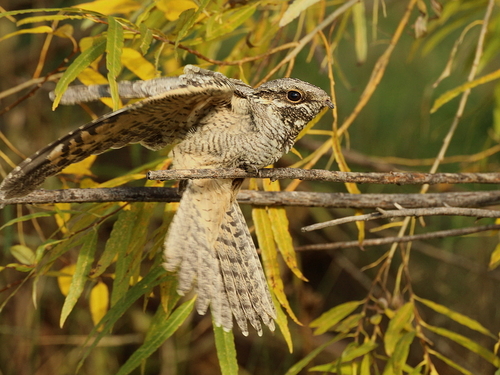 Succiacapre
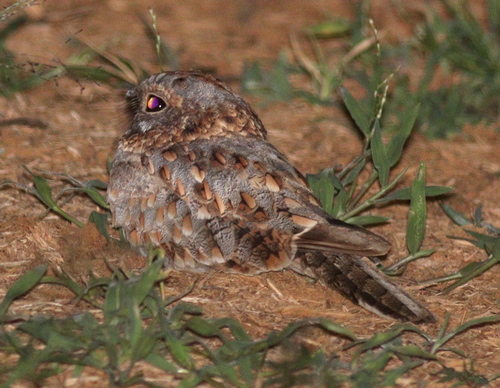 Nubian Nightjar
In breve
Il segno distintivo più affidabile tra Succiacapre e Nubian Nightjar è la dimensione e la struttura: il Succiacapre è decisamente più grande, con ali e coda più lunghe e appuntite, mentre il Nubian Nightjar è più piccolo e ha ali più smussate e una coda più corta. In volo, i maschi adulti di Succiacapre mostrano macchie bianche audaci sulle ali e sulla coda (le femmine non le hanno), mentre i Nubian Nightjar hanno macchie bianche sulle ali ma non così estese o lontane dalle punte delle ali. Il Nubian Nightjar mostra anche una distintiva banda cervicale ruggine, che è meno prominente o assente nel Succiacapre. Entrambi sono criptici e notturni, ma l'habitat e le proporzioni generali aiutano a separarli quando il piumaggio è inconcludente.
Consigli di identificazione
- Size and structure: Il Succiacapre è significativamente più grande e ha ali più lunghe rispetto al Nubian; questo è spesso evidente anche a distanza o in volo. Se l'uccello appare piccolo, compatto e con una coda corta, favorire il Nubian.
- Wing shape in flight: Il Succiacapre ha ali lunghe e appuntite, dando un volo elegante e galleggiante. Le ali del Nubian sono più smussate e corte, rendendo il suo volo più compatto e meno planante.
- Tail length and shape: Il Succiacapre ha una coda notevolmente più lunga, particolarmente evidente quando è posato o in volo. La coda del Nubian è più corta e meno prominente.
- White wing and tail patches (adult males): I maschi di Succiacapre mostrano macchie bianche audaci su tre primarie e punte bianche su due piume esterne della coda; le femmine non hanno queste. Il Nubian Nightjar ha macchie bianche sulle ali, ma non sono così estese o lontane dalle punte, e il bianco sulla coda non è enfatizzato.
- Neck band: Il Nubian Nightjar ha una distintiva banda ruggine-bruna sulla nuca, visibile quando è posato e a volte in volo. Il Succiacapre ha un collare di buff pallido, ma è meno prominente e non ha tonalità ruggine.
- Overall plumage tone: Il Succiacapre è generalmente più grigio e più striato sopra, con un collo posteriore di buff pallido; il Nubian è più chiaro con una banda cervicale rossastra e meno striature.
- Sex differences: Solo i maschi di Succiacapre mostrano bianco audace nelle ali e nella coda; le femmine e i giovani non hanno queste, rendendoli più facilmente confondibili con il Nubian. In tali casi, fare affidamento su dimensione, struttura e banda cervicale.
- Juvenile confusion: I giovani Succiacapre già in volo assomigliano a femmine adulte (criptici, privi di macchie bianche). Se un nightjar criptico manca di macchie bianche ed è grande/ha ali lunghe, è probabile che sia un Succiacapre; se è piccolo e compatto con una banda cervicale ruggine, è più probabile che sia un Nubian.
- Perched posture: Entrambe le specie si posano longitudinalmente su rami o sul terreno, ma la coda e le ali più lunghe del Succiacapre possono sporgere di più.
- Flight style: Il volo del Succiacapre è galleggiante e silenzioso, con planate e battiti d'ali; il Nubian appare probabilmente meno galleggiante a causa delle sue ali più piccole e smussate.
- Habitat context: Il Succiacapre si trova in boschi aperti, brughiere e radure; il Nubian è limitato a zone umide salmastre e pianure aride. L'habitat da solo può spesso separarli.
- Vocalizations: Se si sente un lungo trill meccanico, è il Succiacapre. Il canto del Nubian non è descritto, quindi l'assenza di trill non è diagnostica.
- Geographic range: Il Succiacapre è diffuso in tutta Europa e Asia; il Nubian è limitato all'Africa nord-orientale e al Medio Oriente. Considerare la posizione, specialmente al di fuori delle zone di sovrapposizione.
- Pitfalls: Le femmine e i giovani Succiacapre mancano di macchie bianche sulle ali e sulla coda e possono essere confusi con il Nubian. In questi casi, dare priorità a dimensione, struttura e banda cervicale.
- Lighting and visibility: Entrambi sono criptici e spesso visti in scarsa illuminazione; utilizzare più caratteristiche (dimensione, struttura, banda cervicale, habitat) piuttosto che fare affidamento su un singolo segno.
Taglia
Il Succiacapre è notevolmente più grande: 24,5–28 cm di lunghezza con un'apertura alare di 52–59 cm, e maschi che pesano 51–101 g, femmine 67–95 g. Il Nubian Nightjar è più piccolo, lungo 20–22 cm (non sono forniti apertura alare o peso, ma è chiaramente meno robusto). Questa differenza di dimensione è evidente sul campo, specialmente in confronto diretto o con esperienza. Il Succiacapre ha anche una coda più lunga e ali più appuntite, conferendogli un profilo di volo più elegante e galleggiante, mentre il Nubian appare più compatto con ali più smussate e una coda più corta.
Piumaggio
- Juvenile/immature birds: Non è descritto un modello specifico di ali superiori diagnostico per età per nessuna delle due specie, ma i giovani Succiacapre già in volo assomigliano a femmine adulte (criptici, privi di macchie bianche sulle ali/sulla coda). I giovani del Nubian Nightjar non sono descritti, ma probabilmente simili agli adulti nel modello generale.
- Adult males: I maschi di Succiacapre mostrano macchie bianche audaci su tre primarie e punte bianche su due piume esterne della coda, altamente visibili in volo; le femmine non hanno queste aree bianche. Il Nubian Nightjar ha macchie bianche sulle ali, ma non così estese o lontane dalle punte, e entrambi i sessi mostrano una banda cervicale ruggine-bruna, che è un segno chiave assente o meno ovvio nel Succiacapre.
- General plumage: Il Succiacapre è grigio-bruno sopra con striature scure e un collare di buff pallido sul collo posteriore; il Nubian è complessivamente più chiaro, con una banda cervicale rossastra e meno striature. Entrambi hanno un piumaggio criptico per il camuffamento, ma la banda cervicale del Nubian è un utile segno quando è posato.
Comportamento
Entrambe le specie sono crepuscolari e notturne, foraggiando al crepuscolo e di notte. Il Succiacapre è noto per il volo galleggiante e silenzioso su ali lunghe e appuntite, spesso planando e battendo le ali. Il Nubian Nightjar, essendo più piccolo con ali più smussate, appare probabilmente meno galleggiante e più compatto in volo. Entrambi si posano longitudinalmente sul terreno o sui rami, facendo affidamento sul camuffamento. I maschi di Succiacapre possono eseguire esibizioni di battito d'ali durante il canto, che non è descritto per il Nubian.
Habitat
Il Succiacapre nidifica in gran parte dell'Europa e del Paleartico, preferendo boschi aperti, brughiere e radure. Il Nubian Nightjar è limitato a zone umide salmastre e pianure aride nel nord-est dell'Africa e nel Medio Oriente. Anche se gli areali possono sovrapporsi in inverno, i loro habitat preferiti sono abbastanza distinti: il Succiacapre è raramente trovato negli habitat salini o paludosi tipici del Nubian. Pertanto, il contesto e l'habitat possono essere un forte indizio.
Voce
I maschi di Succiacapre cantano un lungo trill meccanico, spesso per minuti alla volta, con occasionali cambi di tono o velocità e terminando in trill frizzanti o battiti d'ali. Entrambi i sessi emettono brevi richiami 'cuick' in volo e vari richiami d'allerta acuti o sibilanti. Le vocalizzazioni del Nubian Nightjar non sono descritte in dettaglio nelle fonti, quindi la voce non è un separatore affidabile a meno che non si senta il canto trillante del Succiacapre.