

Motmot

ヨーロッパアオゲラ 対 クマゲラ

Picus viridis 対 Dryocopus martius

ヨーロッパアオゲラとクマゲラのクイズ
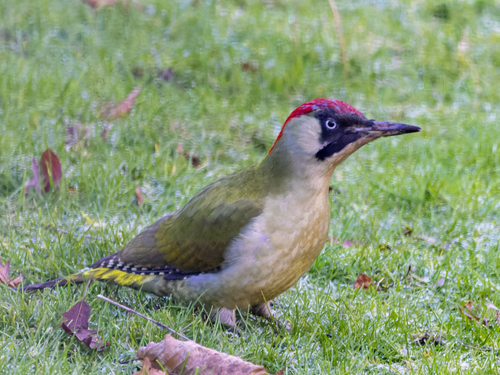
ヨーロッパアオゲラ (Picus viridis) ヨーロッパアオゲラ
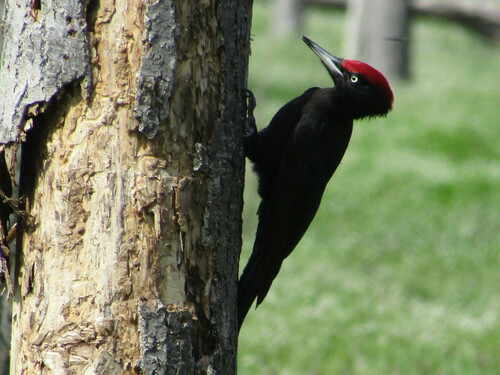
クマゲラ (Dryocopus martius) クマゲラ

メディア

読み込み中…

要点

これら二種の最も信頼できるフィールドマークは全体の色です:ヨーロッパアオゲラは上面が明るい緑色で、黄色い尾羽と赤い冠を持っていますが、クマゲラは赤い冠の斑点を除いて全体が黒です。幼鳥のアオゲラは非常に斑点が多く、縞模様がありますが、より均一に暗く鈍い幼鳥のクマゲラとは異なります。飛行中、アオゲラは波打つような跳ねる飛行を示し、尾羽に黄色の閃光を見せますが、クマゲラは遅く安定した羽ばたきで飛び、全体が黒に見えます。サイズも強い手がかりです:クマゲラはアオゲラよりもはるかに大きく、がっしりとしています。鳴き声や顔の模様も、よく見たり聞いたりした場合のさらなる区別を提供します。

識別のコツ

  1. 全体の色: アオゲラは上面が緑色で、黄色い尾羽を持っています;クマゲラは赤い冠を除いて全体が黒です。これはほとんどの視点で最も早い区別です。
  2. 幼鳥の模様: 幼鳥のアオゲラは特に腹部と顔に斑点と縞模様が多くあります。幼鳥のクマゲラは無地で鈍い黒で、鈍い赤い冠と淡い喉を持ち、斑点や縞模様はありません。
  3. 冠の模様(性別/年齢): 成熟したオスのアオゲラは赤い冠と後頭部を持ち、赤いものを含む黒い口ひげのストライプがあります;メスは無地の黒い口ひげを持っています。クマゲラのオスは全体が赤い冠を持ち、メスは後頭部のみです。幼鳥のクマゲラは鈍い、あまり広がらない赤い冠を持っています。
  4. 顔の模様: アオゲラは目と顔の周りに黒い「マスク」を持ち、対照的な淡い目があります。クマゲラには顔のマスクはなく、赤い冠のある黒い顔だけです。
  5. くちばしの構造: クマゲラははるかに長く、重く、淡いくちばしを持っています;アオゲラのくちばしは短く、頑丈さが少ないです。
  6. 飛行スタイル: アオゲラは跳ねるような波打つ飛行(3〜4回の羽ばたきの後に滑空)をします;クマゲラは遅く、安定した、途切れのない羽ばたきで飛び、頭を上げたままにします—跳ねることはありません。
  7. 飛行中の尾羽の色: アオゲラは飛行中に明るい黄色の尾羽を見せます;クマゲラの尾羽は黒で、体の残りと混ざります。
  8. サイズと印象: クマゲラははるかに大きく、がっしりとしており、より力強く見え、尾とくちばしが長いです。アオゲラは小さく、より細身で、印象が薄いです。
  9. 生息地の利用: アオゲラは開けた場所、芝生、または公園で地面にいることが多いです;クマゲラは成熟した森林の木の幹にほぼ常に見られます。
  10. 鳴き声: アオゲラは大きく、笑うような「ヤッフル」と、飛行中に騒々しい「キュキュキュッ」を出します;クマゲラは鋭い「クリークリークリー」と叫び声を出し、決してヤッフルを出しません。
  11. ドラミング: 両種ともドラミングは稀ですが、聞こえた場合、アオゲラのドラミングは柔らかく速いです;クマゲラのドラミングはここではフィールドマークとして説明されていません。
  12. 性差: アオゲラの場合、口ひげのストライプを確認してください:オスは赤い中心、メスは全て黒です。クマゲラの場合、冠の赤の広がりを確認してください:オスは全体が赤、メスは後頭部のみです。
  13. 止まり木の姿勢: クマゲラは長い首を持ち、大きな頭とくちばしを持ち、幹に直立して座ります。アオゲラはよりコンパクトで、地面にいることが多いです。
  14. 文脈: 大きな成熟した森林で大きな枯れ木がある場合、特に開けた地面から遠く離れていると、クマゲラの可能性が高くなります。開けた公園や庭では、アオゲラの可能性がはるかに高くなります。
  15. 落とし穴: 照明が悪い場合や遠くからの視界では、アオゲラが暗く見えたり、緑が少なく見えたりすることがあります;常に黄色い尾羽と顔の模様を探してください。幼鳥のアオゲラは奇妙な模様に見えることがありますが、全て黒にはなりません。

大きさ

クマゲラはヨーロッパアオゲラよりもかなり大きいです。アオゲラは長さ30〜36 cm、翼幅45〜51 cm、体重約193 g [wikidata]です。それに対して、クマゲラはカラスサイズで、長さ45〜55 cm、翼幅64〜84 cm、体重250〜400 g [wikipedia]です。クマゲラのくちばしも顕著に長く、重いです。フィールドでは、クマゲラははるかに威圧的で力強く見え、アオゲラは明らかに小さく、より細身です。

羽色

行動

アオゲラは地面で餌を取ることが多く、特にアリを探し、シャイで、見られるよりも聞かれることが多いです。彼らは滅多にドラミングせず、特徴的な波打つ跳ねる飛行を持っています。クマゲラは死んだ木や病気の木を叩いて木を食べる昆虫や大工アリを探し、木の幹にいることが多いです。彼らの飛行は直接的で、遅く深い羽ばたきで、跳ねるような動きはありません。クマゲラの強力な掘削は大きな巣穴を作り、他の種によって再利用されることがよくあります。

生息環境

両種とも成熟した森林に生息することがありますが、クマゲラは巣作りや餌を取るために大きな木が必要な大きな成熟した森林により厳密に結びついています。特にハルニレや松の心腐れのあるものです。アオゲラはより柔軟で、開けた森林、公園、果樹園、さらには庭でも見られ、開けた場所で地面に餌を取る姿が見られる可能性が高いです。クマゲラは開けたまたは断片化された生息地では見られる可能性が低いです。

声

アオゲラは大きく、笑うような「ヤッフル」コールで有名です—10〜18の「クル」音の連続で、速くなり、音程が下がります。また、飛行中には騒々しい「キュキュキュッ」を出します。メスの鳴き声はより細く、速いです。ドラミングは稀で柔らかいです。クマゲラは大きな笛のような「クリークリークリー」を出し(連続して2回のみ)、飛行中には叫び声のような高い音を出します。その鳴き声は高音でより鋭く、笑ったりヤッフルする音は出しません。ドラミングはどちらの種についてもこれらのメモでは顕著な特徴として言及されていません。

より良い説明を送る

比較と同じ項目を使ってください。文章はすぐに公開されます。

The most reliable field mark between these two is overall color: the Eurasian Green Woodpecker is bright green above with a yellow rump and red crown, while the Black Woodpecker is entirely black except for a red crown patch. Juvenile Green Woodpeckers are heavily spotted and streaked, unlike the more uniformly dark, dull juvenile Black Woodpecker. In flight, the Green Woodpecker shows an undulating, bounding flight and flashes of yellow on the rump, while the Black Woodpecker flies with slow, steady wingbeats and appears all black. Size is also a strong clue: the Black Woodpecker is much larger and bulkier than the Green Woodpecker. Vocalizations and facial patterns offer further separation if seen or heard well.

  1. Overall Color: Green Woodpecker is green above with a yellow rump; Black Woodpecker is entirely black except for the red crown. This is the fastest separation in most views.
  2. Juvenile Pattern: Juvenile Green Woodpeckers are heavily spotted and streaked, especially on the underparts and face. Juvenile Black Woodpeckers are plain, dull black with a duller red crown and pale throat, lacking any spots or streaks.
  3. Crown Pattern (Sex/Age): Adult male Green Woodpecker has a red crown and nape, with a black moustache stripe containing red; female has a solid black moustache. Black Woodpecker males have the whole crown red, females only the hindcrown. Juvenile Black Woodpecker has a duller, less extensive red crown.
  4. Facial Markings: Green Woodpecker has a black 'mask' around the eye and lores, and a contrasting pale eye. Black Woodpecker has no facial mask, just a black face with a red crown.
  5. Bill Structure: Black Woodpecker has a much longer, heavier, pale bill; Green Woodpecker's bill is shorter and less robust.
  6. Flight Style: Green Woodpecker flies with bounding, undulating flight (3–4 wingbeats then a glide); Black Woodpecker flies with slow, steady, unbroken wingbeats and keeps the head raised—no bounding.
  7. Rump Color in Flight: Green Woodpecker flashes a bright yellow rump in flight; Black Woodpecker's rump is black, blending with the rest of the body.
  8. Size and Jizz: Black Woodpecker is much larger, bulkier, and more powerful-looking, with a longer tail and bill. Green Woodpecker is smaller, more slender, and less imposing.
  9. Habitat Use: Green Woodpecker is often seen on the ground in open areas, lawns, or parkland; Black Woodpecker is almost always seen on tree trunks in mature forests.
  10. Vocalizations: Green Woodpecker gives a loud, laughing 'yaffle' and a noisy 'kyü-kyü-kyück' in flight; Black Woodpecker gives a sharp 'kree-kree-kree' and screech-like calls, never a yaffle.
  11. Drumming: Both species drum rarely, but if heard, Green Woodpecker's drumming is soft and fast; Black Woodpecker's drumming is not described as a field mark here.
  12. Sex Differences: For Green Woodpecker, check the moustache stripe: red center in males, all black in females. For Black Woodpecker, check the extent of red on the crown: full in males, hindcrown only in females.
  13. Perched Posture: Black Woodpecker appears long-necked, with a big head and bill, and sits upright on trunks. Green Woodpecker is more compact and often seen on the ground.
  14. Context: If seen in a large, mature forest with big dead trees, especially far from open ground, Black Woodpecker is more likely. In open parkland or gardens, Green Woodpecker is much more probable.
  15. Pitfalls: Poor light or distant views can make the Green Woodpecker look darker or less green; always look for the yellow rump and facial pattern. Juvenile Green Woodpeckers can appear oddly marked, but never all-black.

The Black Woodpecker is significantly larger than the Eurasian Green Woodpecker. The Green Woodpecker measures 30–36 cm in length with a wingspan of 45–51 cm and a body mass around 193 g [wikidata]. In contrast, the Black Woodpecker is crow-sized, measuring 45–55 cm in length with a wingspan of 64–84 cm and a body mass of 250–400 g [wikipedia]. The Black Woodpecker's bill is also notably longer and heavier. In the field, the Black Woodpecker looks much more imposing and powerful, while the Green Woodpecker is distinctly smaller and more slender.

  • Juveniles: Juvenile Green Woodpeckers are heavily spotted and streaked all over, with a dark moustache and some red feathers appearing in the moustache of young males by mid-summer. Juvenile Black Woodpeckers are duller black, less glossy, with a duller red crown and a paler grey throat and bill, but lack the heavy spotting and streaking of juvenile Green Woodpeckers.
  • Adults: Adult Green Woodpeckers are green above, pale yellowish green below, with a bright yellow rump and a red crown/nape. Males have a black moustache with a red center; females have a solid black moustache. The face has a black 'mask' around the eye and lores. Adult Black Woodpeckers are entirely black except for the red crown: males have the whole crown red, females only the hindcrown. The bill is pale and strikingly long. There are no yellow or green tones anywhere on the Black Woodpecker.
  • Flight: In flight, Green Woodpecker shows a yellow rump and undulating flight, while Black Woodpecker appears all black and flies with slow, steady wingbeats.

Green Woodpeckers spend much time feeding on the ground, especially for ants, and are shy, often more easily heard than seen. They rarely drum and have a distinctive undulating, bounding flight. Black Woodpeckers feed by hammering into dead or diseased trees for wood-boring insects and carpenter ants, and are more often seen on tree trunks. Their flight is direct, with slow, deep wingbeats and no bounding dips. The Black Woodpecker's powerful excavations create large nest holes, often reused by other species.

Both species can occur in mature woodlands, but the Black Woodpecker is more strictly tied to large, mature forests with big trees for nesting and feeding, especially poplar or pine with heart rot. Green Woodpeckers are more flexible, found in open woodlands, parkland, orchards, and even gardens, and are more likely to be seen feeding on the ground in open areas. The Black Woodpecker is less likely in open or fragmented habitats.

Green Woodpecker is famous for its loud, laughing 'yaffle' calls—a series of 10–18 'klü' notes that speed up and drop in pitch, and a noisy 'kyü-kyü-kyück' in flight. The female's call is thinner and more rapid. Drumming is rare and soft. Black Woodpecker gives a loud, whistling 'kree-kree-kree' (only twice in a row), and a screech-like shrill in flight. Its calls are higher-pitched and more piercing, and it does not produce a laughing or yaffling sound. Drumming is not mentioned as a prominent feature for either in these notes.

変更を破棄しますか?

保存していない編集があります。今離れると失われます。

ヨーロッパアオゲラ · クマゲラ · 苦手な鳥