

Motmot

オナガカッコウ 対 アフリカカッコウ

Cercococcyx mechowi 対 Cuculus gularis

オナガカッコウとアフリカカッコウのクイズ

オナガカッコウ (Cercococcyx mechowi) オナガカッコウ
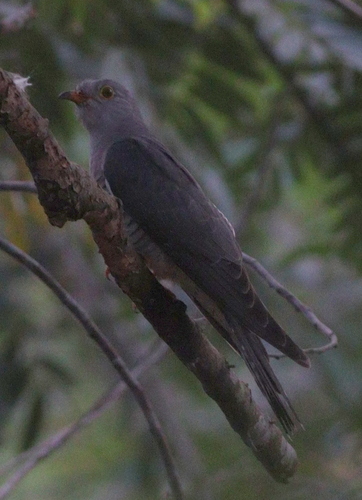
アフリカカッコウ (Cuculus gularis) アフリカカッコウ

メディア

読み込み中…

要点

オナガカッコウとアフリカカッコウを区別する最も信頼できるフィールドマークは、上面の色と翼のパターンの組み合わせです:オナガカッコウは、紫青色の光沢を持つ暗褐色のすす灰色の上面と、翼に目立つバフと白の斑点がありますが、アフリカカッコウは全体的に暗灰色で斑点がありません。幼鳥のオナガカッコウは上面に赤褐色の縞模様を示しますが、アフリカカッコウの2つの幼鳥形態(灰色と肝色)とは異なります。飛行中、オナガカッコウの尾は長く、より段階的で、下面はより重く縞模様があります。生息地も強い手がかりです:オナガカッコウは森林種であり、アフリカカッコウは開けた森林やサバンナを好みます。鳴き声は非常に異なりますが、両方とも見られるよりも聞かれることが多いです。

識別のコツ

  1. Juvenile upperparts: 幼鳥のオナガカッコウの上面に赤褐色の縞模様を探してください;アフリカカッコウの幼鳥はこれを示さず、代わりに灰色または茶色(肝色)で白またはバフの縞模様があります。
  2. Adult upperwing pattern: オナガカッコウは暗褐色の翼にバフと白の斑点を示します(すべての年齢);アフリカカッコウの翼は無地の暗灰色で斑点がありません。
  3. Tail shape and length: オナガカッコウの尾は長く、より段階的で、特に止まっている時や飛行中に明らかです。アフリカカッコウの尾は長いですが、段階的ではなく、白い先端と暗い縞模様があります。
  4. Upperpart color: オナガカッコウは暗褐色で、すす灰色の洗いと紫青色の虹色があります;アフリカカッコウは暗灰色で、茶色のトーンや虹色がありません。
  5. Underpart barring: オナガカッコウは白い下面に重く、黒褐色の縞模様があります;アフリカカッコウの縞模様は暗灰色でより規則的で、幼鳥にはクリーミーまたはバフのトーンがあります。
  6. Vent color: オナガカッコウはバフの腹部を持ち、鳥が羽繕いをしている時や良い光の下で見えるかもしれません;アフリカカッコウの腹部はバフではありません。
  7. Bare part color: オナガカッコウは暗褐色の目、緑がかった黒のくちばし、黄色の足を持っています。アフリカカッコウのオスは黄色の目、メスは淡い茶色で、黒(角の先端)のくちばしと黄色がかった足を持っています。目の色は近距離で最もよく見えます。
  8. Flight style: アフリカカッコウの飛行はダッシュのようで、鷹のように見えることが多く、小型の猛禽類に例えられます;オナガカッコウの飛行は目立たず、より秘密主義的です。
  9. Perching posture: アフリカカッコウは特に開けた場所でほぼ垂直に止まることが多い;オナガカッコウは下草や中層に隠れている可能性が高いです。
  10. Habitat context: 密な森林や厚い下草はオナガカッコウを強く示唆します;開けた森林やサバンナはアフリカカッコウを示します。
  11. Vocalizations: オナガカッコウの鳴き声は「フー ヒー ウィーウ」または長い加速する/下降する系列です;アフリカカッコウのオスは二音の「クー クー」を発し、二音目は高くて大きく、メスは泡立つ「クイック クイック クイック」を発します。
  12. Seasonal movement: アフリカカッコウは渡り鳥であり、いくつかの地域では雨季以外は不在のことがあります;オナガカッコウはその森林範囲に常駐しています。
  13. Sex differences: アフリカカッコウのみが目の色において性差を示します(オスは黄色、メスは淡い茶色);オナガカッコウの性別は似ています。
  14. Association with mixed flocks: オナガカッコウは森林で混成種の群れに加わることがありますが、アフリカカッコウは通常孤独です。
  15. Host choice (contextual): 両方とも抱卵寄生者ですが、彼らの宿主種は異なり、巣で観察されない限りフィールドIDに役立つことは少ないです。

大きさ

両種は長さが約32〜33 cm(13インチ)で似ています [wikipedia]。オナガカッコウはアフリカカッコウ(正確な質量は示されていませんが、サイズは似ています)よりもわずかに重い(50〜61 g)です。両方とも長い尾を持っていますが、オナガカッコウの尾は特に段階的で、体に対して長く見えます。構造は他は似ており、両方とも典型的な細長いカッコウのプロポーションを示します。

羽色

行動

オナガカッコウは密な下草や中層に見られることが多く、時には混成種の群れに加わり、ペアで樹上から鳴いているのが見られることが多いです。アフリカカッコウは一般的に孤独で、木の中や地面で餌を探し、ほぼ垂直に止まります。アフリカカッコウの飛行は「ダッシュ」と表現され、小型の猛禽類を思わせる一方で、オナガカッコウの飛行はあまり注目されませんが、森林の生息地のためにより秘密主義的である可能性があります。

生息環境

生息地は強い区別要因です:オナガカッコウは森林の専門家であり、密な下草、つる植物、高い二次森林、中央アフリカの河川森林を好みます。アフリカカッコウは散発的なアカシアのある開けた森林やサバンナに見られ、密な森林や乾燥した地域には存在しません。もし厚い森林でカッコウを見たら、オナガカッコウである可能性が高いです;開けた森林やサバンナではアフリカカッコウがデフォルトです。

声

オナガカッコウは「フー ヒー ウィーウ」と、加速してから減速する下降音の系列を出します。アフリカカッコウのオスの鳴き声は二音の「クー クー」で、二音目は高くて大きい;メスは泡立つ「クイック クイック クイック」を出します。鳴き声は非常に異なり、よく聞こえれば診断的です。

より良い説明を送る

比較と同じ項目を使ってください。文章はすぐに公開されます。

The most reliable field mark to separate Dusky Long-tailed Cuckoo from African Cuckoo is the combination of upperpart color and wing pattern: Dusky Long-tailed has dark brown, sooty-grey upperparts with a purple-blue sheen and prominent buff and white spots on the wings, while African Cuckoo is overall dark grey above with no spotting. Juvenile Dusky Long-tailed Cuckoos show rufous barring on the upperparts, unlike the two juvenile morphs of African Cuckoo (grey and hepatic). In flight, Dusky Long-tailed’s tail is longer and more graduated, and its underparts are more heavily barred. Habitat is also a strong clue: Dusky Long-tailed is a forest species, African Cuckoo prefers open woodland and savannah. Calls are very different, but both are more often heard than seen.

  1. Juvenile upperparts: Look for rufous bars on the upperparts of juvenile Dusky Long-tailed Cuckoo; African Cuckoo juveniles never show this, instead appearing grey or brown (hepatic) with white or buff barring.
  2. Adult upperwing pattern: Dusky Long-tailed Cuckoo shows buff and white spots on the dark brown wings (all ages); African Cuckoo’s wings are plain dark grey with no spotting.
  3. Tail shape and length: Dusky Long-tailed’s tail is longer and more graduated, especially obvious when perched or in flight. African Cuckoo’s tail is long but less graduated, with a white tip and dark barring.
  4. Upperpart color: Dusky Long-tailed is dark brown with a sooty-grey wash and purple-blue iridescence; African Cuckoo is dark grey, lacking brown tones or iridescence.
  5. Underpart barring: Dusky Long-tailed has heavier, blackish-brown barring on white underparts; African Cuckoo’s barring is dark grey and more regular, with creamy or buff tones in juveniles.
  6. Vent color: Dusky Long-tailed has a buff vent, which may be visible when the bird is preening or in good light; African Cuckoo’s vent is not buff.
  7. Bare part color: Dusky Long-tailed has dark brown eyes, greenish-black bill, and yellow feet. African Cuckoo males have yellow eyes, females light brown, with a yellow bill (black/horn tip) and yellowish legs. Eye color is best seen at close range.
  8. Flight style: African Cuckoo’s flight is dashing and falcon-like, often drawing comparisons to a small raptor; Dusky Long-tailed’s flight is less conspicuous and more secretive.
  9. Perching posture: African Cuckoo often perches almost vertically, especially in open; Dusky Long-tailed is more likely to be hidden in undergrowth or mid-canopy.
  10. Habitat context: Dense forest or thick undergrowth points strongly to Dusky Long-tailed; open woodland or savannah to African Cuckoo.
  11. Vocalizations: Dusky Long-tailed’s call is a 'hu hee wheeu' or a long, accelerating/descending series; African Cuckoo’s male gives a two-note 'coo-coo' with the second note higher and louder, and the female a bubbling 'kwik-kwik-kwik'.
  12. Seasonal movement: African Cuckoo is migratory and may be absent outside the rainy season in some areas; Dusky Long-tailed is resident in its forest range.
  13. Sex differences: Only African Cuckoo shows sexual dimorphism in eye color (yellow in males, light brown in females); Dusky Long-tailed sexes are alike.
  14. Association with mixed flocks: Dusky Long-tailed may join mixed-species flocks in forest, African Cuckoo is usually solitary.
  15. Host choice (contextual): Both are brood parasites, but their host species differ and are unlikely to help in field ID unless observed at a nest.

Both species are similar in length, about 32–33 cm (13 in) [wikipedia]. Dusky Long-tailed Cuckoo is slightly heavier (50–61 g) than African Cuckoo (no precise mass given, but similar size). Both have long tails, but Dusky Long-tailed’s is notably more graduated and appears longer relative to the body. Structure is otherwise similar, with both showing typical slender cuckoo proportions.

  • Juvenile/immature: Dusky Long-tailed Cuckoo juveniles have a blackish throat and rufous bars on the upperparts, which is unique among these two. African Cuckoo juveniles come in two morphs: a grey morph (greyer than adult, white barring, creamy-white underparts with dense dark barring) and a hepatic morph (brown above, buff/tawny below, not rufous-barred like Dusky Long-tailed).
  • Adult upperparts: Dusky Long-tailed is dark brown with a sooty-grey wash and a purple-blue iridescence, plus buff and white spots on the wings. African Cuckoo is dark grey above, with no spots or iridescence.
  • Underparts: Both have white underparts with dark barring, but Dusky Long-tailed’s barring is blackish-brown and heavier; African Cuckoo’s is dark grey and more regular. Dusky Long-tailed’s vent is buff, African Cuckoo’s is not described as such.
  • Tail: Dusky Long-tailed’s tail is longer and more graduated, dark brown with possible spotting; African Cuckoo’s is dark grey with dark barring and a white tip.
  • Bare parts: Dusky Long-tailed has dark brown eyes, greenish-black bill, yellow feet. African Cuckoo males have yellow eyes, females light brown, with a yellow bill tipped black/horn and yellowish legs.
  • Sexes: Both species are similar between sexes, but eye color differs in African Cuckoo.

Dusky Long-tailed Cuckoo is often found in dense undergrowth or mid-canopy, sometimes joining mixed-species flocks, and is more likely to be seen in pairs calling from treetops. African Cuckoo is generally solitary, forages in trees and on the ground, and perches almost vertically. African Cuckoo’s flight is described as 'dashing' and reminiscent of a small raptor, while Dusky Long-tailed’s flight is less remarked upon but likely more secretive due to its forest habitat.

Habitat is a strong separator: Dusky Long-tailed Cuckoo is a forest specialist, preferring dense undergrowth, lianas, tall secondary forest, and riverine forest in Central Africa. African Cuckoo is found in open woodland and savannah with scattered acacias, and is absent from dense forest and arid regions. If you see a cuckoo in thick forest, it is much more likely to be Dusky Long-tailed; in open woodland or savannah, African Cuckoo is the default.

Dusky Long-tailed Cuckoo gives a 'hu hee wheeu' and a series of accelerating then decelerating, descending notes. African Cuckoo’s male call is a two-note 'coo-coo' with the second note higher and louder; the female gives a bubbling 'kwik-kwik-kwik'. The calls are very different and diagnostic if heard well.

変更を破棄しますか?

保存していない編集があります。今離れると失われます。

オナガカッコウ · アフリカカッコウ · 苦手な鳥