

Motmot

ウズラクイナ 対 ヨーロッパムナグロ

Crex crex 対 Pluvialis apricaria

ウズラクイナとヨーロッパムナグロのクイズ
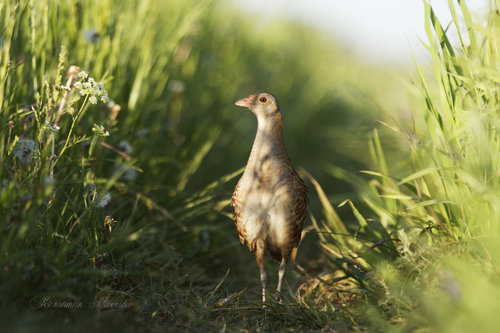
ウズラクイナ (Crex crex) ウズラクイナ
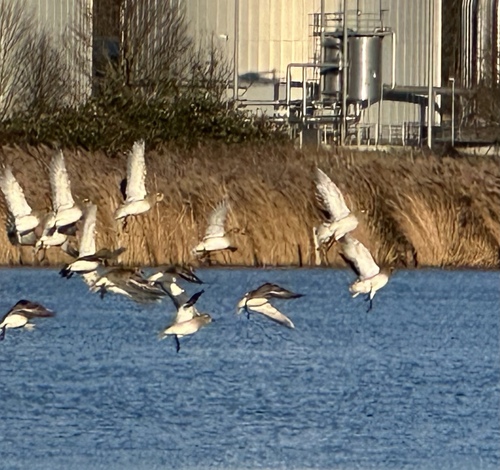
ヨーロッパムナグロ (Pluvialis apricaria) ヨーロッパムナグロ

メディア

読み込み中…

要点

ウズラクイナとヨーロッパムナグロを区別する最も信頼できるフィールドマークは、ウズラクイナの栗色の上翼覆いと青灰色の腹部、縞模様の脇腹の組み合わせであり、対してヨーロッパムナグロは繁殖羽衣で金色の斑点のある上面と顔や脇腹に特徴的な白いS字型の帯を持っています。飛行中、ウズラクイナは翼に栗色を示し、脚をぶら下げますが、ヨーロッパムナグロは速く力強い翼の羽ばたきとコンパクトでがっしりとした形を持っています。幼鳥のウズラクイナは淡い色合いで青灰色の腹部が欠けていますが、金色の斑点模様やヨーロッパムナグロのS字型の白い帯は決して示しません。構造、くちばしの形、そして生息地も大きく異なり、遠くからでも識別を助けます。

識別のコツ

  1. 栗色の翼覆い(ウズラクイナ): すべての年齢で、ウズラクイナは翼覆いに栗色を示し、特に飛行中や翼を伸ばしたときに明らかです。ヨーロッパムナグロは翼に栗色を示しません。
  2. 縞模様の脇腹と尾(ウズラクイナ): 脇腹と尾に栗色と白の縞模様を探してください。これは非常に若い雛を除くすべてのウズラクイナの羽衣に存在します。ヨーロッパムナグロは常に無地で縞模様のない脇腹を持っています。
  3. 青灰色の腹部(ウズラクイナ成鳥): 成鳥のウズラクイナは青灰色の顔、首、胸を持ち、茶色の縞模様の上面と対照的です。ヨーロッパムナグロは青灰色の腹部を示しません。
  4. 金色の斑点のある上面(ヨーロッパムナグロ): すべての年齢のヨーロッパムナグロは背中と翼に金色または黄色の斑点を持ち、ウズラクイナはこれを示しません。
  5. 白いS字型の帯(繁殖中のヨーロッパムナグロ): 繁殖羽衣では、ヨーロッパムナグロは額から脇腹にかけて白いS字型の帯を持ち、黒い顔と腹部を持っています。ウズラクイナはこの模様を示しません。
  6. 飛行スタイル: ウズラクイナは脚をぶら下げて浅く、丸みの少ない翼で飛びます。ヨーロッパムナグロは速く力強い羽ばたきとコンパクトでがっしりとしたプロファイルを持っています。
  7. くちばしの形: ウズラクイナは強く肉色のレイルくちばしを持ち、ヨーロッパムナグロの細長く短いくちばしよりも太くて尖っていません。
  8. 脚: ウズラクイナの脚は長くて淡い色をしており、飛行中に後ろにぶら下がっているのがよく見えます。ヨーロッパムナグロの脚は短く、飛行中に見えることはほとんどありません。
  9. 顔の模様: ウズラクイナは淡い茶色の目のストライプを持っています。ヨーロッパムナグロは非繁殖羽衣ではより均一な顔を持ち、繁殖羽衣では目を引く白いS字型の帯を持っています。
  10. 幼鳥の混乱: 幼鳥のウズラクイナは淡い色合いですが、金色の斑点やヨーロッパムナグロのS字型の帯は決して示しません。幼鳥のヨーロッパムナグロは常に金色の斑点のある上面を示します。
  11. 生息地: ウズラクイナはほぼ常に密な草や干し草地に見られ、開けた場所にはめったに現れません。ヨーロッパムナグロは開けた湿地や畑を好み、群れで見られることがよくあります。
  12. 鳴き声: ウズラクイナの大きく反復的な「クレクレ」は、ヨーロッパムナグロの柔らかく下降する「トゥー」とは非常に異なります。
  13. 季節的変化: ウズラクイナの上面は繁殖シーズン外で暗くなり、腹部は青灰色が少なくなりますが、栗色の翼覆いと縞模様の脇腹は残ります。ヨーロッパムナグロは冬に黒い腹部とS字型の帯を失いますが、金色の斑点のある上面は保持します。
  14. ジズ: ウズラクイナは細長く、横に圧縮されており、しばしば隠れています。ヨーロッパムナグロはがっしりとして直立し、開けた生息地ではより親しみやすいです。
  15. ゲームバードの混乱: 鳥が飛行中にゲームバードのように見えますが、栗色の翼とぶら下がった脚を示す場合、それはウズラクイナであり、ヨーロッパムナグロではありません。

大きさ

両種は質量が似ています(ウズラクイナのオスは平均165g、メスは145g、ヨーロッパムナグロは約175g [wikidata])が、形状はかなり異なります。ウズラクイナは中型のレイルで、より細長い体、長い首、長い脚を持ち(飛行中にぶら下がっているのがよく見られます)。ヨーロッパムナグロはがっしりとしてコンパクトで、ムナグロとしては比較的短い脚を持ち、翼は尾よりわずかに長いだけです。ウズラクイナの翼幅は42–53 cmですが、その体はムナグロよりも横に圧縮されており、直立していません。

羽色

行動

ウズラクイナは秘密主義で、通常は密な草の中に隠れており、フラッシュされるとき以外は開けた場所ではめったに見られません。その際、低く飛び、脚をぶら下げ、浅い羽ばたきをします。ヨーロッパムナグロは開けた場所に立っているのが見られる可能性が高く、しばしば群れで見られ、規則的な羽ばたきとコンパクトなプロファイルで速く力強い飛行を持っています。ウズラクイナの飛行はゲームバードに似ることがありますが、栗色の翼の模様と脚の位置は特徴的です。

生息環境

ウズラクイナは密な草地や干し草地で繁殖し、開けた地面にはめったに出てこず、冬にはアフリカに移動します。ヨーロッパムナグロは開けた湿地、ツンドラ、または草地を好み、ウズラクイナよりも露出した場所にしばしば見られ、繁殖シーズン外では開けた畑や干潟で群れで見られることが一般的です。生息地の文脈は強い手がかりです:密な草からフラッシュされた鳥は、ウズラクイナである可能性がはるかに高いです。

声

ウズラクイナは特に夜や夕暮れ時に大きく反復的な「クレクレ」と呼ぶ声を出し、これはヨーロッパムナグロの柔らかく下降する「トゥー」とは非常に異なります。草地から厳しい機械的な呼び声が聞こえた場合、それはウズラクイナです。開けた地面からの哀れな笛の音はヨーロッパムナグロを指し示します。

より良い説明を送る

比較と同じ項目を使ってください。文章はすぐに公開されます。

The most reliable field mark to separate Corncrake from European Golden Plover is the Corncrake’s combination of chestnut upperwing coverts and blue-grey underparts with barred flanks, versus the Golden Plover’s gold-spangled upperparts and distinctive white S-shaped band on the face and flanks in breeding plumage. In flight, Corncrake shows chestnut in the wings and dangles its legs, while Golden Plover has rapid, powerful wingbeats and a compact, thickset shape. Juvenile Corncrakes are buffy and lack the blue-grey underparts, but still never show the gold-spangled pattern or the S-shaped white band of Golden Plover. Structure, bill shape, and habitat also differ markedly, helping clinch identification even at a distance.

  1. Chestnut wing coverts (Corncrake): In all ages, Corncrake shows chestnut on the wing coverts, especially obvious in flight or when the wing is stretched. Golden Plover never shows chestnut in the wing.
  2. Barred flanks and undertail (Corncrake): Look for chestnut-and-white barring on the flanks and undertail, present in all Corncrake plumages except very young chicks. Golden Plover always has plain, unbarred flanks.
  3. Blue-grey underparts (Corncrake adult): Adult Corncrake has blue-grey face, neck, and breast, contrasting with the brown-streaked upperparts. Golden Plover never shows blue-grey underparts.
  4. Gold-spangled upperparts (Golden Plover): All ages of Golden Plover have golden or yellow spots on the back and wings, which Corncrake never shows.
  5. White S-band (Golden Plover breeding): In breeding plumage, Golden Plover has a white S-shaped band from forehead to flanks, with a black face and belly. Corncrake never shows this pattern.
  6. Flight style: Corncrake flies with legs dangling and shallow, less rounded wings; Golden Plover has rapid, powerful wingbeats and a compact, thickset profile.
  7. Bill shape: Corncrake has a strong, flesh-coloured rail bill, thicker and less pointed than the slender, short bill of Golden Plover.
  8. Legs: Corncrake’s legs are longer and paler, often visible trailing behind in flight. Golden Plover’s legs are shorter and rarely visible in flight.
  9. Face pattern: Corncrake has a pale brown eye-stripe; Golden Plover has a more uniform face in non-breeding plumage, or a striking white S-band in breeding plumage.
  10. Juvenile confusion: Even juvenile Corncrake, though buffier, never shows gold spangling or the S-band of Golden Plover. Juvenile Golden Plover always shows gold-spangled upperparts.
  11. Habitat: Corncrake is almost always found in dense grass or hayfields, rarely in the open; Golden Plover prefers open moorland or fields and is often seen in flocks.
  12. Vocalization: Corncrake’s loud, repetitive 'krek krek' is very different from the Golden Plover’s soft, descending 'tuu'.
  13. Seasonal changes: Corncrake’s upperparts darken and underparts become less grey outside the breeding season, but chestnut wing coverts and barred flanks remain. Golden Plover loses the black belly and S-band in winter but keeps gold-spangled upperparts.
  14. Jizz: Corncrake is elongated, laterally compressed, and often skulking; Golden Plover is thickset, upright, and more confiding in open habitats.
  15. Gamebird confusion: If the bird looks like a gamebird in flight but shows chestnut wings and dangling legs, it is Corncrake, not Golden Plover.

Both species are similar in mass (Corncrake males average 165g, females 145g; European Golden Plover about 175g [wikidata]), but their shapes are quite different. Corncrake is a medium-sized rail with a more elongated body, longer neck, and longer legs (often seen dangling in flight). Golden Plover is thickset and compact, with relatively short legs for a plover and wings only slightly longer than the tail. Corncrake’s wingspan is 42–53 cm, but its body is more laterally compressed and less upright than the plover’s.

  • Juveniles/immatures: Corncrake juveniles resemble adults but are yellower above and buff-brown below, lacking blue-grey underparts. They still show chestnut in the wing coverts and barred flanks/undertail. Golden Plover juveniles and non-breeding birds always show gold-spangled upperparts and lack any chestnut or barring on the flanks/undertail. No age of Golden Plover ever shows the Corncrake’s blue-grey or barred underparts.
  • Adults (breeding): Corncrake adults have brown-black upperparts streaked with buff/grey, chestnut wing coverts, blue-grey face, neck, and breast, and chestnut-and-white barred flanks/undertail. Golden Plover adults in breeding plumage have a striking white S-band from forehead to flanks, black face/belly, and gold-spangled upperparts.
  • Adults (non-breeding): Corncrake upperparts darken, underparts become less grey, but the chestnut wing coverts and barred flanks persist. Golden Plover loses the black belly and S-band but retains gold-spangled upperparts and never shows chestnut or barred flanks.
  • In flight: Corncrake shows chestnut in the wings, white leading edge to inner wing, and dangling legs. Golden Plover shows uniform gold-spangled upperparts, white underwings (not axillaries), and a compact, rapid flight.

Corncrake is secretive, usually skulking in dense grass and rarely seen in the open except when flushed, when it flies low with dangling legs and shallow wingbeats. Golden Plover is much more likely to be seen standing in the open, often in flocks, and has a rapid, powerful flight with regular wingbeats and a compact profile. Corncrake’s flight can resemble a gamebird, but the chestnut wing pattern and leg position are distinctive.

Corncrake breeds in dense grassland and hayfields, rarely venturing into open ground, and migrates to Africa for the winter. Golden Plover prefers open moorland, tundra, or grassland, often in more exposed locations than Corncrake, and is commonly seen in flocks on open fields or mudflats outside the breeding season. Habitat context is a strong clue: a bird flushed from thick grass is far more likely to be a Corncrake.

Corncrake gives a loud, repetitive 'krek krek' call, especially at night or dusk, which is very different from the Golden Plover’s soft, descending 'tuu'. If you hear a harsh, mechanical call from grassland, it is Corncrake; a plaintive, whistled note from open ground points to Golden Plover.

変更を破棄しますか?

保存していない編集があります。今離れると失われます。

ウズラクイナ · ヨーロッパムナグロ · 苦手な鳥