

Motmot

タンビアレチカマドドリ 対 セスジキンノジコ

Clibanornis dendrocolaptoides 対 Sicalis luteola

タンビアレチカマドドリとセスジキンノジコのクイズ

タンビアレチカマドドリ (Clibanornis dendrocolaptoides) タンビアレチカマドドリ
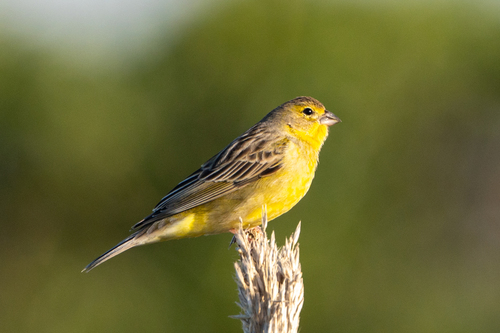
セスジキンノジコ (Sicalis luteola) セスジキンノジコ

メディア

読み込み中…

要点

タンビアレチカマドドリとセスジキンノジコを区別する最も信頼できるフィールドマークは、全体の構造と色合いです:グラウンドクリーパーは、まっすぐで暗いくちばしと豊かな赤褐色のトーンを持つ、はるかに大きく重い鳥ですが、イエローフィンチははるかに小さく、軽く、明確に黄色です。幼鳥のグラウンドクリーパーは、無地のバフ洗いの白い喉とわずかにまだらの胸を示しますが、どの年齢のイエローフィンチの明るい黄色にも近づくことはありません。フィールドでは、グラウンドクリーパーの頑丈でオーブンバードのような形と土色の色合いを探し、イエローフィンチのコンパクトでスズメのような体型と鮮やかな黄色と対比させてください。生息地も役立ちます:グラウンドクリーパーは密な下草の中でひそみ、イエローフィンチは開けた国の鳥です。

識別のコツ

  1. サイズと体重:グラウンドクリーパーはイエローフィンチの3倍以上の重さです。鳥が大きく、細長く、頑丈に見える場合、それはほぼ確実にグラウンドクリーパーです。小さくて繊細な鳥はイエローフィンチです。
  2. くちばしの形:グラウンドクリーパーは探るのに適した長くてまっすぐな暗いくちばしを持っています;イエローフィンチは種を食べるための短く円錐形の淡いくちばしを持っています。くちばしの形は近距離で診断的です。
  3. 全体の色:グラウンドクリーパーはどの年齢でも黄色ではなく、上面は赤褐色から栗色で、下面は灰色がかった色合いとオクラ色です。イエローフィンチは常に黄色がかっており、特に下面は、幼鳥でもそうです。
  4. 眉斑と顔:グラウンドクリーパーは、目の後ろで広がる狭い灰色またはバフ灰色の眉斑を示し、暗い茶色の頬と鈍い赤褐色の顔を持っています。イエローフィンチはこのパターンを欠き、代わりに無地または微妙に模様のある顔を示します。
  5. 冠と背中:グラウンドクリーパーは暗い栗色の冠と赤褐色の背中を持っています;イエローフィンチはオリーブ色または茶色がかった上面を持っていますが、決して栗色や赤褐色ではありません。
  6. 翼と尾:グラウンドクリーパーの翼の覆羽と飛行羽は赤褐色で、尾は主に赤褐色です。イエローフィンチは無地の茶色がかった翼と尾を持ち、決して赤褐色や栗色ではありません。
  7. 喉と下面:成鳥のグラウンドクリーパーは、側面に黒っぽい斑点のある白い喉を持っています;幼鳥は無地のバフ洗いの白い喉を持っています。イエローフィンチは喉と下面が黄色がかっており、幼鳥では時々わずかに縞模様がありますが、決して白や斑点はありません。
  8. 胸と腹:グラウンドクリーパーの胸と腹は鈍い灰色がかっており、赤褐色の側面とオクラ色の脇腹を持っています。イエローフィンチは下面が明るい黄色で、幼鳥では時々わずかに縞模様があります。
  9. 足の色:グラウンドクリーパーはオリーブグリーンから緑がかった灰色の足と足を持っています;イエローフィンチの足は淡く、目立たないです。
  10. 行動:グラウンドクリーパーは密な下草の中でゆっくりと動き、遠くに飛ぶことはほとんどなく、開けた場所に止まることもありません。イエローフィンチは活発で、露出した茎に止まり、しばしば群れで飛びます。
  11. 生息地:密で絡み合った森林の下草はグラウンドクリーパーを指し、開けた草原や雑草の生えた畑はイエローフィンチを指します。
  12. 幼鳥の混乱:無地の喉とわずかにまだらの胸を持つ幼鳥のグラウンドクリーパーでも、黄色のトーンを示すことはありません。幼鳥のイエローフィンチは鈍い色合いかもしれませんが、黄色がかっており、グラウンドクリーパーの赤褐色や栗色の色合いは欠いています。
  13. 性別:両種は羽毛において性別が単形であるため、性別は有用なフィールドマークではありません。
  14. 飛行の特徴:グラウンドクリーパーの飛行は重くて直接的で、持続することはほとんどありません;イエローフィンチは素早く、跳ねるように、敏捷です。
  15. 疑わしい場合:黄色で小さい鳥はイエローフィンチです;大きくて赤褐色でひそむ鳥はグラウンドクリーパーです。

大きさ

タンビアレチカマドドリはかなり大きく重く、約53gで、長さは20〜22cmです。大きなファーナリウスに典型的な頑丈で細長い体を持っています。それに対して、セスジキンノジコははるかに小さく軽く、わずか15.5gで、コンパクトでフィンチのような体型です。このサイズの違いは直接比較で明らかです:グラウンドクリーパーは bulky で細長く見え、イエローフィンチは小柄で繊細です。くちばしのサイズと形も異なります:グラウンドクリーパーのくちばしはまっすぐで強く、探るのに適しており、イエローフィンチのくちばしは短く円錐形です。

羽色

幼鳥のタンビアレチカマドドリは、無地のバフ洗いの白い喉と胸のわずかにバフのまだら模様で識別できますが、成鳥よりも灰色がかった腹を持っています。それでも、赤褐色の上面を持つ鈍い土色の鳥であり、黄色はありません。成鳥は狭い灰色またはバフ灰色の眉斑、暗い栗色の冠、赤褐色の背中、赤褐色の翼と尾を持っています。喉は白で、黒っぽい斑点があり、下面は鈍い灰色がかっており、赤褐色の側面とオクラ色の脇腹を持っています。対照的に、セスジキンノジコは成鳥では全体的に明るい黄色で、背中と翼にはオリーブ色または茶色がかった色合いがありますが、決してグラウンドクリーパーの豊かな赤褐色や栗色ではありません。幼鳥のイエローフィンチは鈍い色合いかもしれませんが、依然として黄色がかっており、グラウンドクリーパーの栗色や赤褐色の色合いは欠いています。イエローフィンチのどの年齢や季節も、グラウンドクリーパーの土色のオーブンバードのような羽毛には似ていません。

行動

タンビアレチカマドドリはひそみ、密な下草の中をゆっくりと意図的に移動し、しばしば地面近くでまっすぐなくちばしで探ります。開けた場所で見られることはほとんどありません。セスジキンノジコははるかに活発で目立ち、露出した草の茎に止まったり、開けた畑の上を群れで飛んだりすることがよくあります。彼らの飛行は素早く跳ねるようで、小さな種食者に典型的です。グラウンドクリーパーの行動は秘密主義的であり、イエローフィンチは社交的で目立ちます。

生息環境

タンビアレチカマドドリは湿った森林の密で絡み合った下草に生息し、特に厚いカンや竹のある地域に見られ、アルゼンチン、ブラジル、パラグアイに分布しています。開けた場所を避けます。セスジキンノジコはその名の通り、開けた草原、牧草地、雑草の生えた畑に生息し、密な覆いにはめったに入らないです。開けた草地に鳥を見た場合、それはほぼ確実にイエローフィンチです;密で影のある下草の中を這っている鳥は、グラウンドクリーパーである可能性が高いです。

より良い説明を送る

比較と同じ項目を使ってください。文章はすぐに公開されます。

The most reliable field mark to separate Canebrake Groundcreeper from Grassland Yellow-Finch is overall structure and coloration: the groundcreeper is a much larger, heavier bird with a straight, dark bill and rich rufous-brown tones, while the yellow-finch is much smaller, lighter, and distinctly yellow. Juvenile groundcreepers show a plain buff-washed white throat and faintly mottled breast, but never approach the bright yellow of any age yellow-finch. In the field, look for the groundcreeper’s robust, ovenbird-like shape and earthy colors versus the yellow-finch’s compact, sparrow-like build and vivid yellow. Habitat can help: groundcreepers are skulkers in dense undergrowth, while yellow-finches are open-country birds.

  1. Size and bulk: The groundcreeper is over three times heavier than the yellow-finch. If the bird appears large, elongated, and robust, it is almost certainly a groundcreeper. Small, delicate birds are yellow-finches.
  2. Bill shape: Groundcreeper has a long, straight, dark bill suited for probing; yellow-finch has a short, conical, pale bill for seed-eating. Bill shape is diagnostic at close range.
  3. Overall color: Groundcreeper is never yellow at any age; it is rufous-brown to chestnut above, with grayish and ochraceous underparts. Yellow-finch is always yellowish, especially below, even in juveniles.
  4. Supercilium and face: Groundcreeper shows a narrow grayish or buff-gray supercilium that widens behind the eye, with dark brown lores and a dull reddish-brown face. Yellow-finch lacks this pattern, instead showing a plain or subtly marked face.
  5. Crown and back: Groundcreeper has a dark chestnut-brown crown and rufescent brown back; yellow-finch has olive or brownish upperparts but never chestnut or rufous.
  6. Wings and tail: Groundcreeper’s wing coverts and flight feathers are rufous-brown, and the tail is mostly rufous-chestnut. Yellow-finch has plain brownish wings and tail, never rufous or chestnut.
  7. Throat and underparts: Adult groundcreeper has a white throat with blackish speckles on the sides; juveniles have a plain buff-washed white throat. Yellow-finch is yellowish on the throat and underparts, sometimes with faint streaking in juveniles but never white or speckled.
  8. Breast and belly: Groundcreeper’s breast and belly are dull grayish, with rufous-brown sides and ochraceous flanks. Yellow-finch is bright yellow below, sometimes with faint streaks in juveniles.
  9. Leg color: Groundcreeper has olive-green to greenish gray legs and feet; yellow-finch’s legs are pale and unremarkable.
  10. Behavior: Groundcreeper moves slowly in dense undergrowth, rarely flying far or perching in the open. Yellow-finch is active, perches on exposed stems, and often flies in flocks.
  11. Habitat: Dense, tangled forest undergrowth points to groundcreeper; open grassland or weedy fields to yellow-finch.
  12. Juvenile confusion: Even juvenile groundcreepers, with their plainer throats and faintly mottled breasts, never show yellow tones. Juvenile yellow-finches may be duller but remain yellowish and lack the groundcreeper’s rufous and chestnut hues.
  13. Sexes: Both species are sexually monomorphic in plumage, so sex is not a useful field mark.
  14. Flight jizz: Groundcreeper’s flight is heavy and direct, rarely sustained; yellow-finch is quick, bounding, and agile.
  15. If in doubt: A bird that is both yellow and small is a yellow-finch; a large, rufous-brown, skulking bird is a groundcreeper.

Canebrake Groundcreeper is substantially larger and heavier, weighing about 53 g and measuring 20–22 cm in length. It has a robust, elongated body typical of large furnariids. In contrast, Grassland Yellow-Finch is much smaller and lighter, at just 15.5 g, with a compact, finch-like build. This size difference is obvious in direct comparison: the groundcreeper looks bulky and elongated, while the yellow-finch is petite and delicate. Bill size and shape also differ: the groundcreeper’s bill is straight and strong, suited for probing, while the yellow-finch’s is short and conical.

Juvenile Canebrake Groundcreeper can be told by its plain buff-washed white throat and faint buff mottling on the breast, with a grayer belly than adults. Even so, it remains a dull, earth-toned bird with rufous-brown upperparts and no yellow. Adults have a narrow grayish or buff-gray supercilium, dark chestnut crown, rufescent brown back, and rufous-brown wings and tail. The throat is white with blackish speckles, and the underparts are dull grayish with rufous-brown sides and ochraceous flanks. Grassland Yellow-Finch, by contrast, is bright yellow overall in adults, with olive or brownish tones on the back and wings but never the rich rufous or chestnut of the groundcreeper. Juvenile yellow-finches may be duller, but still show yellowish tones and lack the groundcreeper’s chestnut and rufous hues. No age or season of yellow-finch resembles the groundcreeper’s earthy, ovenbird-like plumage.

Canebrake Groundcreeper is a skulker, moving slowly and deliberately through dense undergrowth, often near the ground, probing with its straight bill. It is rarely seen in the open. Grassland Yellow-Finch is much more active and conspicuous, often seen perching on exposed grass stems or flying in flocks over open fields. Their flight is quick and bounding, typical of small seedeaters. The groundcreeper’s behavior is furtive and secretive, while the yellow-finch is social and visible.

Canebrake Groundcreeper inhabits dense, tangled undergrowth in humid forests, especially areas with thick cane or bamboo, and is found in Argentina, Brazil, and Paraguay. It avoids open areas. Grassland Yellow-Finch, as its name suggests, is found in open grasslands, pastures, and weedy fields, rarely venturing into dense cover. If you see a bird in open grassy habitat, it is almost certainly a yellow-finch; a bird creeping through dense, shadowy undergrowth is likely a groundcreeper.

変更を破棄しますか?

保存していない編集があります。今離れると失われます。

タンビアレチカマドドリ · セスジキンノジコ · 苦手な鳥