

Motmot

Butterfly Coquette 対 ハイバラミズベハチドリ

Lophornis verreauxii 対 Thaumasius baeri

Butterfly Coquetteとハイバラミズベハチドリのクイズ

Butterfly Coquette (Lophornis verreauxii) Butterfly Coquette
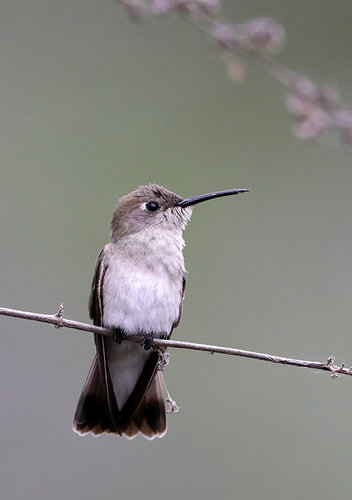
ハイバラミズベハチドリ (Thaumasius baeri) ハイバラミズベハチドリ

メディア

読み込み中…

要点

Butterfly Coquetteとハイバラミズベハチドリを区別する最も信頼できるフィールドマークは、成鳥のオスのButterfly Coquetteに見られる長い赤い先端の緑の冠羽と、白い先端を持つ印象的な緑の「ひげ」の存在です。これらの特徴は、ハイバラミズベハチドリのどの年齢や性別にも全く見られません。雌のButterfly Coquetteは冠羽が欠けていますが、明確な白っぽい頬の斑点を示し、ハイバラミズベハチドリの両性は顔が地味です。すべての羽色において、Butterfly Coquetteは上面と下面がより豊かな色合いで、金色のハイライトとマルーンまたは青銅色の尾を持ち、ハイバラミズベハチドリの淡い金緑色の上面と灰白色の下面と比較されます。構造も異なり、Butterfly Coquetteはわずかに短くてコンパクトであり、ハイバラミズベハチドリは長くてスリムで、まっすぐな黒いくちばしを持っています。これらの違いは、止まっているときや飛んでいるときの視点でも保持されますが、特にオスのコケットの華やかな頭の模様に注意してください。

識別のコツ

  1. Crest and whiskers (adult male Butterfly Coquette only): 驚くべき長い赤い先端の緑の冠羽と白い先端を持つ緑のひげを探してください。これらは成鳥のオスのButterfly Coquetteに特有で、ハイバラミズベハチドリには決して見られません。
  2. Head pattern (female Butterfly Coquette): 雌は冠羽が欠けていますが、ハイバラミズベハチドリにはない独特の白っぽい頬の斑点があります。
  3. Upperparts color: Butterfly Coquette(両性)は金色のハイライトを持つ深い緑の上面を持ち、ハイバラミズベハチドリは上面が淡い金緑色で、色が薄く均一です。
  4. Rump and uppertail coverts: Butterfly Coquetteは白い尾羽の帯を示し、オスでは深い赤色(マルーン)の尾羽の覆い羽があります。雌ではこれらはあまり強くありません。ハイバラミズベハチドリは白い尾羽の帯が欠けており、青銅色または暗い先端を持つ淡い緑の尾羽があります。
  5. Tail color and pattern: Butterfly Coquetteの尾はマルーン(またはklagesiでは青銅色の緑)で、ハイバラミズベハチドリの淡い緑の尾と対照的です。後者は端近くに暗い灰色の帯があり、性別によって白っぽいまたは灰色の先端があります。
  6. Underparts: Butterfly Coquetteは下面が緑で、白い太ももと金色のハイライト(特に雌において)を持ち、ハイバラミズベハチドリは淡い灰色で、腹部は白くなります。全体的にずっと淡いです。
  7. Bill shape and color: ハイバラミズベハチドリはほぼまっすぐな黒いくちばしを持っています。Butterfly Coquetteのくちばしの形と色は診断的なものとしては指定されていませんが、まっすぐな黒いくちばしがないことがいくつかの視点で役立つかもしれません。
  8. Size and structure: Butterfly Coquetteはわずかに短くてコンパクト(7.5–9.1 cm)であり、ハイバラミズベハチドリは長くてスリム(8–11 cm)です。これは微妙ですが、経験があれば役立つことがあります。
  9. Sexual dimorphism: ハイバラミズベハチドリの性別は本質的に似ていますが、Butterfly Coquetteは強い性差を示し、オスは華やかな冠羽とひげを持ち、雌は頬の斑点を持っています。
  10. Subspecies variation: L. v. klagesi(Butterfly Coquette)を観察する場合、全体的に暗い鳥で、青銅色のオリーブの尾羽の覆い羽と青銅色の尾を期待しますが、依然として重要なコケットの特徴を持っています。
  11. Geographic range: ハイバラミズベハチドリはエクアドルとペルーにのみ見られ、Butterfly Coquetteはより広範囲に分布しています。位置が知られている場合は、範囲を使用して識別をサポートしてください。
  12. No age-specific flight marks: どちらの種も特有の幼鳥または未熟な上翼のパターンを持っているとは記載されていないため、飛行マークに頼って区別しないでください。
  13. No distinctive vocalizations: 音声の違いは記載されていないため、音声を使用して区別しないでください。
  14. Contextual clues: コケットスタイルの華やかな頭の模様を持つハチドリを見た場合、それはハイバラミズベハチドリではありません。逆に、エクアドルまたはペルーで顔が地味で腹部が淡い金緑色のハチドリは、ハイバラミズベハチドリの可能性が高いです。
  15. Common pitfalls: 未熟または雌のButterfly Coquetteは冠羽が欠けているためにハイバラミズベハチドリと間違われることがありますが、頬の斑点とより豊かな上面が助けになるはずです。常に微妙な顔と尾/尾の違いを確認してください。

大きさ

Butterfly Coquetteはわずかに小さく、長さは7.5–9.1 cmで、ハイバラミズベハチドリは8–11 cmで、約4.5 gの重さです。コケットは全体的にコンパクトであり、ハイバラミズベハチドリは長くてスリムに見えます。この違いは微妙ですが、直接比較や止まっているときの比率を判断する際に役立つことがあります。

羽色

成鳥のオスのButterfly Coquetteは、その深い緑の頭、長い赤い先端の緑の冠羽、白い先端を持つ長い緑のひげで間違いなく識別できます。背中は金色のハイライトを持つ緑で、尾羽の覆い羽は深い赤色(マルーン)で、尾はマルーンです。下面は緑で、白い太ももがあり、白い尾羽の帯があります。雌は冠羽とひげが欠けていますが、白っぽい頬の斑点、あまり強くない赤の尾羽の覆い羽、胸に金色のハイライトがあります。亜種klagesiは全体的に暗く、青銅色のオリーブの尾羽の覆い羽と青銅色の尾を持っています。対照的に、ハイバラミズベハチドリの両性はずっと地味です:上面は淡い金緑色で、下面は腹部が淡い灰色から白で、尾羽は淡い緑で青銅色または暗い先端を持ち、性別によって白っぽいまたは灰色の端帯があります。どちらの種にも年齢特有の上翼や飛行パターンのマークは記載されていないため、区別は特にオスの頭と体の羽毛に依存します。

行動

両種は蜜や小さな節足動物を採餌しますが、ノートには診断的な行動の違いは記載されていません。ハイバラミズベハチドリは下層から中層で採餌することが記載されていますが、これは必ずしもフィールドで特有ではありません。どちらの種にもユニークな飛行スタイルやディスプレイ行動は報告されていません。

生息環境

Butterfly Coquetteは南アメリカの北部と西部(ボリビア、ブラジル、コロンビア、エクアドル、ペルー、ベネズエラ)に広く分布していますが、ハイバラミズベハチドリはエクアドルとペルーに限定されています。エクアドルまたはペルーの外で見られた場合、ハイバラミズベハチドリは除外できます。両者は類似の低地から丘陵の生息地に生息しているため、生息地だけでは共有範囲内での診断にはなりません。

より良い説明を送る

比較と同じ項目を使ってください。文章はすぐに公開されます。

The most reliable field mark to separate Butterfly Coquette from Tumbes Hummingbird is the presence of a long, red-tipped green crest and striking green 'whiskers' with white tips in adult male Butterfly Coquette, features entirely absent in Tumbes Hummingbird of any age or sex. Female Butterfly Coquette lacks the crest but shows a distinct whitish malar patch, while Tumbes Hummingbird of both sexes is plainer-faced. In all plumages, Butterfly Coquette is more richly colored above and below, with golden highlights and maroon or bronzy tail, compared to the pale golden-green upperparts and grayish-white underparts of Tumbes Hummingbird. Structure also differs: Butterfly Coquette is slightly shorter and more compact, while Tumbes Hummingbird is longer and slimmer with a straight black bill. These differences hold in perched and in-flight views, but especially watch for the male coquette's ornate head pattern.

  1. Crest and whiskers (adult male Butterfly Coquette only): Look for the spectacular long, red-tipped green crest and green whiskers with white tips—these are unique to adult male Butterfly Coquette and never shown by Tumbes Hummingbird.
  2. Head pattern (female Butterfly Coquette): Females lack the crest but have a distinctive whitish malar patch, absent in Tumbes Hummingbird, which has a plain face.
  3. Upperparts color: Butterfly Coquette (both sexes) has deep green upperparts with golden highlights, while Tumbes Hummingbird is pale golden-green above—less saturated and more uniform.
  4. Rump and uppertail coverts: Butterfly Coquette shows a white rump band and, in males, deep reddish (maroon) uppertail coverts; in females, these are less intense. Tumbes Hummingbird lacks the white rump band and has pale green tail feathers with bronzy or dusky tips.
  5. Tail color and pattern: Butterfly Coquette's tail is maroon (or bronzy green in klagesi), contrasting with the pale green tail of Tumbes Hummingbird. The latter has a dusky gray band near the end and whitish or grayish tips depending on sex.
  6. Underparts: Butterfly Coquette is green below with white thighs and golden highlights (especially in females), while Tumbes Hummingbird is pale grayish, becoming white on the belly—much paler overall.
  7. Bill shape and color: Tumbes Hummingbird has a nearly straight black bill; Butterfly Coquette's bill shape and color are not specified as diagnostic, but the lack of a straight black bill may help in some views.
  8. Size and structure: Butterfly Coquette is slightly shorter and more compact (7.5–9.1 cm), while Tumbes Hummingbird is longer and slimmer (8–11 cm). This is subtle but can be helpful with experience.
  9. Sexual dimorphism: Tumbes Hummingbird sexes are essentially alike, while Butterfly Coquette shows strong sexual dimorphism—males with ornate crests and whiskers, females with a malar patch.
  10. Subspecies variation: If viewing L. v. klagesi (Butterfly Coquette), expect overall darker birds with bronzy-olive uppertail coverts and bronzy-green tail, but still with the key coquette features.
  11. Geographic range: Tumbes Hummingbird is only found in Ecuador and Peru; Butterfly Coquette ranges more widely. Use range to support ID if location is known.
  12. No age-specific flight marks: Neither species is described as having distinctive juvenile or immature upperwing patterns, so do not rely on flight marks for separation.
  13. No distinctive vocalizations: No vocal differences are described; do not use voice for separation.
  14. Contextual clues: If you see a hummingbird with a strikingly ornate head pattern in the coquette style, it is not Tumbes Hummingbird. Conversely, a plain-faced, pale-bellied, golden-green hummingbird in Ecuador or Peru is likely Tumbes Hummingbird.
  15. Common pitfalls: Immature or female Butterfly Coquette may be mistaken for Tumbes Hummingbird due to lack of crest, but the malar patch and richer upperparts should help. Always check for subtle facial and rump/tail differences.

Butterfly Coquette is slightly smaller, measuring 7.5–9.1 cm in length, while Tumbes Hummingbird is 8–11 cm long and weighs about 4.5 g. The coquette is more compact overall, whereas Tumbes Hummingbird appears longer and slimmer. This difference is subtle but can be useful with direct comparison or when judging proportions on a perch.

Adult male Butterfly Coquette is unmistakable with its deep green head, long red-tipped green crest, and long green whiskers tipped white. Its back is green with golden highlights, uppertail coverts are deep reddish (maroon), and the tail is maroon. Underparts are green with white thighs, and a white rump band is present. Females lack the crest and whiskers but have a whitish malar patch, less intense red uppertail coverts, and golden highlights on the breast. Subspecies klagesi is overall darker with bronzy-olive uppertail coverts and bronzy-green tail. In contrast, Tumbes Hummingbird of both sexes is much plainer: upperparts are pale golden-green, underparts are pale grayish to white on the belly, and tail feathers are pale green with bronzy or dusky tips and a whitish or grayish terminal band (depending on sex). No age-specific upperwing or flight pattern marks are described for either species, so separation relies on head and body plumage, especially in males.

Both species forage for nectar and small arthropods, but the notes do not describe any diagnostic behavioral differences. Tumbes Hummingbird is noted to forage from understory to mid-strata, but this is not necessarily distinctive in the field. No unique flight style or display behavior is reported for either species.

Butterfly Coquette ranges widely in northern and western South America (Bolivia, Brazil, Colombia, Ecuador, Peru, Venezuela), while Tumbes Hummingbird is restricted to Ecuador and Peru. If seen outside Ecuador or Peru, Tumbes Hummingbird can be ruled out. Both occur in similar lowland to foothill habitats, so habitat alone is not diagnostic within their shared range.

変更を破棄しますか?

保存していない編集があります。今離れると失われます。

Butterfly Coquette · ハイバラミズベハチドリ · 苦手な鳥