

Motmot

チャイロサンショウクイ 対 ノドアカツグミ

Pericrocotus cantonensis 対 Turdus ruficollis

チャイロサンショウクイとノドアカツグミのクイズ
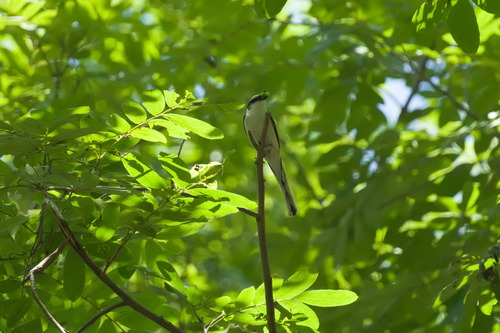
チャイロサンショウクイ (Pericrocotus cantonensis) チャイロサンショウクイ
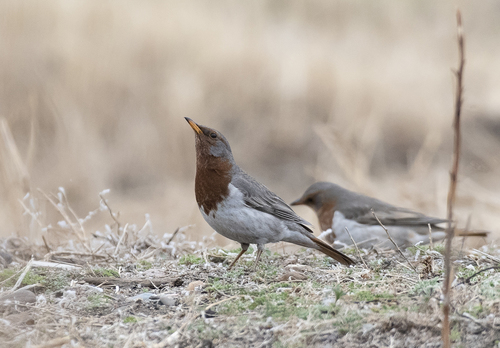
ノドアカツグミ (Turdus ruficollis) ノドアカツグミ

メディア

読み込み中…

要点

チャイロサンショウクイとノドアカツグミを区別する最も信頼できる方法は、全体的な構造と羽色によるものです:サンショウクイはスリムで活発な鳥で、対照的な茶色の尾羽を持ち、ノドアカツグミはより大きく、体重があり、平坦な灰色の背中と赤みがかった下羽を持ち、成鳥のオスは特徴的な赤い喉を示します。未熟なツグミは赤いビブを欠いていますが、サンショウクイとは異なり、黒い縞模様のある腹部を持っています。飛行中、ツグミは赤みがかった下羽を見せ、サンショウクイはより均一な翼のパターンを示します。両種は渡り鳥ですが、分布域と生息地は異なり、サンショウクイは森林地域を好み、ツグミはよりオープンな森林や地面で見られることが多いです。構造、飛行スタイル、文脈は、フィールドでの迅速な区別にとって重要です。

識別のコツ

  1. Size and Structure: ノドアカツグミはチャイロサンショウクイよりもはるかに大きく、がっしりとした体型です。ツグミは頑丈で直立した姿勢と太いくちばしを持ち、サンショウクイはスリムで、より細く、わずかにフック状のくちばしを持っています。これは遠くからの最初の手がかりとなることが多いです。
  2. Flight Style: サンショウクイは敏捷で素早く、しばしば樹冠を通って群れで飛びます;ツグミはより直接的で力強い飛行をし、密集した活発な群れで見られることは少ないです。
  3. Rump Color: チャイロサンショウクイは対照的な茶色の尾羽を示し、特に飛行中や背中を露出させて止まっているときに目立ちます。ノドアカツグミは平坦な灰色の背中と尾羽を持ち、対照はありません。
  4. Underwing Color in Flight: ノドアカツグミ(すべての年齢/性別)は飛行中に赤みがかった下羽を示します—これは重要な特徴です。サンショウクイは下羽に赤みがかった色合いを持ちません。
  5. Throat and Underparts: 成鳥のオスのノドアカツグミは赤い喉(ビブ)を持ち、これが二種の中でユニークです。メスと未熟な個体はビブを欠いていますが、黒い縞模様のある腹部を持っています。サンショウクイは赤い喉や縞模様のある腹部を示すことは決してありません;彼らの腹部は平坦です。
  6. Back and Upperparts: サンショウクイは上面がより均一で、茶色の尾羽を持っています。ツグミは平坦な灰色の背中を持ち、対照的な尾羽はありません。
  7. Bill Shape: サンショウクイのくちばしは細く、先端がわずかにフック状です;ツグミのくちばしは太く、まっすぐで、より頑丈です。
  8. Perching Behavior: サンショウクイは通常、木の中で高いまたは中間の位置に止まり、地面にはめったに降りません。ツグミは地面や低い止まり木で見られることが多いです。
  9. Group Size: サンショウクイはしばしば小さく活発な群れで移動します;ツグミはより孤立しているか、緩い群れで見られます。
  10. Habitat: サンショウクイは森林地域の樹冠の鳥です;ツグミはオープンな森林、森林の端、または庭などを好み、より地上性です。
  11. Juvenile/Immature Marks: 未熟なツグミは黒い縞模様のある腹部と赤みがかった下羽を持っています;サンショウクイの未熟な個体はこれらの特徴を示しません。
  12. Sexual Dimorphism: 赤い喉を持つのはオスのノドアカツグミだけです;サンショウクイはフィールドでの性的二形性がほとんどありません。
  13. Seasonal Context: 繁殖期に中国の森林の樹冠で見られた場合、サンショウクイの可能性が高いです;冬にオープンな森林や地面で見られた場合、特に赤みがかった下羽を持っている場合は、ツグミを疑ってください。
  14. Vocalizations: 現在の情報では診断には役立ちません。
  15. Pitfalls: 赤い喉を欠いた未熟なツグミは、サイズと構造が注意深く観察されない場合、サンショウクイと混同される可能性があります;常に飛行中の縞模様のある腹部と赤みがかった下羽を確認してください。

大きさ

ノドアカツグミはチャイロサンショウクイよりもはるかに大きく、がっしりとした体型です。ツグミはクラシックなツグミの形を持ち、頑丈な体、長い脚、比較的太くてまっすぐなくちばしを持っています。サンショウクイはより小さく、スリムで、カッコウサンショウクイに典型的な細く、わずかにフック状のくちばしを持っています。遠くからでも、ツグミのサイズと直立した姿勢は、サンショウクイのより繊細で敏捷な外観と比較して明らかです。

羽色

未熟なノドアカツグミとメスは成鳥のオスの赤い喉を欠いていますが、黒い縞模様のある腹部と平坦な灰色の背中を示し、飛行中には下羽に赤みがかった色合いが見られます—この赤みがかった下羽はすべての年齢と性別にとって重要な特徴です。対照的に、チャイロサンショウクイは特徴的な茶色の尾羽を持ち(見られたときに診断的です)、下羽や喉に赤みがかった色合いはありません。サンショウクイは色がより均一で、下に縞模様はなく、ビブもありません。成鳥のオスのノドアカツグミでは、赤い喉は明白です;メスと未熟な個体では、縞模様のある腹部と対照的な尾羽の欠如を探してください。サンショウクイは決して縞模様のある腹部や赤い喉を示しません。飛行中、ツグミは広く丸みを帯びた翼と赤みがかった下羽を示し、サンショウクイはより尖った翼と対照の少ない飛行パターンを持っています。

行動

チャイロサンショウクイは通常、樹冠や木の中間層を通って活発に群れで移動しているのが見られ、しばしば昆虫を捕まえに飛び出し、地面に降りることはめったにありません。彼らの動きは迅速で敏捷です。対照的に、ノドアカツグミはしばしば単独または緩い群れで見られ、地面や低い植生で多くの時間を過ごし、食べ物を探して跳ねたり歩いたりします。彼らの飛行は強く直接的ですが、サンショウクイよりもアクロバティックではなく、しばしば露出した枝に直立して止まります。

生息環境

チャイロサンショウクイは中国の森林地域で繁殖し、インドシナで越冬し、森林生息地や森林の端を好みます。彼らは樹冠または中層の専門家です。ノドアカツグミは東シベリアから北満州で繁殖し、西中国、ミャンマー、北東インドで越冬し、オープンな森林、森林の端、時には公園や庭を好みます。ツグミはサンショウクイよりも地面やオープンエリアで見られることが多く、サンショウクイは木にとどまります。

より良い説明を送る

比較と同じ項目を使ってください。文章はすぐに公開されます。

The most reliable way to separate Brown-rumped Minivet from Red-throated Thrush is by overall structure and plumage: minivets are slim, active birds with a contrasting brown rump, while red-throated thrushes are larger, heavier-bodied, and show a plain grey back with reddish underwings and, in adult males, a distinctive red throat. Immature thrushes lack the red bib but have black-streaked underparts, unlike any minivet. In flight, thrushes reveal reddish underwings, while minivets show a more uniform wing pattern. Both species are migratory, but their ranges and habitats differ, with minivets favoring wooded areas and thrushes more often seen in open woodland or on the ground. Structure, flight style, and context are crucial for quick field separation.

  1. Size and Structure: Red-throated Thrush is much larger and bulkier than Brown-rumped Minivet. Thrushes have a robust, upright posture and thick bill; minivets are slim, with a finer, slightly hooked bill. This is often the first clue at a distance.
  2. Flight Style: Minivets are agile and quick, often flying in flocks through the canopy; thrushes have a more direct, powerful flight and are less likely to be seen in tight, active groups.
  3. Rump Color: Brown-rumped Minivet shows a contrasting brown rump, especially visible in flight or when perched with the back exposed. Red-throated Thrush has a plain grey back and rump with no contrast.
  4. Underwing Color in Flight: Red-throated Thrush (all ages/sexes) shows reddish underwings in flight—a key mark. Minivets lack any reddish tones in the underwing.
  5. Throat and Underparts: Adult male Red-throated Thrush has a red throat (bib), unique among these two. Females and immatures lack the bib but have black-streaked underparts. Minivets never show a red throat or streaked underparts; their underparts are plain.
  6. Back and Upperparts: Minivets are more uniform above, with a brown rump. Thrushes have a plain grey back and no contrasting rump.
  7. Bill Shape: Minivet's bill is slender and slightly hooked at the tip; thrush's bill is thicker, straight, and more robust.
  8. Perching Behavior: Minivets usually perch in trees, often high or mid-level, rarely on the ground. Thrushes are often seen on the ground or low perches.
  9. Group Size: Minivets often move in small, active flocks; thrushes are more solitary or in loose groups.
  10. Habitat: Minivets are canopy birds of wooded areas; thrushes prefer open woodland, forest edge, or even gardens, and are more terrestrial.
  11. Juvenile/Immature Marks: Juvenile thrushes have black-streaked underparts and reddish underwings; minivet juveniles do not show these marks.
  12. Sexual Dimorphism: Only the male Red-throated Thrush has a red throat; minivets show little sexual dimorphism in the field.
  13. Seasonal Context: If seen in China during the breeding season in a forest canopy, minivet is more likely; in open woodland or on the ground in winter, especially with reddish underwings, suspect thrush.
  14. Vocalizations: Not diagnostic with current information.
  15. Pitfalls: Immature thrushes lacking the red throat can be confused with minivets if size and structure are not carefully noted; always check for streaked underparts and reddish underwing in flight for thrush.

Red-throated Thrush is substantially larger and bulkier than Brown-rumped Minivet. Thrushes have a classic thrush shape: robust body, longer legs, and a relatively thick, straight bill. Minivets are smaller, more slender, and have a finer, slightly hooked bill typical of cuckooshrikes. Even at a distance, the thrush's size and upright stance are obvious compared to the minivet's more delicate, agile appearance.

Juvenile and female Red-throated Thrushes lack the adult male's red throat but show black-streaked underparts and a plain grey back, with reddish tones visible in the underwing during flight—this reddish underwing is a key mark for all ages and sexes. Brown-rumped Minivet, by contrast, has a distinctive brown rump (diagnostic when seen), and lacks any reddish tones on the underwing or throat. Minivets are more uniform in color, with no streaking below and no bib. In adult male Red-throated Thrush, the red throat is unmistakable; in females and immatures, look for the streaked underparts and lack of contrasting rump. Minivets never show streaked underparts or a red throat. In flight, thrushes show broad, rounded wings and reddish underwings, while minivets have more pointed wings and a less contrasting flight pattern.

Brown-rumped Minivets are typically seen moving actively in flocks through the canopy or mid-levels of trees, often sallying for insects and rarely coming to the ground. Their movements are quick and agile. Red-throated Thrushes, in contrast, are often found singly or in loose groups, spending much time on the ground or in low vegetation, hopping or walking in search of food. Their flight is strong and direct but less acrobatic than minivets, and they often perch upright on exposed branches.

Brown-rumped Minivet breeds in forested areas of China and winters in Indochina, favoring wooded habitats and forest edges. They are canopy or mid-story specialists. Red-throated Thrush breeds in East Siberia to North Manchuria and winters in West China, Myanmar, and Northeast India, preferring open woodland, forest edges, and sometimes parks or gardens. Thrushes are more likely to be seen on the ground or in open areas than minivets, which stick to trees.

変更を破棄しますか?

保存していない編集があります。今離れると失われます。

チャイロサンショウクイ · ノドアカツグミ · 苦手な鳥