

Brown-rumped Minivet vs Tordo golarossa
Pericrocotus cantonensis contro Turdus ruficollis
Fai un quiz con Brown-rumped Minivet e Tordo golarossa
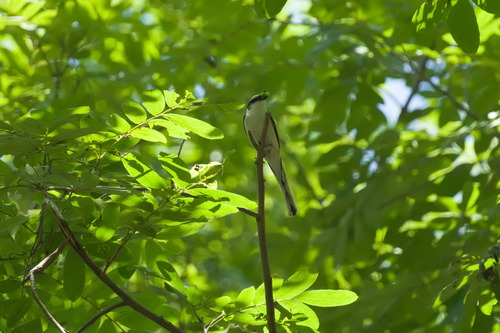 Brown-rumped Minivet
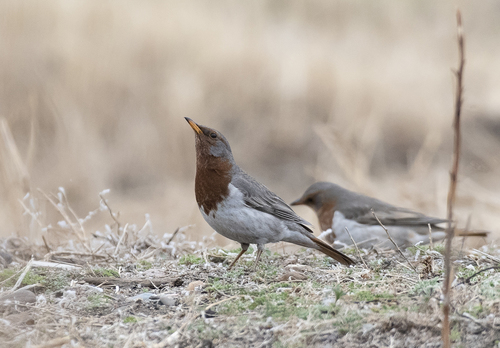 Tordo golarossa
In breve
Il modo più affidabile per separare il Brown-rumped Minivet dal Tordo golarossa è attraverso la struttura generale e il piumaggio: i minivet sono uccelli snelli e attivi con un caratteristico groppone marrone, mentre i tordi golarossa sono più grandi, con un corpo più pesante, e mostrano un dorso grigio uniforme con ali inferiori rossastre e, nei maschi adulti, una gola rossa distintiva. I tordi immaturi non hanno il collare rosso ma presentano parti inferiori striate di nero, a differenza di qualsiasi minivet. In volo, i tordi rivelano ali inferiori rossastre, mentre i minivet mostrano un modello di ali più uniforme. Entrambe le specie sono migratorie, ma i loro areali e habitat differiscono, con i minivet che preferiscono le aree boschive e i tordi più spesso visti in boschi aperti o a terra. Struttura, stile di volo e contesto sono cruciali per una rapida separazione sul campo.
Consigli di identificazione
- Dimensione e Struttura: Il Tordo golarossa è molto più grande e robusto del Brown-rumped Minivet. I tordi hanno una postura robusta e verticale e un becco spesso; i minivet sono snelli, con un becco più fine e leggermente ricurvo. Questo è spesso il primo indizio a distanza.
- Stile di Volo: I minivet sono agili e veloci, spesso volando in stormi attraverso la chioma; i tordi hanno un volo più diretto e potente e sono meno propensi a essere visti in gruppi attivi e compatti.
- Colore del Groppone: Il Brown-rumped Minivet mostra un groppone marrone contrastante, particolarmente visibile in volo o quando è posato con il dorso esposto. Il Tordo golarossa ha un dorso e un groppone grigi uniformi senza contrasto.
- Colore delle Ali Inferiori in Volo: Il Tordo golarossa (di tutte le età/sessi) mostra ali inferiori rossastre in volo—un segno chiave. I minivet non presentano toni rossastri nelle ali inferiori.
- Gola e Parti Inferiori: Il maschio adulto del Tordo golarossa ha una gola rossa (collare), unica tra questi due. Le femmine e gli immaturi non hanno il collare ma presentano parti inferiori striate di nero. I minivet non mostrano mai una gola rossa o parti inferiori striate; le loro parti inferiori sono uniformi.
- Dorso e Parti Superiori: I minivet sono più uniformi sopra, con un groppone marrone. I tordi hanno un dorso grigio uniforme e nessun groppone contrastante.
- Forma del Becco: Il becco del minivet è snello e leggermente ricurvo all'estremità; il becco del tordo è più spesso, dritto e più robusto.
- Comportamento di Posizionamento: I minivet di solito si posano sugli alberi, spesso in alto o a livello medio, raramente a terra. I tordi sono spesso visti a terra o su posatoi bassi.
- Dimensione del Gruppo: I minivet si muovono spesso in piccoli stormi attivi; i tordi sono più solitari o in gruppi sciolti.
- Habitat: I minivet sono uccelli della chioma in aree boschive; i tordi preferiscono boschi aperti, margini forestali o anche giardini, e sono più terrestri.
- Segni Giovanili/Immaturi: I tordi giovanili hanno parti inferiori striate di nero e ali inferiori rossastre; i giovani minivet non mostrano questi segni.
- Dimorfismo Sessuale: Solo il maschio del Tordo golarossa ha una gola rossa; i minivet mostrano poco dimorfismo sessuale sul campo.
- Contesto Stagionale: Se visti in Cina durante la stagione riproduttiva in una chioma forestale, è più probabile che si tratti di un minivet; in boschi aperti o a terra in inverno, specialmente con ali inferiori rossastre, sospettare un tordo.
- Vocalizzazioni: Non diagnostiche con le informazioni attuali.
- Insidie: I tordi immaturi privi di gola rossa possono essere confusi con i minivet se dimensione e struttura non vengono attentamente notate; controllare sempre per parti inferiori striate e ali inferiori rossastre in volo per il tordo.
Taglia
Il Tordo golarossa è sostanzialmente più grande e robusto del Brown-rumped Minivet. I tordi hanno una forma classica di tordo: corpo robusto, gambe più lunghe e un becco relativamente spesso e dritto. I minivet sono più piccoli, più snelli e hanno un becco più fine e leggermente ricurvo tipico dei cuculi. Anche a distanza, la dimensione e la postura eretta del tordo sono evidenti rispetto all'aspetto più delicato e agile del minivet.
Piumaggio
I tordi golarossa giovanili e femminili non hanno la gola rossa del maschio adulto ma mostrano parti inferiori striate di nero e un dorso grigio uniforme, con toni rossastri visibili nelle ali inferiori durante il volo—queste ali inferiori rossastre sono un segno chiave per tutte le età e sessi. Il Brown-rumped Minivet, al contrario, ha un caratteristico groppone marrone (diagnostico quando visto) e non presenta toni rossastri nelle ali inferiori o nella gola. I minivet sono più uniformi nel colore, senza striature sotto e senza collare. Nel maschio adulto del Tordo golarossa, la gola rossa è inconfondibile; nelle femmine e negli immaturi, cercare le parti inferiori striate e l'assenza di groppone contrastante. I minivet non mostrano mai parti inferiori striate o una gola rossa. In volo, i tordi mostrano ali larghe e arrotondate e ali inferiori rossastre, mentre i minivet hanno ali più appuntite e un modello di volo meno contrastante.
Comportamento
I Brown-rumped Minivets sono tipicamente visti muoversi attivamente in stormi attraverso la chioma o i livelli medi degli alberi, spesso cacciando insetti e raramente scendendo a terra. I loro movimenti sono rapidi e agili. I Tordi golarossa, al contrario, si trovano spesso singolarmente o in gruppi sciolti, trascorrendo molto tempo a terra o in vegetazione bassa, saltellando o camminando in cerca di cibo. Il loro volo è forte e diretto ma meno acrobatico rispetto ai minivet, e spesso si posano eretti su rami esposti.
Habitat
Il Brown-rumped Minivet nidifica in aree forestali della Cina e sverna in Indocina, preferendo habitat boschivi e margini forestali. Sono specialisti della chioma o del medio strato. Il Tordo golarossa nidifica in Siberia orientale fino alla Manciuria settentrionale e sverna nella Cina occidentale, in Myanmar e nel nord-est dell'India, preferendo boschi aperti, margini forestali e talvolta parchi o giardini. I tordi sono più propensi a essere visti a terra o in aree aperte rispetto ai minivet, che si attengono agli alberi.
Brown-rumped Minivet · Tordo golarossa · I miei uccelli difficili