

Minivet de Swinhoe vs Zorzal Papirrojo
Pericrocotus cantonensis frente a Turdus ruficollis
Juega un quiz con Minivet de Swinhoe y Zorzal Papirrojo
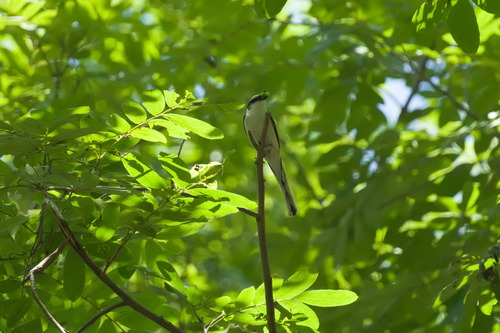 Minivet de Swinhoe
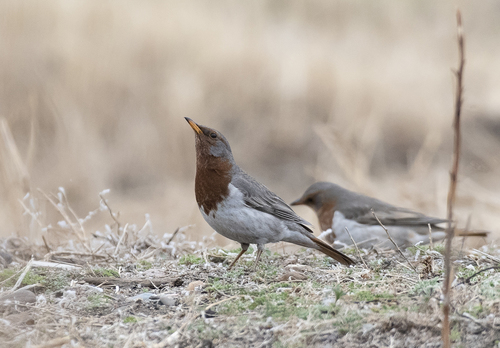 Zorzal Papirrojo
En breve
La forma más confiable de separar el Minivet de Swinhoe del Zorzal Papirrojo es por su estructura general y plumaje: los minivets son aves delgadas y activas con una rabadilla marrón contrastante, mientras que los zorzales papirrojos son más grandes, de cuerpo más pesado, y muestran una espalda gris lisa con alas inferiores rojizas y, en los machos adultos, una garganta roja distintiva. Los zorzales inmaduros carecen de la pechera roja pero tienen partes inferiores con rayas negras, a diferencia de cualquier minivet. En vuelo, los zorzales revelan alas inferiores rojizas, mientras que los minivets muestran un patrón de alas más uniforme. Ambas especies son migratorias, pero sus rangos y hábitats difieren, con los minivets favoreciendo áreas boscosas y los zorzales vistos más a menudo en bosques abiertos o en el suelo. La estructura, el estilo de vuelo y el contexto son cruciales para una separación rápida en el campo.
Consejos de identificación
- Tamaño y Estructura: El Zorzal Papirrojo es mucho más grande y robusto que el Minivet de Swinhoe. Los zorzales tienen una postura robusta y erguida y un pico grueso; los minivets son delgados, con un pico más fino y ligeramente curvado. Esta es a menudo la primera pista a distancia.
- Estilo de Vuelo: Los minivets son ágiles y rápidos, a menudo volando en bandadas a través del dosel; los zorzales tienen un vuelo más directo y poderoso y es menos probable que se vean en grupos activos y ajustados.
- Color de la Rabadilla: El Minivet de Swinhoe muestra una rabadilla marrón contrastante, especialmente visible en vuelo o cuando está posado con la espalda expuesta. El Zorzal Papirrojo tiene una espalda y rabadilla gris lisa sin contraste.
- Color de las Alas Inferiores en Vuelo: El Zorzal Papirrojo (todas las edades/sexes) muestra alas inferiores rojizas en vuelo, una marca clave. Los minivets carecen de tonos rojizos en las alas inferiores.
- Garganta y Partes Inferiores: El macho adulto del Zorzal Papirrojo tiene una garganta roja (pechera), única entre estos dos. Las hembras y los inmaduros carecen de la pechera pero tienen partes inferiores con rayas negras. Los minivets nunca muestran una garganta roja o partes inferiores con rayas; sus partes inferiores son lisas.
- Espalda y Partes Superiores: Los minivets son más uniformes en la parte superior, con una rabadilla marrón. Los zorzales tienen una espalda gris lisa y sin rabadilla contrastante.
- Forma del Pico: El pico del minivet es delgado y ligeramente curvado en la punta; el pico del zorzal es más grueso, recto y más robusto.
- Comportamiento de Posado: Los minivets suelen posarse en árboles, a menudo en alturas medias o altas, raramente en el suelo. Los zorzales se ven a menudo en el suelo o en posaderos bajos.
- Tamaño del Grupo: Los minivets a menudo se mueven en pequeñas bandadas activas; los zorzales son más solitarios o están en grupos sueltos.
- Hábitat: Los minivets son aves del dosel de áreas boscosas; los zorzales prefieren bosques abiertos, bordes de bosques o incluso jardines, y son más terrestres.
- Marcas Juveniles/Inmaduras: Los zorzales juveniles tienen partes inferiores con rayas negras y alas inferiores rojizas; los juveniles de minivet no muestran estas marcas.
- Dimorfismo Sexual: Solo el macho del Zorzal Papirrojo tiene una garganta roja; los minivets muestran poco dimorfismo sexual en el campo.
- Contexto Estacional: Si se ve en China durante la temporada de cría en un dosel forestal, es más probable que sea un minivet; en un bosque abierto o en el suelo en invierno, especialmente con alas inferiores rojizas, sospechar de un zorzal.
- Vocalizaciones: No es diagnóstico con la información actual.
- Trampas: Los zorzales inmaduros que carecen de la garganta roja pueden confundirse con minivets si no se nota cuidadosamente el tamaño y la estructura; siempre verifique las partes inferiores con rayas y las alas inferiores rojizas en vuelo para el zorzal.
Tamaño
El Zorzal Papirrojo es sustancialmente más grande y robusto que el Minivet de Swinhoe. Los zorzales tienen una forma clásica de zorzal: cuerpo robusto, patas más largas y un pico relativamente grueso y recto. Los minivets son más pequeños, más delgados y tienen un pico más fino y ligeramente curvado, típico de los cuco-shrikes. Incluso a distancia, el tamaño y la postura erguida del zorzal son obvios en comparación con la apariencia más delicada y ágil del minivet.
Plumaje
Los zorzales juveniles y hembras carecen de la garganta roja del macho adulto pero muestran partes inferiores con rayas negras y una espalda gris lisa, con tonos rojizos visibles en las alas inferiores durante el vuelo; esta ala inferior rojiza es una marca clave para todas las edades y sexos. El Minivet de Swinhoe, en contraste, tiene una rabadilla marrón distintiva (diagnóstica cuando se ve) y carece de tonos rojizos en las alas inferiores o la garganta. Los minivets son más uniformes en color, sin rayas en la parte inferior y sin pechera. En el macho adulto del Zorzal Papirrojo, la garganta roja es inconfundible; en hembras e inmaduros, busque las partes inferiores con rayas y la falta de rabadilla contrastante. Los minivets nunca muestran partes inferiores con rayas o una garganta roja. En vuelo, los zorzales muestran alas amplias y redondeadas y alas inferiores rojizas, mientras que los minivets tienen alas más puntiagudas y un patrón de vuelo menos contrastante.
Comportamiento
Los Minivets de Swinhoe se ven típicamente moviéndose activamente en bandadas a través del dosel o niveles intermedios de los árboles, a menudo cazando insectos y raramente bajando al suelo. Sus movimientos son rápidos y ágiles. Los Zorzales Papirrojos, en contraste, a menudo se encuentran solos o en grupos sueltos, pasando mucho tiempo en el suelo o en vegetación baja, saltando o caminando en busca de alimento. Su vuelo es fuerte y directo, pero menos acrobático que el de los minivets, y a menudo se posan erguidos en ramas expuestas.
Hábitat
El Minivet de Swinhoe cría en áreas boscosas de China y pasa el invierno en Indochina, favoreciendo hábitats boscosos y bordes de bosques. Son especialistas del dosel o del medio dosel. El Zorzal Papirrojo cría en el este de Siberia hasta el norte de Manchuria y pasa el invierno en el oeste de China, Myanmar y el noreste de India, prefiriendo bosques abiertos, bordes de bosques y a veces parques o jardines. Es más probable que los zorzales se vean en el suelo o en áreas abiertas que los minivets, que se adhieren a los árboles.