

Motmot

チャズキンコタイランチョウ 対 キバラメグロハエトリ

Ornithion brunneicapillus 対 Camptostoma obsoletum

チャズキンコタイランチョウとキバラメグロハエトリのクイズ
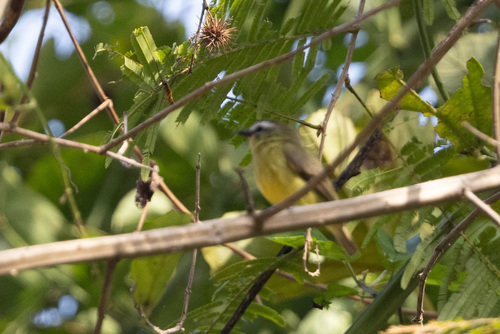
チャズキンコタイランチョウ (Ornithion brunneicapillus) チャズキンコタイランチョウ
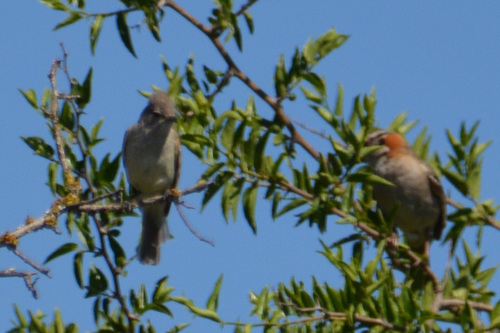
キバラメグロハエトリ (Camptostoma obsoletum) キバラメグロハエトリ

メディア

読み込み中…

要点

チャズキンコタイランチョウとキバラメグロハエトリの最も信頼できるフィールドマークは、冠と顔のパターンです:チャズキンコタイランチョウは、白いスーペリシウムと額を持つ明確な茶色がかったオリーブから暗い茶色の冠を示し、キバラメグロハエトリは灰色がかった冠(しばしばふさふさしている)と壊れた白いアイリングを持っています。幼鳥のチャズキンコタイランチョウは、スーペリシウムがあまり明確でなく、下部が淡い黄色ですが、幼鳥のキバラメグロハエトリは全体的に鈍く、茶色がかっており、淡いバフ色の下部を持っています。両者は小型のハエトリですが、キバラメグロハエトリはわずかに長く、より明白な翼のバーを示すことがあります。くちばしの色と構造も微妙に異なり、チャズキンコタイランチョウは黒く弓状のくちばしを持ち、キバラメグロハエトリは角色の上顎とオレンジ色またはピンク色の下顎を持っています。特に止まっている鳥では、冠の色、顔のパターン、翼のバーの目立ち具合の組み合わせを使用して、最も信頼できる区別を行ってください。

識別のコツ

  1. Crown Color: チャズキンコタイランチョウは茶色がかったオリーブから暗い茶色の冠(成鳥)を持ち、キバラメグロハエトリの冠は灰色がかっており、しばしばふさふさしていて暗い中心があります。これは良い光の中で最も信頼できるマークです。
  2. Supercilium and Forehead: チャズキンコタイランチョウは白いスーペリシウムと白い額を示し、茶色の冠と対照的です。キバラメグロハエトリは白いロアと壊れた白いアイリングを持っていますが、強いスーペリシウムや白い額は欠けています。
  3. Wing Bars: キバラメグロハエトリは閉じた翼に2本の幅広いシナモン色またはクリーミーな翼のバーを持っており(成鳥とほとんどの亜種)、止まっている鳥では目立ち、時々飛行中にも見えます。チャズキンコタイランチョウの翼のバーはあまり明確ではなく、特に幼鳥では、決して大胆ではありません。
  4. Juvenile Plumage: 幼鳥のチャズキンコタイランチョウはよりオリーブ色の冠を持ち、スーペリシウムがあまり明確でなく、下部が淡い黄色です。幼鳥のキバラメグロハエトリは鈍く、茶色がかっており、淡いバフ色の下部を持ち、しばしば明確な顔のマーキングが欠けています。
  5. Bill Structure and Color: チャズキンコタイランチョウは黒く弓状の上顎を持ち、キバラメグロハエトリは角色の上くちばしと鈍いオレンジ色またはピンク色の下顎を持っています。これは微妙ですが、近距離で見ることができます。
  6. Face Pattern: チャズキンコタイランチョウの顔はオリーブ色で白いスーペリシウムがあり、キバラメグロハエトリの顔は灰色がかった白で壊れたアイリングと白いロアがあります。
  7. Underparts: チャズキンコタイランチョウは胸と側面に淡いオリーブの筋がある明るい黄色の下部を持ち、キバラメグロハエトリは下部が淡い黄色で、喉は灰色がかった白で、胸には淡いオリーブの洗いがかかっています。
  8. Upperparts: チャズキンコタイランチョウは上面がオリーブ色で、キバラメグロハエトリは中程度のオリーブグレーで、亜種によってはより暖かいまたは灰色がかった色合いになることがあります。
  9. Tail: 両者は暗いまたはオリーブ色の尾を持ち、強い区別にはなりません。
  10. Size: キバラメグロハエトリはわずかに長い(9.5–10.5 cm対8 cm)ですが、両者は小さく、質量が重なります。
  11. Leg Color: 両者は灰色の脚と足を持ち、区別には役立ちません。
  12. Behavior: キバラメグロハエトリは翼をより多くはたくことがあり、翼のバーをより目立たせ、長いくちばしのためによりウグイスのように見えることがあります。
  13. Habitat: キバラメグロハエトリは開けたまたは乱された生息地にいる可能性が高いですが、両者はエッジや二次成長に生息し、範囲が重なる場所では生息地だけに頼らないでください。
  14. Subspecies Variation: キバラメグロハエトリは上面と下面の色にかなりの亜種変異を示しますが、常に茶色の冠が欠けています。チャズキンコタイランチョウは外観がより一貫しています。
  15. Pitfalls: 未熟なチャズキンコタイランチョウは鈍く見え、あまり明確でないことがありますが、いくつかのスーペリシウムとオリーブのトーンを示すべきです。キバラメグロハエトリの幼鳥はより地味で茶色がかり、顔のコントラストが少ないです。

大きさ

チャズキンコタイランチョウは平均して約8 cmの長さと7.5 gの質量を持ち、非常に小型のハエトリです。キバラメグロハエトリはわずかに大きく、9.5–10.5 cmと7–9 gです。フィールドでは、このサイズの違いは微妙で、両種が並んで見られない限り明らかではないかもしれません。両者は軽量でコンパクトですが、キバラメグロハエトリは特に止まっているときに少し長い体に見えることがあります。

羽色

行動

両種は活発で落ち着きのないハエトリで、木や低木の中部から上部で採餌します。キバラメグロハエトリは、長く尖ったくちばしと翼をはたく傾向があるため、わずかにウグイスのように見えることがあり、翼のバーをより目立たせます。チャズキンコタイランチョウは少し小さく、よりコンパクトな印象を持っているため、より繊細に見えることがあります。飛行中、両種は際立ってユニークなパターンを示しませんが、キバラメグロハエトリの翼のバーは、止まり木の間を飛び回るときに目を引くことがあります。

生息環境

両種は中央および南アメリカ北部で広く重なり合い、コスタリカ、パナマ、コロンビア、エクアドル、ベネズエラを含みます。チャズキンコタイランチョウはより局所的ですが、キバラメグロハエトリは南アメリカ本土のほぼすべての地域(チリを除く)とトリニダードに広く分布しています。両者はエッジ、二次成長、開けた森林を利用しますが、キバラメグロハエトリはより乾燥した、開けた、または乱された生息地にいる可能性が高く、チャズキンコタイランチョウはやや密なまたは湿った森林のエッジを好むかもしれません。両者が生息する場所では、生息地だけに頼ることはほとんどありません。

より良い説明を送る

比較と同じ項目を使ってください。文章はすぐに公開されます。

The most reliable field mark between Brown-capped Tyrannulet and Southern Beardless-Tyrannulet is the crown and face pattern: Brown-capped Tyrannulet shows a distinctly brownish olive to dark brown crown with a white supercilium and forehead, while Southern Beardless-Tyrannulet has a grayish crown (often bushy) and a broken white eyering. Juvenile Brown-capped Tyrannulet has a less distinct supercilium and paler yellow underparts, while juvenile Southern Beardless-Tyrannulet is overall duller and browner with pale buffish underparts. Both are small flycatchers, but Southern Beardless-Tyrannulet is slightly longer and may show more obvious wing bars. Bill color and structure also differ subtly, with Brown-capped Tyrannulet having a black, arched bill and Southern Beardless-Tyrannulet a horn-colored maxilla and orangish or pinkish mandible. Use a combination of crown color, face pattern, and wing bar prominence for the most reliable separation, especially in perched birds.

  1. Crown Color: Brown-capped Tyrannulet has a brownish olive to dark brown crown (adults), while Southern Beardless-Tyrannulet's crown is grayish and often bushy with dark centers. This is the most reliable mark in good light.
  2. Supercilium and Forehead: Brown-capped Tyrannulet shows a white supercilium and white forehead, contrasting with the brown crown. Southern Beardless-Tyrannulet has white lores and a broken white eyering, but lacks a strong supercilium or white forehead.
  3. Wing Bars: Southern Beardless-Tyrannulet has two wide, cinnamon or creamy wing bars on the closed wing (adults and most subspecies), which are prominent in perched birds and sometimes visible in flight. Brown-capped Tyrannulet's wing bars are less distinct, especially in juveniles, and never as bold.
  4. Juvenile Plumage: Juvenile Brown-capped Tyrannulet is more olive-crowned and has a less distinct supercilium, with paler yellow underparts. Juvenile Southern Beardless-Tyrannulet is duller, browner, and has pale buffish underparts, often lacking clear facial markings.
  5. Bill Structure and Color: Brown-capped Tyrannulet has a black, arched maxilla, while Southern Beardless-Tyrannulet has a horn-colored upper bill and a dull orangish or pinkish lower mandible. This is subtle but can be seen at close range.
  6. Face Pattern: Brown-capped Tyrannulet's face is olive with a white supercilium; Southern Beardless-Tyrannulet's face is grayish white with a broken eyering and white lores.
  7. Underparts: Brown-capped Tyrannulet has bright yellow underparts with faint olive streaks on the breast and flanks. Southern Beardless-Tyrannulet is paler yellow below, with a grayish white throat and a faint olive wash on the breast.
  8. Upperparts: Brown-capped Tyrannulet is olive above; Southern Beardless-Tyrannulet is medium olive-gray above, sometimes with a warmer or grayer cast depending on subspecies.
  9. Tail: Both have dusky or olive tails; not a strong separator.
  10. Size: Southern Beardless-Tyrannulet is slightly longer (9.5–10.5 cm vs. 8 cm), but both are tiny and overlap in mass.
  11. Leg Color: Both have gray legs and feet; not useful for separation.
  12. Behavior: Southern Beardless-Tyrannulet may flick its wings more, making the wing bars more obvious, and can appear more warbler-like due to its longer bill.
  13. Habitat: Southern Beardless-Tyrannulet is more likely in open or disturbed habitats, but both occur in edge and second growth; do not rely on habitat alone where ranges overlap.
  14. Subspecies Variation: Southern Beardless-Tyrannulet shows considerable subspecific variation in upperpart and underpart color, but always lacks a brown crown. Brown-capped Tyrannulet is more consistent in appearance.
  15. Pitfalls: Immature Brown-capped Tyrannulet can look duller and less distinct, but should still show some supercilium and olive tones. Southern Beardless-Tyrannulet juveniles are plainer and browner, with less facial contrast.

Brown-capped Tyrannulet averages about 8 cm in length and 7.5 g in mass, making it a very small flycatcher. Southern Beardless-Tyrannulet is slightly larger, at 9.5–10.5 cm and 7–9 g. In the field, this size difference is subtle and may not be apparent unless both species are seen side by side. Both are lightweight and compact, but Southern Beardless-Tyrannulet may appear a bit longer-bodied, especially when perched.

  • Juveniles: Juvenile Brown-capped Tyrannulet shows a more olive (less brown) crown, a less distinct supercilium, paler tips on the wing coverts, and paler yellow underparts. Juvenile Southern Beardless-Tyrannulet is overall duller and browner than adults, with pale buffish white underparts. Both lack strong adult contrast, but Brown-capped Tyrannulet juveniles retain some supercilium and a more olive face, while Southern Beardless-Tyrannulet juveniles are plainer and browner.

  • Adults: Brown-capped Tyrannulet adults have a brownish olive to dark brown crown, white forehead, lores, and supercilium, olive upperparts, dusky olive wings and tail, and bright yellow underparts with faint olive streaks on the breast and flanks. Southern Beardless-Tyrannulet adults (nominate) have a grayish crown and nape (often bushy with dark centers), white lores, a broken white eyering, medium olive-gray upperparts and tail, dusky wings with whitish to creamy edges on the inner flight feathers, and two wide cinnamon-tipped wing bars. Underparts are grayish white on the throat, mostly pale yellow below with a faint olive wash on the breast. Subspecies variation in Southern Beardless-Tyrannulet can shift the tone of upperparts and underparts, but the crown remains grayish (not brown), and wing bars are generally more prominent than in Brown-capped Tyrannulet.

  • Wing Pattern: Southern Beardless-Tyrannulet has two wide, often cinnamon or creamy wing bars on the closed wing (adults and most subspecies), while Brown-capped Tyrannulet's wing bars are less distinct, especially in juveniles.

Both species are active, restless flycatchers that forage in the mid to upper levels of trees and shrubs. Southern Beardless-Tyrannulet may appear slightly more warbler-like due to its longer, pointed bill and tendency to flick its wings, making the wing bars more visible. Brown-capped Tyrannulet, being a bit smaller and with a more compact jizz, may appear more delicate. In flight, neither species shows strikingly unique patterns, but Southern Beardless-Tyrannulet's wing bars can sometimes catch the eye as it flits between perches.

Both species overlap broadly in Central and northern South America, including Costa Rica, Panama, Colombia, Ecuador, and Venezuela. Brown-capped Tyrannulet is more localized, while Southern Beardless-Tyrannulet is widespread across nearly all of mainland South America (except Chile) and Trinidad. Both use edge, second growth, and open woodland, but Southern Beardless-Tyrannulet is more likely in drier, open, or disturbed habitats, while Brown-capped Tyrannulet may favor slightly denser or more humid forest edges. Habitat alone is rarely diagnostic where both occur.

変更を破棄しますか?

保存していない編集があります。今離れると失われます。

チャズキンコタイランチョウ · キバラメグロハエトリ · 苦手な鳥