

Brown-capped Tyrannulet vs Southern Beardless-Tyrannulet
Ornithion brunneicapillus contro Camptostoma obsoletum
Fai un quiz con Brown-capped Tyrannulet e Southern Beardless-Tyrannulet
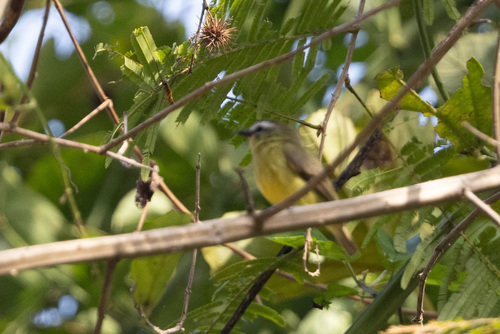 Brown-capped Tyrannulet
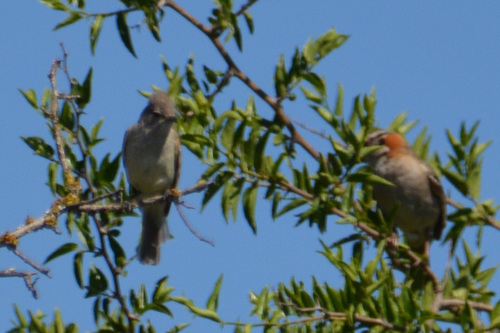 Southern Beardless-Tyrannulet
In breve
Il segno di campo più affidabile tra Brown-capped Tyrannulet e Southern Beardless-Tyrannulet è il modello della corona e del viso: Brown-capped Tyrannulet mostra una corona distintamente di un oliva marrone scuro con un supercilium e una fronte bianchi, mentre Southern Beardless-Tyrannulet ha una corona grigia (spesso folta) e un anello oculare bianco spezzato. Il giovane Brown-capped Tyrannulet ha un supercilium meno distintivo e parti inferiori gialle più chiare, mentre il giovane Southern Beardless-Tyrannulet è complessivamente più opaco e marrone con parti inferiori di un buff chiaro. Entrambi sono piccoli catturatori di volo, ma Southern Beardless-Tyrannulet è leggermente più lungo e può mostrare barre alari più evidenti. Anche il colore e la struttura del becco differiscono sottilmente, con Brown-capped Tyrannulet che ha un becco nero e arcuato e Southern Beardless-Tyrannulet una mascella di colore corno e una mandibola arancione o rosa. Usa una combinazione di colore della corona, modello del viso e prominenza delle barre alari per la separazione più affidabile, specialmente negli uccelli in posa.
Consigli di identificazione
- Crown Color: Brown-capped Tyrannulet ha una corona di un oliva marrone scuro (adulti), mentre la corona di Southern Beardless-Tyrannulet è grigia e spesso folta con centri scuri. Questo è il segno più affidabile in buona luce.
- Supercilium and Forehead: Brown-capped Tyrannulet mostra un supercilium e una fronte bianchi, in contrasto con la corona marrone. Southern Beardless-Tyrannulet ha lore bianchi e un anello oculare bianco spezzato, ma manca di un forte supercilium o fronte bianca.
- Wing Bars: Southern Beardless-Tyrannulet ha due barre alari larghe, di cannella o crema, sulla ala chiusa (adulti e la maggior parte delle sottospecie), che sono prominenti negli uccelli in posa e a volte visibili in volo. Le barre alari di Brown-capped Tyrannulet sono meno distintive, specialmente nei giovani, e mai così audaci.
- Juvenile Plumage: Il giovane Brown-capped Tyrannulet ha una corona più oliva e ha un supercilium meno distintivo, con parti inferiori gialle più chiare. Il giovane Southern Beardless-Tyrannulet è più opaco, marrone e ha parti inferiori di un buff chiaro, spesso mancando di marcature facciali chiare.
- Bill Structure and Color: Brown-capped Tyrannulet ha una mascella nera e arcuata, mentre Southern Beardless-Tyrannulet ha un becco superiore di colore corno e una mandibola inferiore opaca arancione o rosa. Questo è sottile ma può essere visto da vicino.
- Face Pattern: Il viso di Brown-capped Tyrannulet è oliva con un supercilium bianco; il viso di Southern Beardless-Tyrannulet è bianco grigiastro con un anello oculare spezzato e lore bianchi.
- Underparts: Brown-capped Tyrannulet ha parti inferiori gialle brillanti con striature olive deboli sul petto e sui fianchi. Southern Beardless-Tyrannulet è di un giallo più chiaro sotto, con una gola bianco grigia e un leggero lavaggio oliva sul petto.
- Upperparts: Brown-capped Tyrannulet è oliva sopra; Southern Beardless-Tyrannulet è di un grigio oliva medio sopra, a volte con una tonalità più calda o più grigia a seconda della sottospecie.
- Tail: Entrambi hanno code scure o olive; non è un forte separatore.
- Size: Southern Beardless-Tyrannulet è leggermente più lungo (9.5–10.5 cm vs. 8 cm), ma entrambi sono piccoli e sovrappongono in massa.
- Leg Color: Entrambi hanno gambe e piedi grigi; non utile per la separazione.
- Behavior: Southern Beardless-Tyrannulet può muovere le ali di più, rendendo le barre alari più evidenti, e può apparire più simile a un warbler a causa del suo becco più lungo.
- Habitat: Southern Beardless-Tyrannulet è più probabile che si trovi in habitat aperti o disturbati, ma entrambi si trovano in bordi e crescita secondaria; non fare affidamento solo sull'habitat dove le gamme si sovrappongono.
- Subspecies Variation: Southern Beardless-Tyrannulet mostra una considerevole variazione sottospecifica nel colore delle parti superiori e inferiori, ma manca sempre di una corona marrone. Brown-capped Tyrannulet è più consistente nell'aspetto.
- Pitfalls: Il giovane Brown-capped Tyrannulet può apparire più opaco e meno distintivo, ma dovrebbe comunque mostrare un certo supercilium e toni oliva. I giovani Southern Beardless-Tyrannulet sono più semplici e marroni, con meno contrasto facciale.
Taglia
Brown-capped Tyrannulet misura in media circa 8 cm di lunghezza e 7.5 g di massa, rendendolo un catturatore di volo molto piccolo. Southern Beardless-Tyrannulet è leggermente più grande, a 9.5–10.5 cm e 7–9 g. Sul campo, questa differenza di dimensioni è sottile e potrebbe non essere evidente a meno che entrambe le specie non siano viste fianco a fianco. Entrambi sono leggeri e compatti, ma Southern Beardless-Tyrannulet può apparire un po' più lungo nel corpo, specialmente quando è in posa.
Piumaggio
-
Juveniles: Il giovane Brown-capped Tyrannulet mostra una corona più oliva (meno marrone), un supercilium meno distintivo, punte più chiare sulle copritrici alari e parti inferiori gialle più chiare. Il giovane Southern Beardless-Tyrannulet è complessivamente più opaco e marrone rispetto agli adulti, con parti inferiori di un bianco buff chiaro. Entrambi mancano di un forte contrasto adulto, ma i giovani Brown-capped Tyrannulet mantengono un certo supercilium e un viso più oliva, mentre i giovani Southern Beardless-Tyrannulet sono più semplici e marroni.
-
Adults: Gli adulti di Brown-capped Tyrannulet hanno una corona di un oliva marrone scuro, fronte bianca, lore e supercilium bianchi, parti superiori olive, ali e coda olive scure, e parti inferiori gialle brillanti con striature olive deboli sul petto e sui fianchi. Gli adulti di Southern Beardless-Tyrannulet (nominate) hanno una corona e una nuca grigia (spesso folta con centri scuri), lore bianchi, un anello oculare bianco spezzato, parti superiori e coda di un grigio oliva medio, ali scure con bordi bianchi a crema sulle piume di volo interne, e due barre alari larghe di cannella. Le parti inferiori sono bianche grigiastre sulla gola, per lo più gialle chiare sotto con un leggero lavaggio oliva sul petto. La variazione sottospecifica in Southern Beardless-Tyrannulet può modificare il tono delle parti superiori e inferiori, ma la corona rimane grigia (non marrone), e le barre alari sono generalmente più prominenti rispetto a Brown-capped Tyrannulet.
-
Wing Pattern: Southern Beardless-Tyrannulet ha due barre alari larghe, spesso di cannella o crema, sulla ala chiusa (adulti e la maggior parte delle sottospecie), mentre le barre alari di Brown-capped Tyrannulet sono meno distintive, specialmente nei giovani.
Comportamento
Entrambe le specie sono catturatori di volo attivi e irrequieti che si nutrono nei livelli medi e superiori degli alberi e dei cespugli. Southern Beardless-Tyrannulet può apparire leggermente più simile a un warbler a causa del suo becco più lungo e appuntito e della tendenza a muovere le ali, rendendo le barre alari più visibili. Brown-capped Tyrannulet, essendo un po' più piccolo e con un aspetto più compatto, può apparire più delicato. In volo, nessuna delle due specie mostra modelli unici e sorprendenti, ma le barre alari di Southern Beardless-Tyrannulet possono a volte catturare l'attenzione mentre si muove tra i posatoi.
Habitat
Entrambe le specie si sovrappongono ampiamente in Centro e nel nord del Sud America, inclusi Costa Rica, Panama, Colombia, Ecuador e Venezuela. Brown-capped Tyrannulet è più localizzato, mentre Southern Beardless-Tyrannulet è diffuso in quasi tutta la parte continentale del Sud America (eccetto il Cile) e Trinidad. Entrambi utilizzano bordi, crescita secondaria e boschi aperti, ma Southern Beardless-Tyrannulet è più probabile che si trovi in habitat più asciutti, aperti o disturbati, mentre Brown-capped Tyrannulet può preferire bordi forestali leggermente più densi o umidi. L'habitat da solo è raramente diagnostico dove entrambe si trovano.
Brown-capped Tyrannulet · Southern Beardless-Tyrannulet · I miei uccelli difficili