

Motmot

ルリカワセミ 対 カザリショウビン

Alcedo meninting 対 Lacedo pulchella

ルリカワセミとカザリショウビンのクイズ
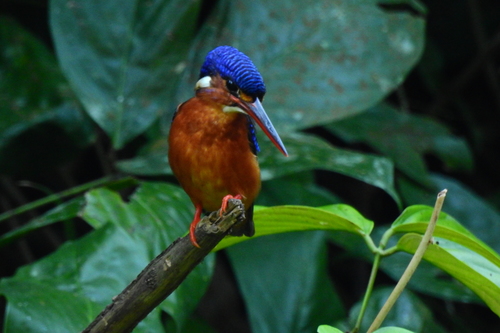
ルリカワセミ (Alcedo meninting) ルリカワセミ
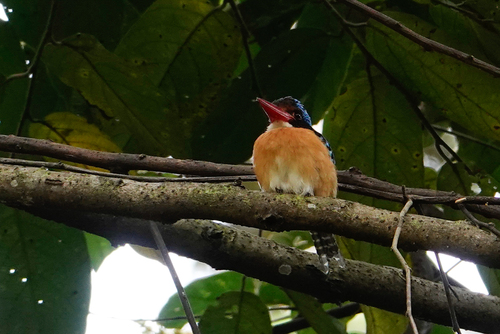
カザリショウビン (Lacedo pulchella) カザリショウビン

メディア

読み込み中…

要点

ブルーイヤードキングフィッシャーとバンデッドキングフィッシャーを区別する最も信頼できるフィールドマークは、ブルーイヤードに青い耳覆いがあり、小さくコンパクトなキングフィッシャーの形状があるのに対し、バンデッドキングフィッシャーは大きなサイズ、目立つ短い冠、そして際立った性的二形性を持っていることです。幼鳥のブルーイヤードキングフィッシャーは(カワセミのように)赤褐色の耳覆いを示すことがありますが、バンデッドキングフィッシャーの幼鳥は常に鈍い色合いで、茶色がかったオレンジ色のくちばしと暗い縞模様があります。成鳥では、ブルーイヤードキングフィッシャーは小さく、暗い冠を持ち、強いコバルト色の鳥で、豊かな赤褐色の腹部があり、冠はありません。一方、バンデッドキングフィッシャーのオスは大胆に青い帽子をかぶり、栗色の顔と青い帯模様の上面を持ち、メスは上面が赤褐色と黒の帯模様で覆われています。くちばしの色と形、頭の模様、そして生息環境も強力な手がかりです。

識別のコツ

  1. 幼鳥のブルーイヤードキングフィッシャー: 斑点のある喉と上胸、赤褐色の耳覆い(カワセミのように)、白い先端のある赤みがかったくちばしを探してください。バンデッドキングフィッシャーの幼鳥は青い耳覆いやこのコンパクトな形状を示すことはありません。
  2. 成鳥のブルーイヤードキングフィッシャー: 診断的な青い耳覆い、暗い冠、強いコバルトブルーの上面、そして豊かな赤褐色の腹部。冠はありません。オスは全体が暗いくちばし、メスは赤みがかった下顎を持っています。
  3. 成鳥のバンデッドキングフィッシャー(オス): 明るい青い帽子、栗色の顔と後頭部、青い帯模様の黒い上面、白い腹部、そして太くて頑丈な赤いくちばし。短い冠はしばしば立てられています。青い耳覆いは決して示しません。
  4. 成鳥のバンデッドキングフィッシャー(メス): 赤褐色と黒の帯模様の上面、胸と側面に黒い縞模様のある白い腹部、太い赤いくちばし、そして短い冠。耳覆いや冠には青色はありません。
  5. くちばしの色と形: ブルーイヤードキングフィッシャーは相対的に小さく、細いくちばし(暗色のオス、二色のメス)を持っています。バンデッドキングフィッシャーの両性は太く、長く、明るい赤いくちばしを持ち、幼鳥でも(鈍い色合いですが)同様です。
  6. 冠: バンデッドキングフィッシャーだけが短く、しばしば立てられた冠を示します。ブルーイヤードキングフィッシャーは常に滑らかな頭に見えます。
  7. サイズと構造: ブルーイヤードキングフィッシャーは小さくてコンパクト(16 cm)ですが、バンデッドキングフィッシャーは明らかに大きく、より頑丈(20 cm)で、重い印象を持っています。
  8. 頭の模様: ブルーイヤードキングフィッシャーは暗い冠と青い耳覆いを持っています。バンデッドキングフィッシャーのオスは青い帽子と栗色の顔を持ち、メスは赤褐色と黒の帯模様の頭を持っています。
  9. 腹部: ブルーイヤードキングフィッシャーは下部が豊かな赤褐色(白い喉を除く)、バンデッドキングフィッシャーのオスは胸/側面が赤褐色で白い腹部、メスは白くて黒い縞模様があります。
  10. 上面: ブルーイヤードキングフィッシャーは全体が強いコバルト色です。バンデッドキングフィッシャーのオスは青い帯模様の黒、メスは赤褐色と黒の帯模様です。
  11. 生息地: ブルーイヤードは密集した日陰の森林の流れに結びついています。バンデッドは低地の森林に生息し、しばしば水から離れています。
  12. 行動: ブルーイヤードは水の上の低い枝に静かに止まり、バンデッドは高い位置に止まり、しばしば直立して、呼びかけに反応します。
  13. 鳴き声: バンデッドキングフィッシャーだけが特徴的な口笛のような鳴き声を出します。ブルーイヤードはほとんど静かです。
  14. 性的二形性: バンデッドキングフィッシャーの性別は非常に異なって見えますが、ブルーイヤードキングフィッシャーの性別はくちばしの色を除いて似ています。
  15. 一般的な落とし穴: 幼鳥のブルーイヤードはカワセミと混同されることがありますが、バンデッドキングフィッシャーとは混同されません。冠や太い赤いくちばしを持つキングフィッシャーを見たら、それはバンデッドです。青い耳覆いと冠がない場合、それはブルーイヤードです。

大きさ

ブルーイヤードキングフィッシャーはコンパクトで小さなキングフィッシャー(約16 cm)で、バンデッドキングフィッシャーよりも明らかに小さく、より繊細です。バンデッドキングフィッシャーはより大きく、頑丈で(20 cm)、重い、より頑丈な体型と太く、長い赤いくちばしを持っています。一方、ブルーイヤードはより優雅で、相対的に小さなくちばしを持っています。これらのサイズと構造の違いは、両種が同じ文脈で見られる場合には明らかですが、単独で見られる場合には微妙なことがあります。

羽色

幼鳥のブルーイヤードキングフィッシャーは赤褐色の耳覆いを示すことがあります(カワセミのように)が、通常は喉と上胸に斑点があり、白い先端のある赤みがかったくちばしを持っています。この斑点は成鳥では消え、青い耳覆い、暗い冠、強いコバルトブルーの上面、そして豊かな赤褐色の腹部を持っています。成鳥のオスは全体が暗いくちばしを持ち、メスは赤みがかった下顎を持っています。バンデッドキングフィッシャーの幼鳥は成鳥よりも鈍い色合いで、茶色がかったオレンジ色のくちばしと下部に暗い縞模様がありますが、青い耳覆いやコンパクトなキングフィッシャーの形状は決して示しません。成鳥のオスのバンデッドキングフィッシャーは明るい青い帽子、栗色の顔と後頭部、青い帯模様の黒い上面、そして白い腹部で間違いなく識別できます。成鳥のメスは上面が大胆に赤褐色と黒の帯模様で、白い腹部と胸と側面に黒い縞模様があります。両性ともに短い冠を持ち、しばしば立てられ、太い赤いくちばしを持っています。バンデッドキングフィッシャーのどの年齢もブルーイヤードキングフィッシャーのようには見えず、逆もまた然りで、頭の模様と冠を見れば一目瞭然です。

行動

ブルーイヤードキングフィッシャーは通常、日陰の森林の流れの上の低い枝に静かに止まり、水生の獲物を捕らえます。その動きは迅速で直接的であり、密集したカバーの中で水の近くに留まる傾向があります。一方、バンデッドキングフィッシャーは低地の森林の樹上のキングフィッシャーで、しばしば中層や樹冠の高い位置に見られ、水から離れていることもあります。直立して止まっている姿が見られることが多く、冠を見せ、模倣された呼びかけに反応することができます。バンデッドの採餌は水にあまり依存せず、その姿勢はより直立して頑丈です。

生息環境

ブルーイヤードキングフィッシャーは密集した日陰の常緑森林の流れやプールに強く関連しており、通常は1000 m未満の標高で、水から遠く離れることはほとんどありません。バンデッドキングフィッシャーは低地の熱帯森林の鳥で、しばしばブルーイヤードよりも乾燥したり、より開けた森林に生息し、水の近くに依存することは少ないです。日陰の流れのある密集した森林の奥深くにいる場合、ブルーイヤードがより可能性が高いですが、より開けたまたは乾燥した低地の森林、特に水から離れた場所では、バンデッドがデフォルトです。

声

バンデッドキングフィッシャーは特徴的な長い口笛の「ウィーオー」に続いて、一連の「チウィウ」音を出し、急速に繰り返し、フェードアウトします。模倣に反応します。ブルーイヤードキングフィッシャーは一般的に静かで、フィールドでの特徴的な呼び声は知られていないため、東南アジアの森林で鳴いているキングフィッシャーはバンデッドである可能性がはるかに高いです。

より良い説明を送る

比較と同じ項目を使ってください。文章はすぐに公開されます。

The most reliable field mark to separate Blue-eared Kingfisher from Banded Kingfisher is the presence of blue ear coverts and a small, compact kingfisher shape in Blue-eared, versus the larger size, prominent short crest, and striking sexual dimorphism of Banded Kingfisher. Juvenile Blue-eared Kingfishers can show rufous ear-coverts (like Common Kingfisher), but Banded Kingfisher juveniles are always duller, with a brown-orange bill and dusky barring. In adults, Blue-eared Kingfisher is a small, dark-crowned, intensely cobalt bird with rich rufous underparts and no crest, while Banded Kingfisher males are boldly blue-capped with chestnut face and blue-banded upperparts, and females are heavily banded rufous-and-black above. Bill color and shape, head pattern, and habitat context are also strong clues.

  1. Juvenile Blue-eared Kingfisher: Look for mottled throat and upper breast, rufous ear-coverts (like Common Kingfisher), and a reddish bill with whitish tips. Banded Kingfisher juveniles never show blue ear coverts or this compact shape.
  2. Adult Blue-eared Kingfisher: Diagnostic blue ear coverts, dark crown, intense cobalt-blue upperparts, and rich rufous underparts. No crest. Bill all dark in males, reddish lower mandible in females.
  3. Adult Banded Kingfisher (male): Bright blue cap, chestnut face and nape, blue-banded black upperparts, white belly, and a thick, sturdy red bill. Short crest often raised. Never shows blue ear coverts.
  4. Adult Banded Kingfisher (female): Rufous and black banded upperparts, white underparts with black barring on chest and flanks, thick red bill, and short crest. No blue on the ear coverts or crown.
  5. Bill color and shape: Blue-eared Kingfisher has a proportionally smaller, finer bill (dark in males, bicolored in females). Banded Kingfisher of both sexes has a thick, long, bright red bill, even in juveniles (though duller).
  6. Crest: Only Banded Kingfisher shows a short, often raised crest. Blue-eared Kingfisher always appears smooth-headed.
  7. Size and structure: Blue-eared Kingfisher is small and compact (16 cm), while Banded Kingfisher is noticeably larger and more robust (20 cm), with a heavier jizz.
  8. Head pattern: Blue-eared Kingfisher has a dark crown and blue ear coverts; Banded Kingfisher males have a blue cap and chestnut face, females have rufous-black banded head.
  9. Underparts: Blue-eared Kingfisher is rich rufous below (except white throat), Banded Kingfisher male is rufous on breast/flanks with white belly, female is white with black barring.
  10. Upperparts: Blue-eared Kingfisher is intense cobalt overall; Banded Kingfisher male is blue-banded black, female is rufous-black banded.
  11. Habitat: Blue-eared is tied to dense, shaded forest streams; Banded is in lowland forest, often away from water.
  12. Behavior: Blue-eared perches low over water, Banded perches higher, often upright, and responds to calls.
  13. Vocalization: Only Banded Kingfisher gives a distinctive whistled call; Blue-eared is mostly silent.
  14. Sexual dimorphism: Banded Kingfisher sexes look very different; Blue-eared Kingfisher sexes are similar except bill color.
  15. Common pitfalls: Juvenile Blue-eared can be confused with Common Kingfisher, but not Banded Kingfisher. If you see a kingfisher with a crest or thick red bill, it's Banded. If you see blue ear coverts and no crest, it's Blue-eared.

Blue-eared Kingfisher is a compact, small kingfisher (about 16 cm), noticeably smaller and more delicate than Banded Kingfisher, which is larger and sturdier at 20 cm. The Banded Kingfisher has a heavier, more robust build and a thicker, longer red bill, while Blue-eared is daintier with a proportionally smaller bill. These size and structure differences are obvious if both species are seen in the same context, but can be subtle if seen alone.

Juvenile Blue-eared Kingfisher can show rufous ear-coverts (like Common Kingfisher), but usually has mottling on the throat and upper breast, and a reddish bill with whitish tips. This mottling disappears in adults, which have blue ear coverts, a dark crown, intense cobalt-blue upperparts, and rich rufous underparts. Adult males have an all-dark bill, females a reddish lower mandible. Banded Kingfisher juveniles are duller than adults, with a brown-orange bill and dusky barring on the underparts, but never show blue ear coverts or a compact kingfisher shape. Adult male Banded Kingfisher is unmistakable with a bright blue cap, chestnut face and nape, blue-banded black upperparts, and a white belly. Adult female is boldly banded rufous-and-black above, with white underparts and black barring on the chest and flanks. Both sexes have a short crest that is often raised and a thick red bill. No age of Banded Kingfisher ever looks like Blue-eared Kingfisher, and vice versa, once you see the head pattern and crest.

Blue-eared Kingfisher typically perches quietly on low branches over shaded forest streams, diving for aquatic prey. Its movements are quick and direct, and it tends to stay close to water in dense cover. Banded Kingfisher, in contrast, is a tree kingfisher of lowland forest, often found higher in the mid-story or canopy, sometimes away from water. It is more likely to be seen perched upright, showing off its crest, and can respond to imitated calls. The Banded's foraging is less tied to water, and its posture is more upright and robust.

Blue-eared Kingfisher is strongly associated with dense, shaded evergreen forest streams and pools, usually under 1000 m elevation, and rarely strays far from water. Banded Kingfisher is a bird of lowland tropical forest, often in drier or more open forest than Blue-eared, and is less dependent on proximity to water. If you are deep in dense forest by a shaded stream, Blue-eared is more likely; in more open or drier lowland forest, especially away from water, Banded is the default.

Banded Kingfisher has a distinctive long whistled 'wheeeoo' followed by a series of 'chiwiu' notes, repeated rapidly and fading. It is responsive to imitations. Blue-eared Kingfisher is generally quiet and not known for any distinctive call in the field, so a vocalizing kingfisher in Southeast Asian forest is far more likely to be Banded.

変更を破棄しますか?

保存していない編集があります。今離れると失われます。

ルリカワセミ · カザリショウビン · 苦手な鳥