

Martín Pescador Meninting vs Martín Cazador Bonito
Alcedo meninting frente a Lacedo pulchella
Juega un quiz con Martín Pescador Meninting y Martín Cazador Bonito
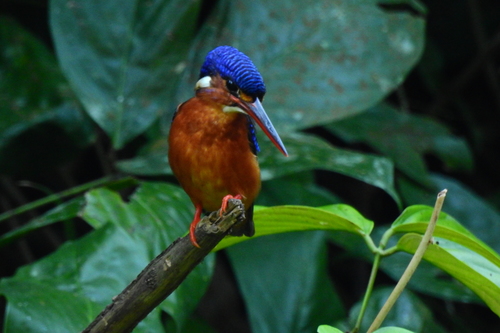 Martín Pescador Meninting
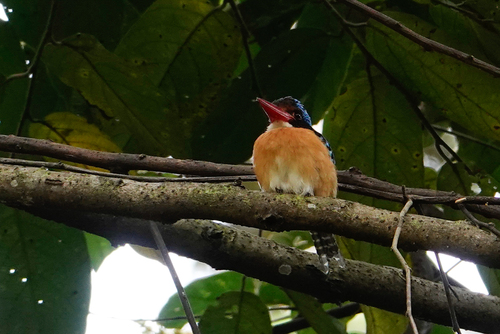 Martín Cazador Bonito
En breve
La marca de campo más confiable para separar el Martín Pescador Meninting del Martín Cazador Bonito es la presencia de cobertores de oído azules y una forma de martinete pequeña y compacta en el Meninting, frente al tamaño más grande, la prominente cresta corta y el llamativo dimorfismo sexual del Martín Cazador Bonito. Los juveniles de Martín Pescador Meninting pueden mostrar cobertores de oído rufo (como el Martín Pescador Común), pero los juveniles de Martín Cazador Bonito son siempre más apagados, con un pico marrón-naranja y estrías oscuras. En los adultos, el Martín Pescador Meninting es un pájaro pequeño, de corona oscura, intensamente cobalto, con partes inferiores ricas en rufo y sin cresta, mientras que los machos del Martín Cazador Bonito tienen una cabeza azul brillante con cara castaña y partes superiores azul bandas, y las hembras están fuertemente bandas en rufo y negro por encima. El color y la forma del pico, el patrón de la cabeza y el contexto del hábitat también son pistas fuertes.
Consejos de identificación
- Juvenil Martín Pescador Meninting: Busca un cuello y pecho superior moteados, cobertores de oído rufos (como el Martín Pescador Común), y un pico rojizo con puntas blanquecinas. Los juveniles de Martín Cazador Bonito nunca muestran cobertores de oído azules o esta forma compacta.
- Adulto Martín Pescador Meninting: Cobertores de oído azules diagnósticos, corona oscura, partes superiores intensamente cobalto-azul, y partes inferiores ricas en rufo. Sin cresta. Pico completamente oscuro en machos, mandíbula inferior rojiza en hembras.
- Adulto Martín Cazador Bonito (macho): Capucha azul brillante, cara y nuca castañas, partes superiores negras con bandas azules, vientre blanco, y un pico rojo grueso y robusto. Cresta corta a menudo levantada. Nunca muestra cobertores de oído azules.
- Adulto Martín Cazador Bonito (hembra): Partes superiores bandas en rufo y negro, partes inferiores blancas con estrías negras en el pecho y flancos, pico rojo grueso, y cresta corta. Sin azul en los cobertores de oído o la corona.
- Color y forma del pico: El Martín Pescador Meninting tiene un pico proporcionalmente más pequeño y fino (oscuro en machos, bicolor en hembras). El Martín Cazador Bonito de ambos sexos tiene un pico rojo brillante, grueso y largo, incluso en juveniles (aunque más apagado).
- Cresta: Solo el Martín Cazador Bonito muestra una cresta corta, a menudo levantada. El Martín Pescador Meninting siempre aparece con la cabeza lisa.
- Tamaño y estructura: El Martín Pescador Meninting es pequeño y compacto (16 cm), mientras que el Martín Cazador Bonito es notablemente más grande y robusto (20 cm), con una apariencia más pesada.
- Patrón de la cabeza: El Martín Pescador Meninting tiene una corona oscura y cobertores de oído azules; los machos del Martín Cazador Bonito tienen una capucha azul y cara castaña, las hembras tienen una cabeza bandas en rufo y negro.
- Partes inferiores: El Martín Pescador Meninting es rico en rufo por debajo (excepto la garganta blanca), el macho del Martín Cazador Bonito es rufo en el pecho/flancos con vientre blanco, la hembra es blanca con estrías negras.
- Partes superiores: El Martín Pescador Meninting es intensamente cobalto en general; el macho del Martín Cazador Bonito es negro con bandas azules, la hembra es bandas en rufo y negro.
- Hábitat: El Martín Pescador Meninting está vinculado a arroyos de bosque denso y sombreado; el Martín Cazador Bonito se encuentra en bosques de tierras bajas, a menudo lejos del agua.
- Comportamiento: El Martín Pescador Meninting se posó bajo sobre el agua, el Martín Cazador Bonito se posó más alto, a menudo erguido, y responde a llamadas.
- Vocalización: Solo el Martín Cazador Bonito emite un llamado silbante distintivo; el Martín Pescador Meninting es mayormente silencioso.
- Dimorfismo sexual: Los sexos del Martín Cazador Bonito se ven muy diferentes; los sexos del Martín Pescador Meninting son similares excepto por el color del pico.
- Trampas comunes: El juvenil Martín Pescador Meninting puede confundirse con el Martín Pescador Común, pero no con el Martín Cazador Bonito. Si ves un martinete con cresta o pico rojo grueso, es un Martín Cazador Bonito. Si ves cobertores de oído azules y sin cresta, es un Martín Pescador Meninting.
Tamaño
El Martín Pescador Meninting es un martinete compacto y pequeño (alrededor de 16 cm), notablemente más pequeño y más delicado que el Martín Cazador Bonito, que es más grande y robusto a 20 cm. El Martín Cazador Bonito tiene una construcción más pesada y robusta y un pico rojo más grueso y largo, mientras que el Martín Pescador Meninting es más delicado con un pico proporcionalmente más pequeño. Estas diferencias de tamaño y estructura son obvias si ambas especies se ven en el mismo contexto, pero pueden ser sutiles si se ven solas.
Plumaje
El juvenil Martín Pescador Meninting puede mostrar cobertores de oído rufos (como el Martín Pescador Común), pero generalmente tiene moteado en la garganta y el pecho superior, y un pico rojizo con puntas blanquecinas. Este moteado desaparece en los adultos, que tienen cobertores de oído azules, una corona oscura, partes superiores intensamente cobalto-azul, y partes inferiores ricas en rufo. Los machos adultos tienen un pico completamente oscuro, las hembras una mandíbula inferior rojiza. Los juveniles del Martín Cazador Bonito son más apagados que los adultos, con un pico marrón-naranja y estrías oscuras en las partes inferiores, pero nunca muestran cobertores de oído azules o una forma compacta de martinete. El macho adulto del Martín Cazador Bonito es inconfundible con una capucha azul brillante, cara y nuca castañas, partes superiores negras con bandas azules, y un vientre blanco. La hembra adulta está fuertemente bandas en rufo y negro por encima, con partes inferiores blancas y estrías negras en el pecho y flancos. Ambos sexos tienen una cresta corta que a menudo se levanta y un pico rojo grueso. Ninguna edad del Martín Cazador Bonito se parece al Martín Pescador Meninting, y viceversa, una vez que ves el patrón de la cabeza y la cresta.
Comportamiento
El Martín Pescador Meninting típicamente se posa en silencio sobre ramas bajas sobre arroyos de bosque sombreado, zambulléndose por presas acuáticas. Sus movimientos son rápidos y directos, y tiende a permanecer cerca del agua en una cubierta densa. El Martín Cazador Bonito, en contraste, es un martinete de árbol de bosque de tierras bajas, a menudo encontrado más alto en el medio del bosque o en el dosel, a veces lejos del agua. Es más probable que se vea posado erguido, mostrando su cresta, y puede responder a llamadas imitadas. La búsqueda del Martín Cazador Bonito está menos ligada al agua, y su postura es más erguida y robusta.
Hábitat
El Martín Pescador Meninting está fuertemente asociado con arroyos y charcas de bosque denso y sombreado, generalmente por debajo de 1000 m de elevación, y rara vez se aleja mucho del agua. El Martín Cazador Bonito es un pájaro de bosque tropical de tierras bajas, a menudo en bosques más secos o abiertos que el Meninting, y es menos dependiente de la proximidad al agua. Si estás en un bosque denso cerca de un arroyo sombreado, es más probable que veas un Meninting; en un bosque de tierras bajas más abierto o seco, especialmente lejos del agua, el Cazador Bonito es el predeterminado.
Voz
El Martín Cazador Bonito tiene un distintivo silbido largo 'wheeeoo' seguido de una serie de notas 'chiwiu', repetidas rápidamente y desvaneciéndose. Es receptivo a las imitaciones. El Martín Pescador Meninting es generalmente silencioso y no se conoce por ningún llamado distintivo en el campo, por lo que un martinete vocalizando en el bosque del sudeste asiático es mucho más probable que sea un Cazador Bonito.
Martín Pescador Meninting · Martín Cazador Bonito · Mis aves difíciles