

Motmot

クビワメガネヒタキ 対 アゴフセワタビタキ

Platysteira peltata 対 Batis molitor

クビワメガネヒタキとアゴフセワタビタキのクイズ
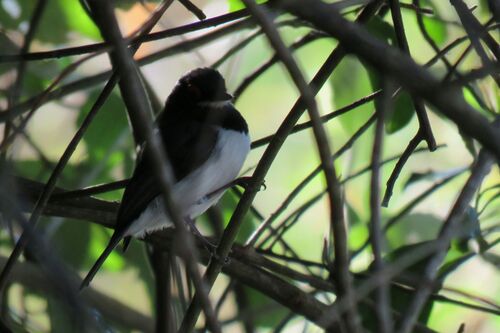
クビワメガネヒタキ (Platysteira peltata) クビワメガネヒタキ
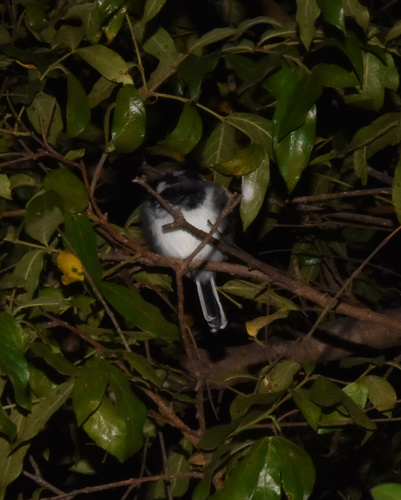
アゴフセワタビタキ (Batis molitor) アゴフセワタビタキ

メディア

読み込み中…

要点

アゴフセワタビタキとクビワメガネヒタキを区別する最も信頼できるフィールドマークは、アゴフセワタビタキに見られる太い黒色(オス)または栗色(メス)の胸帯と、白いアイストライプを持つ明確な黒い顔のマスクの存在です。一方、クビワメガネヒタキはより均一な黒い喉を持ち、強い顔のマスクがありません。アゴフセワタビタキは目立つ白い翼のストライプと白い喉を示し、しばしばディスプレイで露出しますが、クビワメガネヒタキはこれらの対照的な特徴を欠いています。幼鳥のアゴフセワタビタキはメスに似ていますが、黄褐色の胸帯と喉の斑点を持ち、クビワメガネヒタキはどの年齢でもこれに一致しません。両種は南部および東部アフリカの小型で活発な昆虫食性の鳥ですが、アゴフセワタビタキは乾燥した森林で見られる可能性が高く、通常はその領土のディスプレイや鳴き声のためにより目立ちます。

識別のコツ

  1. Breast band: アゴフセワタビタキのオスは太い黒い胸帯を持ち、メスと幼鳥は栗色または黄褐色の帯と喉の斑点を持っています。クビワメガネヒタキは全ての年齢で胸帯を欠いています。
  2. Facial pattern: アゴフセワタビタキは短い白いアイストライプと灰色のキャップを持つ強い黒いマスクを示します。クビワメガネヒタキはこのマスクを欠いており、より均一に暗い喉に見えます。
  3. White wing stripe: アゴフセワタビタキは全ての年齢で目立つ白い翼のストライプを持ち、止まっている時も飛んでいる時も見えます。クビワメガネヒタキはこの特徴を欠いており、翼が地味に見えます。
  4. White throat: アゴフセワタビタキは目立つ白い喉を持ち、しばしばディスプレイで強調されます。クビワメガネヒタキは黒い喉を持ち、この対比を示しません。
  5. Juvenile/female confusion: 幼鳥とメスのアゴフセワタビタキはクビワメガネヒタキと間違えられることがありますが、常に何らかの形の胸帯とより淡い喉の斑点を示し、クビワメガネヒタキはこれを持ちません。
  6. Body shape and size: 両者は小型でコンパクトな鳥で、短いくちばしを持っているため、構造は信頼できる区別要因ではありません。
  7. Behavior: アゴフセワタビタキは非常に活発で、翼と尾をひらひらさせ、しばしば目立つように止まります。冬や春には小さな群れ(「議会」)を形成し、翼をひらひらさせて鳴き声を出します。クビワメガネヒタキはあまり目立たず、そのようなディスプレイでは知られていません。
  8. Display posture: 領土のアゴフセワタビタキのオスは頭を上げて止まり、白い喉を露出させ、ふくらんだ尻で短いジンキング飛行を行うことがあります。この行動はクビワメガネヒタキには記載されていません。
  9. Habitat: 南部アフリカでは、アゴフセワタビタキは乾燥した森林や森林の端にいる可能性が高く、クビワメガネヒタキはより密集したり湿った森林に出現することがあります。生息地だけでは診断的ではありませんが、識別をサポートすることができます。
  10. Vocalizations: アゴフセワタビタキは目立つ止まり木から下降する三音のホイッスルや他の鳴き声を出します。クビワメガネヒタキの声はここでは記載されていないため、特徴的なバティスの鳴き声を聞くことはアゴフセワタビタキの肯定的な識別要因です。
  11. Foraging behavior: 両種は木の中で昆虫を探しますが、アゴフセワタビタキは飛び出したり、フライキャッチャーのスタイルで獲物を捕まえる可能性が高く、時には音の出るくちばしのスナップを伴います。
  12. Group behavior: アゴフセワタビタキだけが「議会」を形成します—冬や春の小さくて騒がしい群れ。クビワメガネヒタキはこれでは知られていません。
  13. Sex differences: アゴフセワタビタキだけが胸帯の色(オスは黒、メスは栗色)において強い性差を示します。クビワメガネヒタキはこの変化を示しません。
  14. Pitfalls: 幼鳥/メスのアゴフセワタビタキをクビワメガネヒタキと混同しないように注意してください。常に胸帯や喉の斑点のヒントを確認し、白い翼のストライプと顔のマスクを探してください。
  15. When in doubt: 胸帯の有無、顔のマスク、白い翼のストライプに焦点を当ててください—これらは全ての年齢と性別にわたって最も一貫したフィールドマークです。

大きさ

アゴフセワタビタキは長さ12〜13 cm、体重約8.7グラムの小型で頑丈な鳥です [wikidata]。クビワメガネヒタキの直接的な質量データは利用できませんが、両種は同様に小型でコンパクトであるため、サイズだけではフィールドでの信頼できる区別要因ではありません。両者は短いくちばしを持ち、Platysteiridaeに典型的な全体的な比率が似ています。

羽色

幼鳥とメスのアゴフセワタビタキは、胸帯(オスは黒、メスは栗色、幼鳥は黄褐色)の存在と喉の栗色または黄褐色の斑点によってクビワメガネヒタキから最もよく区別されます。全ての年齢のアゴフセワタビタキは黒い顔のマスクと短い白いアイストライプを持ち、灰色のキャップと目立つ白い翼のストライプがあります。腹部は常に白く、胸帯が主な区別要因です。対照的に、クビワメガネヒタキはより均一な黒い喉を持ち、強い顔のマスクと翼のストライプを欠いています。その羽毛は全体的に対照的ではありません。飛んでいる時や止まっている時、アゴフセワタビタキの白い翼のストライプは重要な特徴であり、クビワメガネヒタキはより地味に見えます。アゴフセワタビタキの白い喉はしばしばディスプレイで示され、特に鳥が頭を上げた姿勢を取るときに目立ちます。

行動

アゴフセワタビタキは非常に活発で、頻繁に翼と尾をひらひらさせ、体を揺らし、餌を探している間に頭を傾けます。通常は単独またはペアで行動しますが、冬や初春には小さな騒がしい「議会」を形成し、そこで鳥たちは翼をひらひらさせて鳴き声を出します。領土のオスは目立つように止まり、キャノピーの上で短いジンキング飛行を行い、しばしばふくらんだ尻と目立つ白い喉を持っています。クビワメガネヒタキの行動はノートではあまり記載されていませんが、一般的に目立たず、同じレベルのディスプレイや群れ行動では知られていません。両種は木の中で昆虫を探しますが、アゴフセワタビタキはその活発な動きと鳴き声のディスプレイのためにより目立つ可能性があります。

生息環境

アゴフセワタビタキは南部アフリカの森林に一般的で広く分布しており、イースタンケープから南部ケニアとガボンまで、乾燥した開放的な森林や森林の端を好みます。クビワメガネヒタキは中央および東アフリカ全体に広い範囲を持っていますが、乾燥した森林に特に結びついているわけではなく、より多様な森林生息地に出現することがあります。南部アフリカでは、アゴフセワタビタキはより乾燥した開放的な森林にいる可能性が高く、クビワメガネヒタキはより密集したり湿った森林や森林の端に見られることがあります。

声

アゴフセワタビタキのオスは目立つ止まり木から下降する三音のホイッスルを出し、しばしばメスがデュエットに参加します。高強度の領土ディスプレイ中、オスはカエルのような鳴き声、ホイッスル、翼のひらひらを追加します。これらの鳴き声の間に白い喉が露出します。ノートにはクビワメガネヒタキの鳴き声の詳細は提供されていないため、声はアゴフセワタビタキの肯定的な区別要因です。

より良い説明を送る

比較と同じ項目を使ってください。文章はすぐに公開されます。

The most reliable field mark to separate Chinspot Batis from Black-throated Wattle-eye is the presence of a bold black (male) or chestnut (female) breast band and a distinct black facial mask with a white eyestripe in Chinspot Batis, versus the more uniform black throat and lack of a strong facial mask in Black-throated Wattle-eye. Chinspot Batis also shows a prominent white wing stripe and a white throat, often exposed in display, while Black-throated Wattle-eye lacks these contrasting features. Juvenile Chinspot Batis resemble females but have a tawny breast band and throat spot, which is not matched by Black-throated Wattle-eye at any age. Both species are small, active insectivores in southern and eastern Africa, but Chinspot Batis is more likely to be seen in dry woodlands and is usually more conspicuous due to its territorial displays and vocalizations.

  1. Breast band: Chinspot Batis males have a bold black breast band; females and juveniles have a chestnut or tawny band and throat spot. Black-throated Wattle-eye lacks any breast band at all ages.
  2. Facial pattern: Chinspot Batis shows a strong black mask with a short white eyestripe and grey cap. Black-throated Wattle-eye lacks this mask and appears more uniformly dark-throated.
  3. White wing stripe: Chinspot Batis of all ages has a prominent white wing stripe, visible both perched and in flight. Black-throated Wattle-eye lacks this feature and looks plainer-winged.
  4. White throat: Chinspot Batis has a conspicuous white throat, often highlighted in display. Black-throated Wattle-eye has a black throat and does not show this contrast.
  5. Juvenile/female confusion: Juvenile and female Chinspot Batis can be mistaken for Black-throated Wattle-eye, but always show some form of breast band and a paler throat spot, which Black-throated Wattle-eye never has.
  6. Body shape and size: Both are small, compact birds with short bills, so structure is not a reliable separator.
  7. Behavior: Chinspot Batis is highly active, flicking wings and tail, and often perches conspicuously. It may form small groups ('parliaments') in winter/spring, displaying with wing-fripping and calls. Black-throated Wattle-eye is less conspicuous and not known for such displays.
  8. Display posture: Territorial Chinspot Batis males perch with head up, exposing the white throat, and may perform short, jinking flights with fluffed rump. This behavior is not described for Black-throated Wattle-eye.
  9. Habitat: In southern Africa, Chinspot Batis is more likely in dry woodland and forest edge, while Black-throated Wattle-eye may occur in denser or moister woodland. Habitat alone is not diagnostic but can support identification.
  10. Vocalizations: Chinspot Batis gives a descending three-note whistle and other calls, often from a prominent perch. Black-throated Wattle-eye's voice is not described here, so hearing a distinctive batis call is a positive ID for Chinspot Batis.
  11. Foraging behavior: Both species forage for insects in trees, but Chinspot Batis is more likely to sally out or hawk prey in flycatcher style, sometimes with audible bill snaps.
  12. Group behavior: Only Chinspot Batis forms 'parliaments'—small, noisy groups in winter/spring. Black-throated Wattle-eye is not known for this.
  13. Sex differences: Only Chinspot Batis shows strong sexual dimorphism in the breast band color (black in males, chestnut in females). Black-throated Wattle-eye does not show this variation.
  14. Pitfalls: Beware confusing juvenile/female Chinspot Batis with Black-throated Wattle-eye; always check for any hint of a breast band or throat spot, and look for the white wing stripe and facial mask.
  15. When in doubt: Focus on the presence or absence of a breast band, the facial mask, and the white wing stripe—these are the most consistent field marks across all ages and sexes.

Chinspot Batis is a small, stout bird measuring 12–13 cm in length and weighing about 8.7 grams [wikidata]. No direct mass data is available for Black-throated Wattle-eye, but both species are similarly small and compact, so size alone is not a reliable separator in the field. Both have short bills and similar overall proportions typical of Platysteiridae.

Juvenile and female Chinspot Batis are best separated from Black-throated Wattle-eye by the presence of a breast band (black in males, chestnut in females, tawny in juveniles) and a chestnut or tawny spot on the throat. Chinspot Batis of all ages have a black facial mask and a short white eyestripe, with a grey cap and prominent white wing stripe. The underparts are always white, with the breast band as the main separator. Black-throated Wattle-eye, by contrast, has a more uniform black throat and lacks the strong facial mask and wing stripe; its plumage is less contrasting overall. In flight or perched, the white wing stripe of Chinspot Batis is a key feature, while Black-throated Wattle-eye appears plainer. The white throat of Chinspot Batis is often shown off in display, especially when the bird adopts a head-up posture.

Chinspot Batis is highly active, frequently flicking its wings and tail, jerking its body, and cocking its head while foraging. It is usually solitary or in pairs, but may form small, noisy 'parliaments' in winter and early spring, where birds display with wing-fripping and vocalizations. Territorial males perch prominently and perform short, jinking flights above the canopy, often with fluffed rump and conspicuous white throat. Black-throated Wattle-eye's behavior is less described in the notes, but it is generally less conspicuous and not known for the same level of display or group behavior. Both species forage for insects in trees, but Chinspot Batis is more likely to be noticed due to its active movements and vocal displays.

Chinspot Batis is common and widespread in southern African woodlands, from the Eastern Cape north to southern Kenya and Gabon, favoring dry, open woodland and forest edges. Black-throated Wattle-eye has a broader range across central and eastern Africa but is less specifically tied to dry woodland and may occur in a wider variety of wooded habitats. In southern Africa, Chinspot Batis is more likely in drier, open woodland, while Black-throated Wattle-eye may be found in denser or moister woodland and forest edges.

Chinspot Batis males give a distinctive descending three-note whistle from a prominent perch, often joined by the female in a duet. During high-intensity territorial displays, males add frog-like calls, whistling, and wing-fripping. The white throat is exposed during these calls. No vocalization details are provided for Black-throated Wattle-eye in the notes, so voice is only a positive separator for Chinspot Batis.

変更を破棄しますか?

保存していない編集があります。今離れると失われます。

クビワメガネヒタキ · アゴフセワタビタキ · 苦手な鳥