

Batis Carunculado Gorjinegro vs Batis Molitor
Platysteira peltata frente a Batis molitor
Juega un quiz con Batis Carunculado Gorjinegro y Batis Molitor
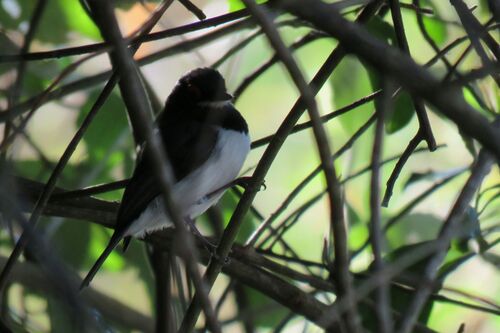 Batis Carunculado Gorjinegro
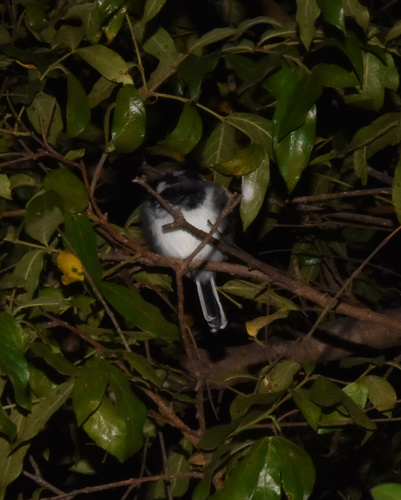 Batis Molitor
En breve
La marca de campo más confiable para separar el Batis Molitor del Batis Carunculado Gorjinegro es la presencia de una banda pectoral negra (macho) o castaña (hembra) audaz y una máscara facial negra distinta con una franja ocular blanca en el Batis Molitor, en comparación con la garganta negra más uniforme y la falta de una máscara facial fuerte en el Batis Carunculado Gorjinegro. El Batis Molitor también muestra una franja blanca prominente en las alas y una garganta blanca, a menudo expuesta en exhibición, mientras que el Batis Carunculado Gorjinegro carece de estas características contrastantes. Los juveniles de Batis Molitor se asemejan a las hembras, pero tienen una banda pectoral castaña y una mancha en la garganta, que no es igualada por el Batis Carunculado Gorjinegro a ninguna edad. Ambas especies son pequeños insectívoros activos en el sur y este de África, pero es más probable que se vea al Batis Molitor en bosques secos y suele ser más conspicuo debido a sus exhibiciones territoriales y vocalizaciones.
Consejos de identificación
- Banda pectoral: Los machos de Batis Molitor tienen una banda pectoral negra audaz; las hembras y los juveniles tienen una banda castaña o tawny y una mancha en la garganta. El Batis Carunculado Gorjinegro carece de cualquier banda pectoral a todas las edades.
- Patrón facial: El Batis Molitor muestra una máscara negra fuerte con una franja ocular blanca corta y una gorra gris. El Batis Carunculado Gorjinegro carece de esta máscara y aparece más uniformemente con la garganta oscura.
- Franja blanca en las alas: El Batis Molitor de todas las edades tiene una franja blanca prominente en las alas, visible tanto posado como en vuelo. El Batis Carunculado Gorjinegro carece de esta característica y parece tener alas más simples.
- Garganta blanca: El Batis Molitor tiene una garganta blanca conspicua, a menudo resaltada en exhibición. El Batis Carunculado Gorjinegro tiene una garganta negra y no muestra este contraste.
- Confusión juvenil/hembra: Los juveniles y hembras de Batis Molitor pueden confundirse con el Batis Carunculado Gorjinegro, pero siempre muestran alguna forma de banda pectoral y una mancha en la garganta más clara, que el Batis Carunculado Gorjinegro nunca tiene.
- Forma y tamaño del cuerpo: Ambas son aves pequeñas y compactas con picos cortos, por lo que la estructura no es un separador confiable.
- Comportamiento: El Batis Molitor es muy activo, moviendo las alas y la cola, y a menudo se posa de manera conspicua. Puede formar pequeños grupos ('parlamentos') en invierno/primavera, exhibiéndose con movimientos de alas y llamados. El Batis Carunculado Gorjinegro es menos conspicuo y no se conoce por tales exhibiciones.
- Postura de exhibición: Los machos territoriales de Batis Molitor se posan con la cabeza en alto, exponiendo la garganta blanca, y pueden realizar vuelos cortos y zigzagueantes con el trasero erguido. Este comportamiento no se describe para el Batis Carunculado Gorjinegro.
- Hábitat: En el sur de África, es más probable que el Batis Molitor se encuentre en bosques secos y en los bordes de los bosques, mientras que el Batis Carunculado Gorjinegro puede ocurrir en bosques más densos o húmedos. El hábitat por sí solo no es diagnóstico, pero puede apoyar la identificación.
- Vocalizaciones: El Batis Molitor emite un silbido descendente de tres notas y otros llamados, a menudo desde un posadero prominente. La voz del Batis Carunculado Gorjinegro no se describe aquí, por lo que escuchar un llamado distintivo de batis es una identificación positiva para el Batis Molitor.
- Comportamiento de forrajeo: Ambas especies forrajean insectos en los árboles, pero el Batis Molitor es más propenso a salir o cazar presas al estilo de un atrapamoscas, a veces con chasquidos audibles del pico.
- Comportamiento en grupo: Solo el Batis Molitor forma 'parlamentos': pequeños grupos ruidosos en invierno/primavera. El Batis Carunculado Gorjinegro no se conoce por esto.
- Diferencias sexuales: Solo el Batis Molitor muestra un fuerte dimorfismo sexual en el color de la banda pectoral (negra en machos, castaña en hembras). El Batis Carunculado Gorjinegro no muestra esta variación.
- Trampas: Cuidado con confundir los juveniles/hembras de Batis Molitor con el Batis Carunculado Gorjinegro; siempre verifique si hay alguna pista de una banda pectoral o mancha en la garganta, y busque la franja blanca en las alas y la máscara facial.
- Cuando haya dudas: Concéntrese en la presencia o ausencia de una banda pectoral, la máscara facial y la franja blanca en las alas; estas son las marcas de campo más consistentes en todas las edades y sexos.
Tamaño
El Batis Molitor es un ave pequeña y robusta que mide de 12 a 13 cm de longitud y pesa alrededor de 8.7 gramos [wikidata]. No hay datos directos de masa disponibles para el Batis Carunculado Gorjinegro, pero ambas especies son igualmente pequeñas y compactas, por lo que el tamaño por sí solo no es un separador confiable en el campo. Ambas tienen picos cortos y proporciones generales similares típicas de Platysteiridae.
Plumaje
Los juveniles y hembras de Batis Molitor se separan mejor del Batis Carunculado Gorjinegro por la presencia de una banda pectoral (negra en machos, castaña en hembras, castaña en juveniles) y una mancha castaña o tawny en la garganta. El Batis Molitor de todas las edades tiene una máscara facial negra y una franja ocular blanca corta, con una gorra gris y una franja blanca prominente en las alas. Las partes inferiores son siempre blancas, siendo la banda pectoral el principal separador. El Batis Carunculado Gorjinegro, en contraste, tiene una garganta negra más uniforme y carece de la fuerte máscara facial y la franja en las alas; su plumaje es menos contrastante en general. En vuelo o posado, la franja blanca en las alas del Batis Molitor es una característica clave, mientras que el Batis Carunculado Gorjinegro parece más simple. La garganta blanca del Batis Molitor a menudo se muestra en exhibición, especialmente cuando el ave adopta una postura con la cabeza en alto.
Comportamiento
El Batis Molitor es muy activo, moviendo frecuentemente sus alas y cola, sacudiendo su cuerpo y girando su cabeza mientras forrajea. Generalmente es solitario o en parejas, pero puede formar pequeños y ruidosos 'parlamentos' en invierno y principios de primavera, donde las aves se exhiben con movimientos de alas y vocalizaciones. Los machos territoriales se posan de manera prominente y realizan vuelos cortos y zigzagueantes sobre el dosel, a menudo con el trasero erguido y la garganta blanca conspicua. El comportamiento del Batis Carunculado Gorjinegro se describe menos en las notas, pero generalmente es menos conspicuo y no se conoce por el mismo nivel de exhibición o comportamiento grupal. Ambas especies forrajean insectos en los árboles, pero el Batis Molitor es más propenso a ser notado debido a sus movimientos activos y exhibiciones vocales.
Hábitat
El Batis Molitor es común y está ampliamente distribuido en los bosques del sur de África, desde el Cabo Oriental hacia el norte hasta el sur de Kenia y Gabón, favoreciendo bosques secos y abiertos y bordes de bosques. El Batis Carunculado Gorjinegro tiene un rango más amplio en el África central y oriental, pero está menos específicamente vinculado a bosques secos y puede ocurrir en una variedad más amplia de hábitats boscosos. En el sur de África, es más probable que el Batis Molitor se encuentre en bosques secos y abiertos, mientras que el Batis Carunculado Gorjinegro puede encontrarse en bosques más densos o húmedos y en los bordes de los bosques.
Voz
Los machos de Batis Molitor emiten un silbido distintivo descendente de tres notas desde un posadero prominente, a menudo acompañado por la hembra en un dúo. Durante exhibiciones territoriales de alta intensidad, los machos añaden llamados similares a los de una rana, silbidos y movimientos de alas. La garganta blanca se expone durante estos llamados. No se proporcionan detalles de vocalización para el Batis Carunculado Gorjinegro en las notas, por lo que la voz es solo un separador positivo para el Batis Molitor.
Batis Carunculado Gorjinegro · Batis Molitor · Mis aves difíciles