

Black-throated Wattle-eye vs Chinspot Batis
Platysteira peltata contro Batis molitor
Fai un quiz con Black-throated Wattle-eye e Chinspot Batis
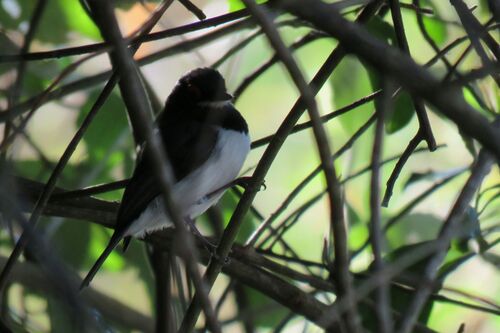 Black-throated Wattle-eye
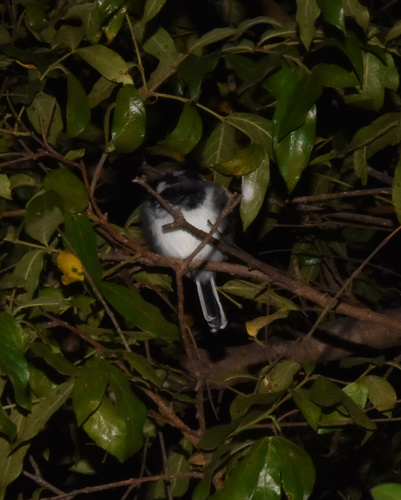 Chinspot Batis
In breve
Il segno distintivo più affidabile per separare il Chinspot Batis dal Black-throated Wattle-eye è la presenza di una banda petto nera audace (maschio) o castana (femmina) e di una maschera facciale nera distinta con una striscia bianca sugli occhi nel Chinspot Batis, rispetto alla gola nera più uniforme e alla mancanza di una maschera facciale forte nel Black-throated Wattle-eye. Il Chinspot Batis mostra anche una striscia bianca prominente sulle ali e una gola bianca, spesso esposta in mostra, mentre il Black-throated Wattle-eye manca di queste caratteristiche contrastanti. I giovani Chinspot Batis somigliano alle femmine ma hanno una banda petto fulva e una macchia sulla gola, che non è presente nel Black-throated Wattle-eye a nessuna età. Entrambe le specie sono piccoli, attivi insetti in Africa meridionale e orientale, ma il Chinspot Batis è più probabile da vedere in boschi secchi ed è di solito più appariscente a causa delle sue esibizioni territoriali e vocalizzazioni.
Consigli di identificazione
- Banda petto: I maschi di Chinspot Batis hanno una banda petto nera audace; le femmine e i giovani hanno una banda castana o fulva e una macchia sulla gola. Il Black-throated Wattle-eye non ha alcuna banda petto a tutte le età.
- Schema facciale: Il Chinspot Batis mostra una forte maschera nera con una breve striscia bianca sugli occhi e un berretto grigio. Il Black-throated Wattle-eye manca di questa maschera e appare più uniformemente con la gola scura.
- Striscia bianca sulle ali: Il Chinspot Batis di tutte le età ha una striscia bianca prominente sulle ali, visibile sia in perching che in volo. Il Black-throated Wattle-eye manca di questa caratteristica e appare con ali più semplici.
- Gola bianca: Il Chinspot Batis ha una gola bianca evidente, spesso evidenziata in mostra. Il Black-throated Wattle-eye ha una gola nera e non mostra questo contrasto.
- Confusione giovane/femmina: I giovani e le femmine di Chinspot Batis possono essere scambiati per Black-throated Wattle-eye, ma mostrano sempre qualche forma di banda petto e una macchia sulla gola più chiara, che il Black-throated Wattle-eye non ha mai.
- Forma e dimensione del corpo: Entrambi sono piccoli uccelli compatti con becchi corti, quindi la struttura non è un separatore affidabile.
- Comportamento: Il Chinspot Batis è altamente attivo, sbattendo le ali e la coda, e spesso si posa in modo appariscente. Può formare piccoli gruppi ('parlamenti') in inverno/primavera, esibendosi con fruscii delle ali e richiami. Il Black-throated Wattle-eye è meno appariscente e non è noto per tali esibizioni.
- Postura di esibizione: I maschi territoriali di Chinspot Batis si posano con la testa alta, esponendo la gola bianca, e possono eseguire brevi voli zigzaganti con il posteriore gonfio. Questo comportamento non è descritto per il Black-throated Wattle-eye.
- Habitat: In Africa meridionale, il Chinspot Batis è più probabile in boschi secchi e ai margini delle foreste, mentre il Black-throated Wattle-eye può trovarsi in boschi più densi o umidi. L'habitat da solo non è diagnostico ma può supportare l'identificazione.
- Vocalizzazioni: Il Chinspot Batis emette un fischio discendente a tre note e altri richiami, spesso da un posatoio prominente. La voce del Black-throated Wattle-eye non è descritta qui, quindi sentire un richiamo distintivo del batis è un'identificazione positiva per il Chinspot Batis.
- Comportamento di foraggiamento: Entrambe le specie foraggiano insetti sugli alberi, ma il Chinspot Batis è più probabile che si lanci o catturi prede in stile di cattura al volo, a volte con scatti udibili del becco.
- Comportamento di gruppo: Solo il Chinspot Batis forma 'parlamenti'—piccoli gruppi rumorosi in inverno/primavera. Il Black-throated Wattle-eye non è noto per questo.
- Differenze sessuali: Solo il Chinspot Batis mostra un forte dimorfismo sessuale nel colore della banda petto (nera nei maschi, castana nelle femmine). Il Black-throated Wattle-eye non mostra questa variazione.
- Trappole: Fai attenzione a confondere i giovani/femmine di Chinspot Batis con il Black-throated Wattle-eye; controlla sempre per qualsiasi accenno di una banda petto o macchia sulla gola, e cerca la striscia bianca sulle ali e la maschera facciale.
- Quando hai dubbi: Concentrati sulla presenza o assenza di una banda petto, la maschera facciale e la striscia bianca sulle ali—questi sono i segni distintivi più coerenti in tutte le età e i sessi.
Taglia
Il Chinspot Batis è un piccolo uccello robusto che misura 12–13 cm di lunghezza e pesa circa 8,7 grammi [wikidata]. Non sono disponibili dati diretti sulla massa per il Black-throated Wattle-eye, ma entrambe le specie sono simili in dimensioni e compattezza, quindi la dimensione da sola non è un separatore affidabile sul campo. Entrambi hanno becchi corti e proporzioni complessive simili tipiche dei Platysteiridae.
Piumaggio
I giovani e le femmine di Chinspot Batis sono meglio separati dal Black-throated Wattle-eye dalla presenza di una banda petto (nera nei maschi, castana nelle femmine, fulva nei giovani) e da una macchia castana o fulva sulla gola. Il Chinspot Batis di tutte le età ha una maschera facciale nera e una breve striscia bianca sugli occhi, con un berretto grigio e una striscia bianca prominente sulle ali. Le parti inferiori sono sempre bianche, con la banda petto come principale separatore. Il Black-throated Wattle-eye, al contrario, ha una gola nera più uniforme e manca della forte maschera facciale e della striscia sulle ali; il suo piumaggio è complessivamente meno contrastante. In volo o posato, la striscia bianca del Chinspot Batis è una caratteristica chiave, mentre il Black-throated Wattle-eye appare più semplice. La gola bianca del Chinspot Batis è spesso mostrata in mostra, specialmente quando l'uccello adotta una postura con la testa alta.
Comportamento
Il Chinspot Batis è altamente attivo, sbattendo frequentemente le ali e la coda, muovendo il corpo e inclinando la testa mentre foraggia. Di solito è solitario o in coppie, ma può formare piccoli 'parlamenti' rumorosi in inverno e all'inizio della primavera, dove gli uccelli si esibiscono con fruscii delle ali e vocalizzazioni. I maschi territoriali si posano in modo prominente e eseguono brevi voli zigzaganti sopra la chioma, spesso con il posteriore gonfio e una gola bianca evidente. Il comportamento del Black-throated Wattle-eye è meno descritto nelle note, ma è generalmente meno appariscente e non è noto per lo stesso livello di esibizione o comportamento di gruppo. Entrambe le specie foraggiano insetti sugli alberi, ma il Chinspot Batis è più probabile da notare a causa dei suoi movimenti attivi e delle esibizioni vocali.
Habitat
Il Chinspot Batis è comune e diffuso nei boschi dell'Africa meridionale, dal Capo Orientale a nord fino al Kenya meridionale e al Gabon, preferendo boschi secchi e aperti e margini forestali. Il Black-throated Wattle-eye ha un'area di distribuzione più ampia attraverso l'Africa centrale e orientale ma è meno specificamente legato ai boschi secchi e può trovarsi in una varietà più ampia di habitat boschivi. In Africa meridionale, il Chinspot Batis è più probabile in boschi secchi e aperti, mentre il Black-throated Wattle-eye può essere trovato in boschi più densi o umidi e ai margini delle foreste.
Voce
I maschi di Chinspot Batis emettono un fischio discendente distintivo a tre note da un posatoio prominente, spesso accompagnati dalla femmina in un duetto. Durante le esibizioni territoriali ad alta intensità, i maschi aggiungono richiami simili a quelli delle rane, fischi e fruscii delle ali. La gola bianca è esposta durante questi richiami. Non sono forniti dettagli sulle vocalizzazioni per il Black-throated Wattle-eye nelle note, quindi la voce è solo un separatore positivo per il Chinspot Batis.
Black-throated Wattle-eye · Chinspot Batis · I miei uccelli difficili