

Motmot

サンコウチョウ 対 アムールサンコウチョウ

Terpsiphone atrocaudata 対 Terpsiphone incei

サンコウチョウとアムールサンコウチョウのクイズ
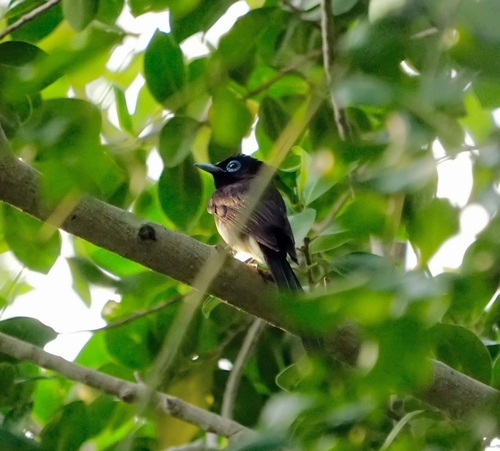
サンコウチョウ (Terpsiphone atrocaudata) サンコウチョウ
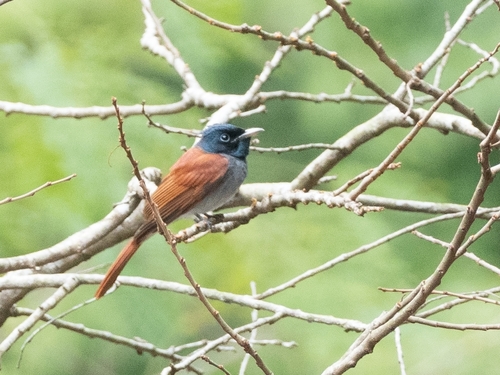
アムールサンコウチョウ (Terpsiphone incei) アムールサンコウチョウ

メディア

読み込み中…

要点

ブラックサンコウチョウとアムールサンコウチョウを区別する最も信頼できるフィールドマークは、上面の色です:ブラックサンコウチョウのオスとメスは、豊かで無地の栗色の背中と翼を示しますが、アムールのオスは栗色または灰色がかった上面を持つことがありますが、ブラックほど深く無地ではありません。両者は長い尾と青いアイリングのある黒いフードを持っていますが、ブラックサンコウチョウはやや小さく、一部のアムールのオスに見られる白い形態がありません。メスと幼鳥は特に難しいですが、ブラックサンコウチョウの深い栗色のトーンと全体的に暗い外観が役立ちます。常に範囲と季節を考慮してくださいが、羽毛がフィールドでの区別の鍵です。

識別のコツ

  1. Upperparts color (all ages): ブラックサンコウチョウは、両性およびすべての年齢で深く無地の栗色の背中と翼を示します;アムールのオスは栗色(ただし、より淡く、飽和度が低い)または灰色がかった上面を持ち、メスは常に上面が淡いまたは灰色がかった栗色です。
  2. Gray morph (adult male Amur only): 灰色がかった上面と黒いフードを持つサンコウチョウを見たら、それはアムールです;ブラックサンコウチョウは上面に灰色を示しません。
  3. White morph (adult male Amur only): ブラックサンコウチョウは白い形態を持ちません;白い形態のサンコウチョウはアムールです(またはアジアサンコウチョウ、ここでは扱っていません)。
  4. Tail length (breeding males): 両者は繁殖期のオスで非常に長い尾を持つことがありますが、これは単独では信頼できる区別にはなりません。ブラックサンコウチョウの幼鳥のオスは尾が短く、両種のメスも同様です。
  5. Hood and chest (adult males): 両者は黒いフードを持っていますが、ブラックサンコウチョウは紫がかった青い光沢と黒っぽい灰色の胸を持ち、アムールは単に黒です。胸の色は微妙で、暗い光では見えないことがあります。
  6. Underparts: 両者は白またはオフホワイトの下部を持っていますが、ブラックサンコウチョウは特に一部の亜種でより汚れた外観や制限された白を持つことがあります。
  7. Eye-ring and bill: 両種は青いアイリングと青いくちばしを持っているため、これは有用な区別にはなりません。
  8. Female/immature confusion: 両種のメスと幼鳥は鈍いですが、ブラックサンコウチョウは常に上面がより暗く、豊かな栗色であり、アムールはより淡いまたは灰色がかっています。暗い光ではこれが難しい場合があるため、範囲と季節を補助的な手がかりとして使用してください。
  9. Size: ブラックサンコウチョウはやや小さく、よりコンパクトですが、これは鳥が並んでいない限り明らかではありません。
  10. Range and season: 日本と琉球諸島の繁殖期には、ブラックサンコウチョウが期待されます。中国北東部とロシア極東では、アムールが繁殖します。両者は東南アジアを通って移動するため、春と秋に重なる可能性があります。
  11. No distinctive juvenile wing pattern: 両種にはユニークな幼鳥または初冬の上翼パターンが記述されていないため、若い鳥の上面の色に注目してください。
  12. No strong behavioral or habitat differences: 両者は類似の森林生息地を利用し、類似の捕虫行動を示します。
  13. Subspecies variation (サンコウチョウ): 一部の亜種(例:illex、periophthalmica)はより小さく、より暗く、腹部の白が制限されていますが、依然として種の診断的な深い栗色の上面を示します。
  14. Migrant context: 東南アジアでの移動中、両種が一緒に発生することがあります。羽毛、特に上面の色を主な区別として使用してください。
  15. Pitfalls: 栗色がより暗くまたは淡く見える照明条件に注意してください。特にメスと幼鳥については、常に複数の特徴を確認してください。

大きさ

ブラックサンコウチョウはアムールサンコウチョウよりやや小さく、測定された平均体重は18.7gです [wikidata]。この違いは微妙で、特に両種が細長く長い尾を持つ鳥であるため、フィールドでは常に明らかではありません。両種のオスの尾の長さは繁殖期に際立って長くなることがありますが、ブラックサンコウチョウは全体的によりコンパクトに見える傾向があります。サイズだけでは、並んで見ない限り診断的であることは稀です。

羽色

成鳥のブラックサンコウチョウのオスは、紫がかった青い光沢のある黒いフード、黒っぽい灰色の胸、オフホワイトの下部、そして豊かで無地の暗い栗色の背中、翼、尾を持っています。彼らの非常に長い黒い中央尾羽は繁殖期のオスの重要な特徴ですが、幼鳥では短くなります。メスは似ていますが鈍く、より暗い栗色の部分を持っています。アムールサンコウチョウの成鳥のオスは常に黒いフード、白い下部、青いアイリング、小さな冠を持っていますが、上面は栗色または灰色がかっています。アムールの栗色の形態はブラックサンコウチョウよりも淡く、飽和度が低く、灰色の形態はアムールに特有です。ブラックサンコウチョウには白い形態がないため、白いアムールのオスとの混同を排除するのに役立ちます。幼鳥とメスの鳥は、上面の栗色の深さと均一性によって最もよく区別されます:ブラックサンコウチョウは常により深く無地であり、アムールはより淡いまたは灰色がかっています。どちらの種にも独特の幼鳥または初冬の上翼パターンは記述されていないため、全体的な色合いに注目してください。

行動

両種は活動的で敏捷な捕虫鳥であり、しばしば中層から上層の樹冠の止まり木から昆虫を捕まえます。彼らの飛行は優雅でやや波打つようで、長い尾が後ろに引きずられます。両種のオスは求愛や領土の飛行中に長い尾を見せます。フィールドでの両者の間に強い行動の違いは観察されていません。

生息環境

ブラックサンコウチョウは日本、韓国、台湾、フィリピン北部の成熟した広葉樹林で繁殖し、東南アジアを通って移動します。アムールサンコウチョウは中国北部とロシア極東でさらに北で繁殖し、東南アジアで越冬します。両種は移動中および冬に類似の森林生息地を利用するため、範囲が重なる場所では生息地だけでは信頼できる区別にはなりません。しかし、ブラックサンコウチョウは日本と琉球諸島でより見られる可能性が高く、アムールは中国北東部とロシアでより見られる可能性が高いです。

より良い説明を送る

比較と同じ項目を使ってください。文章はすぐに公開されます。

The most reliable field mark to separate Black Paradise-Flycatcher from Amur Paradise-Flycatcher is the color of the upperparts: Black Paradise-Flycatcher males and females show a rich, plain chestnut back and wings, while Amur males can have either chestnut or grayish upperparts, but never as deep or plain as Black. Both have long tails and black hoods with blue eye-rings, but Black Paradise-Flycatcher is slightly smaller and lacks the white morph seen in some Amur males. Females and immatures are especially tricky, but the deeper chestnut tones and overall darker appearance of Black Paradise-Flycatcher are helpful. Always consider range and season, but plumage is key for field separation.

  1. Upperparts color (all ages): Black Paradise-Flycatcher shows a deep, plain chestnut back and wings in both sexes and all ages; Amur males can be chestnut (but paler and less saturated) or grayish, and females are always paler or grayish-chestnut above.
  2. Gray morph (adult male Amur only): If you see a paradise-flycatcher with grayish upperparts and a black hood, it's Amur; Black Paradise-Flycatcher never shows gray above.
  3. White morph (adult male Amur only): Black Paradise-Flycatcher never has a white morph; any white-morph paradise-flycatcher is Amur (or Asian Paradise-Flycatcher, not covered here).
  4. Tail length (breeding males): Both can have extremely long tails in breeding males, but this is not a reliable separator on its own. Immature males of Black Paradise-Flycatcher have shorter tails, as do females of both species.
  5. Hood and chest (adult males): Both have black hoods, but Black Paradise-Flycatcher has a purplish-blue gloss and blackish-grey chest, while Amur is simply black. The chest color is subtle and may not be visible in poor light.
  6. Underparts: Both have white or off-white underparts, but Black Paradise-Flycatcher may appear dingier or with more restricted white, especially in some subspecies.
  7. Eye-ring and bill: Both species have blue eye-rings and blue bills, so this is not a useful separator.
  8. Female/immature confusion: Females and immatures of both species are duller, but Black Paradise-Flycatcher is always darker and richer chestnut above, while Amur is paler or grayish. In poor light, this can be difficult, so use range and season as supporting clues.
  9. Size: Black Paradise-Flycatcher is slightly smaller and more compact, but this is rarely obvious unless birds are side by side.
  10. Range and season: In Japan and the Ryukyus during the breeding season, Black Paradise-Flycatcher is expected. In northeast China and the Russian Far East, Amur is the breeder. Both migrate through Southeast Asia, so overlap is possible in spring and fall.
  11. No distinctive juvenile wing pattern: Neither species has a unique juvenile or first-winter upperwing pattern described, so focus on upperparts color for young birds.
  12. No strong behavioral or habitat differences: Both use similar forest habitats and show similar flycatching behavior.
  13. Subspecies variation (Black Paradise-Flycatcher): Some subspecies (e.g., illex, periophthalmica) are smaller and darker, with more restricted white on the belly, but still show the deep chestnut upperparts diagnostic of the species.
  14. Migrant context: During migration in Southeast Asia, both species can occur together. Use plumage, especially upperparts color, as the primary separator.
  15. Pitfalls: Beware of lighting conditions that can make chestnut appear darker or paler. Always check multiple features, especially for females and immatures.

Black Paradise-Flycatcher is slightly smaller than Amur Paradise-Flycatcher, with a measured average body mass of 18.7g [wikidata]. This difference is subtle and not always apparent in the field, especially as both species are slender, long-tailed birds. Tail length in males of both species can be strikingly long during the breeding season, but Black Paradise-Flycatcher tends to look more compact overall. Size alone is rarely diagnostic unless seen side by side.

For adults, Black Paradise-Flycatcher males have a glossy black hood with a purplish-blue gloss, blackish-grey chest, off-white underparts, and a mantle, back, wings, and rump that are a rich, plain dark chestnut. Their extremely long black central tail feathers are a key feature in breeding males, but shorter in immatures. Females are similar but duller, with darker brown chestnut areas. Amur Paradise-Flycatcher adult males always have black hoods, white underparts, blue eye-rings, and small crests, but their upperparts can be either chestnut or grayish. The chestnut morph of Amur is paler and less saturated than Black Paradise-Flycatcher, and the gray morph is unique to Amur. Both species lack a white morph in the Black Paradise-Flycatcher, which helps rule out confusion with white Amur males. Immature and female birds are best separated by the depth and uniformity of chestnut on the upperparts: Black Paradise-Flycatcher is always deeper and plainer, while Amur is paler or grayish. No distinctive juvenile or first-winter upperwing pattern is described for either species, so focus on overall coloration.

Both species are active, agile flycatchers, often sallying for insects from perches in the mid to upper canopy. Their flight is graceful and somewhat undulating, with long tails trailing behind. Males of both species display their long tails during courtship and territorial flights. There are no strong behavioral differences noted between the two in the field.

Black Paradise-Flycatcher breeds in mature broadleaf forests of Japan, Korea, Taiwan, and the northern Philippines, and migrates through Southeast Asia. Amur Paradise-Flycatcher breeds further north in China and the Russian Far East, also wintering in Southeast Asia. Both species use similar forested habitats during migration and winter, so habitat alone is not a reliable separator where ranges overlap. However, Black Paradise-Flycatcher is more likely in Japan and the Ryukyus, while Amur is more likely in northeast China and Russia.

変更を破棄しますか?

保存していない編集があります。今離れると失われます。

サンコウチョウ · アムールサンコウチョウ · 苦手な鳥