

Black Paradise-Flycatcher vs Amur Paradise-Flycatcher
Terpsiphone atrocaudata contro Terpsiphone incei
Fai un quiz con Black Paradise-Flycatcher e Amur Paradise-Flycatcher
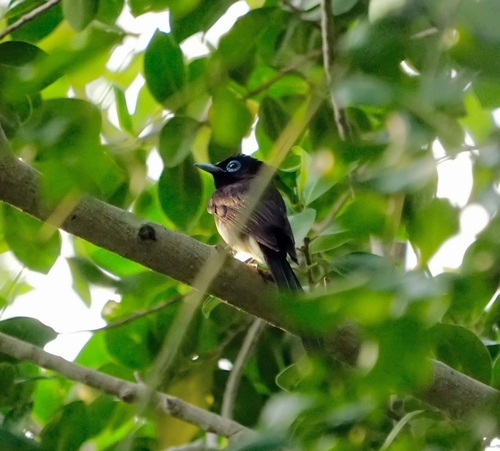 Black Paradise-Flycatcher
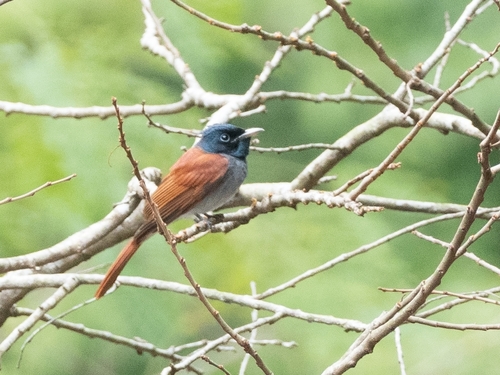 Amur Paradise-Flycatcher
In breve
Il segno di campo più affidabile per separare il Black Paradise-Flycatcher dall'Amur Paradise-Flycatcher è il colore delle parti superiori: i maschi e le femmine del Black Paradise-Flycatcher mostrano una schiena e ali castano ricco e uniforme, mentre i maschi dell'Amur possono avere parti superiori castano o grigio, ma mai così profonde o uniformi come il Black. Entrambi hanno lunghe code e cappucci neri con anelli oculari blu, ma il Black Paradise-Flycatcher è leggermente più piccolo e manca della morfologia bianca vista in alcuni maschi dell'Amur. Le femmine e gli immaturi sono particolarmente difficili, ma i toni castano più profondi e l'aspetto complessivamente più scuro del Black Paradise-Flycatcher sono utili. Considera sempre l'areale e la stagione, ma il piumaggio è fondamentale per la separazione sul campo.
Consigli di identificazione
- Colore delle parti superiori (tutte le età): Il Black Paradise-Flycatcher mostra una schiena e ali castano profondo e uniforme in entrambi i sessi e tutte le età; i maschi dell'Amur possono essere castano (ma più chiari e meno saturi) o grigi, e le femmine sono sempre più chiare o castano-grigio sopra.
- Morfologia grigia (solo maschio adulto Amur): Se vedi un paradise-flycatcher con parti superiori grigie e un cappuccio nero, è Amur; il Black Paradise-Flycatcher non mostra mai grigio sopra.
- Morfologia bianca (solo maschio adulto Amur): Il Black Paradise-Flycatcher non ha mai una morfologia bianca; qualsiasi paradise-flycatcher con morfologia bianca è Amur (o Asian Paradise-Flycatcher, non trattato qui).
- Lunghezza della coda (maschi in riproduzione): Entrambi possono avere code estremamente lunghe nei maschi in riproduzione, ma questo non è un separatore affidabile da solo. I maschi immaturi del Black Paradise-Flycatcher hanno code più corte, così come le femmine di entrambe le specie.
- Cappuccio e petto (maschi adulti): Entrambi hanno cappucci neri, ma il Black Paradise-Flycatcher ha una lucentezza blu-porpora e un petto grigio-nero, mentre l'Amur è semplicemente nero. Il colore del petto è sottile e potrebbe non essere visibile in scarsa illuminazione.
- Parti inferiori: Entrambi hanno parti inferiori bianche o bianco sporco, ma il Black Paradise-Flycatcher può apparire più sporco o con bianco più ristretto, specialmente in alcune sottospecie.
- Anello oculare e becco: Entrambe le specie hanno anelli oculari blu e becchi blu, quindi questo non è un separatore utile.
- Confusione femmina/immaturi: Le femmine e gli immaturi di entrambe le specie sono più opachi, ma il Black Paradise-Flycatcher è sempre più scuro e ricco di castano sopra, mentre l'Amur è più chiaro o grigio. In scarsa illuminazione, questo può essere difficile, quindi usa l'areale e la stagione come indizi di supporto.
- Dimensione: Il Black Paradise-Flycatcher è leggermente più piccolo e più compatto, ma questo è raramente ovvio a meno che gli uccelli non siano affiancati.
- Areale e stagione: In Giappone e nelle Ryukyu durante la stagione di riproduzione, ci si aspetta il Black Paradise-Flycatcher. Nel nord-est della Cina e nel Far East russo, l'Amur è il riproduttore. Entrambi migrano attraverso il Sud-est asiatico, quindi è possibile una sovrapposizione in primavera e autunno.
- Nessun modello distintivo di ali juvenile: Nessuna delle due specie ha un modello unico di ali juvenile o di primo inverno descritto, quindi concentrati sul colore delle parti superiori per i giovani uccelli.
- Nessuna forte differenza comportamentale o di habitat: Entrambi utilizzano habitat forestali simili e mostrano un comportamento simile di cattura degli insetti.
- Variazione delle sottospecie (Black Paradise-Flycatcher): Alcune sottospecie (ad es., illex, periophthalmica) sono più piccole e più scure, con bianco più ristretto sul ventre, ma mostrano comunque le parti superiori castano profondo diagnostiche della specie.
- Contesto migratorio: Durante la migrazione nel Sud-est asiatico, entrambe le specie possono verificarsi insieme. Usa il piumaggio, specialmente il colore delle parti superiori, come separatore principale.
- Trappole: Fai attenzione alle condizioni di illuminazione che possono far apparire il castano più scuro o più chiaro. Controlla sempre più caratteristiche, specialmente per femmine e immaturi.
Taglia
Il Black Paradise-Flycatcher è leggermente più piccolo dell'Amur Paradise-Flycatcher, con una massa corporea media misurata di 18,7g [wikidata]. Questa differenza è sottile e non sempre evidente sul campo, specialmente poiché entrambe le specie sono uccelli snelli e dalla lunga coda. La lunghezza della coda nei maschi di entrambe le specie può essere straordinariamente lunga durante la stagione di riproduzione, ma il Black Paradise-Flycatcher tende a sembrare più compatto nel complesso. La dimensione da sola è raramente diagnostica a meno che non siano visti affiancati.
Piumaggio
Per gli adulti, i maschi del Black Paradise-Flycatcher hanno un cappuccio nero lucido con una lucentezza blu-porpora, un petto grigio-nero, parti inferiori bianco sporco e un mantello, schiena, ali e coda che sono di un castano scuro ricco e uniforme. Le loro estremamente lunghe piume centrali della coda nere sono una caratteristica chiave nei maschi in riproduzione, ma più corte negli immaturi. Le femmine sono simili ma più opache, con aree castano più scure. I maschi adulti dell'Amur Paradise-Flycatcher hanno sempre cappucci neri, parti inferiori bianche, anelli oculari blu e piccole creste, ma le loro parti superiori possono essere castano o grigio. La morfologia castano dell'Amur è più chiara e meno satura rispetto al Black Paradise-Flycatcher, e la morfologia grigia è unica per l'Amur. Entrambe le specie mancano di una morfologia bianca nel Black Paradise-Flycatcher, il che aiuta a escludere la confusione con i maschi bianchi dell'Amur. Gli uccelli immaturi e femminili sono meglio separati dalla profondità e dall'uniformità del castano sulle parti superiori: il Black Paradise-Flycatcher è sempre più profondo e uniforme, mentre l'Amur è più chiaro o grigio. Nessun modello distintivo di ali juvenile o di primo inverno è descritto per entrambe le specie, quindi concentrati sulla colorazione complessiva.
Comportamento
Entrambe le specie sono attive, agili flycatchers, spesso in volo per catturare insetti da posatoi nella parte centrale e superiore della chioma. Il loro volo è grazioso e leggermente ondulato, con lunghe code che si trascinano dietro. I maschi di entrambe le specie mostrano le loro lunghe code durante il corteggiamento e i voli territoriali. Non ci sono forti differenze comportamentali notate tra i due sul campo.
Habitat
Il Black Paradise-Flycatcher nidifica in foreste mature a foglia larga in Giappone, Corea, Taiwan e nelle Filippine settentrionali, e migra attraverso il Sud-est asiatico. L'Amur Paradise-Flycatcher nidifica più a nord in Cina e nel Far East russo, svernando anche nel Sud-est asiatico. Entrambe le specie utilizzano habitat forestali simili durante la migrazione e l'inverno, quindi l'habitat da solo non è un separatore affidabile dove gli areali si sovrappongono. Tuttavia, il Black Paradise-Flycatcher è più probabile in Giappone e nelle Ryukyu, mentre l'Amur è più probabile nel nord-est della Cina e in Russia.
Black Paradise-Flycatcher · Amur Paradise-Flycatcher · I miei uccelli difficili