

Motmot

ズグロハシナガタイランチョウ 対 ヒラハシハエトリ

Todirostrum nigriceps 対 Tolmomyias sulphurescens

ズグロハシナガタイランチョウとヒラハシハエトリのクイズ
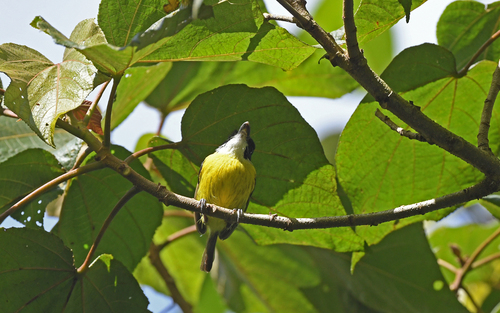
ズグロハシナガタイランチョウ (Todirostrum nigriceps) ズグロハシナガタイランチョウ
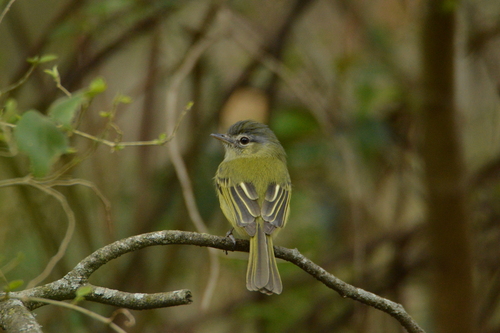
ヒラハシハエトリ (Tolmomyias sulphurescens) ヒラハシハエトリ

メディア

読み込み中…

要点

ブラックヘッドタイランチョウとヒラハシハエトリを区別するための最も信頼できるフィールドマークは、前者の目を引く光沢のある黒い頭と白い喉であり、明るい黄色の腹部と鋭く対比されている—これはヒラハシハエトリには決して見られない特徴です。対照的に、ヒラハシハエトリは常にオリーブ色または灰色がかった冠、細い白いアイリング、淡い緑がかったまたは灰色の喉を持ち、目立つ黒と白の頭のパターンが欠けています。幼鳥の羽色は微妙に異なりますが、依然として診断的です:若いタイランチョウは鈍い色合いですが、黒っぽい頭を保持し、アイリングはありません。一方、幼鳥のヒラハシハエトリは壊れたアイリングと淡い、対比の少ない顔を示します。構造も役立ちます:タイランチョウははるかに小さく、短い尾と比例的に大きく、まっすぐなくちばしを持ち、ヒラハシハエトリは大きく、広く平らなくちばしを持っています。両種は黄色の腹部と翼帯を示すことがありますので、信頼できる区別のためには頭のパターンとサイズに焦点を当ててください。

識別のコツ

  1. Head pattern is diagnostic: ブラックヘッドタイランチョウは常に光沢のある黒(または幼鳥では鈍い黒)の頭と後頭部を白い喉と共に示します;ヒラハシハエトリは黒い頭や白い喉を持たず—その冠はオリーブ色または灰色がかっており、喉は淡い緑がかったまたは灰色です。
  2. Eye-ring presence: ヒラハシハエトリは細い白いアイリングを持っています(幼鳥では壊れています);タイランチョウは全ての年齢でアイリングを欠いています。
  3. Bill shape and size: タイランチョウは短く、まっすぐで、比例的に大きな黒いくちばしを持っています;ヒラハシハエトリははるかに広く、平らなくちばしを持ち、淡い下顎を持っています—横から見たときの広く平らな形を探してください。
  4. Body size: タイランチョウは小さい(6.2 g、8–10 cm)、ヒラハシハエトリははるかに大きい(14–15 g、12.5–14 cm)—スケール感を得ると、これは強い手がかりです。
  5. Tail length and shape: タイランチョウは非常に短い黒い尾を持っています;ヒラハシハエトリの尾は長く、茶色がかったから暗い色で、タイランチョウの尾ほど短くも暗くもありません。
  6. Underpart color: 両種とも黄色の腹部を示すことがありますが、タイランチョウの腹部は明るい黄色で白い喉からはっきりと区別されます;ヒラハシハエトリの黄色は腹部と尾の下にあり、胸と喉はよりオリーブ色または灰色がかっています。
  7. Wingbars: 両種は2つの黄色がかった翼帯を持っていますが、タイランチョウのものはより明るく、特に成鳥ではよりはっきりと定義されています;ヒラハシハエトリのものはオリーブ色がかった黄色で、対比が少ないです。
  8. Juvenile differences: 若いタイランチョウは鈍い色合いですが、依然として暗い頭を持ち、アイリングはありません;幼鳥のヒラハシハエトリは壊れたアイリングと淡い腹部を持っていますが、決して暗い頭は持ちません。
  9. Iris color: タイランチョウは全ての年齢で暗い虹彩を持っています;ヒラハシハエトリの虹彩は変動しますが、成鳥ではしばしば淡い茶色から灰色で、幼鳥では暗いです—注意して使用してください。
  10. Leg color: タイランチョウは青灰色の脚を持っています;ヒラハシハエトリの脚は灰色です—微妙ですが、良い光の中で役立つかもしれません。
  11. Behavior: タイランチョウは非常に活発で、短い尾を振りながら素早く動きます;ヒラハシハエトリはより慎重に動き、長い間静かに止まります。
  12. Vocalizations: タイランチョウの高く、繰り返しの「ピープ」と「ジップ」のシリーズは特徴的です;ヒラハシハエトリの声はここでは説明されていないので、タイランチョウの鳴き声を肯定的な手がかりとして使用してください。
  13. Habitat context: 乾燥したまたはエッジの生息地にいる場合、ヒラハシハエトリの方が可能性が高いです;タイランチョウは湿った低地の森林の内部を好みます。
  14. Geographic range: コロンビア、コスタリカ、エクアドル、パナマ、またはベネズエラの外にいる場合、タイランチョウは可能性が低いです;ヒラハシハエトリはネオトロピクス全体に広く分布しています。
  15. Sex differences: 両種は性別的に単形であり—羽毛の違いは性に基づいていないため、性別を手がかりとして使用しないでください。

大きさ

ブラックヘッドタイランチョウは、長さ8–10.2 cm、質量約6.2 g [wikidata]で、ヒラハシハエトリの長さ12.5–14 cm、質量14.5–15.2 g [wikipedia]と比較して、かなり小さいです。フィールドでは、タイランチョウは小さくてコンパクトに見え、短い尾と大きな頭の印象を与えます。ヒラハシハエトリは明らかにずっしりとしており、長い体と重く広いくちばしを持っています。並んで見ると、ヒラハシハエトリは2倍以上の重さで、かなり長いです。

羽色

幼鳥と成鳥のブラックヘッドタイランチョウは常に黒(または幼鳥では鈍い黒)の頭と後頭部を示し、白い喉と明るい黄色の腹部を持っています。幼鳥は全体的に鈍い色合いで、ぼんやりとした黄色の喉とオリーブ色がかった翼帯を持っていますが、依然としてアイリングはありません。対照的に、ヒラハシハエトリの全ての年齢はオリーブ色または灰色がかった冠、細い白いアイリング(幼鳥では壊れています)、淡い緑がかったまたは灰色の喉を持っています。彼らの上面はオリーブグリーンで、腹部は黄色ですが、胸からはっきりと区別されていません。ヒラハシハエトリの翼帯はオリーブ色がかった黄色で、タイランチョウの明るい黄色の帯よりもはっきりと定義されていません。ヒラハシハエトリの亜種変異は冠と腹部の色調に影響を与えますが、決して黒い頭や白い喉を生じることはありません。ヒラハシハエトリの尾は茶色がかったから暗い色で、黒ではありません。目の色も役立ちます:タイランチョウは暗い虹彩を持っており、ヒラハシハエトリの虹彩は変動しますが、成鳥ではしばしば淡い茶色から灰色で、幼鳥では暗いです。

行動

ブラックヘッドタイランチョウは通常、非常に活発で落ち着きのない鳥として見られ、短い尾を振りながら低いから中程度の葉の間を素早く動きます。その小さなサイズとエネルギッシュな行動は、彼に「ハイパーアクティブな」印象を与えます。ヒラハシハエトリは大きいため、より慎重に動き、長い間静かに止まって虫を捕まえるために飛び出します。彼の広いくちばしは、葉や枝から獲物を拾うために使用されます。タイランチョウはしばしばペアや小さな群れで採餌しますが、ヒラハシハエトリはより孤独であったり、混合した群れで見られることが多いです。

生息環境

両種は低地および山麓の森林に生息していますが、ブラックヘッドタイランチョウは中央および南アメリカ北部の湿った亜熱帯または熱帯の湿った低地森林により制限されています(コロンビア、コスタリカ、エクアドル、パナマ、ベネズエラ)[wikipedia]。ヒラハシハエトリははるかに広範囲に分布し、メキシコから中央アメリカ全域、トリニダード、そしてチリを除く南アメリカのほぼ全域で見られます。ヒラハシハエトリは乾燥したまたはエッジの生息地、二次成長、そしてより広範囲の森林タイプで見られる可能性が高いです。タイランチョウの範囲外にいる場合、混乱は少なくなりますが、両種は中央アメリカおよび南アメリカ北部で重なることがあります。

声

ブラックヘッドタイランチョウの鳴き声は高音の「ピープ」の単一の音であり、その歌は5–8の高音の「ジップ」ノートの急速なシリーズで、最後に加速し、わずかに上昇します—しばしば昆虫のようで、頻繁に繰り返されます。ヒラハシハエトリの声はノートで説明されていないため、ここでは対比できません。フィールドでは、タイランチョウの高く、迅速で繰り返しの鳴き声がその存在を確認するのに役立つことがあります、特に鳥が隠れている場合。

より良い説明を送る

比較と同じ項目を使ってください。文章はすぐに公開されます。

The most reliable field mark to separate Black-headed Tody-Flycatcher from Yellow-olive Flatbill is the former's striking glossy black head and white throat, contrasting sharply with its bright yellow underparts—features never shown by any Yellow-olive Flatbill. In contrast, Yellow-olive Flatbill always has an olive or grayish crown, a thin white eye-ring, and a pale greenish or gray throat, lacking the bold black-and-white head pattern. Juvenile plumages are subtly different but still diagnostic: young Tody-Flycatchers are duller but retain the blackish head and lack any eye-ring, while juvenile Flatbills show a broken eye-ring and a paler, less contrasting face. Structure is also helpful: Tody-Flycatcher is much smaller, with a short tail and a proportionally large, straight bill, while Flatbill is larger and has a broad, flat bill. Both species can show yellow underparts and wingbars, so focus on head pattern and size for reliable separation.

  1. Head pattern is diagnostic: Black-headed Tody-Flycatcher always shows a glossy black (or dull black in juveniles) head and nape with a white throat; Yellow-olive Flatbill never has a black head or white throat—its crown is olive or grayish, and its throat is pale greenish or gray.
  2. Eye-ring presence: Yellow-olive Flatbill has a thin white eye-ring (broken in juveniles); Tody-Flycatcher lacks any eye-ring at all ages.
  3. Bill shape and size: Tody-Flycatcher has a short, straight, proportionally large black bill; Flatbill has a much broader, flatter bill with a pale lower mandible—look for the wide, flat shape in profile.
  4. Body size: Tody-Flycatcher is tiny (6.2 g, 8–10 cm), Flatbill is much larger (14–15 g, 12.5–14 cm)—if you get a sense of scale, this is a strong clue.
  5. Tail length and shape: Tody-Flycatcher has a very short, black tail; Flatbill's tail is longer, brownish to dusky, and never as short or as dark as the Tody-Flycatcher's.
  6. Underpart color: Both can show yellow underparts, but Tody-Flycatcher's are bright yellow and sharply set off from the white throat; Flatbill's yellow is on the belly and undertail, with the breast and throat more olive or grayish.
  7. Wingbars: Both species have two yellowish wingbars, but Tody-Flycatcher's are brighter and more sharply defined, especially in adults; Flatbill's are yellowish-olive and less contrasting.
  8. Juvenile differences: Young Tody-Flycatchers are duller but still have a dark head and lack any eye-ring; juvenile Flatbills have a broken eye-ring and paler underparts, but never a dark head.
  9. Iris color: Tody-Flycatcher has dark irises at all ages; Flatbill's iris is variable but often pale brown to gray in adults, dark in juveniles—use with caution.
  10. Leg color: Tody-Flycatcher has blueish-gray legs; Flatbill's legs are gray—subtle, but may help in good light.
  11. Behavior: Tody-Flycatcher is hyperactive, flicking its short tail and moving quickly; Flatbill is more deliberate and perches for longer.
  12. Vocalizations: Tody-Flycatcher's high, repetitive 'peep' and 'jyip' series are distinctive; Flatbill's voice is not described here, so use Tody-Flycatcher's calls as a positive clue.
  13. Habitat context: If in drier or edge habitats, Flatbill is more likely; Tody-Flycatcher prefers humid lowland forest interiors.
  14. Geographic range: If outside Colombia, Costa Rica, Ecuador, Panama, or Venezuela, Tody-Flycatcher is unlikely; Flatbill is widespread across the Neotropics.
  15. Sex differences: Both species are sexually monomorphic—plumage differences are not sex-based, so do not use sex as a clue.

Black-headed Tody-Flycatcher is significantly smaller, at 8–10.2 cm in length and about 6.2 g in mass [wikidata], compared to the Yellow-olive Flatbill's 12.5–14 cm length and 14.5–15.2 g mass [wikipedia]. In the field, Tody-Flycatcher appears tiny and compact, with a short tail and a large-headed look. Flatbill is noticeably bulkier, with a longer body and a heavier, broader bill. If seen side by side, the Flatbill is more than twice as heavy and substantially longer.

Juvenile and adult Black-headed Tody-Flycatchers always show a black (or dull black in juveniles) head and nape, with a white throat and bright yellow underparts. Juveniles are duller overall, with a vaguely yellow throat and more olive-tinged wingbars, but still lack any eye-ring. In contrast, all ages of Yellow-olive Flatbill have an olive or grayish crown, a thin white eye-ring (broken in juveniles), and a pale greenish or gray throat. Their upperparts are olive-green, and their underparts are yellow but less sharply demarcated from the breast. The Flatbill's wingbars are yellowish-olive and less sharply defined than the Tody-Flycatcher's bright yellow bars. Subspecific variation in Flatbill affects crown and underpart tones but never produces a black head or white throat. The Flatbill's tail is brownish to dusky, not black. Eye color is also useful: Tody-Flycatcher has dark irises, while Flatbill's iris is variable but often pale brown to gray in adults, dark in juveniles.

Black-headed Tody-Flycatcher is typically seen as a very active, restless bird, often flicking its short tail and making quick, darting movements through low to mid-level foliage. Its small size and energetic behavior give it a 'hyperactive' impression. Yellow-olive Flatbill, being larger, moves more deliberately, often perching quietly for longer periods and sallying out to catch insects. Its broader bill is used to glean prey from leaves and branches. Tody-Flycatcher often forages in pairs or small groups, while Flatbill is more often solitary or in mixed flocks.

Both species occur in lowland and foothill forests, but Black-headed Tody-Flycatcher is more restricted to humid, subtropical or tropical moist lowland forests in Central and northern South America (Colombia, Costa Rica, Ecuador, Panama, Venezuela) [wikipedia]. Yellow-olive Flatbill has a much broader range, found from Mexico through all of Central America, Trinidad, and nearly all of South America except Chile. Flatbill is more likely in drier or edge habitats, secondary growth, and a wider range of forest types. If you are outside the Tody-Flycatcher's range, the confusion is less likely, but both can overlap in Central America and northern South America.

Black-headed Tody-Flycatcher's call is a single high-pitched 'peep,' and its song is a rapid series of 5–8 high-pitched 'jyip' notes, accelerating and rising slightly at the end—often insect-like and repeated frequently. Yellow-olive Flatbill's voice is not described in the notes, so cannot be contrasted here. In the field, Tody-Flycatcher's high, quick, repetitive calls can help confirm its presence, especially if the bird is hidden.

変更を破棄しますか?

保存していない編集があります。今離れると失われます。

ズグロハシナガタイランチョウ · ヒラハシハエトリ · 苦手な鳥