

Black-headed Tody-Flycatcher vs Yellow-olive Flatbill
Todirostrum nigriceps contro Tolmomyias sulphurescens
Fai un quiz con Black-headed Tody-Flycatcher e Yellow-olive Flatbill
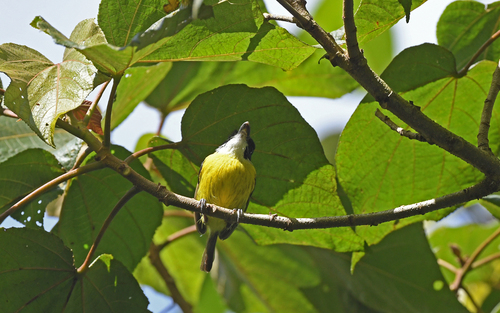 Black-headed Tody-Flycatcher
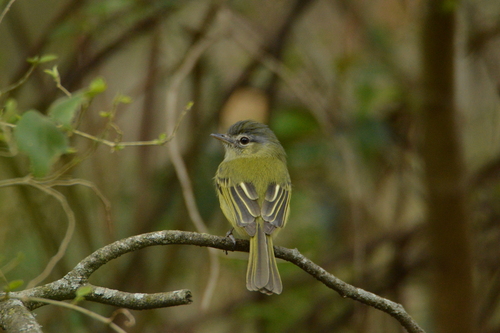 Yellow-olive Flatbill
In breve
Il segno distintivo più affidabile per separare il Black-headed Tody-Flycatcher dal Yellow-olive Flatbill è la testa nera lucida e la gola bianca del primo, che contrastano nettamente con il suo ventre giallo brillante—caratteristiche mai mostrate da alcun Yellow-olive Flatbill. Al contrario, il Yellow-olive Flatbill ha sempre una corona oliva o grigia, un sottile anello oculare bianco e una gola verde pallido o grigia, priva del bold black-and-white head pattern. Le piume giovanili sono sottilmente diverse ma comunque diagnostiche: i giovani Tody-Flycatchers sono più opachi ma mantengono la testa nerastra e non hanno alcun anello oculare, mentre i Flatbills giovanili mostrano un anello oculare spezzato e un viso più chiaro e meno contrastante. Anche la struttura è utile: il Tody-Flycatcher è molto più piccolo, con una coda corta e un becco dritto e proporzionalmente grande, mentre il Flatbill è più grande e ha un becco largo e piatto. Entrambe le specie possono mostrare ventre giallo e barre alari, quindi concentrati sul pattern della testa e sulla dimensione per una separazione affidabile.
Consigli di identificazione
- Il pattern della testa è diagnostico: Il Black-headed Tody-Flycatcher mostra sempre una testa e nuca nere lucide (o nere opache nei giovanili) con una gola bianca; il Yellow-olive Flatbill non ha mai una testa nera o una gola bianca—la sua corona è oliva o grigia, e la sua gola è verde pallido o grigia.
- Presenza dell'anello oculare: Il Yellow-olive Flatbill ha un sottile anello oculare bianco (spezzato nei giovanili); il Tody-Flycatcher non ha alcun anello oculare a qualsiasi età.
- Forma e dimensione del becco: Il Tody-Flycatcher ha un becco corto, dritto e proporzionalmente grande di colore nero; il Flatbill ha un becco molto più largo e piatto con una mandibola inferiore chiara—cerca la forma larga e piatta di profilo.
- Dimensione del corpo: Il Tody-Flycatcher è piccolo (6.2 g, 8–10 cm), il Flatbill è molto più grande (14–15 g, 12.5–14 cm)—se hai un'idea della scala, questo è un forte indizio.
- Lunghezza e forma della coda: Il Tody-Flycatcher ha una coda molto corta e nera; la coda del Flatbill è più lunga, marrone scuro e non è mai così corta o scura come quella del Tody-Flycatcher.
- Colore del ventre: Entrambi possono mostrare un ventre giallo, ma quello del Tody-Flycatcher è giallo brillante e nettamente distinto dalla gola bianca; il giallo del Flatbill è sul ventre e sull'undertail, con il petto e la gola più oliva o grigi.
- Barre alari: Entrambe le specie hanno due barre alari giallastre, ma quelle del Tody-Flycatcher sono più luminose e più nettamente definite, specialmente negli adulti; quelle del Flatbill sono giallo-olive e meno contrastanti.
- Differenze giovanili: I giovani Tody-Flycatchers sono più opachi ma hanno ancora una testa scura e non hanno alcun anello oculare; i giovanili Flatbills hanno un anello oculare spezzato e un ventre più chiaro, ma mai una testa scura.
- Colore dell'iride: Il Tody-Flycatcher ha iridi scure a tutte le età; l'iride del Flatbill è variabile ma spesso è marrone chiaro o grigia negli adulti, scura nei giovanili—usa con cautela.
- Colore delle gambe: Il Tody-Flycatcher ha gambe grigio-bluastre; le gambe del Flatbill sono grigie—sottile, ma può aiutare in buona luce.
- Comportamento: Il Tody-Flycatcher è iperattivo, muovendo rapidamente la sua coda corta e muovendosi velocemente; il Flatbill è più deliberato e si appollaia più a lungo.
- Vocalizzazioni: Le alte e ripetitive 'peep' e 'jyip' del Tody-Flycatcher sono distintive; la voce del Flatbill non è descritta qui, quindi usa i richiami del Tody-Flycatcher come un indizio positivo.
- Contesto dell'habitat: Se in habitat più secchi o di margine, il Flatbill è più probabile; il Tody-Flycatcher preferisce gli interni delle foreste umide di pianura.
- Gamma geografica: Se al di fuori di Colombia, Costa Rica, Ecuador, Panama o Venezuela, il Tody-Flycatcher è improbabile; il Flatbill è diffuso in tutto il Neotropico.
- Differenze sessuali: Entrambe le specie sono sessualmente monomorfiche—le differenze nel piumaggio non sono basate sul sesso, quindi non usare il sesso come indizio.
Taglia
Il Black-headed Tody-Flycatcher è significativamente più piccolo, con una lunghezza di 8–10.2 cm e un peso di circa 6.2 g [wikidata], rispetto alla lunghezza di 12.5–14 cm e al peso di 14.5–15.2 g del Yellow-olive Flatbill [wikipedia]. Sul campo, il Tody-Flycatcher appare minuscolo e compatto, con una coda corta e un aspetto di testa grande. Il Flatbill è notevolmente più robusto, con un corpo più lungo e un becco più pesante e largo. Se visti fianco a fianco, il Flatbill è più di due volte più pesante e sostanzialmente più lungo.
Piumaggio
I Black-headed Tody-Flycatchers giovanili e adulti mostrano sempre una testa e nuca nere (o nere opache nei giovanili), con una gola bianca e un ventre giallo brillante. I giovanili sono più opachi nel complesso, con una gola vagamente gialla e barre alari più olive, ma mancano comunque di un anello oculare. Al contrario, tutte le età del Yellow-olive Flatbill hanno una corona oliva o grigia, un sottile anello oculare bianco (spezzato nei giovanili) e una gola verde pallido o grigia. Le loro parti superiori sono verde oliva, e le loro parti inferiori sono gialle ma meno nettamente demarcate dal petto. Le barre alari del Flatbill sono giallo-olive e meno nettamente definite rispetto alle barre gialle brillanti del Tody-Flycatcher. La variazione subspecifica nel Flatbill influisce sui toni della corona e delle parti inferiori ma non produce mai una testa nera o una gola bianca. La coda del Flatbill è marrone scuro, non nera. Anche il colore degli occhi è utile: il Tody-Flycatcher ha iridi scure, mentre l'iride del Flatbill è variabile ma spesso è marrone chiaro o grigia negli adulti, scura nei giovanili.
Comportamento
Il Black-headed Tody-Flycatcher è tipicamente visto come un uccello molto attivo e irrequieto, spesso muovendo rapidamente la sua coda corta e facendo movimenti rapidi e repentini attraverso la vegetazione bassa a media altezza. La sua piccola dimensione e il comportamento energetico gli conferiscono un'impressione di 'iperattività'. Il Yellow-olive Flatbill, essendo più grande, si muove in modo più deliberato, spesso appollaiandosi silenziosamente per periodi più lunghi e lanciandosi per catturare insetti. Il suo becco più largo è usato per raccogliere prede da foglie e rami. Il Tody-Flycatcher spesso cerca cibo in coppie o piccoli gruppi, mentre il Flatbill è più spesso solitario o in stormi misti.
Habitat
Entrambe le specie si trovano in foreste di pianura e di collina, ma il Black-headed Tody-Flycatcher è più ristretto a foreste umide, subtropicali o tropicali di pianura in Centro e nel nord del Sud America (Colombia, Costa Rica, Ecuador, Panama, Venezuela) [wikipedia]. Il Yellow-olive Flatbill ha una gamma molto più ampia, trovato dal Messico attraverso tutta l'America Centrale, Trinidad e quasi tutto il Sud America tranne il Cile. Il Flatbill è più probabile in habitat più secchi o di margine, crescita secondaria e una gamma più ampia di tipi di foresta. Se sei al di fuori dell'area del Tody-Flycatcher, la confusione è meno probabile, ma entrambe possono sovrapporsi in Centro America e nel nord del Sud America.
Voce
Il richiamo del Black-headed Tody-Flycatcher è un singolo 'peep' acuto, e il suo canto è una rapida serie di 5–8 note 'jyip' acute, accelerando e salendo leggermente alla fine—spesso simile a un insetto e ripetuto frequentemente. La voce del Yellow-olive Flatbill non è descritta nelle note, quindi non può essere confrontata qui. Sul campo, i richiami alti, rapidi e ripetitivi del Tody-Flycatcher possono aiutare a confermare la sua presenza, specialmente se l'uccello è nascosto.
Black-headed Tody-Flycatcher · Yellow-olive Flatbill · I miei uccelli difficili