

Motmot

サザイカマドドリ 対 ノドジロエボシカマドドリ

Spartonoica maluroides 対 Pseudoseisura gutturalis

サザイカマドドリとノドジロエボシカマドドリのクイズ
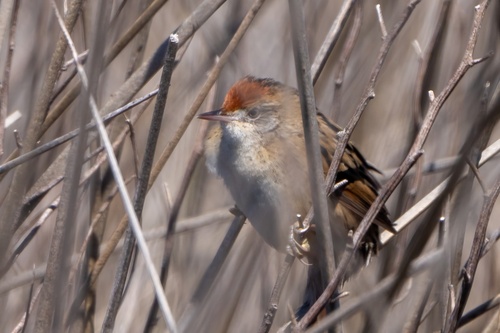
サザイカマドドリ (Spartonoica maluroides) サザイカマドドリ
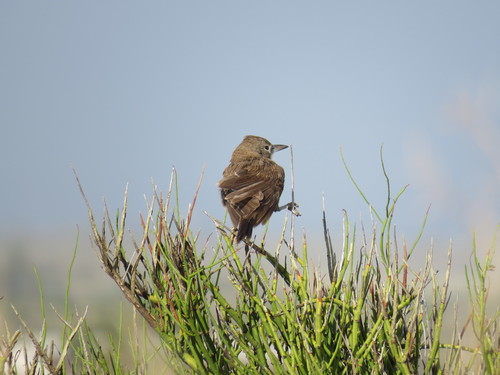
ノドジロエボシカマドドリ (Pseudoseisura gutturalis) ノドジロエボシカマドドリ

メディア

読み込み中…

要点

サザイカマドドリとノドジロエボシカマドドリを区別する最も信頼できる方法は、サイズと構造です:ノドジロエボシカマドドリは非常に大きくて頑丈で、目立つ冠と重いくちばしを持っていますが、サザイカマドドリは小さく、細身で、冠がありません。羽色では、サザイカマドドリは赤褐色の冠と首の後ろと上背に大胆な黒い筋を示し、ノドジロエボシカマドドリは均一な暗褐色の上面と目を引く白い喉を持っています。飛んでいる時や止まっている時に、ノドジロエボシカマドドリのサイズと頑丈な姿勢は明らかで、サザイカマドドリは繊細で、しばしば湿地の低い場所で見られます。生息地も役立ちます:ノドジロエボシカマドドリは乾燥した森林や低木を好み、サザイカマドドリは湿地に限定されています。

識別のコツ

  1. Size is the first check: ノドジロエボシカマドドリはサザイカマドドリの6倍以上の重さがあり、長さもほぼ2倍です。もしその鳥が大きく、頑丈で、重いくちばしを持っているなら、それはノドジロエボシカマドドリです;もし小さくて細身なら、それはサザイカマドドリです。
  2. Crested vs. uncrested: ノドジロエボシカマドドリは小さくて明らかな冠を持ち、止まっている時や時には飛んでいる時にも見えます。サザイカマドドリには冠がありません。
  3. Crown color: サザイカマドドリは特徴的な赤褐色の冠を示し、砂褐色の顔と大胆な白っぽい眉班と対照的です。ノドジロエボシカマドドリの冠は背中と同じ暗褐色で、赤褐色や強い対照はありません。
  4. Facial pattern: サザイカマドドリは白っぽい眉班と砂褐色の顔を持ち、ノドジロエボシカマドドリは白いアイリングとロアを持っていますが、他は暗褐色の顔です。
  5. Upperparts: サザイカマドドリの上面は砂色からオリーブ褐色で、首の後ろと上背に大胆な黒い筋があります—良い光の中でこれらの筋を探してください。ノドジロエボシカマドドリは均一な暗褐色の上面で、筋はありません。
  6. Wing and tail: サザイカマドドリの翼は褐色で、飛行羽の基部にシナモン色があり、尾は段階的で尖っており、中央の羽には黒が少しあります。ノドジロエボシカマドドリの翼と尾は暗い褐色で、明るい縁があり、尖っていない、より頑丈な尾です。
  7. Underparts: サザイカマドドリは下側が白っぽく、胸と側面にバフまたはシナモン色の洗いがかかっています。ノドジロエボシカマドドリは白いあごと喉を持ち、下喉は黒で縁取られ、他の下側は淡い褐色で、灰白色の羽先から霜のような外観を持っています。
  8. Juvenile confusion: 幼鳥のノドジロエボシカマドドリは下側にいくらかの淡い斑点や横縞を示すことがありますが、サザイカマドドリの大胆な筋や赤褐色の冠は決してありません。どちらの種にも特徴的な幼鳥の翼の模様はありません。
  9. Bill structure: ノドジロエボシカマドドリのくちばしは厚く、強く、重い—サザイカマドドリの細くてスレンダーなくちばしよりも明らかに大きいです。
  10. Leg color: サザイカマドドリは淡いタン色の足と足を持っています;ノドジロエボシカマドドリの足は灰色です。
  11. Behavior: サザイカマドドリは秘密主義で、湿地で低く食べ物を探し、めったに開けた場所に止まりません。ノドジロエボシカマドドリはより大胆で、乾燥した生息地の低木や木の上にしばしば止まります。
  12. Habitat: 湿地(サザイカマドドリ)対乾燥した森林と低木(ノドジロエボシカマドドリ)は強い区別です。もし湿地で小さな鳥を見たら、それはほぼ間違いなくサザイカマドドリです。
  13. Voice: もし長い昆虫のようなブンブン音が聞こえたら、それはおそらくサザイカマドドリです。ノドジロエボシカマドドリの声はここでは詳しく説明されていませんが、昆虫のようなブンブン音と混同されることはないでしょう。
  14. Geographic overlap: 両種はアルゼンチンに生息していますが、生息地の好みはめったに重なりません。常に文脈を考慮してください。
  15. Sexes similar: 両種は羽色が同じで、すべてのフィールドマークはオスとメスの両方に適用されます。

大きさ

ノドジロエボシカマドドリは劇的に大きく、約71gの重さで、長さは22〜23cmで、最大のフルナリードの一つです。それに対して、サザイカマドドリは小さく、軽量で、わずか11g、長さは13〜14.5cmです。このサイズの差は、フィールドでも明らかで、距離があってもわかります。ノドジロエボシカマドドリの体は頑丈で、厚いくちばしと強い足を持ち、サザイカマドドリは細身で繊細です。

羽色

行動

サザイカマドドリは通常、一人で食べ物を探している姿が見られ、湿地の草やセジの中を素早く動き、しばしば地面に近いところで見られます。その動きは素早く、マウスのようです。一方、ノドジロエボシカマドドリははるかに目立つ鳥で、乾燥した生息地の低木や小さな木の上にしばしば止まります。ペアや小さな群れで見られることがあり、その行動はサザイカマドドリよりも大胆で秘密主義ではありません。

生息環境

サザイカマドドリは厳密に湿地の専門家であり、南ブラジルからウルグアイを経て北アルゼンチンまでの淡水、塩水、または塩水の湿地の葦原やセジに生息しています。ノドジロエボシカマドドリはアルゼンチン特産で、乾燥した森林、低木、乾燥した生息地を好み、湿地を避けます。もし密な湿地の植生の中で小さくて活発な鳥を見つけたら、それはほぼ間違いなくサザイカマドドリです;乾燥した開けた土地にいる大きな冠を持つ鳥はノドジロエボシカマドドリです。

声

サザイカマドドリの主な歌は、バッタのようなブンブン音として説明され、長くて昆虫のようです。ここではノドジロエボシカマドドリの詳細な声の説明はありませんが、ノドジロエボシカマドドリの方が大きく、より大きく、より多様な呼び声を持つため、声で混同されることはないでしょう。

より良い説明を送る

比較と同じ項目を使ってください。文章はすぐに公開されます。

The most reliable way to separate Bay-capped Wren-Spinetail from White-throated Cacholote is by size and structure: the cacholote is vastly larger and bulkier, with a prominent crest and heavy bill, while the wren-spinetail is small, slim, and lacks a crest. In plumage, the wren-spinetail shows a rufous crown and bold black streaks on the nape and upper back, contrasted with the cacholote's uniform dark brownish-gray upperparts and striking white throat. In flight or perched, the cacholote's size and robust jizz are unmistakable, while the wren-spinetail is delicate and often seen low in marsh vegetation. Habitat also helps: cacholote favors dry woodlands and scrub, while wren-spinetail is restricted to marshes.

  1. Size is the first check: White-throated Cacholote is over six times heavier and nearly twice as long as Bay-capped Wren-Spinetail. If the bird appears large, robust, and heavy-billed, it's the cacholote; if it's small and slim, it's the wren-spinetail.
  2. Crested vs. uncrested: Cacholote has a small but obvious crest, visible both when perched and sometimes in flight. Wren-spinetail lacks any crest.
  3. Crown color: Wren-spinetail shows a distinctive rufous crown, contrasting with its sandy-brown face and bold whitish supercilium. Cacholote's crown is the same dark brownish-gray as its back, with no rufous or strong contrast.
  4. Facial pattern: Wren-spinetail has a whitish supercilium and sandy brown face; cacholote has a white eyering and lores but otherwise a dark brownish-gray face.
  5. Upperparts: Wren-spinetail's upperparts are sandy to olive-brown with bold black streaks on the nape and upper back—look for these streaks in good light. Cacholote is uniform dark brownish-gray above, lacking streaks.
  6. Wing and tail: Wren-spinetail's wings are brown with cinnamon at the base of the flight feathers, and the tail is graduated and pointed, with some black on the central feathers. Cacholote's wings and tail are dark fuscous gray, with paler edges and a less pointed, more robust tail.
  7. Underparts: Wren-spinetail is whitish below with a buff or cinnamon wash on the breast and flanks. Cacholote has a white chin and throat bordered by black at the lower throat, with the rest of the underparts pale brownish-gray and a frosty look from grayish-white feather tips.
  8. Juvenile confusion: Juvenile cacholotes may show some light mottling or barring below, but never the bold streaks or rufous crown of the wren-spinetail. There are no distinctive juvenile wing patterns in either species.
  9. Bill structure: Cacholote's bill is thick, strong, and heavy—noticeably larger than the fine, slender bill of the wren-spinetail.
  10. Leg color: Wren-spinetail has light tan legs and feet; cacholote's are gray.
  11. Behavior: Wren-spinetail is secretive, foraging low in marshes, rarely perching in the open. Cacholote is bolder, often perching atop shrubs or trees in dry habitats.
  12. Habitat: Marshes (wren-spinetail) vs. dry woodlands and scrub (cacholote) is a strong separator. If you see a small bird in a marsh, it's almost never a cacholote.
  13. Voice: If you hear a long, insect-like buzz, it's likely the wren-spinetail. Cacholote's vocalizations are not described here, but are unlikely to be confused with an insect-like buzz.
  14. Geographic overlap: Both species occur in Argentina, but their habitat preferences rarely overlap. Always consider context.
  15. Sexes similar: Both species have sexes alike in plumage, so all field marks apply to both males and females.

White-throated Cacholote is dramatically larger, weighing about 71 g and measuring 22–23 cm in length, making it one of the largest furnariids. In contrast, Bay-capped Wren-Spinetail is a small, lightweight bird at only 11 g and 13–14.5 cm long. This size gap is obvious in the field, even at a distance. The cacholote's body is robust, with a thick bill and strong legs, while the wren-spinetail is slim and delicate.

  • Juvenile/immature upperwing pattern: No distinctive age-specific upperwing or flight pattern is described for either species; both lack bold panels or contrasting edges that would stand out in flight at any age.
  • Adult plumage: Bay-capped Wren-Spinetail has a rufous crown, bold black streaks on the nape and upper back, sandy brown to olive-brown upperparts, and a whitish supercilium. Its wings are brown with cinnamon at the base of the flight feathers, and the tail is graduated and pointed. Underparts are whitish with buff or cinnamon on the breast and flanks. In contrast, White-throated Cacholote is uniform dark brownish-gray above, with a small crest, white eyering, and a striking white chin and throat bordered by black at the lower throat. The cacholote's underparts are paler brownish-gray with frosty grayish-white feather tips, and the tail is dark fuscous gray with paler edges. Juvenile cacholotes may show some light mottling or barring below, but not enough to resemble the wren-spinetail's pattern.

Bay-capped Wren-Spinetail is typically seen foraging alone, moving nimbly through dense marsh grasses and sedges, often low to the ground. Its movements are quick and mouse-like. White-throated Cacholote, on the other hand, is a much more conspicuous bird, often perching in the open atop shrubs or small trees in dry habitats. It may be seen in pairs or small groups, and its behavior is bolder and less secretive than the wren-spinetail.

Bay-capped Wren-Spinetail is strictly a marsh specialist, found in reedbeds and sedges in freshwater, brackish, or saltwater marshes from southern Brazil through Uruguay to northern Argentina. White-throated Cacholote is endemic to Argentina and prefers dry woodlands, scrub, and arid habitats, avoiding marshes. If you find a small, active bird in dense marsh vegetation, it's almost certainly a wren-spinetail; a large, crested bird in dry, open country is the cacholote.

The wren-spinetail's primary song is described as a grasshopper-like buzz, long and insect-like. There is no detailed vocal description for the cacholote here, but the two are unlikely to be confused by voice given the cacholote's larger size and likely louder, more varied calls typical of the genus.

変更を破棄しますか?

保存していない編集があります。今離れると失われます。

サザイカマドドリ · ノドジロエボシカマドドリ · 苦手な鳥