

Motmot

オビオヒゲハチドリ 対 ハシナガユミハチドリ

Threnetes ruckeri 対 Phaethornis longirostris

オビオヒゲハチドリとハシナガユミハチドリのクイズ
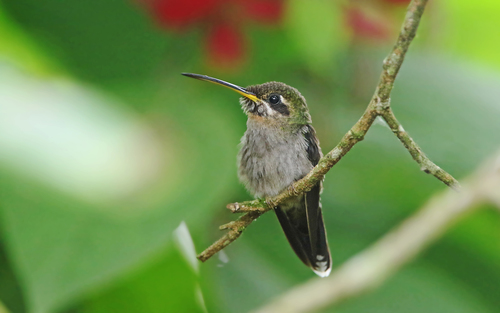
オビオヒゲハチドリ (Threnetes ruckeri) オビオヒゲハチドリ
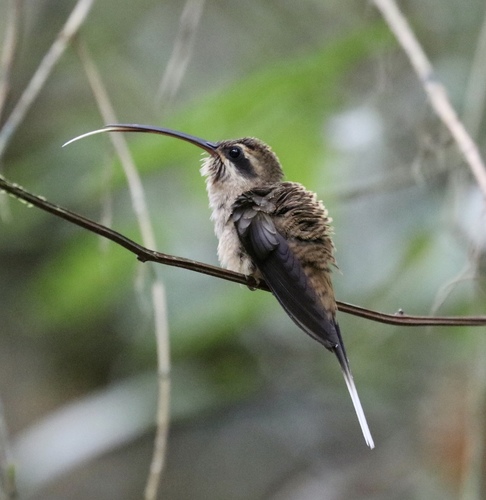
ハシナガユミハチドリ (Phaethornis longirostris) ハシナガユミハチドリ

メディア

読み込み中…

要点

バンドテールバーブスロートとハシナガユミハチドリを区別する最も信頼できるフィールドマークは尾です:バンドテールバーブスロートは、先端に明確な黒い「バンド」を形成する太い白い基部と先端を持つ暗い尾を示しますが、ハシナガユミハチドリは目立つ白い先端を持つ長い中央尾羽を持っていますが、バンド効果はありません。くちばしの形状も重要です:バンドテールバーブスロートはほぼ真っ直ぐなくちばしを持ち(雌ではわずかに下向き)、一方、ハシナガユミハチドリははるかに長く、強く下向きのくちばしを持っています。止まっているときや飛行中の姿勢では、バーブスロートのオクラ色の喉の斑点と、ハシナガユミハチドリの長く垂れ下がった尾、全体的に細長い印象を対比してください。両種は同様の生息地でトラップラインフィーダーですが、彼らの構造と尾のパターンが最も一貫したフィールドの手がかりです。

識別のコツ

  1. Tail pattern (all ages): バンドテールバーブスロートは常に太い白い基部と先端を持つ暗い尾を示し、先端付近に鋭い黒い「バンド」を形成します—止まっている姿勢と広げた尾での飛行姿勢の両方でこれを探してください。ハシナガユミハチドリはこのバンドが欠けており、代わりに大きな白い先端を持つ長い中央尾羽を持ち、尾の他の部分とのコントラストが少ないです。
  2. Tail shape and length: ハシナガユミハチドリは非常に長く、垂れ下がった中央尾羽を持ち、尾の他の部分を大きく超えて伸びており、特に止まっているときやディスプレイ中に「パドル」または「ストリーマー」のように見えます。バンドテールバーブスロートの尾は短く、より四角く、長い中央羽が欠けています。
  3. Bill shape: バンドテールバーブスロートはほぼ真っ直ぐなくちばしを持ち(雌ではわずかに下向き)、一方、ハシナガユミハチドリのくちばしははるかに長く、強く下向きで、頭に対して比率的に大きく見えることがよくあります。これはフィールドで最も信頼できる構造的な違いの一つです。
  4. Throat patch: バンドテールバーブスロートはオクラ色からオレンジ色の喉の斑点を示し(亜種によって異なる)、それが灰色がかった腹部と対照的です。ハシナガユミハチドリは明確な喉の斑点が欠けており、その腹部は茶色がかった灰色で、時にはオクラ色の洗いがかかりますが、決して明確に定義された斑点はありません。
  5. Ear patch and malar stripe: バンドテールバーブスロートは暗い耳の斑点と薄暗いマラーストライプを持ち、顔のコントラストを加えます。ハシナガユミハチドリはこれらの特徴が欠けており、より均一な顔をしています。
  6. Upperparts: 両者は緑がかった色ですが、バーブスロートはよりブロンズグリーンであり、ハシナガユミハチドリは亜種によっては鈍いまたは金属的な緑に見えることがあります。
  7. Juvenile marks: 若いバーブスロートはオクラ色の羽の縁を持っていますが、バンドテールの尾を保持しています;ハシナガユミハチドリの幼鳥は区別を助ける独特のマークを示しません。
  8. Size and jizz: ハシナガユミハチドリは長く、細長い印象を持ち、くちばしと尾のために伸びた外観をしています。バーブスロートはよりコンパクトで比例が取れています。
  9. Perched posture: ハシナガユミハチドリはしばしば長い尾を目立たせて止まりますが、バーブスロートの尾は短く、あまり目立ちません。
  10. Flight style: 両者は敏捷ですが、ハシナガユミハチドリの長い尾とくちばしは、バーブスロートのより整然とした、より直接的な飛行に比べて、飛行をより不器用で「引きずられた」ように見せます。
  11. Vocalizations: バーブスロートの速く、複雑なフレーズをトリルで聞いてください(特に太平洋コスタリカで)対して、ハシナガユミハチドリの単調で上昇する「スウィープ」または「チー」シリーズを聞いてください。呼び声も独特です:ハシナガユミハチドリの鋭い「ウィーク!」または細い「シープ」はバーブスロートの歌とは異なります。
  12. Lekking behavior: 尾を振りながら攻撃的なくちばしを使ってグループでディスプレイしているオスを見たら、それはハシナガユミハチドリです;バーブスロートはレックを行いません。
  13. Habitat overlap: 両者は同じ生息地と標高に出現する可能性があるため、文脈だけに頼らないでください。
  14. Sex differences: 両性は羽毛が似ていますが、雌のバーブスロートはわずかに下向きのくちばしを持っています;雌のハシナガユミハチドリは雄のハシナガユミハチドリよりも短く、より曲がったくちばしを持っていますが、両性は長く下向きの形状を示します。
  15. Subspecies variation: バーブスロートの喉の斑点はT. r. ventosusで最大かつ最も明るいオレンジ色です;ハシナガユミハチドリの亜種は腹部の色と尾の長さが異なりますが、バーブスロートのバンド尾を発達させるものはありません。

大きさ

ハシナガユミハチドリはバンドテールバーブスロート(10–11 cm)と比較して、全体的に著しく大きく長い(13–16 cm)です。それにもかかわらず、彼らの質量は重なります(バーブスロート:5–7 g;ハシナガユミハチドリ:4–7.5 g)が、ハシナガユミハチドリのより大きな長さは主にその長くなったくちばしと特に長い中央尾羽によるものです。フィールドでは、ハシナガユミハチドリは細長く、より伸びた印象を持ち、バーブスロートはよりコンパクトで比例が取れています。

羽色

すべての亜種の若いおよび成鳥のバンドテールバーブスロートは、太い白い基部と先端を持つ暗い尾を示し、先端付近に鋭い黒いバンドを形成します—これは止まっている姿勢と広げた尾での飛行姿勢の両方で見ることができます。若い鳥はオクラ色の羽の縁を持っていますが、バンド尾のパターンを保持しています。喉の斑点は亜種によって異なりますが、常にオクラ色からオレンジ色で、灰色がかった腹部と対照的です。対照的に、ハシナガユミハチドリ(すべての年齢)は大きな白い先端を持つ長い中央尾羽を持っていますが、バンド効果は欠けており、尾の他の部分はコントラストが少なく、上尾覆いには暗いおよびオクラ色のバンドがあります。ハシナガユミハチドリの腹部は茶色がかった灰色で、時には南部の鳥でオクラ色の洗いがかかりますが、バーブスロートの喉の斑点ほど明確にマークされることはありません。両種は緑がかった上面を持っていますが、バーブスロートだけが明確な暗い耳の斑点とマラーストライプを示します。

行動

両種は典型的な「トラップライン」フィーダーであり、花の回路を通って蜜や小さな節足動物を探し回ります。しかし、ハシナガユミハチドリのオスは繁殖期にレックに集まり、そこで歌い、長い尾をディスプレイしますが、これはバンドテールバーブスロートには記載されていない行動です。両者は垂れ下がった葉の下に巣を作りますが、ハシナガユミハチドリだけがオスの間で共同レッキングと攻撃的なくちばしの使用が記録されています。

生息環境

両種は湿った森林の下層部やエッジ、古い二次成長、半開放的な地域に生息し、しばしば同様の標高(バーブスロートの場合は海面から約1,200 m、ハシナガユミハチドリの場合は地域によって1,500 m以上)に生息します。彼らの分布は中米とコロンビア/エクアドルの西部で重なっているため、生息地だけでは診断できません。ハシナガユミハチドリは、雲霧林やギャラリーフォレストを含むやや広範な森林タイプで見られることがあります。

声

バンドテールバーブスロートは5–10音の速く、高音のフレーズを与え、間にポーズを挟んで繰り返します(例:'tzi-tzi-tsee-ee-tsi-tzi-tzi')、コスタリカの太平洋斜面の鳥はトリルを追加します。ハシナガユミハチドリは、単一の鋭い、上昇する「スウィープ」音の連続シリーズを歌い、ある地域ではスズメのような「チー..チー..チー..」のチッピングを行います。ハシナガユミハチドリの呼び声は鋭く爆発的で(「ウィーク!」または細い「シープ」)、しばしば飛行中に発せられます。バーブスロートの歌はより複雑で変動がありますが、ハシナガユミハチドリの歌はより単調で鋭いです。

より良い説明を送る

比較と同じ項目を使ってください。文章はすぐに公開されます。

The most reliable field mark to separate Band-tailed Barbthroat from Long-billed Hermit is the tail: Band-tailed Barbthroat shows a dark tail with bold white bases and tips forming a distinct black 'band' near the end, while Long-billed Hermit has long central tail feathers with prominent white tips but lacks the banded effect. Bill shape is also key: Band-tailed Barbthroat has a nearly straight bill (slightly decurved in females), whereas Long-billed Hermit sports a much longer, strongly decurved bill. In perched or flight views, note the Barbthroat's ochraceous throat patch and more compact, straight-billed look versus the Hermit's long, drooping tail and overall lankier jizz. Both species are trap-line feeders in similar habitats, but their structure and tail patterns are the most consistent field clues.

  1. Tail pattern (all ages): Band-tailed Barbthroat always shows a dark tail with bold white bases and tips, forming a sharp black 'band' near the end—look for this in both perched and spread-tail flight views. Long-billed Hermit lacks this band; instead, it has long central tail feathers with large white tips and less contrast on the rest of the tail.
  2. Tail shape and length: Long-billed Hermit has very long, drooping central tail feathers that extend well beyond the rest of the tail, giving a 'paddle' or 'streamer' look, especially obvious when perched or displaying. Band-tailed Barbthroat's tail is shorter, more squared, and lacks elongated central feathers.
  3. Bill shape: Band-tailed Barbthroat has a nearly straight bill (slightly more decurved in females), while Long-billed Hermit's bill is much longer and strongly decurved, often appearing proportionally oversized for the head. This is one of the most reliable structural differences in the field.
  4. Throat patch: Band-tailed Barbthroat shows an ochraceous to orange throat patch (varies by subspecies), which stands out against otherwise grayish underparts. Long-billed Hermit lacks a discrete throat patch; its underparts are brownish to grayish, sometimes with an ochraceous wash but never a sharply defined patch.
  5. Ear patch and malar stripe: Band-tailed Barbthroat has a dark ear patch and a dusky malar stripe, adding facial contrast. Long-billed Hermit lacks these features, with a more uniform face.
  6. Upperparts: Both are greenish, but the Barbthroat is more bronze-green, while the Hermit can appear duller or more metallic green depending on subspecies.
  7. Juvenile marks: Young Barbthroats have ochraceous feather edges but retain the banded tail; Hermit juveniles do not show unique marks that aid separation.
  8. Size and jizz: Long-billed Hermit is longer and lankier, with a stretched look due to its bill and tail. Barbthroat is more compact and proportionate.
  9. Perched posture: Hermit often perches with its long tail drooping conspicuously below the perch; Barbthroat's tail is shorter and less obvious.
  10. Flight style: Both are agile, but Hermit's long tail and bill make its flight appear more ungainly and 'dragged out' compared to the Barbthroat's neater, more direct flight.
  11. Vocalizations: Listen for the Barbthroat's fast, complex phrases with trills (especially in Pacific Costa Rica) versus the Hermit's monotonous, upslurred 'sweeup' or 'tchee' series. Calls are also distinctive: Hermit's sharp 'week!' or thin 'seep' is unlike Barbthroat's song.
  12. Lekking behavior: If you see males displaying in a group with tail-wiggling and aggressive bill use, it's the Hermit; Barbthroat does not lek.
  13. Habitat overlap: Both can occur in the same habitats and elevations, so do not rely on context alone.
  14. Sex differences: Both sexes are similar in plumage, but female Barbthroat has a slightly more decurved bill; female Hermit has a shorter, more curved bill than male Hermit, but both sexes show the long, decurved shape.
  15. Subspecies variation: Barbthroat's throat patch is largest and brightest orange in T. r. ventosus; Hermit subspecies vary in underpart color and tail length, but none develop the Barbthroat's banded tail.

Long-billed Hermit is notably larger and longer overall (13–16 cm) compared to the Band-tailed Barbthroat (10–11 cm). Despite this, their masses overlap (Barbthroat: 5–7 g; Hermit: 4–7.5 g), but the Hermit's greater length is mostly due to its elongated bill and especially its long central tail feathers. In the field, the Hermit appears lankier and more stretched, while the Barbthroat is more compact and proportionate.

Juvenile and adult Band-tailed Barbthroats of all subspecies show a dark tail with broad white bases and tips, creating a sharp black band near the end—this is visible in both perched and spread-tail flight views. Young birds have ochraceous feather edges but retain the banded tail pattern. The throat patch varies by subspecies but is always ochraceous to orange and contrasts with the grayish underparts. In contrast, Long-billed Hermit (all ages) has long central tail feathers with large white tips but lacks a banded effect; the rest of the tail is less contrasting, and the uppertail coverts have dark and ochre bands. The Hermit's underparts are brownish to grayish, sometimes ochraceous in southern birds, but never as sharply marked as the Barbthroat's throat patch. Both species have greenish upperparts, but only the Barbthroat shows a distinct dark ear patch and malar stripe.

Both species are classic 'trap-line' feeders, moving through circuits of flowers for nectar and small arthropods. However, Long-billed Hermit males gather in leks during the breeding season, where they sing and display their long tails, a behavior not described for Band-tailed Barbthroat. Both nest under drooping leaves, but only the Hermit is noted for communal lekking and aggressive bill use among males.

Both species inhabit the understory and edges of humid forests, old second growth, and semi-open areas, often at similar elevations (sea level up to ~1,200 m for Barbthroat, up to 1,500 m or more for Hermit depending on region). Their ranges overlap in Central America and western Colombia/Ecuador, so habitat alone is not diagnostic. The Hermit may be found in a slightly broader range of forest types, including cloud and gallery forests.

Band-tailed Barbthroat gives a fast, high-pitched phrase of 5–10 notes, repeated with pauses (e.g., 'tzi-tzi-tsee-ee-tsi-tzi-tzi'), with Pacific slope birds in Costa Rica adding trills. Long-billed Hermit sings a continuous series of single, piercing, upslurred 'sweeup' notes, or, in some regions, sparrow-like 'tchee..tchee..tchee..' chipping. The Hermit's calls are sharp and explosive ('week!' or thin 'seep'), often given in flight. Barbthroat's song is more complex and variable, while Hermit's is more monotonous and piercing.

変更を破棄しますか?

保存していない編集があります。今離れると失われます。

オビオヒゲハチドリ · ハシナガユミハチドリ · 苦手な鳥