

Motmot

ナンベイヒメクイナ 対 コンゴウモリクイナ

Mustelirallus albicollis 対 Aramides cajaneus

ナンベイヒメクイナとコンゴウモリクイナのクイズ
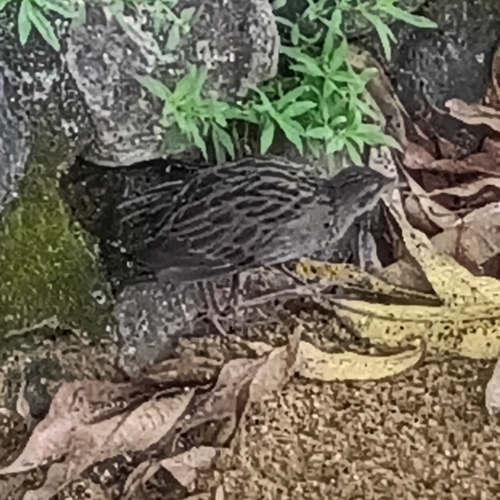
ナンベイヒメクイナ (Mustelirallus albicollis) ナンベイヒメクイナ
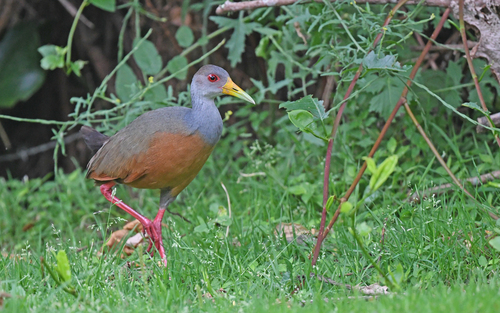
コンゴウモリクイナ (Aramides cajaneus) コンゴウモリクイナ

メディア

読み込み中…

要点

ナンベイヒメクイナとコンゴウモリクイナを区別する最も信頼できるフィールドマークはサイズです:コンゴウモリクイナは劇的に大きく、重く、体格ががっしりしていて脚が長いです。すべての羽色において、ナンベイヒメクイナは淡い灰色の喉と胸、黒い上面に茶色の羽の縁、そして側面と尾の下部に特徴的な白黒の縞模様を示します。それに対して、コンゴウモリクイナは上面がオリーブブラウンで、中灰色の頭と首、赤褐色の胸と側面、そして黒い腹と尾を持っています。くちばしと脚の色も異なります:ナンベイヒメクイナは短い緑がかったくちばしと紫褐色の脚を持ち、コンゴウモリクイナは明るい緑がかった黄色のくちばしとサンゴ赤の脚を持っています。幼鳥のコンゴウモリクイナは鈍い色合いですが、それでもナンベイヒメクイナよりもはるかに大きいです。両種は湿った生息地で見られることがありますが、コンゴウモリクイナはより森林やマングローブの地域を好み、ナンベイヒメクイナは開けた湿地にいる可能性が高いです。

識別のコツ

  1. Size is the first check: 鳥がほぼ鶏のサイズであれば、コンゴウモリクイナです。小さくてスズメのようであれば、ナンベイヒメクイナです。これはすべての年齢と性別に当てはまります。
  2. Bill and leg color: ナンベイヒメクイナは短い緑がかったくちばしと紫褐色の脚を持ち、コンゴウモリクイナは明るい緑がかった黄色のくちばしとサンゴ赤の脚を持っています。幼鳥のコンゴウモリクイナは鈍いくちばしと脚を持っていますが、それでもナンベイヒメクイナよりもはるかに大きく重いように見えます。
  3. Throat and breast color: ナンベイヒメクイナは常に淡い灰色の喉、胸、腹を示します。コンゴウモリクイナは中灰色の頭と首を持っていますが、胸と側面は赤褐色で、腹は黒です。
  4. Flank and undertail pattern: ナンベイヒメクイナの側面と尾の下部の白黒の縞模様はユニークで、どの年齢のコンゴウモリクイナとも一致しません。
  5. Upperparts: ナンベイヒメクイナは上面が黒で茶色の羽の縁を持ち、コンゴウモリクイナは上面がオリーブグリーンからダークブラウンで、決して黒ではありません。
  6. Head pattern: コンゴウモリクイナは中灰色の頭と首を持ち、しばしば後部に茶色の斑点があります(A. c. avicenniaeを除く)。ナンベイヒメクイナの頭は淡い灰色の喉を超えてはっきりとした模様はありません。
  7. Belly and tail: ナンベイヒメクイナの腹は淡い灰色で、コンゴウモリクイナの腹は黒で、尾と尾羽も黒です—鳥が後ろから見られたり飛んでいるときにはこのコントラストを探してください。
  8. Eye color: 成熟したコンゴウモリクイナは赤い目を持ち、ナンベイヒメクイナの目の色は指定されていませんが、赤とは記載されていません。
  9. Leg length and stance: コンゴウモリクイナは長い脚の上に立ち、ナンベイヒメクイナは脚が短く、地面に近いです。
  10. Behavior: ナンベイヒメクイナは非常に秘密主義で、通常はカバーの間を走っているのがちらっと見えるだけです。コンゴウモリクイナはよりオープンに歩く可能性が高く、特に水辺や森林の湿地を歩くことが多いです。
  11. Habitat: 開けた湿地や湿った草地ではナンベイヒメクイナを期待し、森林、マングローブ、または木のある湿地ではコンゴウモリクイナを期待します。
  12. Juvenile confusion: 幼鳥のコンゴウモリクイナは鈍い色合いですが、それでも大きく、すすけた黒い腹とバフの斑点、鈍いくちばしと脚を持っています。ナンベイヒメクイナの幼鳥は淡い灰色の喉と縞模様の側面を保持しており、これはコンゴウモリクイナには決して存在しません。
  13. Subspecies variation: 両種には小さく、淡い亜種がありますが、これらは重要なフィールドマークで重複しません—コンゴウモリクイナの亜種は茶色の後頭部の斑点が欠けている場合がありますが、ナンベイヒメクイナの縞模様の側面は決して示しません。
  14. Flight views: 飛んでいるのが見られた場合、コンゴウモリクイナのサイズ、黒い尾羽と尾、そして縞模様の欠如が手がかりになります。ナンベイヒメクイナの小さなサイズと縞模様の側面/尾は、フラッシュされた場合にちらっと見えるかもしれません。
  15. Voice: 情報源では記載されていないため、この文脈での区別に音声を頼らないでください。

大きさ

ナンベイヒメクイナは小さなクイナで、21〜24 cmの長さで、90〜120 gの重さです。コンゴウモリクイナははるかに大きく、33〜40 cmで320〜465 g—長さは約2倍、質量は3〜4倍です。距離があっても、コンゴウモリクイナのサイズと長い脚、重い体の姿勢は、コンパクトで短い脚のナンベイヒメクイナと比較して明らかです。

羽色

行動

ナンベイヒメクイナは秘密主義の隠れ者で、通常は密な湿地の植生の中に隠れており、オープンに出てくることはめったにありません。カバーの間を走っているのがちらっと見えるか、聞こえることが多いです。コンゴウモリクイナは、同様に警戒していますが、より大胆で、水の端やマングローブ、森林の湿地をオープンに歩くことが多く、時には昼間に餌を食べることもあります。その長い脚と直立した歩き方は、ナンベイヒメクイナの低く圧縮されたプロファイルと対照的です。コンゴウモリクイナは年間を通じてペアで見られることがあります。

生息環境

ナンベイヒメクイナは南アメリカのほとんどの地域(チリを除く)で開けた湿地や湿った草地に生息し、密で低い植生を好みます。コンゴウモリクイナは、中央アメリカと南アメリカ全体の湿った、より森林の多い生息地を好みます:森林、マングローブ、湿地。鳥が密な森林やマングローブにいる場合、コンゴウモリクイナの可能性が高く、開けた湿地ではナンベイヒメクイナが好まれます。

より良い説明を送る

比較と同じ項目を使ってください。文章はすぐに公開されます。

The most reliable field mark to separate Ash-throated Crake from Grey-cowled Wood-Rail is size: the wood-rail is dramatically larger and heavier, with a bulkier build and longer legs. In all plumages, the crake shows a pale gray throat and breast, black upperparts with brown feather edges, and distinctive black-and-white barring on the flanks and undertail. In contrast, the wood-rail is olive-brown above, with a medium-gray head and neck, rufous chest and flanks, and a black belly and tail. Bill and leg color also differ: crake has a short greenish bill and purplish-brown legs, while wood-rail sports a bright greenish-yellow bill and coral-red legs. Juvenile wood-rails are duller but still much larger than any crake. Both species may be found in wet habitats, but the wood-rail favors more forested or mangrove areas, while the crake is more likely in open marshes.

  1. Size is the first check: If the bird is nearly chicken-sized, it's a Grey-cowled Wood-Rail; if it's small and sparrow-like, it's Ash-throated Crake. This holds for all ages and sexes.
  2. Bill and leg color: Crake has a short greenish bill and purplish-brown legs; wood-rail has a bright greenish-yellow bill and coral-red legs. Juvenile wood-rails have dusky bills and legs, but still appear much larger and heavier than any crake.
  3. Throat and breast color: Ash-throated Crake always shows a pale gray throat, breast, and belly. Wood-rail has a medium-gray head and neck, but the chest and flanks are rufous, and the belly is black.
  4. Flank and undertail pattern: Crake's black-and-white barring on the flanks and undertail is unique and never matched by wood-rail of any age.
  5. Upperparts: Crake is black above with brown feather edges; wood-rail is olive-green to dark brown above, never black.
  6. Head pattern: Wood-rail has a medium-gray head and neck, often with a brown patch at the rear (except in A. c. avicenniae). Crake's head is not distinctly patterned beyond the pale gray throat.
  7. Belly and tail: Crake's belly is pale gray; wood-rail's is black, as is the rump and tail—look for this contrast if the bird is seen from behind or in flight.
  8. Eye color: Adult wood-rail has red eyes; crake's eye color is not specified but is not noted as red.
  9. Leg length and stance: Wood-rail stands tall on long legs; crake is much shorter-legged and lower to the ground.
  10. Behavior: Crake is extremely secretive, usually only glimpsed running between cover; wood-rail is more likely to walk openly, especially along water edges or in forested wetlands.
  11. Habitat: In open marsh or wet grassland, expect crake; in forest, mangrove, or swamp with trees, expect wood-rail.
  12. Juvenile confusion: Juvenile wood-rail is duller but still large, with sooty-black belly and buff flecks, dusky bill and legs; crake juveniles retain the pale gray throat and barred flanks, which are never present in wood-rail.
  13. Subspecies variation: Both have smaller, paler subspecies, but these do not overlap in key field marks—wood-rail subspecies may lack the brown nape patch but still never show flank barring.
  14. Flight views: If seen in flight, wood-rail's size, black rump and tail, and lack of barring are clues; crake's small size and barred flanks/undertail may be glimpsed if flushed.
  15. Voice: Not described in the sources, so do not rely on vocalizations for separation in this context.

Ash-throated Crake is a small rail, 21–24 cm long and weighing 90–120 g. Grey-cowled Wood-Rail is much larger, at 33–40 cm and 320–465 g—about twice the length and three to four times the mass. Even at a distance, the wood-rail's size and long-legged, heavy-bodied stance are obvious compared to the compact, short-legged crake.

  • Juveniles: Juvenile Grey-cowled Wood-Rail is duller than adult, with sooty-black belly flecked with buff, dusky bill and legs, and brownish eyes. Juvenile Ash-throated Crake is not described in detail, but adults and young share the pale gray throat and black-and-white barred flanks, which are never present in wood-rail of any age.
  • Adults: Ash-throated Crake: black upperparts with brown feather edges, pale gray throat/breast/belly, barred black-and-white flanks and undertail, short greenish bill, purplish-brown legs. Grey-cowled Wood-Rail: olive-green to dark brown upperparts, medium-gray head and neck (with brown patch at rear in nominate), rufous chest/flanks, black belly/rump/tail, bright greenish-yellow bill, coral-red legs, red eyes. No barring on flanks or undertail.
  • Subspecies: Both have smaller, paler subspecies, but the wood-rail's A. c. avicenniae lacks the brown nape patch and is slightly paler below, but still never shows the crake's barred flanks.

Ash-throated Crake is a secretive skulker, typically staying hidden in dense marsh vegetation and rarely venturing into the open. It is more likely to be glimpsed running between cover or heard than seen well. Grey-cowled Wood-Rail, though also wary, is bolder and often walks openly along the edges of water or through mangroves and forested swamps, sometimes even feeding in daylight. Its long legs and upright gait contrast with the crake's low, compressed profile. Wood-rails may be seen in pairs year-round.

Ash-throated Crake is found in open marshes and wet grasslands across most of South America (except Chile), favoring dense, low vegetation. Grey-cowled Wood-Rail prefers wetter, more wooded habitats: forests, mangroves, and swamps throughout Central and South America. If the bird is in a dense forest or mangrove, wood-rail is more likely; in open marsh, crake is favored.

変更を破棄しますか?

保存していない編集があります。今離れると失われます。

ナンベイヒメクイナ · コンゴウモリクイナ · 苦手な鳥