

Motmot

メキシコカワガラス 対 クロネコマネドリ

Cinclus mexicanus 対 Melanoptila glabrirostris

メキシコカワガラスとクロネコマネドリのクイズ
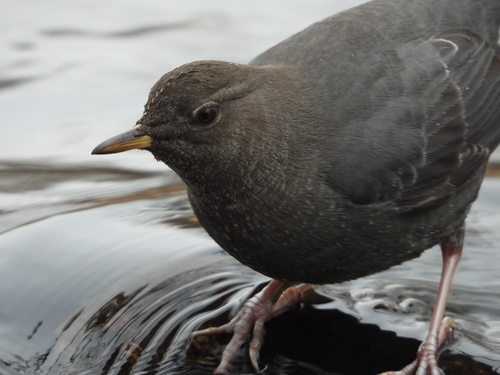
メキシコカワガラス (Cinclus mexicanus) メキシコカワガラス
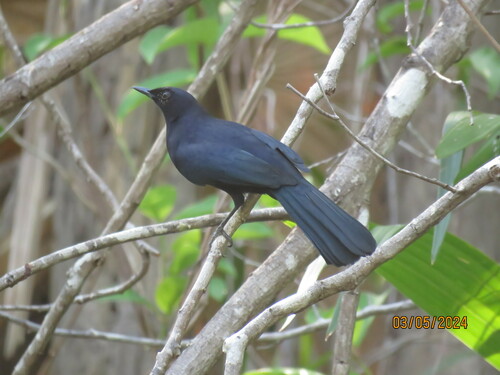
クロネコマネドリ (Melanoptila glabrirostris) クロネコマネドリ

メディア

読み込み中…

要点

アメリカカワガラスとクロネコマネドリの最も信頼できるフィールドマークは全体の色です:アメリカカワガラスは均一なスレートグレーで、白いまぶたが光りますが、クロネコマネドリは光沢のある黒で、紫がかったまたは緑がかった光沢があります。幼鳥のクロネコマネドリは茶色がかった灰色で、下部がまだら模様で、カワガラスと混同されることがありますが、カワガラスの白いまぶたと水生行動は特徴的です。構造的には、カワガラスはずんぐりしていて尾が短いのに対し、クロネコマネドリは尾が長く、より細身です。生息地は強い手がかりです:カワガラスは常に急流の近くにいますが、クロネコマネドリはユカタン地域の密な低地の茂みの歌鳥です。

識別のコツ

  1. Overall color: 成鳥のアメリカカワガラスは均一なスレートグレーで、決して黒や光沢のある色ではありません;クロネコマネドリは光沢のある黒で、紫がかった/緑がかった光沢があります(成鳥)、または茶色がかった灰色でまだら模様があります(幼鳥)。
  2. White eyelid: カワガラスの白いまぶたが瞬きする際に光るのを見てください—どの年齢でもユニークで診断的です。
  3. Gloss and sheen: クロネコマネドリの成鳥は、特に良い光の下で紫がかったまたは緑がかった光沢を示します;カワガラスは常にマットグレーです。
  4. Juvenile confusion: 幼鳥のクロネコマネドリは茶色がかった灰色で、下部がまだら模様で、淡いカワガラスに似る可能性がありますが、カワガラスの白いまぶたと水生行動が欠けています。
  5. Bill shape: カワガラスは短くて太いくちばしを持っています;クロネコマネドリのくちばしは黒く、真っ直ぐで先端が曲がっており、相対的に長いです。
  6. Tail length: カワガラスの尾は短くて四角い;クロネコマネドリの尾は長くて目立ち、しばしば傾いているか、ひらひらしています。
  7. Body shape: カワガラスはずんぐりしていてバレル胸;クロネコマネドリはスリムでより細長いです。
  8. Legs: 両方とも黒い脚を持っていますが、カワガラスの脚はより強く、岩をつかむために適応しています。
  9. Eye color: クロネコマネドリの成鳥は暗い赤褐色の虹彩を持っています(フィールドでは見えにくい);カワガラスは暗い目を持っていますが、赤くはありません。
  10. Habitat: カワガラスは常に急流の近くにいます;クロネコマネドリは密な茂みの中にいて、水の近くにはめったにいません。
  11. Behavior: カワガラスは常に体を上下させたり、潜ったりします;クロネコマネドリは茂みの中に隠れ、止まり木から歌います。
  12. Flight: 両種は短くて丸い翼を持っていますが、カワガラスの飛行は水の上を低く直接的です;クロネコマネドリの飛行はミミズク類に典型的で、ひらひらしていて植生の中を飛びます。
  13. Song: クロネコマネドリの歌は複雑で、厳しい、フルートのような、金属的な音があります;カワガラスの歌はよりシンプルで、さえずりです。
  14. Geography: カワガラスは北アメリカ西部と中米に見られます;クロネコマネドリはユカタン半島と近隣の島々に限定されています。
  15. Sex differences: 両種は性的に似ています;クロネコマネドリの雌の光沢には微妙な違いがあるだけで、通常フィールドでは役に立ちません。

大きさ

アメリカカワガラスはわずかに短い(16.5 cm)ですが、重い(46 g)かつずんぐりしています。カワガラスはコンパクトでずんぐりした体型で、短い尾と翼を持っていますが、クロネコマネドリはスリムで、長い尾と短くて丸い翼を持っています。フィールドでは、クロネコマネドリは長くてスリムに見えるかもしれませんが、カワガラスはより頑丈でバレル胸に見えます。

羽色

行動

アメリカカワガラスはほぼ常に急流の中またはその近くで見られ、しばしば体を上下させたり、潜ったりして餌を取ります。水の上の岩や低い枝に止まります。クロネコマネドリは密な茂みの中で隠れ、水の近くにはめったにいなく、しばしば露出した止まり木から歌います。カワガラスの行動は北アメリカの歌鳥の中でユニークで、水生で、常に上下する動きがあります。クロネコマネドリはミミズク類に典型的で、植生の中で餌を探し、直立して止まります。

生息環境

アメリカカワガラスは北アメリカ西部と中米の山岳地帯または丘陵地帯の清らかで急流のある小川に厳密に関連しています。流れる水から離れて見つかることはありません。クロネコマネドリはユカタン半島と隣接地域に特有で、密な低地の茂み、茂み、時には小さな木に生息していますが、水生の生息地にはいません。水の近くで見られる場合、それは偶然であり、生息地の好みではありません。

声

アメリカカワガラスの歌は高く、さえずりの音の連続で、しばしば小川の近くで行われますが、ここでは詳細には説明されていません。クロネコマネドリの歌は繰り返されるフレーズの混合で、厳しい音やざらざらした音からフルートのような音まであり、金属的なクリック音があります;他の種を模倣することはありません。その呼び声はグレーキャットバードに似ることがあり、厳しい、鼻にかかった、またはひっかかる音があります。カワガラスの声はあまり多様ではなく、猫のようではありません。フィールドでは、クロネコマネドリの歌はカワガラスの歌よりも複雑で多様です。

より良い説明を送る

比較と同じ項目を使ってください。文章はすぐに公開されます。

The most reliable field mark between American Dipper and Black Catbird is overall color: American Dipper is a uniform slate-gray with a flashing white eyelid, while Black Catbird is glossy black with a purplish or greenish sheen. Juvenile Black Catbirds are brownish-gray and mottled below, which can cause confusion with the dipper, but the dipper’s white eyelid and aquatic behavior are distinctive. Structurally, dippers are stocky and short-tailed, while Black Catbird is longer-tailed and more slender. Habitat is a strong clue: dippers are always near fast-flowing streams, while Black Catbird is a songbird of dense lowland thickets in the Yucatán region.

  1. Overall color: Adult American Dipper is uniform slate-gray, never black or glossy; Black Catbird is glossy black with purplish/greenish sheen (adults), or brownish-gray and mottled (juveniles).
  2. White eyelid: Watch for the dipper’s white eyelid flashing as it blinks—unique and diagnostic at any age.
  3. Gloss and sheen: Black Catbird adults show a purplish or greenish gloss, especially in good light; dippers are always matte gray.
  4. Juvenile confusion: Juvenile Black Catbirds are brownish-gray with mottling below, possibly resembling a pale dipper, but lack the dipper’s white eyelid and aquatic behavior.
  5. Bill shape: Dipper has a short, stubby bill; catbird’s bill is black, straight with a decurved tip, and proportionally longer.
  6. Tail length: Dipper’s tail is short and square; catbird’s tail is longer and more prominent, often cocked or flicked.
  7. Body shape: Dipper is stocky and barrel-chested; catbird is slimmer and more elongated.
  8. Legs: Both have black legs, but the dipper’s are stronger and adapted for gripping rocks.
  9. Eye color: Black Catbird adults have a dark reddish iris (hard to see in the field); dippers have dark eyes but not reddish.
  10. Habitat: Dipper is always near fast-flowing streams; catbird is in dense thickets, rarely near water.
  11. Behavior: Dipper bobs/dips constantly and may dive underwater; catbird skulks in brush and sings from perches.
  12. Flight: Both species have short, rounded wings, but dipper’s flight is low and direct over water; catbird’s flight is more typical of mimids, fluttery and through vegetation.
  13. Song: Black Catbird’s song is complex, with harsh, flute-like, and metallic notes; dipper’s song is simpler and warbling.
  14. Geography: Dipper is found in western North America and Central America; Black Catbird is restricted to the Yucatán Peninsula and nearby islands.
  15. Sex differences: Both species are sexually similar; only subtle differences in gloss for catbird females, not usually useful in the field.

American Dipper is slightly shorter (16.5 cm) but heavier (46 g) and stockier than Black Catbird (19–20.5 cm, 35 g). Dipper has a compact, chunky build with a short tail and wings, while Black Catbird is slimmer, with a longer tail and short, rounded wings. In the field, the catbird may look longer and sleeker, but the dipper appears more robust and barrel-chested.

  • Juvenile/immature: Juvenile Black Catbirds are brownish-gray with mottling below, lacking the adult’s gloss. American Dipper juveniles closely resemble adults but may be slightly paler and lack the brownish tinge on the head; they never show the catbird’s mottling.
  • Adult: Adult American Dipper is uniform slate-gray, sometimes with a brownish head, and always shows white eyelid feathers that flash when blinking. Black Catbird adults are glossy black with a purplish or greenish sheen, especially on the tail and wing coverts; remiges are duller blackish-brown. The catbird’s iris is dark reddish, while the dipper’s eye is dark but not reddish. Female Black Catbird is less glossy, but still black overall. Both species have black legs and bills, but the dipper’s bill is stubbier.
  • Flight: No distinctive upperwing pattern is noted for either species, but the dipper’s uniform gray and the catbird’s glossy black (or brownish-gray in juveniles) are contrasting.

American Dipper is almost always seen in or beside fast-flowing streams, often bobbing or dipping its body, and may plunge underwater to feed. It perches on rocks or low branches over water. Black Catbird is a skulker in dense thickets, rarely near water, and often sings from an exposed perch. Dipper’s behavior is unique among songbirds in North America: aquatic, with constant dipping movements. Catbird is more typical of mimids, foraging in vegetation and perching upright.

American Dipper is strictly associated with clear, fast-flowing streams in mountainous or hilly terrain of western North America and parts of Central America. It is never found away from running water. Black Catbird is endemic to the Yucatán Peninsula and adjacent areas, inhabiting dense lowland thickets, brush, and sometimes small trees, but not aquatic habitats. If seen near water, it is incidental, not a habitat preference.

American Dipper’s song is a high, warbling series of notes, often given near streams, but it is not described here in detail. Black Catbird’s song is a mix of repeated phrases, ranging from harsh and scratchy to flute-like, with metallic clicking buzzes; it does not mimic other species. Its calls can resemble Gray Catbird, with harsh, nasal, or grating notes. Dipper’s vocalizations are less varied and not cat-like. In the field, the catbird’s song is more complex and varied than the dipper’s.

変更を破棄しますか?

保存していない編集があります。今離れると失われます。

メキシコカワガラス · クロネコマネドリ · 苦手な鳥