

American Dipper vs Black Catbird
Cinclus mexicanus contro Melanoptila glabrirostris
Fai un quiz con American Dipper e Black Catbird
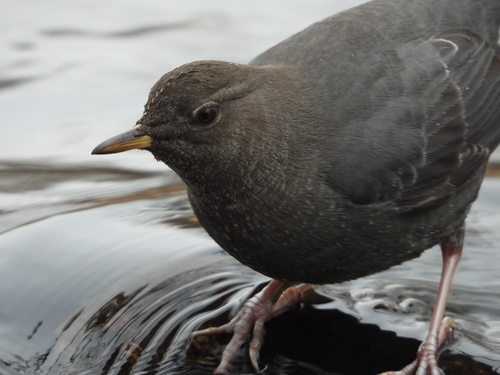 American Dipper
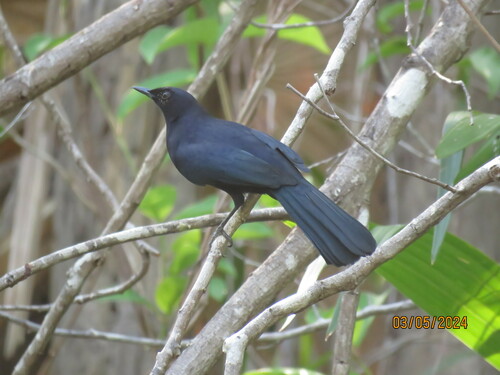 Black Catbird
In breve
Il segno distintivo più affidabile tra American Dipper e Black Catbird è il colore generale: American Dipper è di un grigio ardesia uniforme con una palpebra bianca lampeggiante, mentre Black Catbird è nero lucido con una lucentezza purpurea o verdognola. I giovani Black Catbird sono grigio-brunastri e maculati sotto, il che può causare confusione con il dipper, ma la palpebra bianca del dipper e il suo comportamento acquatico sono distintivi. Strutturalmente, i dipper sono tozzi e con la coda corta, mentre il Black Catbird ha una coda più lunga e più snella. L'habitat è un indizio forte: i dipper si trovano sempre vicino a corsi d'acqua a flusso veloce, mentre il Black Catbird è un uccello canoro di fitte boscaglie di pianura nel Yucatán.
Consigli di identificazione
- Overall color: L'American Dipper adulto è di un grigio ardesia uniforme, mai nero o lucido; il Black Catbird è nero lucido con una lucentezza purpurea/verdognola (adulti), o grigio-brunastro e maculato (giovani).
- White eyelid: Fai attenzione alla palpebra bianca del dipper che lampeggia mentre sbatte le palpebre—unico e diagnostico a qualsiasi età.
- Gloss and sheen: Gli adulti di Black Catbird mostrano una lucentezza purpurea o verdognola, specialmente in buona luce; i dipper sono sempre grigi opachi.
- Juvenile confusion: I giovani Black Catbird sono grigio-brunastri con maculature sotto, che possono assomigliare a un dipper pallido, ma mancano della palpebra bianca del dipper e del comportamento acquatico.
- Bill shape: Il dipper ha un becco corto e tozzo; il becco del catbird è nero, dritto con una punta ricurva, e proporzionalmente più lungo.
- Tail length: La coda del dipper è corta e quadrata; la coda del catbird è più lunga e più prominente, spesso sollevata o scossa.
- Body shape: Il dipper è tozzo e con il petto a botte; il catbird è più snello e allungato.
- Legs: Entrambi hanno zampe nere, ma quelle del dipper sono più forti e adattate per afferrare le rocce.
- Eye color: Gli adulti di Black Catbird hanno un'iride rosso scuro (difficile da vedere sul campo); i dipper hanno occhi scuri ma non rossi.
- Habitat: Il dipper si trova sempre vicino a corsi d'acqua a flusso veloce; il catbird è in fitte boscaglie, raramente vicino all'acqua.
- Behavior: Il dipper si muove continuamente su e giù e può tuffarsi sott'acqua; il catbird si nasconde tra i cespugli e canta da posatoi.
- Flight: Entrambe le specie hanno ali corte e arrotondate, ma il volo del dipper è basso e diretto sull'acqua; il volo del catbird è più tipico dei mimidi, svolazzante e attraverso la vegetazione.
- Song: Il canto del Black Catbird è complesso, con note dure, simili a flauto e metalliche; il canto del dipper è più semplice e gorgheggiante.
- Geography: Il dipper si trova nell'America del Nord occidentale e in America Centrale; il Black Catbird è limitato alla penisola dello Yucatán e alle isole vicine.
- Sex differences: Entrambe le specie sono sessualmente simili; solo lievi differenze nella lucentezza per le femmine di catbird, non solitamente utili sul campo.
Taglia
L'American Dipper è leggermente più corto (16,5 cm) ma più pesante (46 g) e tozzo rispetto al Black Catbird (19–20,5 cm, 35 g). Il dipper ha una corporatura compatta e robusta con una coda e ali corte, mentre il Black Catbird è più snello, con una coda più lunga e ali corte e arrotondate. Sul campo, il catbird può sembrare più lungo e slanciato, ma il dipper appare più robusto e con il petto a botte.
Piumaggio
- Juvenile/immature: I giovani Black Catbird sono grigio-brunastri con maculature sotto, privi della lucentezza dell'adulto. I giovani American Dipper assomigliano molto agli adulti ma possono essere leggermente più chiari e privi della sfumatura brunastra sulla testa; non mostrano mai la maculatura del catbird.
- Adult: L'American Dipper adulto è di un grigio ardesia uniforme, a volte con una testa brunastra, e mostra sempre piume della palpebra bianca che lampeggiano quando sbatte le palpebre. Gli adulti di Black Catbird sono neri lucidi con una lucentezza purpurea o verdognola, specialmente sulla coda e sulle copritrici delle ali; le remiganti sono di un nero bruno più opaco. L'iride del catbird è rosso scuro, mentre l'occhio del dipper è scuro ma non rosso. La femmina di Black Catbird è meno lucida, ma comunque nera nel complesso. Entrambe le specie hanno zampe e becchi neri, ma il becco del dipper è più tozzo.
- Flight: Non si nota un modello distintivo della parte superiore dell'ala per nessuna delle due specie, ma il grigio uniforme del dipper e il nero lucido del catbird (o grigio-brunastro nei giovani) sono contrastanti.
Comportamento
L'American Dipper è quasi sempre visto in o vicino a corsi d'acqua a flusso veloce, spesso muovendo su e giù il corpo, e può tuffarsi sott'acqua per nutrirsi. Si posiziona su rocce o rami bassi sopra l'acqua. Il Black Catbird è un uccello schivo in fitte boscaglie, raramente vicino all'acqua, e spesso canta da un posatoio esposto. Il comportamento del dipper è unico tra gli uccelli canori in Nord America: acquatico, con movimenti costanti di immersione. Il catbird è più tipico dei mimidi, cercando cibo nella vegetazione e posandosi in posizione eretta.
Habitat
L'American Dipper è strettamente associato a corsi d'acqua chiari e a flusso veloce in terreni montuosi o collinari dell'America del Nord occidentale e in alcune parti dell'America Centrale. Non si trova mai lontano dall'acqua corrente. Il Black Catbird è endemico della penisola dello Yucatán e delle aree adiacenti, abitando fitte boscaglie di pianura, cespugli e talvolta piccoli alberi, ma non habitat acquatici. Se visto vicino all'acqua, è incidentale, non una preferenza di habitat.
Voce
Il canto dell'American Dipper è una serie di note alte e gorgheggianti, spesso emesse vicino ai corsi d'acqua, ma non è descritto qui in dettaglio. Il canto del Black Catbird è un mix di frasi ripetute, che vanno da dure e graffianti a simili a flauto, con fruscii metallici; non imita altre specie. I suoi richiami possono assomigliare a quelli del Gray Catbird, con note dure, nasali o graffianti. Le vocalizzazioni del dipper sono meno varie e non simili a quelle del catbird. Sul campo, il canto del catbird è più complesso e vario rispetto a quello del dipper.