

Mirlo Acuático Norteamericano vs Pájaro Gato Negro
Cinclus mexicanus frente a Melanoptila glabrirostris
Juega un quiz con Mirlo Acuático Norteamericano y Pájaro Gato Negro
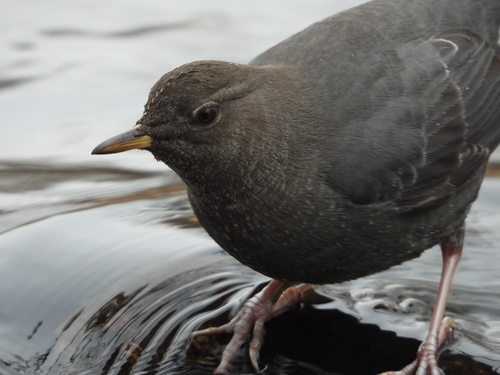 Mirlo Acuático Norteamericano
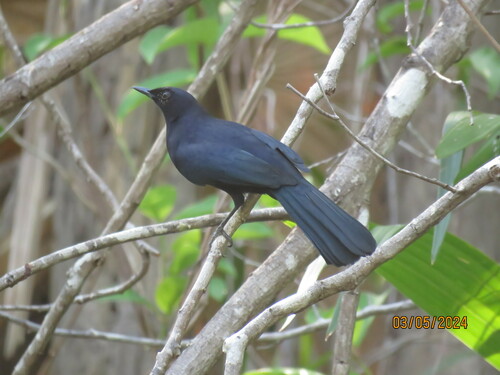 Pájaro Gato Negro
En breve
La marca de campo más confiable entre el Mirlo Acuático Norteamericano y el Pájaro Gato Negro es el color general: el Mirlo Acuático Norteamericano es de un gris pizarra uniforme con un párpado blanco parpadeante, mientras que el Pájaro Gato Negro es negro brillante con un brillo purpúreo o verdoso. Los Pájaros Gato Negros juveniles son de color gris parduzco y moteados por debajo, lo que puede causar confusión con el mirlo, pero el párpado blanco del mirlo y su comportamiento acuático son distintivos. Estructuralmente, los mirlos son robustos y de cola corta, mientras que el Pájaro Gato Negro tiene una cola más larga y es más esbelto. El hábitat es una pista fuerte: los mirlos siempre están cerca de arroyos de rápido flujo, mientras que el Pájaro Gato Negro es un pájaro cantor de matorrales densos en la región de Yucatán.
Consejos de identificación
- Color general: El Mirlo Acuático Norteamericano adulto es de un gris pizarra uniforme, nunca negro o brillante; el Pájaro Gato Negro es negro brillante con un brillo purpúreo/verdoso (adultos), o gris parduzco y moteado (juveniles).
- Párpado blanco: Observa el párpado blanco del mirlo parpadeando—único y diagnóstico a cualquier edad.
- Brillo y lustre: Los adultos del Pájaro Gato Negro muestran un brillo purpúreo o verdoso, especialmente en buena luz; los mirlos son siempre de un gris mate.
- Confusión juvenil: Los Pájaros Gato Negros juveniles son de color gris parduzco con moteado por debajo, posiblemente pareciendo un mirlo pálido, pero carecen del párpado blanco del mirlo y del comportamiento acuático.
- Forma del pico: El mirlo tiene un pico corto y robusto; el pico del pájaro gato es negro, recto con una punta curvada, y proporcionalmente más largo.
- Longitud de la cola: La cola del mirlo es corta y cuadrada; la cola del pájaro gato es más larga y prominente, a menudo levantada o movida.
- Forma del cuerpo: El mirlo es robusto y con pecho de barril; el pájaro gato es más delgado y más alargado.
- Piernas: Ambos tienen piernas negras, pero las del mirlo son más fuertes y adaptadas para agarrar rocas.
- Color de los ojos: Los adultos del Pájaro Gato Negro tienen un iris rojo oscuro (difícil de ver en el campo); los mirlos tienen ojos oscuros pero no rojos.
- Hábitat: El mirlo siempre está cerca de arroyos de rápido flujo; el pájaro gato está en matorrales densos, rara vez cerca del agua.
- Comportamiento: El mirlo se mueve constantemente y puede zambullirse bajo el agua; el pájaro gato se oculta en la maleza y canta desde perchas.
- Vuelo: Ambas especies tienen alas cortas y redondeadas, pero el vuelo del mirlo es bajo y directo sobre el agua; el vuelo del pájaro gato es más típico de los mimidos, aleteante y a través de la vegetación.
- Canto: El canto del Pájaro Gato Negro es complejo, con notas ásperas, similares a una flauta y metálicas; el canto del mirlo es más simple y trino.
- Geografía: El mirlo se encuentra en el oeste de América del Norte y América Central; el Pájaro Gato Negro está restringido a la Península de Yucatán y las islas cercanas.
- Diferencias sexuales: Ambas especies son sexualmente similares; solo diferencias sutiles en el brillo para las hembras del pájaro gato, no suelen ser útiles en el campo.
Tamaño
El Mirlo Acuático Norteamericano es ligeramente más corto (16.5 cm) pero más pesado (46 g) y más robusto que el Pájaro Gato Negro (19–20.5 cm, 35 g). El mirlo tiene una construcción compacta y robusta con una cola y alas cortas, mientras que el Pájaro Gato Negro es más delgado, con una cola más larga y alas cortas y redondeadas. En el campo, el pájaro gato puede parecer más largo y elegante, pero el mirlo parece más robusto y con pecho de barril.
Plumaje
- Juvenil/inmaduro: Los Pájaros Gato Negros juveniles son de color gris parduzco con moteado por debajo, careciendo del brillo del adulto. Los juveniles del Mirlo Acuático Norteamericano se parecen mucho a los adultos pero pueden ser ligeramente más pálidos y carecer del tinte parduzco en la cabeza; nunca muestran el moteado del pájaro gato.
- Adulto: El Mirlo Acuático Norteamericano adulto es de un gris pizarra uniforme, a veces con una cabeza parduzca, y siempre muestra plumas de párpado blanco que parpadean al abrirse. Los adultos del Pájaro Gato Negro son negros brillantes con un brillo purpúreo o verdoso, especialmente en la cola y las coberturas de las alas; las remiges son de un negro parduzco más apagado. El iris del pájaro gato es rojo oscuro, mientras que el ojo del mirlo es oscuro pero no rojo. La hembra del Pájaro Gato Negro es menos brillante, pero sigue siendo negra en general. Ambas especies tienen piernas y picos negros, pero el pico del mirlo es más corto.
- Vuelo: No se nota un patrón distintivo en el ala superior para ninguna de las especies, pero el gris uniforme del mirlo y el negro brillante del pájaro gato (o gris parduzco en juveniles) son contrastantes.
Comportamiento
El Mirlo Acuático Norteamericano se ve casi siempre en o al lado de arroyos de rápido flujo, a menudo moviendo o inclinando su cuerpo, y puede zambullirse bajo el agua para alimentarse. Se posa en rocas o ramas bajas sobre el agua. El Pájaro Gato Negro es un ocultador en matorrales densos, rara vez cerca del agua, y a menudo canta desde una percha expuesta. El comportamiento del mirlo es único entre los pájaros cantores en América del Norte: acuático, con movimientos constantes de inclinación. El pájaro gato es más típico de los mimidos, buscando alimento en la vegetación y posándose erguido.
Hábitat
El Mirlo Acuático Norteamericano está estrictamente asociado con arroyos claros y de rápido flujo en terrenos montañosos o colinos del oeste de América del Norte y partes de América Central. Nunca se encuentra lejos del agua corriente. El Pájaro Gato Negro es endémico de la Península de Yucatán y áreas adyacentes, habitando matorrales densos de tierras bajas, maleza y a veces pequeños árboles, pero no hábitats acuáticos. Si se ve cerca del agua, es incidental, no una preferencia de hábitat.
Voz
El canto del Mirlo Acuático Norteamericano es una serie alta y trina de notas, a menudo emitida cerca de arroyos, pero no se describe aquí en detalle. El canto del Pájaro Gato Negro es una mezcla de frases repetidas, que van desde ásperas y chirriantes hasta similares a una flauta, con zumbidos metálicos; no imita a otras especies. Sus llamadas pueden parecerse a las del Pájaro Gato Gris, con notas ásperas, nasales o chirriantes. Las vocalizaciones del mirlo son menos variadas y no son similares a las del gato. En el campo, el canto del pájaro gato es más complejo y variado que el del mirlo.
Mirlo Acuático Norteamericano · Pájaro Gato Negro · Mis aves difíciles