

Motmot

ミドリメジロハエトリ 対 アマゾンツグミ

Empidonax virescens 対 Turdus sanchezorum

ミドリメジロハエトリとアマゾンツグミのクイズ
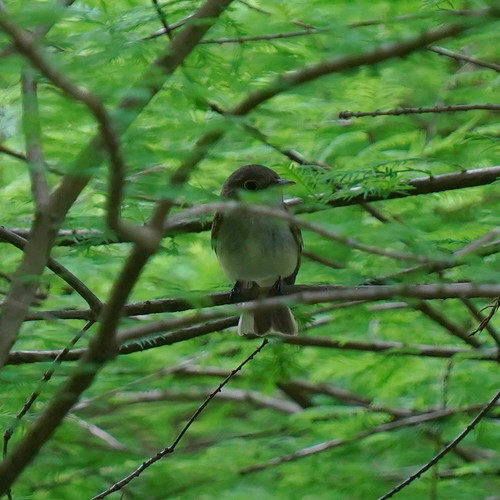
ミドリメジロハエトリ (Empidonax virescens) ミドリメジロハエトリ
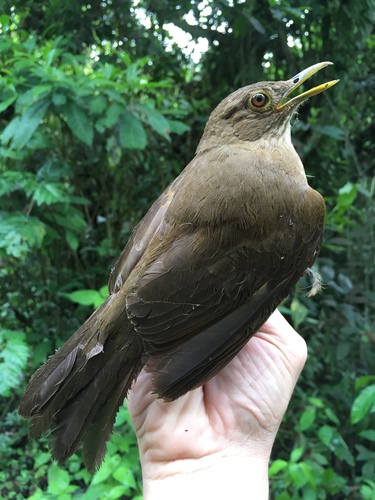
アマゾンツグミ (Turdus sanchezorum) アマゾンツグミ

メディア

読み込み中…

要点

アカディアン・フライキャッチャーとアマゾンツグミを区別する最も信頼できる方法は、全体的な構造と羽色によるものです:アカディアン・フライキャッチャーは小さく、細身で、オリーブ色のエンピドナックスで、短いくちばしと大胆な翼帯を持っています。一方、アマゾンツグミははるかに大きく、ずんぐりした茶色のツグミで、より豊かな縞模様の腹部と対照的なオレンジ色のアイリングがあります。ツグミのサイズと形は直接比較すると明確ですが、視界が悪い場合は、アカディアンの白いアイリングと翼帯に対して、ツグミのオレンジ色のアイリングと翼帯の欠如に注意してください。声と行動も大きく異なり、アカディアンは爆発的なピートサーという呼び声を出し、アマゾンツグミは遅く、穏やかなキャロルを歌います。飛行中や幼鳥でも、ツグミの体格と暖かい茶色のトーンは、フライキャッチャーのコンパクトなオリーブと白の外観と対照的です。

識別のコツ

  1. Size is a major clue: アマゾンツグミはアカディアン・フライキャッチャーのほぼ2倍の長さで、数倍重いです。もし鳥が大きくて頑丈に見えれば、それはツグミです。
  2. Wingbars vs. no wingbars: アカディアン・フライキャッチャーは常に暗い翼に2つの鮮明な白い翼帯を示しますが、アマゾンツグミは翼帯が全くありません。これはすべての年齢とすべての季節で信頼できます。
  3. Eye-ring color: アカディアン・フライキャッチャーのアイリングは白く、そのオリーブ色の顔に際立っています。アマゾンツグミのアイリングは鈍いオレンジ色で、頭の暖かい茶色のトーンと一致しています。
  4. Bill structure and color: フライキャッチャーは短くて幅広いくちばしを持ち、上部は暗く、下部は黄色がかっています。ツグミのくちばしは長く、鈍い黄色で黒っぽい基部を持ち、ツルドゥスのツグミに典型的です。
  5. Upperpart color: アカディアン・フライキャッチャーは上面がオリーブグリーンですが、アマゾンツグミは豊かなセピアブラウンです。ツグミの色はより暖かく、均一です。
  6. Underpart pattern: フライキャッチャーの腹部は清潔な白っぽさで、胸にはオリーブ色の洗いがかかっています。ツグミは縞模様のバフィーな喉、キャラメルブラウンの上胸/側面、より淡い腹部、縞模様の尾羽覆いを持っています。
  7. Underwing color: アマゾンツグミは明るいオレンジルーファスの下翼覆いを持ち、飛行中や羽繕いの際に見えます。アカディアン・フライキャッチャーの下翼は対照的とは記述されていません。
  8. Tail: ツグミの尾は長く、灰色がかった茶色で暖かい縁があります。フライキャッチャーの尾は短く、暗く、翼と一致しています。
  9. Leg color: アカディアン・フライキャッチャーは淡い脚を持っていますが、アマゾンツグミの脚はオリーブグレーですが、これは微妙で、遠くからは診断的ではありません。
  10. Posture and behavior: フライキャッチャーは直立して止まり、昆虫を捕まえるために飛び出します。ツグミは地面を跳ねたり、低い植生の中を移動したりするのがより一般的です。
  11. Flight style: アカディアン・フライキャッチャーは飛行中に敏捷で浮遊感があり、しばしば翼や尾をひらひらさせます。アマゾンツグミはより重く、より直接的です。
  12. Voice: アカディアン・フライキャッチャーの爆発的なピートサーは他のツグミとは異なります。アマゾンツグミの穏やかで、滑らかなキャロルはツルドゥスのツグミに典型的で、フライキャッチャーの呼び声ほど急ではありません。
  13. Habitat context: 季節的に洪水のアマゾンの森で見られた場合、アマゾンツグミの可能性が高いです。東北アメリカの成熟した森林で見られた場合、アカディアン・フライキャッチャーです。ただし、場所が不確かな場合は生息地だけに頼らないでください。
  14. Sex and age: 両種は両性およびすべての年齢で似た羽色を持っているため、性別は区別には役立ちません。
  15. Pitfalls: 照明が悪い場合、ツグミのオレンジ色のアイリングは淡く見えることがあり、フライキャッチャーの白い翼帯はあまり目立たないことがあります。常に複数の特徴を確認してください—サイズ、構造、全体的な色が最も信頼できます。

大きさ

アマゾンツグミはアカディアン・フライキャッチャーよりもはるかに大きく、重いです。ツグミは約22〜24 cm(8.7〜9.4インチ)の長さで、約58 g(2.0 oz)の重さがありますが、フライキャッチャーはわずか14〜15 cm(5.5〜5.9インチ)の長さで、11〜14 g(0.4〜0.5 oz)の重さです。ツグミは頑丈で体格が良く、広い胸と長い尾を持っていますが、フライキャッチャーは細身で、小さな頭を持ち、繊細です。距離があっても、両種が馴染みのある場合、サイズの差は際立っています。

羽色

アカディアン・フライキャッチャー(すべての年齢)はオリーブグリーンの上面、鮮やかな白いアイリング、そして暗い翼に対して際立つ2つの明るい白い翼帯を示します。腹部は白っぽく、胸にはオリーブ色の洗いがかかっています。くちばしは幅広で、上部は暗く、下部は黄色がかっています。対照的に、アマゾンツグミ(成鳥、性別同じ)は上面が豊かなセピアブラウンで、鈍いオレンジ色のアイリングと翼帯がありません。飛行羽は暖かいセピアで縁取られた暗い茶色で、尾は灰色がかった茶色で同様の暖かい縁があります。腹部はより複雑です:顎と喉はバフィーな白で茶色の縞模様があり、上胸と側面はキャラメルブラウン、下胸はより淡く、腹部/肛門は白っぽいです。下翼覆いは明るいオレンジルーファスで、フライキャッチャーにはない特徴です。ツグミのくちばしは鈍い黄色で黒っぽい基部を持ち、脚はオリーブグレーです。どちらの種にも年齢特有の上翼パターンは記載されていないため、これらの対比は成鳥と幼鳥の両方に適用されます。

行動

アカディアン・フライキャッチャーは通常、細い枝に直立して止まり、短いアクロバティックな飛行で昆虫を捕まえるために飛び出します。その動きは速く、落ち着きがなく、しばしば尾や翼をひらひらさせます。対照的に、アマゾンツグミは典型的なツグミのように振る舞います:地面の上または近くで過ごし、跳ねたり歩いたりしながら昆虫や果物を探します。その動きは遅く、より意図的で、止まり木から飛び出す可能性は低いです。飛行中、ツグミはより重く、より直接的に見えますが、フライキャッチャーは敏捷で浮遊感があります。

生息環境

アカディアン・フライキャッチャーはアマゾンツグミと同じ範囲には見られませんが、フィールドで遭遇した場合、フライキャッチャーは木々の生息地におり、しばしば密な下層植生のある成熟した森林にいます。アマゾンツグミはブラジル、コロンビア、ペルーのアマゾン流域のバルゼア(季節的に洪水の)森林に見られます。ツグミの生息地は低地の季節的に浸水する森林である可能性が高く、フライキャッチャーは乾燥した成熟した森林を好みます。ただし、観察者が場所を確信していない場合、生息地だけに頼ることは診断的ではありません。

声

アカディアン・フライキャッチャーの歌は鋭く爆発的な2音のピートサーであり、その呼び声は柔らかいピートで、時にはフリッカーの呼び声に似ています。これはアマゾンツグミとは大きく異なり、ツグミは遅く、穏やかで滑らかなキャロルを歌い、短いフレーズが間に区切りを置いています。ツグミはまた、上昇するミューイングの呼び声と一連のクック音を出します。フライキャッチャーの声は急で鋭いですが、ツグミの声は音楽的で引き延ばされています。

より良い説明を送る

比較と同じ項目を使ってください。文章はすぐに公開されます。

The most reliable way to separate Acadian Flycatcher from Varzea Thrush is by overall structure and plumage: Acadian Flycatcher is a small, slim, olive Empidonax with a short bill and bold wingbars, while Varzea Thrush is a much larger, chunky, brown thrush with a richer, streaked underpart pattern and a contrasting orange eye-ring. The thrush’s size and shape are unmistakable in direct comparison, but in poor views, note the Acadian’s white eye-ring and wingbars versus the thrush’s orange eye-ring and lack of wingbars. Voice and behavior also differ sharply, with Acadian giving explosive peet-sa calls and Varzea Thrush singing slow, mellow carols. Even in flight or with immature birds, the thrush’s bulk and warm brown tones contrast with the flycatcher’s compact, olive-and-white look.

  1. Size is a major clue: Varzea Thrush is nearly twice as long and several times heavier than Acadian Flycatcher. If the bird looks large and robust, it’s the thrush.
  2. Wingbars vs. no wingbars: Acadian Flycatcher always shows two crisp white wingbars on dark wings; Varzea Thrush lacks wingbars entirely. This is reliable at all ages and in all seasons.
  3. Eye-ring color: Acadian Flycatcher’s eye-ring is white and stands out on its olive face; Varzea Thrush’s is dull orange, matching the warm brown tones of its head.
  4. Bill structure and color: The flycatcher has a short, wide bill with a dark upper and yellowish lower mandible; the thrush’s bill is longer, dull yellow with a blackish base, and more typical of a Turdus thrush.
  5. Upperpart color: Acadian Flycatcher is olive-green above, while Varzea Thrush is a rich sepia-brown. The thrush’s color is warmer and more uniform.
  6. Underpart pattern: The flycatcher’s underparts are clean whitish with an olive wash on the breast; the thrush has a streaked buffy throat, caramel-brown upper breast/flanks, and a paler belly with streaked undertail coverts.
  7. Underwing color: Varzea Thrush has bright orange-rufous underwing coverts, visible in flight or when preening; Acadian Flycatcher’s underwing is not described as contrasting.
  8. Tail: The thrush’s tail is longer and grayish brown with warm edges; the flycatcher’s is shorter and darker, matching the wings.
  9. Leg color: Acadian Flycatcher has pale legs; Varzea Thrush’s legs are olive-gray, but this is subtle and rarely diagnostic at a distance.
  10. Posture and behavior: Flycatchers perch upright and sally for insects; thrushes are more likely to be seen hopping on the ground or moving through low vegetation.
  11. Flight style: Acadian Flycatcher is agile and buoyant in flight, often flicking wings and tail; Varzea Thrush is heavier and more direct.
  12. Voice: Acadian Flycatcher’s explosive peet-sa is unlike any thrush; Varzea Thrush’s mellow, slurred carol is typical of Turdus thrushes and never as abrupt as the flycatcher’s calls.
  13. Habitat context: If seen in seasonally flooded Amazonian forest, it’s likely Varzea Thrush; if in mature woodland in eastern North America, it’s Acadian Flycatcher. However, do not rely solely on habitat if the location is uncertain.
  14. Sex and age: Both species have similar plumage in both sexes and all ages, so sex is not helpful for separation.
  15. Pitfalls: In poor light, the thrush’s orange eye-ring may look pale, and the flycatcher’s white wingbars may be less obvious. Always check multiple features—size, structure, and overall color are most reliable.

Varzea Thrush is much larger and heavier than Acadian Flycatcher. The thrush measures about 22–24 cm (8.7–9.4 in) in length and weighs around 58 g (2.0 oz), while the flycatcher is only 14–15 cm (5.5–5.9 in) long and weighs 11–14 g (0.4–0.5 oz). The thrush appears robust and full-bodied, with a broad chest and longer tail, while the flycatcher is slim, small-headed, and delicate. Even at a distance, the size gap is striking if both species are familiar.

Acadian Flycatcher (all ages) shows olive-green upperparts, a bold white eye-ring, and two bright white wingbars set off against darker wings. The underparts are whitish with an olive wash on the breast, and the bill is wide with a dark upper mandible and yellowish lower mandible. In contrast, Varzea Thrush (adults, sexes alike) is rich sepia-brown above, with a dull orange eye-ring and no wingbars. Its flight feathers are dark brown edged with warm sepia, and the tail is grayish brown with similar warm edges. The underparts are more complex: chin and throat are buffy white with brown streaks, upper breast and flanks are caramel-brown, lower breast is paler, and belly/vent are whitish. The underwing coverts are bright orange-rufous, a feature not present in the flycatcher. The thrush’s bill is dull yellow with a blackish base, and the legs are olive-gray. No age-specific upperwing pattern is noted for either species, so these contrasts apply to adults and immatures alike.

Acadian Flycatcher typically perches upright on slender branches, often sallying out to catch insects in short, acrobatic flights. Its movements are quick and restless, and it often flicks its tail or wings. Varzea Thrush, in contrast, behaves like a typical thrush: it spends more time on or near the ground, hopping or walking, and forages for insects and fruit. Its movements are slower and more deliberate, and it is less likely to sally out from a perch. In flight, the thrush appears heavier and more direct, while the flycatcher is agile and buoyant.

Acadian Flycatcher is not found in the same range as Varzea Thrush, but if encountered in the field, the flycatcher would be in wooded habitats, often in mature forests with dense understory. Varzea Thrush is found in varzea (seasonally flooded) forests in the Amazon basin of Brazil, Colombia, and Peru. The thrush’s habitat is more likely to be lowland, seasonally inundated forest, while the flycatcher prefers drier, mature woodland. However, habitat alone is not diagnostic if the observer is unsure of location.

Acadian Flycatcher’s song is a sharp, explosive two-note peet-sa, and its call is a soft peet, sometimes resembling a flicker’s call. This is very different from Varzea Thrush, which sings a slow, mellow, slurred carol with short phrases separated by pauses. The thrush also gives a rising, mewing call and series of cuk notes. The flycatcher’s vocalizations are abrupt and piercing, while the thrush’s are musical and drawn-out.

変更を破棄しますか?

保存していない編集があります。今離れると失われます。

ミドリメジロハエトリ · アマゾンツグミ · 苦手な鳥