

Piro piro boschereccio vs Totano moro
Tringa glareola contro Tringa erythropus
Fai un quiz con Piro piro boschereccio e Totano moro
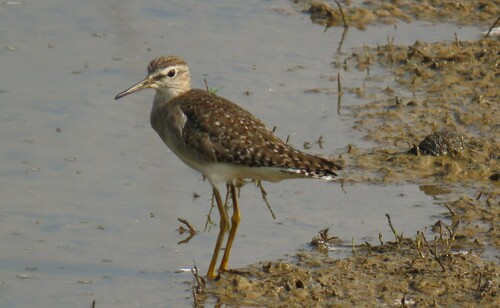 Piro piro boschereccio
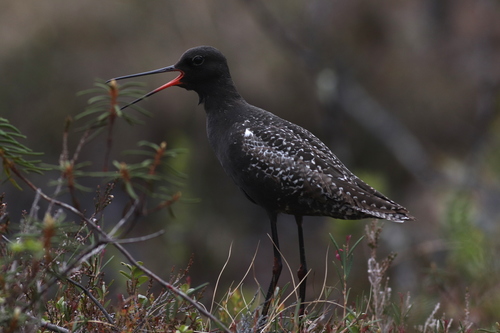 Totano moro
In breve
Il modo più affidabile per separare il Piro piro boschereccio dal Totano moro è per dimensione e struttura: il Totano moro è molto più grande e pesante, con un becco lungo e dritto e gambe rosse sorprendentemente lunghe, mentre il Piro piro boschereccio è più delicato, con un becco più fine e corto e gambe giallastre. In volo, il Totano moro mostra un audace ovale bianco sulla schiena, mentre il Piro piro boschereccio ha un posteriore bianco molto meno contrastante. Le piume giovanili e non riproduttive possono causare confusione, ma i giovani Totano moro sono più grandi, con una fine maculatura bianca sopra e parti inferiori chiare e barrate, rispetto all'aspetto più sobrio e maculato del Piro piro boschereccio. L'habitat può aiutare: il Piro piro boschereccio preferisce le acque dolci e i margini delle zone umide, mentre il Totano moro si trova più spesso in zone umide più grandi e aperte e occasionalmente in siti costieri.
Consigli di identificazione
- La dimensione è il primo controllo: Il Totano moro è molto più grande e pesante del Piro piro boschereccio; usa questo soprattutto quando gli uccelli sono insieme, ma anche singolarmente, cerca l'impressione di gambe lunghe e becco lungo.
- Colore e lunghezza delle gambe: Il Totano moro ha gambe lunghe e rosse brillanti (che scuriscono in piumaggio riproduttivo), mentre le gambe del Piro piro boschereccio sono distintamente giallastre e proporzionalmente più corte.
- Forma e colore del becco: Il becco del Totano moro è lungo, dritto e di base rossa, spesso appare più pesante rispetto al becco più corto, fine e completamente scuro del Piro piro boschereccio.
- Schema di volo – bianco sulla schiena: In volo, il Totano moro mostra un audace ovale bianco sulla schiena, visibile da lontano. Il posteriore bianco del Piro piro boschereccio è più piccolo e meno sorprendente.
- Piumaggio giovanile/immaturo: I giovani Totano moro sono grigio-marroni con fine maculatura bianca sopra e parti inferiori chiare e finemente barrate. I giovani Piro piro boschereccio sono marroni sopra con macchie diffuse e più piccole e mancano della barratura netta sotto.
- Piumaggio riproduttivo: Gli adulti Totano moro diventano neri o grigio scuro con macchie bianche e gambe scure nella stagione di riproduzione—unico tra i totani. Il Piro piro boschereccio rimane marrone chiaro e maculato, con gambe giallastre.
- Piumaggio non riproduttivo: Il Totano moro è molto pallido in inverno ma ancora più grande e con gambe più lunghe rispetto al Piro piro boschereccio, che rimane marrone e maculato.
- Preferenza dell'habitat: Il Piro piro boschereccio è quasi sempre in habitat d'acqua dolce, mentre il Totano moro può essere trovato in zone umide più grandi e aperte e a volte in aree costiere, specialmente durante le migrazioni.
- Stile di alimentazione: Il Totano moro spesso si immerge più a fondo e si nutre con un movimento ampio; il Piro piro boschereccio si nutre ai margini, sondando leggermente e muovendosi con agilità.
- Voce: Il fischio scricchiolante e l'allerta acuta del Totano moro sono distintivi se ascoltati; i richiami del Piro piro boschereccio sono più morbidi e meno sorprendenti.
- Jizz: Il Piro piro boschereccio appare delicato e galleggiante, mentre il Totano moro è alto, eretto ed elegante.
- Trappole con uccelli lontani: A grande distanza, un Totano moro pallido può sembrare simile a un Piro piro boschereccio, ma la dimensione, la lunghezza delle gambe e il modello di volo dovrebbero risolvere l'identificazione.
- Quando i segni falliscono: In scarsa illuminazione o a grande distanza, concentrati sulla dimensione relativa, il colore delle gambe e il modello di volo per la separazione più affidabile.
- Nessuna sovrapposizione nel piumaggio riproduttivo: Un wader con corpo nero e macchie bianche in primavera è sempre un Totano moro; il Piro piro boschereccio non mostra mai questo piumaggio.
- Nessun forte dimorfismo sessuale: Entrambe le specie mostrano piumaggio simile in entrambi i sessi, quindi il sesso non è un segno utile sul campo.
Taglia
Il Totano moro è più di due volte più pesante del Piro piro boschereccio (151,5 g contro 67,5 g) e visibilmente più grande sul campo. È un grande wader con gambe lunghe, mentre il Piro piro boschereccio è il più piccolo dei totani, apparendo molto più delicato e compatto. La differenza è particolarmente evidente quando entrambe le specie sono viste insieme, ma anche singolarmente, le lunghe gambe e il becco del Totano moro sono distintivi. Il Piro piro boschereccio è visibilmente più piccolo, con una corporatura più leggera e agile.
Piumaggio
- Uccelli giovanili/immaturi: I giovani Totano moro sono grigio-marroni sopra con fine maculatura bianca e parti inferiori chiare e finemente barrate. Al contrario, i giovani e gli immaturi Piro piro boschereccio sono marroni sopra con macchie diffuse e più piccole e maculature, e mancano della barratura netta sotto. In volo, il Totano moro mostra un prominente ovale bianco sulla schiena, mentre la macchia del posteriore del Piro piro boschereccio è più piccola e meno contrastante.
- Riproduzione adulta: Gli adulti Totano moro sono sorprendentemente neri o grigio scuro con macchie bianche in piumaggio riproduttivo, e le loro gambe diventano grigio scuro. Gli adulti Piro piro boschereccio in piumaggio riproduttivo sono marroni chiaro sopra con maculature più scure e gambe giallastre, non mostrando mai l'aspetto completamente scuro del Totano moro.
- Non riproduzione adulta: Il Totano moro diventa molto pallido in inverno, ma rimane più grande con gambe e becco rossi. Il Piro piro boschereccio rimane marrone e maculato, con gambe giallastre. L'ovale bianco sulla schiena del Totano moro in volo rimane un segno chiave in tutti i piumaggi.
- Muta: Entrambe le specie hanno strategie di muta complesse, ma questo non è facilmente visibile sul campo tranne per la chiara differenza tra piumaggi giovanili e adulti.
Comportamento
Il Piro piro boschereccio è più probabile che venga visto mentre si nutre attivamente ai margini di acque dolci poco profonde, sondando con il suo becco più corto e muovendosi con un passo leggero e agile. Il Totano moro spesso si immerge più a fondo, usando il suo becco più lungo per sondare e spazzare, e può apparire più maestoso o deliberato nel movimento. Entrambe le specie possono essere diffidenti, ma la maggiore dimensione e le gambe più lunghe del Totano moro rendono il suo stile di alimentazione più distintivo quando osservato fianco a fianco.
Habitat
Il Piro piro boschereccio è fortemente associato a habitat d'acqua dolce: paludi, prati umidi, margini di laghi e rive di fiumi. Evita ambienti costieri e salini. Il Totano moro, pur utilizzando anche zone umide d'acqua dolce, è più versatile e può essere trovato in zone umide più grandi e aperte e a volte in siti costieri, specialmente durante la migrazione. Se trovi un piccolo wader delicato in una pozza d'acqua dolce fangosa, è più probabile che sia un Piro piro boschereccio; un grande wader con gambe lunghe in una vasta zona umida aperta o in una laguna costiera potrebbe essere un Totano moro.
Voce
Il Totano moro emette un distintivo fischio scricchiolante 'teu-it' e un allerta 'kyip-kyip-kyip,' che sono abbastanza diversi dai richiami più morbidi e tipici del Piro piro boschereccio. Tuttavia, le vocalizzazioni non sono sempre udibili e potrebbero essere meno affidabili a meno che l'uccello non stia chiamando frequentemente.
Piro piro boschereccio · Totano moro · I miei uccelli difficili